
Reducing Infection Risk Before Surgery: A 2026 Patient Guide
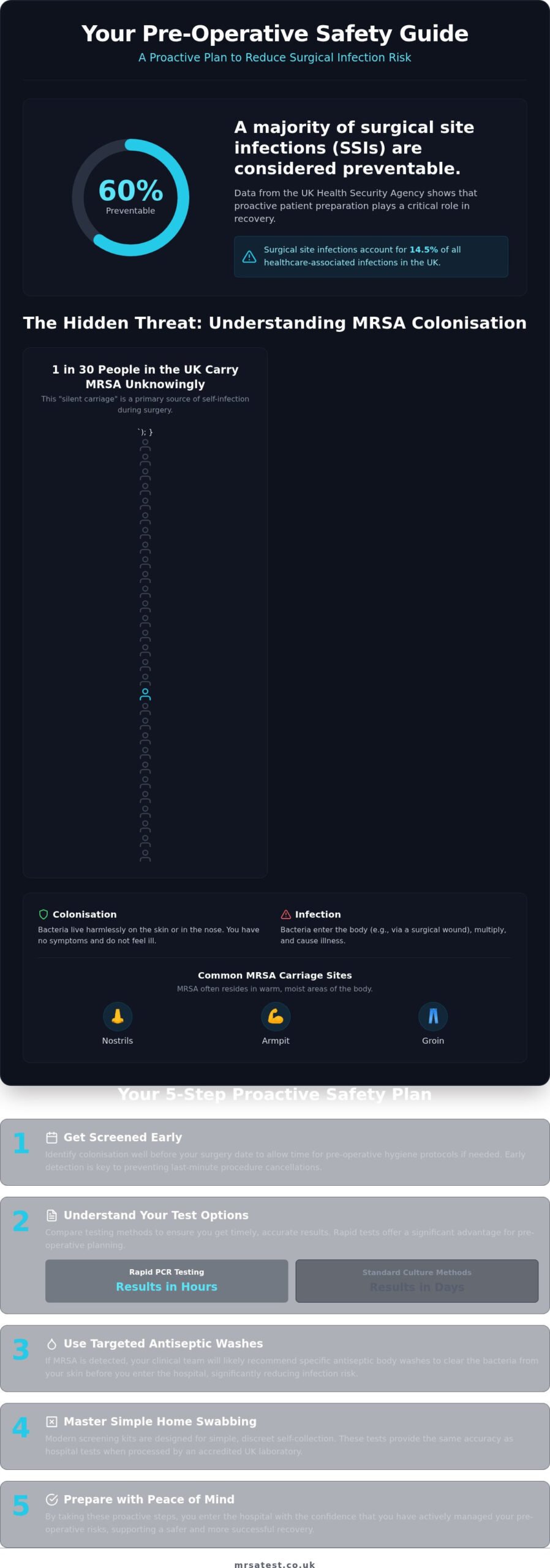
Did you know that while surgical site infections account for 14.5% of all healthcare-associated infections in the UK, an estimated 60% of them are considered preventable? This statistic, sourced from the UK Health Security Agency, highlights the significant influence you have over your own recovery journey. It’s completely natural to feel a sense of anxiety regarding antibiotic-resistant bacteria or the potential for post-operative complications. You want to ensure that every possible safeguard is in place before you ever step foot in the hospital.
We believe that reducing infection risk before surgery should be a clear, well-managed process that puts you in control. This guide is designed to alleviate your concerns by providing a practical pre-operative hygiene checklist and explaining the clinical importance of early MRSA screening. We’ll explore how identifying colonisation through accredited laboratory testing can prevent last-minute cancellations and provide the peace of mind you need. By the end of this article, you’ll have a proactive safety plan and the confidence that you’re supported by expert-led preparation for a successful outcome.
Key Takeaways
- Understand why 60% of surgical site infections are considered preventable and how taking early action can safeguard your recovery.
- Learn why 1 in 30 people in the UK carry MRSA unknowingly and the importance of identifying colonisation before entering a clinical environment.
- Discover a practical five-step plan for reducing infection risk before surgery, including the use of targeted antiseptic washes and professional screening.
- Compare the benefits of rapid PCR testing against standard culture methods to ensure your results are ready well before your scheduled procedure.
- Master a simple, discreet home-swabbing process that provides the same accuracy as hospital tests through accredited UK laboratories.
Understanding Healthcare-Associated Infections (HAIs)
Healthcare-Associated Infections (HAIs), also known as nosocomial infections, are conditions that patients develop while receiving medical treatment for a different issue. In UK hospitals, these infections represent a significant challenge for both patients and clinical staff. Recent surveillance data indicates that surgical site infections alone account for 14.5% of all HAIs. These aren’t just minor setbacks; they can lead to prolonged hospital stays, increased pain, and in severe cases, the need for further surgery. Common superbugs like Methicillin-resistant Staphylococcus aureus (MRSA) and Clostridium difficile (C. diff) are particularly concerning because they’ve developed resistance to many standard antibiotics.
Why Hospitals Are High-Risk Environments
Hospitals are unique environments where a high concentration of vulnerable individuals resides in close proximity. Many patients have weakened immune systems, making them more susceptible to bacteria that a healthy person might easily fight off. Additionally, surgery creates temporary entry points. Every incision, catheter, or IV line bypasses the body’s natural skin barrier, providing a direct path for pathogens. Bacteria found in hospitals are often harder to treat than those found in the community. Over time, these organisms have adapted to survive exposure to common disinfectants and antibiotics, leading to the superbug status of strains like MRSA.
Common Types of Hospital Infections
The most frequent HAIs include Surgical Site Infections (SSIs), which occur at the location of the procedure. Warning signs usually include redness, swelling, or discharge around the wound site. Urinary Tract Infections (UTIs) are also common, frequently linked to the use of urinary catheters during or after surgery. For a deeper look at these risks and how they might impact your upcoming procedure, you can read our detailed Hospital-Acquired Infections (HAIs): A Patient’s Guide to Risks & Prevention. Understanding these common types of infections is the first step toward a proactive safety plan that ensures your recovery stays on track and your hospital stay is as short as possible.
The Critical Role of Pre-Surgery MRSA Screening
Many patients assume that infections are something you “catch” from a hospital ward. While environmental factors matter, a significant number of post-operative complications actually stem from the patient’s own body. This occurs through a process called colonisation. Understanding the difference between being colonised and having an active infection is a vital part of reducing infection risk before surgery. When you are colonised, the bacteria live harmlessly on your skin or inside your nose. You won’t feel ill, and there are no visible symptoms. However, if those same bacteria enter a surgical wound, they can quickly become a dangerous, hard-to-treat infection.
In the UK, approximately 1 in 30 people carry MRSA unknowingly. This “silent carriage” is the primary reason why pre-surgery screening is so critical. If a surgeon makes an incision through an area where MRSA is present, the bacteria gain direct access to deeper tissues. This mechanism of self-infection is a leading cause of complications. As noted in this resource where Surgical Site Infections explained the risks in detail, identifying these pathogens before the first incision is made allows for effective intervention. By screening early, you can use targeted antiseptic washes to clear the bacteria from your skin before you ever arrive at the hospital.
What is MRSA Colonisation?
MRSA tends to congregate in warm, moist areas of the body. The most common carriage sites are the nostrils, the groin, and the axilla, or armpit. Because you can’t see or feel the bacteria, you might be a carrier for years without knowing it. This asymptomatic state is exactly what makes it a hidden threat during invasive procedures. For a deeper look at how these bacteria behave, you can consult What Is MRSA? Your Complete Guide to Symptoms, Causes & Risks. Knowing your status allows you to transform from a passive patient into an active participant in your own safety.
Benefits of Early Detection Before Admission
Screening for MRSA well in advance of your surgery date offers several logistical and emotional advantages:
- Preventing Cancellations: Discovering a positive result on the morning of your surgery often leads to immediate cancellation. This causes significant emotional stress and financial loss.
- Enhanced Preparation: If the surgical team knows you are a carrier, they can adjust their protocols and provide specific decolonisation instructions.
- Family Safety: Knowing your status helps you take simple precautions at home to protect family members who may also be vulnerable.
Taking the initiative to arrange proactive screening ensures that your path to recovery is not interrupted by avoidable delays. It provides a clear window for decolonisation, making the entire surgical process safer and more predictable.
Hospital Protocols vs. Proactive Private Testing
While the NHS provides MRSA screening as a standard part of the pre-operative assessment, the timing of these tests can sometimes create logistical challenges. Hospital-led screening often occurs only a few days before your scheduled procedure. If a positive result returns at this late stage, there is frequently insufficient time to complete a full decolonisation treatment. This often leads to the emotional and financial stress of a last-minute cancellation. Choosing a private at-home test allows you to take control of the timeline, ensuring that reducing infection risk before surgery begins on your own terms, well in advance of your admission date.
Privacy and convenience are significant factors when preparing for a major medical event. At-home sample collection removes the need for additional hospital visits and allows you to collect swabs in a discreet, comfortable environment. It’s essential, however, that any private test you choose uses an accredited UK laboratory. Results from accredited facilities ensure that your surgical team can rely on the data provided, maintaining the same clinical standards as a hospital-based lab while offering you greater flexibility.
The Speed Advantage: PCR vs. Culture
The primary difference between testing methods lies in how the bacteria are identified. Traditional culture tests involve placing the sample on a growth medium and waiting for bacteria to multiply, a process that typically takes 48 to 72 hours. In contrast, a Rapid PCR Test uses molecular technology to detect the DNA of the bacteria directly. This method provides results within 24 hours of the laboratory receiving your sample. For patients with urgent or imminent surgical bookings, this rapid turnaround is critical because it provides the necessary window to start antiseptic treatments without delaying the operation.
Comprehensive Screening Sites
Accuracy depends heavily on where the samples are taken. Standard hospital protocols in some trusts may only require a nasal swab, but research shows that MRSA frequently colonises other warm, moist areas of the body. To achieve a higher level of certainty, multi-site testing is considered the gold standard. Professional at-home kits often include swabs for the following areas:
- The Nose: The most common site for staphylococcal carriage.
- The Groin: A frequent reservoir for bacteria that can be easily missed.
- The Axilla (Armpit): Another primary site for colonisation that requires screening for full clearance.
By screening all three sites, you ensure a more thorough assessment of your status. This comprehensive approach provides the most reliable foundation for your pre-operative safety plan, giving you the confidence that no “silent” carriage areas have been overlooked before you enter the operating theatre.
5 Actionable Steps to Reduce Your Infection Risk
Reducing infection risk before surgery involves more than just trusting hospital staff; it requires a personal commitment to your own safety. You can transform from a passive bystander into an active participant in your recovery by following a structured checklist. These five steps ensure that you enter the operating theatre in the best possible condition, significantly lowering the chance of post-operative complications.
- Step 1: Perform a proactive MRSA screen at home 1-2 weeks before surgery. This timeline is essential. It provides enough room to identify colonisation and complete a decolonisation programme without delaying your procedure.
- Step 2: Follow a strict pre-op hygiene routine. Using specific antiseptic washes helps eliminate bacteria from your skin surface before they can cause an issue during or after the incision.
- Step 3: Practice vigilant hand hygiene. Clean hands are the first line of defence. Ensure you wash your hands frequently and don’t be afraid to ask your visitors to do the same before they touch your surroundings.
- Step 4: Monitor your surgical site daily. Once the procedure is finished, watch for signs like redness, heat, or unusual swelling. Early detection of these symptoms allows for rapid clinical intervention.
- Step 5: Advocate for yourself. It is your right to ensure your environment is safe. If you haven’t seen a staff member clean their hands before attending to you, a polite request is a powerful safety tool.
Pre-Admission Hygiene Preparation
Chlorhexidine (CHG) washes play a vital role in reducing the bacterial load on your skin. Use these as directed by your clinical team, usually starting a few days before admission. Alongside this, ensure you use fresh bedding and clean clothes in the days leading up to your surgery. This minimizes the risk of re-contaminating your skin after washing. For a full breakdown of these steps, see our Preparing for Surgery: A Complete Pre-Op Health & Logistics Checklist.
Vigilance During Your Hospital Stay
Your hospital environment should be kept tidy to allow cleaning staff to work efficiently. High-touch items, particularly mobile phones, are frequent reservoirs for bacteria. Use alcohol wipes to clean your devices regularly throughout the day. Recognising early symptoms of infection, such as a sudden fever or increased pain, ensures you receive treatment before a minor issue becomes serious. You can take the first step toward a safer recovery today and order a proactive MRSA screening kit to secure your surgical timeline.
Proactive Protection with MRSAtest.co.uk
mrsatest.co.uk offers a professional solution for patients who want to take an active role in reducing infection risk before surgery. Our service is designed to bridge the gap between hospital protocols and patient peace of mind. We provide comprehensive at-home screening kits that allow you to identify potential colonisation from the privacy of your own home. Every sample is processed by an accredited UK laboratory. This ensures that the results meet the highest clinical standards required by surgical teams across the country. You don’t have to wait for hospital appointments to understand your status; you can take the first step today.
The process is designed to be simple and stress-free. It follows a clear three-step path. First, you order your kit online through our secure platform. We use discreet packaging to maintain your privacy. Second, you follow the clear, step-by-step instructions to collect your swabs from the nose, groin, and axilla. Finally, you return the samples to our lab using the provided prepaid envelope. This streamlined workflow ensures you get the information you need without unnecessary hospital visits or long waiting times. Our focus is on providing a professional service that fits into your pre-operative schedule.
Choosing the Right Kit for Your Needs
We offer different testing methods to suit your specific timeline. If you’re planning your surgery well in advance, the MRSA Culture test is an excellent choice for routine screening. This method is highly reliable but takes slightly longer to process as the bacteria must be grown in the lab. For patients with urgent requirements or imminent admission dates, the MRSA Test: Get Fast, Accurate Results at Home with a Rapid PCR Kit is the preferred option. PCR technology looks for bacterial DNA directly, allowing us to provide results within 24 hours of the laboratory receiving your sample. This speed is vital if you need to start a decolonisation routine quickly.
Why Trust mrsatest.co.uk?
We are a dedicated UK service focused exclusively on MRSA diagnostics. This specialisation allows us to provide a high level of expertise and support throughout your pre-surgery journey. Our kits are designed for non-clinical users, featuring easy-to-follow instructions that take the guesswork out of swabbing. We understand the anxiety that comes with preparing for an operation. That’s why we prioritise speed, accuracy, and confidentiality. By choosing a dedicated provider, you’re ensuring that your screening is handled by experts who understand the clinical necessity of your results. We’re here to help you enter the hospital with confidence and a clear plan for your safety.
Securing Your Recovery with Proactive Preparation
Taking a proactive approach to your health is the most effective way to ensure a smooth recovery. You now understand that reducing infection risk before surgery involves identifying silent colonisation and following a dedicated hygiene routine. By screening for MRSA well in advance, you eliminate the uncertainty of hospital swabs and the stress of potential cancellations. Accredited UK laboratory testing provides the clinical accuracy your surgical team requires, while the convenience of home collection maintains your privacy.
Our professional service is designed to support you at every stage of this journey. We offer discreet home delivery and collection, ensuring your samples reach our experts quickly and securely. With results available in as little as 24 hours via our rapid PCR option, you can proceed with your surgery date feeling confident and prepared. This simple step transforms you from a passive patient into an active advocate for your own safety.
Order Your Confidential MRSA Test Kit Online Today and take the final step toward a safe and successful procedure. We’re here to help you manage your surgical preparation with quiet competence and expert support.
Frequently Asked Questions
Can I really prevent a hospital infection myself?
Yes, you can take significant steps toward reducing infection risk before surgery by managing your own hygiene and screening for bacteria. Research suggests that 60% of surgical site infections are preventable through proactive measures. By identifying if you are a carrier of MRSA before admission, you can use prescribed antiseptic washes to clear the bacteria. This prevents them from entering your surgical wound during the recovery process.
How far in advance of surgery should I test for MRSA?
You should ideally test one to two weeks before your scheduled surgery date. This timeframe provides a vital window to receive your results and, if necessary, complete a five-day decolonisation treatment before you enter the hospital. Testing too close to the procedure date risks a last-minute cancellation if a positive result is discovered by the hospital team on the day of your admission.
What happens if my MRSA test result is positive?
A positive result means you are colonised with the bacteria, not necessarily that you are ill. If you test positive, you should inform your surgical team immediately. They will typically provide a decolonisation kit, which includes special antiseptic body washes and nasal ointments. Completing this routine before your operation significantly lowers the risk of the bacteria causing a dangerous post-operative infection during your hospital stay.
Is the at-home MRSA test as accurate as a hospital test?
Yes, our at-home kits use the same clinical standards and accredited UK laboratories as hospital-based testing. Whether you choose a standard culture test or a rapid PCR molecular test, the diagnostic accuracy remains high. The primary difference is the convenience and privacy of collecting your own samples at home. This allows you to manage your safety without needing to attend an extra clinical appointment.
Does the NHS accept private MRSA screening results?
Most NHS trusts and private hospitals accept results from UKAS-accredited laboratories. It’s always a good idea to check with your specific surgical team or pre-operative assessment clinic beforehand. Providing them with a formal laboratory report from an accredited facility demonstrates that you are proactive about reducing infection risk before surgery. This transparency can help streamline your admission process and build trust with your clinical team.
How long do MRSA PCR results take to arrive?
Rapid PCR results are typically available within 24 hours of our laboratory receiving your sample. This molecular testing method is significantly faster than traditional culture swabs, which require 48 to 72 hours for bacteria to grow. This speed is particularly beneficial for patients with urgent surgical bookings who need to confirm their status and start any necessary decolonisation treatment as quickly as possible.
Which body parts should be swabbed for a thorough MRSA screen?
A thorough screen should include swabs from the nose, groin, and axilla, which is the armpit area. These warm, moist regions are the most common sites where MRSA bacteria congregate. While some basic screens only test the nostrils, multi-site testing is the gold standard for accuracy. Using a kit that covers all three primary carriage sites ensures that no colonisation is missed before your procedure.
What is the most common way MRSA is spread in hospitals?
MRSA is most commonly spread through direct skin-to-skin contact or by touching contaminated surfaces and medical equipment. In a hospital environment, bacteria can survive on bed rails, door handles, and shared clinical devices. This is why hand hygiene for both patients and staff is so critical. Identifying your own carrier status before arrival helps prevent you from inadvertently moving bacteria into your own surgical site.