
How to Avoid Surgery Cancellation Due to MRSA: A Patient Guide
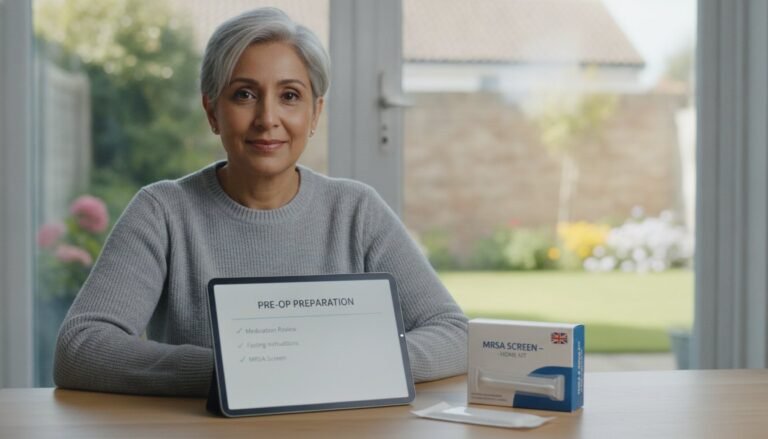
Did you know that approximately 2 in every 100 people in the UK carry MRSA on their skin without ever showing symptoms? If your pre-operative screen has come back positive, you’re likely feeling a mix of anxiety and confusion about your upcoming procedure. It’s common to worry that a positive result means an automatic delay, but failing a screen is a manageable safety hurdle rather than a medical failure. Understanding how to avoid surgery cancellation due to mrsa is the first step toward regaining control over your surgical timeline.
We understand the pressure of preparing for an operation, especially with the May 2025 NHS screening updates designed to standardise these safety checks. This guide provides a clear path to a negative result by explaining the standard 5-day decolonisation protocol and practical home hygiene steps. You’ll learn how to follow clinical instructions for nasal ointments and antiseptic washes to ensure you stay on schedule. By following these professional steps and using verified laboratory testing, you can approach your surgery date with confidence and peace of mind.
Key Takeaways
- Understand that a positive screen identifies you as a carrier rather than being ill, a status shared by approximately 2 in every 100 people in the UK.
- Master the 5-day “triple therapy” decolonisation protocol to effectively clear bacteria from the skin and meet strict hospital safety requirements.
- Learn exactly how to avoid surgery cancellation due to mrsa by ensuring your treatment window is completed before your scheduled admission date.
- Implement a “clean slate” strategy for your home environment to prevent re-colonisation from household items like towels and bedding during treatment.
- Use private at-home PCR or culture testing to verify your status discreetly and gain peace of mind before your final hospital screening.
Understanding Your Result: What “Failing” an MRSA Screen Actually Means
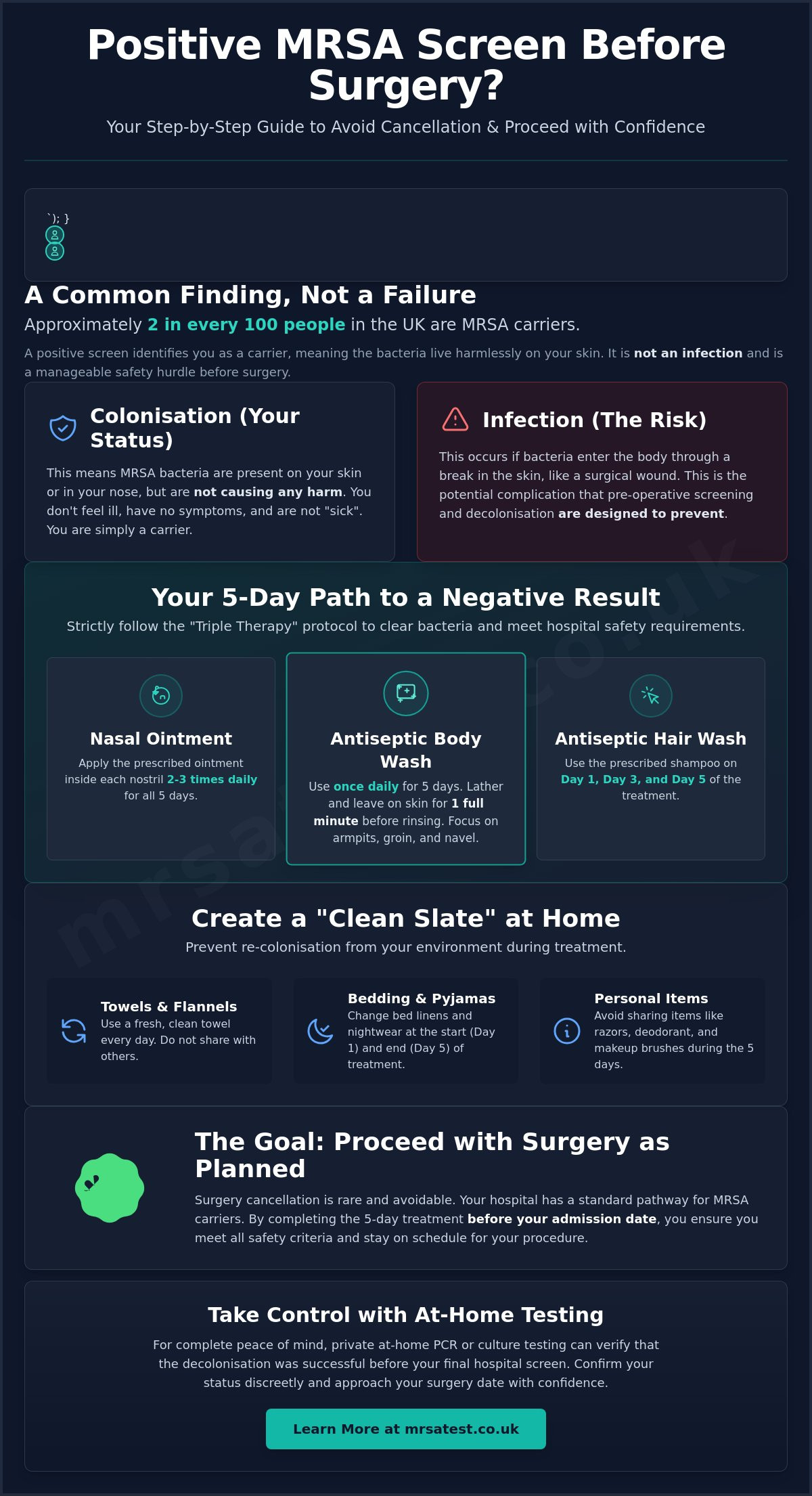
Receiving a notification that you’ve “failed” an MRSA screen can be a source of significant anxiety. It’s easy to assume this result indicates a serious illness or a failure in personal hygiene. However, in a clinical context, a positive result simply means you’re a carrier of the bacteria. This is known as colonisation. It’s a common finding that medical professionals manage daily; it isn’t a reflection of your health or a reason for shame.
According to current data, approximately 2 in every 100 people carry Methicillin-resistant Staphylococcus aureus (MRSA) on their skin or in their nose without ever knowing it. For most healthy individuals, these bacteria live harmlessly alongside other microbes. If you’re researching how to avoid surgery cancellation due to mrsa, the first step is recognising that colonisation is a manageable clinical hurdle, not a medical failure. The screen is a proactive safety measure, not a diagnosis of disease.
Colonisation vs. Infection: The Crucial Difference
An infection only occurs if the bacteria find a way to enter the body, such as through a surgical incision or a break in the skin. Because MRSA is resistant to several common antibiotics, preventing this entry is the hospital’s primary goal. Being a carrier doesn’t make you casually contagious to healthy family members in a way that should cause alarm. It simply means extra precautions are needed before your procedure to ensure your safety and the safety of others in the clinical environment.
Why Hospitals Screen Every Surgical Patient
Hospitals perform these screens to protect both you and the wider patient population. During surgery, your skin’s natural barrier is breached. If MRSA is present on the skin’s surface, it could migrate into the wound, leading to serious post-operative complications. By identifying carriers early, the surgical team can implement a decolonisation protocol to reduce the bacterial load before the first incision is made.
Screening also plays a critical role in infection control within the hospital. It helps prevent the spread of resistant bacteria to other vulnerable patients who may have weakened immune systems. You can read more about these risks in our hospital acquired infections guide. Understanding how to avoid surgery cancellation due to mrsa involves following the hospital’s specific protocols to ensure these risks are mitigated well before your admission date.
The 5-Day Decolonisation Protocol: How to Clear MRSA from Your Skin
If you’ve tested positive during your pre-operative screen, your surgical team will prescribe a specific decolonisation protocol. This isn’t a permanent lifestyle change. It’s a targeted 5-day “triple therapy” designed to temporarily suppress MRSA on your skin and in your nose. Understanding how to avoid surgery cancellation due to mrsa requires a disciplined approach to this 5-day window. Adhering strictly to the prescribed schedule is the most effective way to ensure your hospital admission proceeds as planned.
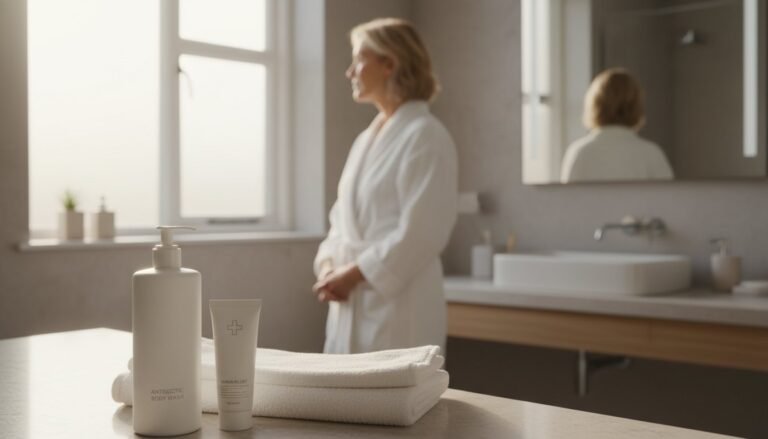
The protocol typically involves three distinct elements: an antimicrobial body wash, a medicated nasal ointment, and a specialised hair wash. These treatments work in tandem to reduce the bacterial load across common “reservoir” sites on the body. Clinical studies and MRSA Prevention Strategies show that pre-operative skin antisepsis is a cornerstone of preventing surgical site infections. By following these steps, you’re actively lowering the risk of complications during your recovery.
A Day-by-Day Treatment Schedule
- Daily Body Wash: Use the prescribed antimicrobial soap, such as chlorhexidine or octenidine, once daily for all five days. Apply it to wet skin, paying close attention to the armpits, navel, and groin. Leave the soap in contact with your skin for at least one full minute before rinsing thoroughly.
- Nasal Ointment Application: Apply a small amount of ointment to the inside of each nostril three times a day. Use a clean cotton bud for each application. Squeeze your nostrils together afterwards to help spread the cream evenly.
- Hair Care: Wash your hair with the antimicrobial solution on Day 1 and Day 4 of the protocol. You can use your regular shampoo on the other days if you prefer.
Managing Side Effects and Skin Irritation
Antimicrobial washes can sometimes lead to dry or itchy skin. This is a common side effect. If you experience mild dryness, avoid using regular moisturisers or oils immediately after washing. These products can sometimes interfere with the treatment’s effectiveness. Instead, wait until the full 5-day course is finished before returning to your usual skincare routine.
If you have pre-existing conditions like eczema or psoriasis, tell your pre-op team immediately. They may offer alternative products or a modified schedule to prevent a flare-up. If a significant rash or painful irritation develops, stop the treatment and contact your hospital coordinator. Completing this process correctly is the best way to ensure your safety. If you want to verify your status before your official hospital re-test, you can use a private MRSA culture test to check your results from the comfort of home.
Will My Surgery Be Cancelled? Impact on Your Hospital Admission
The most common concern for patients following a positive MRSA screen is whether their operation will be postponed. In most cases, the answer is no. If you complete the decolonisation protocol discussed in the previous section, the surgical team can usually proceed with your elective procedure as scheduled. The primary strategy for how to avoid surgery cancellation due to mrsa is strict adherence to your treatment window. By reducing the bacterial load on your skin, you demonstrate that the risk of infection has been professionally managed.
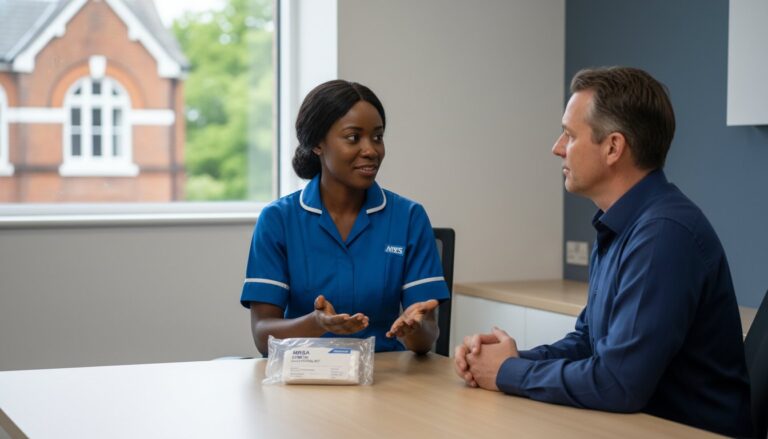
Hospitals operate on a risk-assessment basis. For many general surgeries, simply completing the five days of antimicrobial washes and nasal ointment is sufficient. The decision ultimately rests with your consultant and the pre-operative assessment team. They follow specific clinical guidelines, such as this Patient Guide to MRSA Decolonisation, to ensure every safety hurdle is cleared before you enter the theatre. Being proactive with your hygiene routine is the most effective way to keep your surgical date on track.
To ensure you’re fully prepared for every aspect of your admission, it’s helpful to review a preparing for surgery checklist. This helps you manage not just the clinical requirements, but the logistics of your stay as well. Staying organised reduces stress and ensures you don’t miss any critical steps in the days leading up to your procedure.
When Postponement is the Safest Option
Postponement is usually reserved for “high-risk” procedures. This includes surgeries involving prosthetic implants, such as hip or knee replacements, or heart valve surgery. Because infections in prosthetic materials are exceptionally difficult to treat, many surgeons require a confirmed negative re-screen before they’ll proceed. If your re-screen is still positive, your surgery might be moved to allow for a second round of treatment. In emergency cases, surgery proceeds immediately, but with enhanced antibiotic cover and strict infection control measures in place.
What to Expect on the Day of Surgery
If you’re known to be MRSA-positive on the day of your admission, your hospital experience might look slightly different. You may be placed in a side room or a specific area of the ward to facilitate “barrier nursing.” This is a standard safety protocol where staff wear extra protective equipment, such as aprons and gloves, to prevent the spread of bacteria. Your surgical team will also adjust the prophylactic antibiotics given during the procedure. These medications are specifically chosen to be effective against resistant strains. These steps are routine and won’t change the quality of your surgical care or the skill of your medical team.
Managing Your Home Environment During Decolonisation
While the antimicrobial washes tackle bacteria on your skin, your home environment can act as a reservoir for MRSA. If you don’t manage your surroundings, you risk re-colonising your skin immediately after washing. This cycle is often overlooked but is a vital component of how to avoid surgery cancellation due to mrsa. By treating your home with the same clinical rigour as your skin, you create a sterile window that allows the decolonisation protocol to succeed.
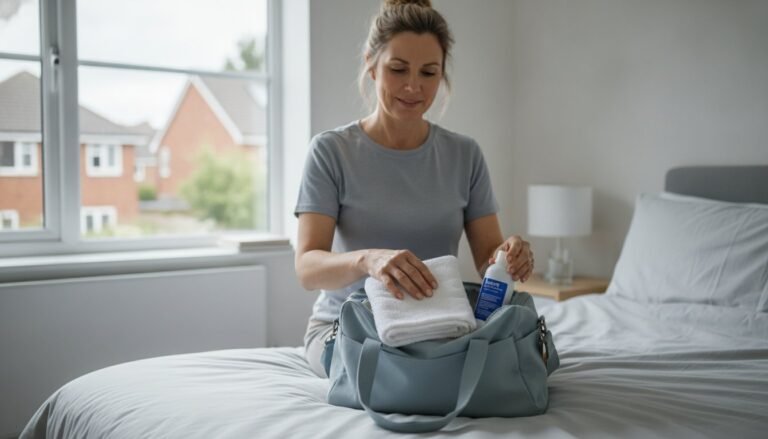
On the first day of your protocol, implement a “clean slate” strategy. This means starting your treatment with freshly laundered bedding, clean clothes, and a new set of towels. It ensures that you aren’t immediately re-exposing your treated skin to old bacterial colonies. The rule is simple. If it touches your skin, it must be clean.
The “Daily Change” rule is the most effective way to prevent re-colonisation. You should use a fresh towel for every single wash and change your flannels or sponges daily. While MRSA is not a threat to healthy family members or pets, they can occasionally carry the bacteria. Encourage everyone in the household to practice thorough hand hygiene during your five-day treatment window to keep the environment as sanitised as possible.
Laundry and Bedding Hygiene
Bacteria can survive on fabric for longer than many people realise. To neutralise MRSA, wash all bed linens, towels, and clothing at 60°C. This temperature is high enough to kill the bacteria effectively. If your machine has a “hygiene” or “anti-allergy” cycle, use it. Keep your laundry separate from the rest of the household’s items during these five days. Handling your items with care prevents cross-contamination and ensures your “clean slate” remains intact until your hospital admission.
Bathroom and Personal Item Care
Shared spaces require daily attention. Bacteria often thrive on damp surfaces like taps, toilet handles, and shower controls. Clean these high-touch areas daily with a standard household disinfectant. This prevents you from picking up bacteria on your hands and transferring them back to your face or body.
Personal items also need a refresh. Replace your toothbrush and any disposable razors immediately after you finish the 5-day protocol. During the treatment, avoid sharing items like hairbrushes, bars of soap, or nail clippers. These small steps collectively ensure that your decolonisation is successful. If you want to confirm your status before heading to the hospital, you can order an MRSA Rapid PCR Test to verify your results discreetly from home.
Taking Control: Using At-Home Testing to Verify Your Status
The period between finishing your decolonisation protocol and your hospital re-screen is often the most stressful part of the pre-operative journey. The “waiting game” can fuel anxiety, especially when your surgical date is fast approaching. Taking a proactive step to verify your status allows you to move from a position of uncertainty to one of quiet confidence. Understanding how to avoid surgery cancellation due to mrsa involves more than just following a wash routine; it’s about having the data to prove the protocol worked.
Private at-home testing serves as a bridge between your home treatment and the official hospital assessment. It empowers you to lead your own healthcare journey by identifying whether the bacteria have been successfully suppressed. This proactive screening doesn’t replace hospital protocols, but it provides a vital early warning system. If you know your status in advance, you can approach your admission with peace of mind rather than fear of a last-minute delay.
Why Consider a Private MRSA Test Kit?
The primary advantage of private testing is speed. Hospital laboratories are often stretched, and receiving your results through the standard administrative channels can take several days or even weeks. By choosing a private MRSA test, you can receive a verified laboratory report within 24 to 72 hours. This rapid turnaround is particularly beneficial for urgent surgical timelines where every day counts.
Privacy is another significant factor. Performing your own swabs in the comfort of your home environment reduces the clinical “stigma” some patients feel when being screened in a hospital ward. Our Rapid PCR tests utilise advanced diagnostic technology to identify the genetic material of the bacteria, offering high levels of accuracy and clinical reliability. This allows you to confirm clearance discreetly before your official pre-operative appointment.
Interpreting Your Results Before Surgery
A “Negative” result from a private PCR or culture test provides the reassurance you need to proceed with your admission. It confirms that your 5-day decolonisation protocol and home hygiene efforts have been effective. This confidence can significantly reduce pre-surgery stress, allowing you to focus on your recovery rather than logistical hurdles.
If a test remains “Positive” after your first decolonisation attempt, don’t panic. This result gives you the opportunity to contact your pre-operative team early. They may suggest a second course of treatment or a different antimicrobial product. We strongly advise all patients to share their private test results with their surgeon or pre-op nurse. This transparency helps the clinical team make informed decisions about your care and ensures that all safety hurdles are cleared well before you reach the operating theatre.
Taking the Final Steps Toward a Successful Procedure
Navigating a positive MRSA screen is a manageable part of your pre-operative preparation. By strictly following the 5-day decolonisation protocol and implementing a “clean slate” strategy for your home environment, you can effectively lower the bacterial load on your skin. These proactive steps ensure you meet hospital safety standards and protect your recovery window. Understanding how to avoid surgery cancellation due to mrsa gives you the control needed to stay on track for your admission date.
If you want the peace of mind that comes with verified results before your official hospital re-screen, we can help. Our service provides Accredited UK Laboratory Testing with discreet and secure shipping directly to your door. You’ll receive your results within 24-72 hours, allowing you to proceed with total confidence. Order a Confidential MRSA Home Test Kit to Verify Your Status today. You’ve done the hard work; now get the professional confirmation you deserve to move forward with your surgery and recovery.
Frequently Asked Questions
Do I need to tell my family if I fail my MRSA screening?
You don’t need to tell your family or friends if you test positive for MRSA colonisation. Because the bacteria live harmlessly on the skin of healthy people, you aren’t a risk to your household. It’s only a concern in hospital settings where patients have open wounds or weakened immune systems. Maintaining standard hand hygiene at home is sufficient to keep your family safe during your treatment.
Can I still have surgery if I am MRSA positive?
You can still have surgery if you’re MRSA positive, provided you complete the prescribed 5-day decolonisation protocol. Most elective procedures proceed as planned once the bacterial load on your skin is reduced. However, high-risk surgeries like joint replacements might be postponed until a negative re-screen is confirmed. Your surgical team will decide based on the specific risks associated with your procedure.
How long does it take to get a negative MRSA result after treatment?
You can typically expect a negative result within 48 to 72 hours after completing the full 5-day decolonisation course. Hospitals usually wait at least two days after your last treatment before re-screening to ensure the results are accurate. If you’re looking for how to avoid surgery cancellation due to mrsa, timing this re-test correctly with your pre-op team is essential for staying on schedule.
What is the most effective body wash for clearing MRSA?
Clinical guidelines generally recommend antimicrobial washes containing chlorhexidine gluconate or octenidine dihydrochloride as the most effective options. These specialised soaps are designed to kill resistant bacteria on contact. It’s vital to follow the instructions precisely, leaving the solution on your skin for at least one minute before rinsing. Your hospital will usually provide the specific brand they prefer you to use.
Will MRSA stay on my skin forever once I have failed a screen?
MRSA doesn’t necessarily stay on your skin forever. While some people are long-term carriers, many successfully clear the bacteria after a single 5-day decolonisation cycle. Even if the bacteria return later, the goal of pre-operative screening is to suppress them temporarily during your surgical window. This ensures your skin is clear of resistant bacteria at the exact moment the surgical incision is made.
Can I fail an MRSA screen even if I have no symptoms?
You can certainly fail an MRSA screen without having any symptoms. This is because “colonisation” simply means the bacteria are living on your skin’s surface without causing an infection. Most carriers are completely healthy and unaware of the bacteria’s presence until a routine pre-operative test is performed. This is why universal screening is a standard safety protocol in UK hospitals before major operations.
Is it possible to clear MRSA without using antibiotics?
It’s possible to clear MRSA from your skin using topical antimicrobial washes and nasal ointments rather than oral antibiotic tablets. These antiseptic treatments are highly effective at removing the bacteria from the skin’s surface and nasal passages. By focusing on these topical solutions, you avoid the side effects of systemic antibiotics while still achieving the negative result required for your surgery to proceed safely.
Does a positive MRSA result mean I have a “superbug” infection?
A positive result doesn’t mean you have an active infection or that you’re suffering from a “superbug” illness. It simply indicates that the bacteria found on your skin belong to a strain that’s resistant to certain common antibiotics. Understanding how to avoid surgery cancellation due to mrsa involves recognising that this is a logistical safety hurdle. With the right decolonisation steps, this status is manageable and temporary.