
MRSA Screening for Elective Surgery: A Complete Guide for Patients in 2026
What if the most important preparation for your upcoming operation isn’t packing your hospital bag, but a simple swab of your nose? While you’re likely focused on your recovery timeline, mrsa screening for elective surgery is a critical step that ensures your procedure actually happens on schedule. With approximately 11,000 deaths occurring annually in the U.S. from MRSA infections, hospitals use this proactive safety clearance to protect you from surgical site infections before you even enter the operating room.
We understand that the thought of a positive result can be stressful, especially when you’ve already cleared your calendar for surgery. You might feel anxious about potential delays or confused by the clinical swabbing process. This guide explains why this screening is vital, how the process works, and how to ensure your surgery date remains protected. We’ll explore the current pre-op protocols and the simple steps you can take to achieve a safe, infection-free recovery.
Key Takeaways
- Identify the specific areas of the body, including the nostrils and groin, where mrsa screening for elective surgery is performed to ensure patient safety.
- Learn how the decolonisation process uses simple antiseptic washes and ointments to clear bacteria without the need for heavy medication.
- Discover the clinical benefits of using rapid PCR technology to receive highly accurate results faster than traditional culture methods.
- Find out how testing privately from home can provide the peace of mind you’ll need before your formal hospital pre-assessment appointment.
- Understand the link between skin bacteria and surgical site infections to see why this proactive clearance is a vital part of your recovery plan.
What is MRSA Screening for Elective Surgery?
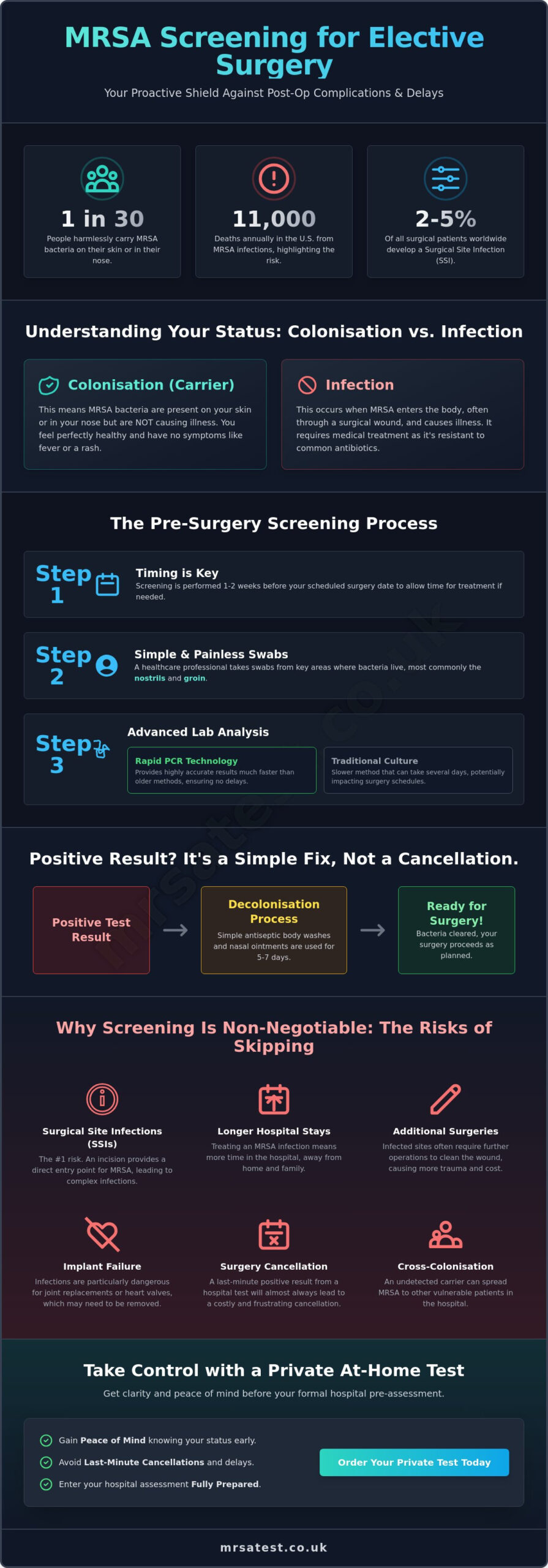
Methicillin-resistant Staphylococcus aureus (MRSA) is a type of bacteria that lives harmlessly on the skin or in the nose of approximately one in 30 people. While these bacteria don’t usually cause problems for healthy individuals in their daily lives, they present a significant challenge in clinical environments. For patients, mrsa screening for elective surgery is a standard safety protocol designed to identify these bacteria before they can cause a post-operative complication.
It’s vital to distinguish between “colonisation” and “infection.” Colonisation means the bacteria are present on your body but aren’t making you ill. You won’t have a fever, a rash, or any physical symptoms. However, if these bacteria enter the body through a surgical incision, they can cause a serious infection that’s difficult to treat with common antibiotics. Screening acts as a preventative shield. It protects you and ensures the hospital environment remains safe for all patients by identifying carriers before they enter the ward.
The Mandatory Nature of Pre-Op Swabs
In the UK, the NHS and private healthcare providers implement universal screening for almost all planned procedures. This policy is a response to the reality of Surgical Site Infections (SSIs), which affect between 2% and 5% of surgical patients worldwide. Certain procedures carry a higher risk profile. If you’re undergoing orthopaedic surgery, such as a joint replacement, or cardiothoracic procedures, the impact of an infection is particularly severe. By making mrsa screening for elective surgery a mandatory requirement, hospitals can ensure that any bacteria are managed through a simple cleaning process before you enter the operating theatre.
Screening vs. Diagnostic Testing
You might wonder why a test is necessary when you feel perfectly healthy. Most diagnostic tests are used to find the cause of an existing illness. In contrast, MRSA screening is designed to detect “silent carriage.” This is when the bacteria are present but invisible to the naked eye. If left undetected, this carriage can lead to complications during invasive procedures. To ensure the highest level of accuracy, clinical protocols usually recommend that testing takes place one to two weeks before your surgery date. This specific timing allows enough time for a decolonisation treatment if your result is positive, ensuring your surgery stays on track without last-minute cancellations.
Why MRSA Screening is Crucial for Your Recovery
The primary goal of mrsa screening for elective surgery is to ensure that your body is in the best possible condition for healing. While MRSA often lives harmlessly on the skin’s surface, a surgical incision provides a direct pathway for these bacteria to enter deeper tissues. Once inside, they can cause infections that are resistant to standard antibiotics, making the recovery process significantly more complex. Research into the Clinical Effectiveness of MRSA Screening confirms that identifying carriers is the first step in preventing severe post-operative outcomes. By managing these bacteria before the first incision is made, your surgical team can protect the integrity of the procedure and your long-term health.
When MRSA enters a surgical wound, it doesn’t just cause a temporary setback. It can lead to prolonged hospital stays, additional surgeries to clean the wound, and in some cases, the failure of implants like heart valves or prosthetic joints. Beyond your own health, screening helps maintain the safety of the entire hospital. It prevents the “cross-colonisation” of other vulnerable patients, ensuring that the ward remains a sterile and secure environment for everyone. Taking a proactive approach with a private MRSA test can provide the clarity you need before your formal hospital pre-assessment.
Reducing the Risk of Surgical Site Infections (SSIs)
Surgical Site Infections (SSIs) are a major concern in modern medicine. An estimated 1.5 million U.S. surgical patients develop SSIs annually, and similar trends are seen globally where SSIs affect about 2% to 5% of all surgical patients. When a hospital knows your MRSA status in advance, they can implement “targeted prophylaxis.” This means surgeons can use specific, high-strength antibiotics during your operation that are known to be effective against resistant bacteria, rather than relying on standard medications that MRSA might ignore.
Avoiding Costly Surgery Cancellations
Few things are as frustrating as having a long-awaited surgery date cancelled at the last minute. Hospitals have strict safety protocols; if a routine pre-op swab returns a positive result just days before your procedure, the surgery will likely be postponed. This is because the decolonisation process, which involves special washes and nasal ointments, typically requires five to seven days to complete. By prioritising mrsa screening for elective surgery early in your preparation, you create a “buffer zone.” This timeframe allows you to complete any necessary treatment and proceed with your surgery on the original date, avoiding the emotional and logistical stress of a delay.
The Screening Process: Swabs, Sites, and Methods
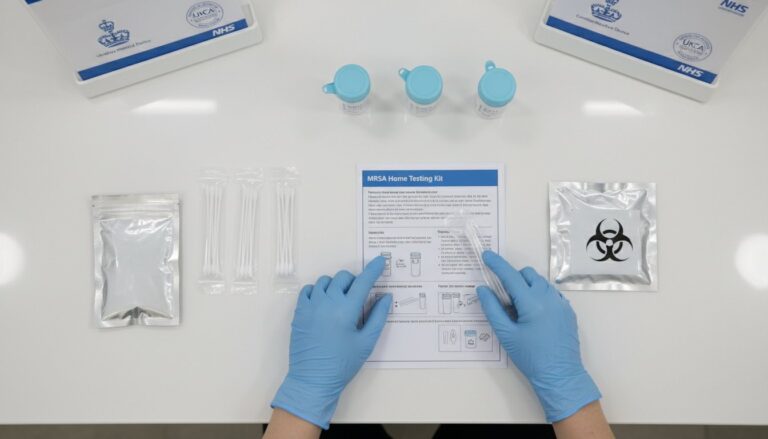
The physical process of mrsa screening for elective surgery is straightforward and entirely painless. It’s designed to be non-invasive, ensuring you feel comfortable while providing the clinical team with accurate data. During a pre-assessment appointment or when using an at-home kit, a sterile swab, which resembles a long cotton bud, is gently rubbed over specific areas of your skin to collect a sample of the bacteria present. This sample is then placed into a transport tube containing a special medium to keep the bacteria stable until it reaches the laboratory for analysis.
Most patients find the experience quick and manageable. You don’t need to fast or prepare in any special way, although it’s helpful to avoid using antiseptic creams or nasal sprays immediately before the test, as these can interfere with the results. Once the samples are collected, the laboratory uses one of two primary methods to check for the presence of resistant bacteria: traditional culture or rapid molecular testing.
Anatomical Swab Sites Explained
Clinicians target specific areas of the body where MRSA is most likely to thrive. These “reservoirs” are typically warm, moist environments where the bacteria can colonise without being noticed. The primary sites include:
- Nasal Swabs: The anterior nares, or the front part of the nostrils, are the most common home for MRSA. This is the primary site tested in almost every screening protocol.
- Groin and Axilla: Skin folds in the groin and the axilla (armpit) provide the ideal conditions for bacterial colonies to grow. Swabbing these areas ensures a more comprehensive screen.
- Wound or Device Swabs: If you have any existing skin breaks, rashes, or indwelling medical devices like catheters, the nurse may take additional swabs from these sites as they represent higher risk areas for infection.
PCR vs. Culture: Which Screening is Right for You?
Understanding the difference between testing methods is crucial, especially if your surgery date is approaching quickly. A standard MRSA Culture involves placing your sample on a Petri dish and waiting for the bacteria to grow. This traditional method is highly reliable but slow, typically requiring 48 to 72 hours to produce a definitive result. If the lab needs to confirm the specific strain, it can take even longer.
In contrast, a Rapid PCR (Polymerase Chain Reaction) test uses molecular technology to detect the DNA of the MRSA bacteria directly. This method is significantly faster, often providing results in under 24 hours. For patients with urgent elective timelines, this speed is a major advantage. You can read a more detailed comparison of these methods in our guide on MRSA Culture vs. PCR Test to decide which option best fits your schedule. Choosing the right mrsa screening for elective surgery depends on how much time you have before your procedure and whether you need the rapid peace of mind that molecular testing provides.
What Happens if You Test Positive for MRSA?
Receiving a positive result from your mrsa screening for elective surgery can feel overwhelming, but it’s important to remember that this isn’t a diagnosis of illness. Instead, it’s a vital piece of information that allows your surgical team to act proactively. A positive screen simply means you’re a carrier of the bacteria on your skin or in your nose. By following a standard decolonisation protocol, you can significantly reduce the risk of post-operative complications and keep your surgery date on track. Hospitals deal with this regularly; it’s a routine safety measure rather than a medical emergency.
The goal of decolonisation is to temporarily remove or “suppress” the bacteria so they don’t enter your surgical wound. It’s a cleaning process, not a course of heavy medication. Most patients find the routine easy to manage at home. Successfully completing this protocol allows you to proceed with your surgery with the confidence that you’ve minimised the risk of a resistant infection. If you’re concerned about a potential positive result, ordering a private MRSA Rapid PCR Test early in your preparation provides the time needed to complete treatment without delaying your operation.
The Decolonisation Protocol
In the UK, the standard decolonisation treatment usually lasts for five days. It’s designed to target the primary reservoirs where the bacteria thrive. The protocol typically includes:
- Antiseptic Body Washes: Products like Chlorhexidine are used as a liquid soap for showering. You’ll need to wash your hair and body daily, paying close attention to the skin folds in the groin and armpits.
- Antibiotic Nasal Ointments: A small amount of ointment, such as Mupirocin, is applied to the inside of each nostril three times a day to clear the bacteria from its main hiding spot.
- Environmental Hygiene: To prevent re-colonising yourself, it’s essential to use fresh towels and washcloths every day. You should also change your bedding and clothes daily throughout the five-day treatment period.
Timeline for Re-Testing
Once you’ve finished the five-day routine, your hospital will likely require “clearance swabs” to confirm the bacteria are gone. The timing of these swabs is critical. Usually, they’re taken at least two days after you finish the treatment to ensure the results are accurate. For high-risk procedures, such as heart surgery or bone grafts, some hospitals require three consecutive sets of clear swabs before they’ll proceed. You should coordinate closely with your hospital’s pre-op department to ensure these tests are scheduled correctly. Proactive mrsa screening for elective surgery ensures this entire process is completed well before your surgery morning, avoiding the emotional stress of a last-minute cancellation.
Taking Control: Private and At-Home MRSA Screening
At mrsatest.co.uk, we streamline the pre-operative journey by providing clinical-grade testing directly to your door. Whether you require an MRSA Rapid PCR Test or a standard MRSA Culture, our service is designed to be discreet, efficient, and professional. We use verified laboratory partners to ensure that every sample is processed with the highest level of diagnostic accuracy, giving you results you can rely on when discussing your health with your surgical team.
Why Screen Early at Home?
The most significant advantage of early screening is the removal of the “last-minute panic” that often accompanies hospital pre-assessments. If a hospital swab returns a positive result just 48 hours before your procedure, the risk of cancellation is high. By testing early in your own environment, you gain the “buffer zone” needed to complete a decolonisation protocol if necessary. You can perform the swabs in the privacy of your own home, avoiding the anxiety of a clinical setting. For more information on how this process works, you can consult our At-Home Test Kits UK guide, which details the convenience of modern domestic screening.
Professional Results You Can Trust
Accuracy is the foundation of our service. We provide clinical-grade swabs and clear instructions to ensure your samples are collected correctly from the nose, groin, or axilla. Once your sample is ready, you use our prepaid laboratory returns to send it to a UKAS-accredited facility. These labs use the same high standards as the NHS, ensuring your results are professional and authoritative.
When you receive your clear result, you can share it with your surgical team to demonstrate your proactive approach to safety. This peace of mind is invaluable as you count down the days to your procedure. Don’t leave your surgery date to chance. You can order your pre-surgery MRSA test kit today and move forward with the confidence that you’re fully prepared for a safe, infection-free recovery. Choosing mrsa screening for elective surgery on your own terms is the final step in a well-managed surgical plan.
Secure Your Surgery Date with Confidence
Preparing for your procedure involves more than just clinical consultations. It’s about ensuring every safety protocol is met well in advance. By prioritising mrsa screening for elective surgery, you eliminate the risk of unexpected delays and protect your long-term recovery. Identifying your status early allows you to complete any necessary decolonisation without the stress of a last-minute cancellation; ensuring your procedure stays on track as planned.
Our service provides the professional clarity you need through discreet, at-home collection and fast results from UKAS-accredited laboratories. With prepaid return shipping and a choice between Rapid PCR or Standard Culture testing, you can manage your pre-operative requirements on your own schedule. You don’t have to wait for your formal hospital appointment to gain peace of mind and ensure you’re ready for the operating theatre.
Order Your Accredited Pre-Surgery MRSA Test Kit today to ensure your surgical journey remains smooth and secure. Taking this proactive step is the best way to focus on what matters most: a safe operation and a successful recovery.
Frequently Asked Questions
Do I have to be screened for MRSA before every surgery?
Yes, screening is a mandatory requirement for the vast majority of planned procedures in the UK. While very minor skin procedures might occasionally be exempt, any operation involving an incision or an overnight stay will require a clear result. This universal approach ensures that the surgical environment remains as sterile as possible for every patient on the ward.
How long before my surgery should the MRSA screening take place?
You should ideally complete your mrsa screening for elective surgery between one and two weeks before your scheduled date. This timeframe is essential because it provides a sufficient window to receive your results and complete a five-day decolonisation treatment if you test positive. Testing too early may not accurately reflect your bacterial status on the actual day of your procedure.
Will my elective surgery be cancelled if I test positive for MRSA?
Your surgery will typically be postponed rather than permanently cancelled if you return a positive result. Hospitals cannot safely proceed until you have finished a decolonisation protocol to clear the bacteria from your skin. Once you complete the required five-day routine and provide a clear set of swabs, your surgical team will reschedule your procedure for the next available slot.
Can I do my own MRSA swabs at home for a private hospital?
Many private healthcare providers accept results from UKAS-accredited laboratories, allowing you to perform your own swabs at home for convenience. Using a private kit can save time and reduce the number of physical trips you need to make to the hospital pre-assessment clinic. It’s always best to confirm with your specific surgical team that they accept external results before you order your kit.
How long do MRSA swab results take to come back?
The turnaround time depends entirely on the laboratory method used for your sample. A standard culture test requires the bacteria to grow in a controlled environment, which takes between 48 and 72 hours. If you choose a Rapid PCR test, the molecular analysis is much faster; providing you with a definitive result in under 24 hours from the time the sample reaches the lab.
What is the difference between MRSA and MSSA in pre-op screening?
MRSA is a strain of bacteria resistant to common antibiotics, while MSSA (Meticillin-sensitive Staphylococcus aureus) is sensitive to them. Both types of bacteria live on the skin and can cause surgical site infections if they enter a wound. While mrsa screening for elective surgery focuses on the resistant strain, identifying either helps your surgeon choose the most effective antibiotics for your specific operation.
What if I have had MRSA in the past?
You must disclose any previous MRSA history to your surgical team during your pre-assessment. Patients who have carried the bacteria in the past are at a statistically higher risk of being colonised again. Your hospital may request additional swabs or put you on a suppression protocol automatically to ensure your safety and the safety of other vulnerable patients on the ward.
Does the MRSA screening swab hurt?
The screening process is entirely painless and non-invasive. The clinician or the patient simply rubs a soft, sterile cotton swab over the skin surface in the nostrils, groin, or armpit for a few seconds. You won’t feel any discomfort or pain, though the sensation might be slightly ticklish or cold. It’s a very quick procedure that usually takes less than a minute to complete all sites.