How Accurate Are Home MRSA Tests? Everything You Need to Know
Imagine waiting 18 weeks for a vital joint replacement, only to have the procedure cancelled 48 hours before arrival due to an unexpected MRSA colonisation. This scenario creates immense pressure for patients who need clear answers quickly. You likely feel a sense of hesitation regarding “DIY” medical kits, wondering if they offer the same protection as a hospital-led swab. It’s a valid concern to ask how accurate are home mrsa tests when your recovery timeline depends entirely on the result.
We promise to provide the clinical evidence you need to feel secure. You’ll learn how lab-processed kits, handled by UKAS-accredited facilities, provide the same diagnostic rigour as any surgical pre-assessment clinic. This article breaks down the 98% specificity rates of PCR molecular detection versus traditional 48-hour culture methods. By the end, you’ll have the facts required to test for MRSA from the comfort of your own home with total professional confidence.
Key Takeaways
- Understand how home kits provide professional-grade screening by using the same clinical swabs and laboratory processes as a hospital.
- Discover how accurate are home mrsa tests when backed by UKAS-accredited laboratories and strict ISO standards for clinical repeatability.
- Compare the sensitivity and specificity of Rapid PCR versus Standard Culture methods to identify the best detection path for your timeline.
- Learn why self-swabbing for MRSA colonisation is a simple, reliable process that matches the accuracy of professional collection.
- Gain the clarity needed to select the right test for your specific requirements, ensuring clinical accuracy from the comfort of your home.
How Accurate Are Home MRSA Tests? Clinical Reliability Explained
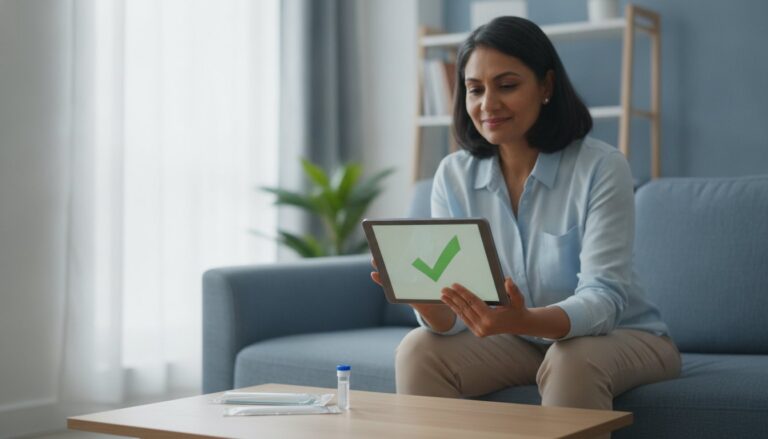
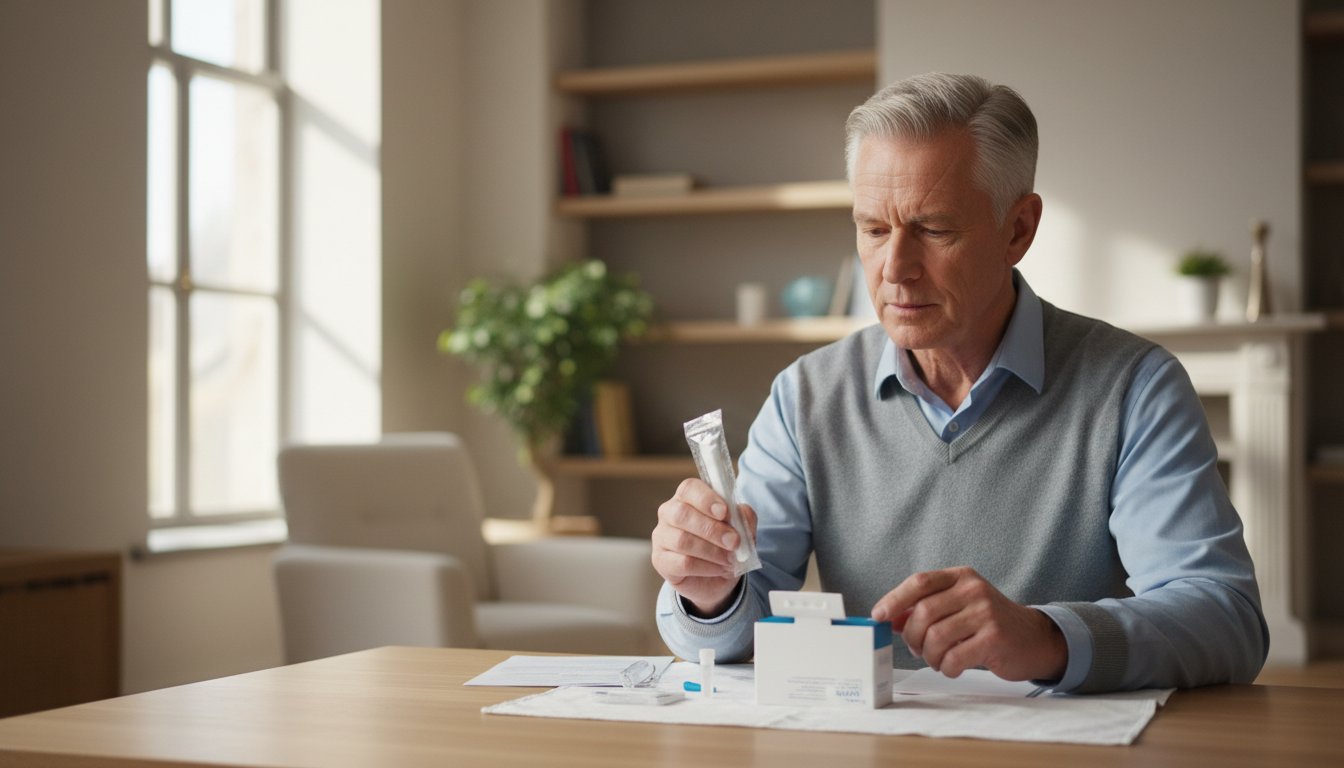
When you ask how accurate are home mrsa tests, it’s vital to understand that the “home” element refers only to where you collect the sample. The actual analysis happens in a controlled, professional clinical environment. These kits utilize the exact same medical-grade swabs and laboratory protocols found in NHS hospitals. By performing a professional-grade screening in your own private setting, you avoid the stress of a clinic visit without sacrificing clinical reliability. Most people use these tests to identify Methicillin-resistant Staphylococcus aureus (MRSA), a type of bacteria that has developed resistance to several widely used antibiotics. Because of this resistance, precision in the lab is the only way to ensure your safety and peace of mind.
The reliability of these tests isn’t based on guesswork. It’s driven by laboratory accreditation. When a sample is processed in a UKAS-accredited facility, it means the lab meets stringent national standards for competence and consistency. This ensures that the results you receive at home are just as dependable as those ordered by a GP or a surgeon. It’s a simple, managed process that puts expert diagnostics directly into your hands.
The Difference Between Home Collection and Home Testing
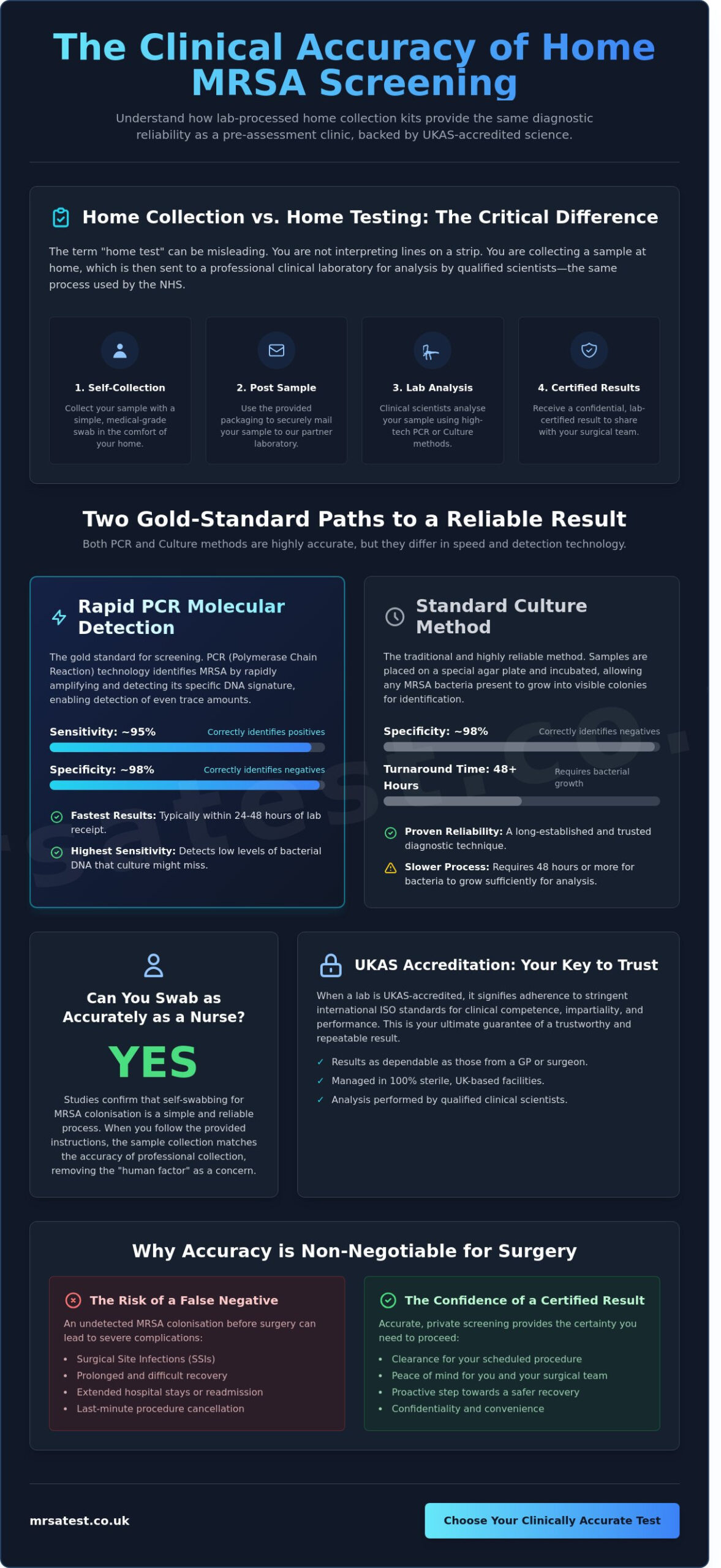
It’s a common mistake to confuse “home-read” tests, like a rapid lateral flow, with “home-collection” tests. Our process is strictly the latter. You won’t be left to interpret a faint line on a plastic strip. Instead, you send your samples to professional UK partner laboratories for a thorough analysis. This distinction is critical for accuracy. Results aren’t interpreted by the user but by qualified clinical scientists using specialized equipment.
- Clinical Scientists: Experts oversee every stage of the culture or PCR process.
- High Specificity: Professional lab analysis ensures the same high specificity as an NHS hospital screen.
- Regulated Environments: Samples are handled in sterile, 100% UK-based facilities to prevent contamination.
This professional oversight ensures that the question of how accurate are home mrsa tests is answered by data, not user error. You get the comfort of your own home with the certainty of a hospital-grade result.
Why Accuracy Matters for Pre-Surgery Screening
Accuracy is never more important than when you’re preparing for surgery. A false negative result isn’t just a clerical error; it’s a serious post-operative risk. If MRSA colonization is missed before an operation, it can lead to surgical site infections (SSIs). These complications are difficult to treat and can result in prolonged hospital stays or even emergency readmissions.
Hospitals require valid, certified results to clear patients for procedures. Private screening meets these rigorous hospital requirements when it’s lab-certified. It provides a confidential way to ensure you’re “clear” before your admission date. By using a trusted, accredited service, you’re taking a proactive step in your healthcare journey, ensuring that your recovery isn’t compromised by an undetected infection.
PCR vs. Culture: Comparing Accuracy and Detection Limits
When people ask how accurate are home mrsa tests, they’re usually looking for reassurance that a self-swab is as reliable as a hospital-administered test. The answer depends on the laboratory method used to process your sample. Accuracy in a clinical setting is measured by two key metrics: sensitivity and specificity. Sensitivity refers to the test’s ability to correctly identify those who have the bacteria, while specificity measures how well it identifies those who don’t. A high-quality test must balance both to ensure you don’t receive a false positive or, more importantly, a false negative.
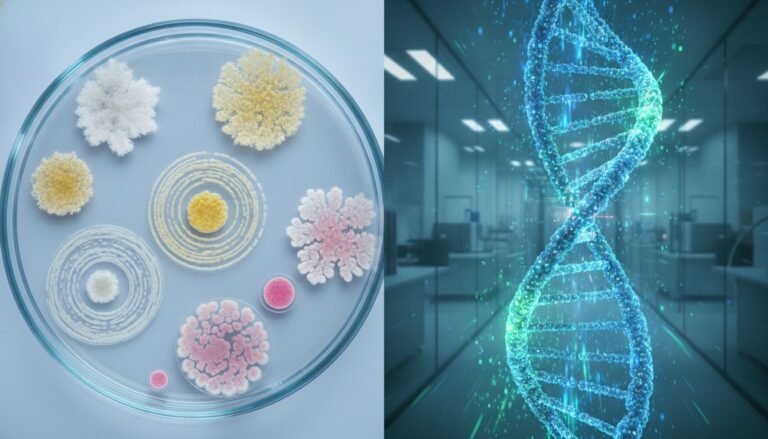
In the UK, two primary methods dominate the landscape: Rapid PCR (molecular) and Standard Culture (growth-based). While both are highly reliable, they function differently and offer different benefits depending on your timeline and the level of detail required. PCR is widely regarded as the gold standard for screening because of its 95% sensitivity rate, allowing it to detect even trace amounts of bacteria that other methods might miss.
Rapid PCR Molecular Detection
PCR, or Polymerase Chain Reaction, is a sophisticated molecular technique that identifies MRSA by looking for its specific DNA signature. Instead of waiting for bacteria to grow, the lab replicates the genetic material from your swab until it’s detectable. This process is incredibly efficient; you’ll usually receive your results within 24 hours of the sample arriving at our UKAS-accredited facility. Because it detects the mecA gene directly, it’s highly accurate for identifying low-level colonisation. This makes it the preferred choice for pre-operative screenings, where patients need a fast and definitive answer before a scheduled surgery date.
Standard MRSA Culture Testing
The standard culture test is the traditional approach to microbiology. It involves a 48 to 72 hour process where the lab places your sample in a controlled, nutrient-rich environment to see if bacterial colonies grow. While this method takes longer, it’s exceptionally reliable for confirming an active bacterial presence. The primary advantage of a culture test is the ability to perform “sensitivity testing.” If MRSA is found, scientists can expose the bacteria to different antibiotics to see which ones are most effective at killing it. This provides a detailed map of resistance patterns that doctors use to tailor treatment. For a deeper look at these technical differences, you can read our MRSA Culture vs. PCR comparison.
Determining how accurate are home mrsa tests often comes down to the quality of the lab and the speed of the technology. If you need a fast, clinical-grade result for peace of mind or hospital requirements, you can order a professional screening kit today and receive your results discreetly.
The “Human Factor”: Can You Swab as Accurately as a Nurse?
The most common concern for people considering a home kit is the fear of “doing it wrong.” You might worry that without years of clinical training, you’ll fail to collect enough bacteria for a valid result. This anxiety is understandable, but it’s largely unfounded. MRSA colonisation typically occurs in the anterior nares (the front of the nostrils), the groin, and the armpits. These areas are easily accessible, making self-swabbing a straightforward process that doesn’t require specialist medical equipment or invasive procedures.
When asking how accurate are home mrsa tests, it’s helpful to look at clinical data. A study published in the Journal of Clinical Microbiology compared patient-collected swabs to those taken by healthcare professionals. The results showed a high level of agreement, often reaching 90% to 100% concordance between the two groups. This suggests that with clear guidance, your sample is just as reliable as one taken in a clinic. Every kit we provide includes clinical-grade instructions to ensure you feel confident and supported throughout the process.
How to Ensure a High-Quality Sample
To get the best results, you’ll follow a simple routine. You’ll rotate the swab gently but firmly around the inside of both nostrils, then move to the skin folds of the groin and the axilla (armpit). If your kit uses a single swab for multiple sites, don’t worry; this is a clinically valid method designed to capture the presence of MRSA anywhere on your body’s primary reservoirs. Success relies on proper technique rather than medical expertise.
- Nose: Insert the tip about 1-2cm and rotate five times in each nostril.
- Groin: Rub the swab across the skin folds where moisture tends to collect.
- Axilla: Swipe the swab across the center of the armpit.
Swab saturation occurs when the tip of the applicator is visibly moistened or coated with enough biological material to ensure the laboratory has a viable quantity of cells to analyze.
Common Myths About Self-Swabbing Errors
A frequent myth is that you must go “deep” into the nasal cavity or throat to find MRSA. This isn’t true. MRSA is a colonising bacterium that lives on the surface of the skin and mucous membranes. There’s no need for discomfort; a firm wipe of the surface area is all that’s required to pick up the bacteria. You can’t “miss” the MRSA if it’s there, provided you follow the contact instructions.
Another concern is that a “bad swab” will lead to a false negative. In reality, our UKAS-accredited laboratory partners have strict quality controls. If a sample is truly insufficient, the lab will reject it as “untestable” rather than issuing an inaccurate result. This safety net ensures that when you receive your report, you can trust its findings. Testing from the comfort of your own home doesn’t mean sacrificing clinical rigour; it simply means removing the stress of a hospital visit.
Why UKAS-Accredited Laboratories Are the Key to Trust
Trust in medical testing isn’t accidental. It’s built through rigorous oversight and constant validation. The United Kingdom Accreditation Service (UKAS) is the sole national body appointed by the government to assess the competence of organizations providing testing and calibration services. When a laboratory holds UKAS accreditation, specifically the ISO 15189 standard for medical laboratories, it has proven that its staff, equipment, and processes meet the highest clinical benchmarks.
When patients ask how accurate are home mrsa tests, the answer depends almost entirely on the lab’s credentials. Cheap, unbranded kits sourced from international sellers often lack this level of scrutiny. These kits might use sub-standard reagents or fail to follow validated protocols. At mrsatest.co.uk, we exclusively partner with UK-based, accredited laboratories. This ensures every sample is processed using the same high-level technology and expertise you would expect from a hospital setting. It eliminates the guesswork and provides you with a result you can actually rely on.
The Journey of Your Sample
The reliability of your test starts the moment the swab leaves your home. We use a secure, discreet shipping process involving prepaid tracked postage to ensure your sample reaches the lab without delay. While some bacteria are fragile, MRSA is relatively hardy when stored correctly. Our kits include a specialized transport medium designed to maintain the stability of the sample. This ensures the bacteria remain viable for accurate detection for up to 72 hours. This controlled “chain of custody” means the sample arriving at the lab is in the same condition as when you took it, which is vital for maintaining high sensitivity in the results.
Confidentiality and Data Security
Privacy is a cornerstone of our service. We manage all personal information and test results in strict compliance with UK data protection laws and GDPR. You won’t have to worry about your data being shared with unauthorized third parties or insurance companies. Your results are delivered through a secure, private system, allowing you to review your health status in total confidence. If your test returns a positive result, it’s important to stay calm and informed. You can consult our complete guide to MRSA symptoms and risks to understand exactly what the result means and how to manage it effectively.
Ready to get started? Order your UKAS-accredited MRSA test kit for professional, clinical accuracy from the comfort of your home.
Choosing the Right MRSA Test for Your Needs
Deciding which screening method to use depends largely on your personal timeline and the requirements of your healthcare provider. Many patients ask how accurate are home mrsa tests compared to hospital screenings. When processed by a UKAS-accredited laboratory, home-collected samples provide the same clinical precision as those taken in a clinical setting. The primary difference isn’t the accuracy, but the convenience and privacy you experience by testing from the comfort of your own home.
Taking control of your health screening allows you to manage potential colonization before it becomes a hurdle for your medical procedures. By using professional-grade swabs and following clear instructions, you ensure the lab receives a high-quality sample for analysis. Whether you need an answer tomorrow or are planning for a procedure next month, there’s a specific kit designed for your situation.
When to Choose a Rapid PCR Kit
If your surgery date is scheduled within the next 3 to 5 days, speed is your priority. The PCR rapid test utilizes molecular detection to identify MRSA DNA directly from your sample. This method is highly sensitive and provides a definitive result within 24 hours of the lab receiving your kit. It’s the ideal choice for those who need fast, reliable confirmation to meet strict hospital deadlines. You can Buy MRSA Rapid PCR Test kits online to get your screening started immediately.
When to Choose a Standard Culture Kit
The culture test is the traditional gold standard for bacterial identification. It involves incubating your sample for 48 to 72 hours to monitor for bacterial growth. This kit is best for routine monitoring or when you have at least 7 days before a planned hospital admission. It’s a cost-effective solution for those who want to confirm their MRSA status without the urgency of an immediate surgery date. Choosing this path gives you peace of mind and ensures you’re prepared well in advance of your clinical appointments.
- Check your calendar to ensure your chosen test fits your surgery timeline.
- Follow the included instructions to swab the nose, throat, and skin folds correctly.
- Post your sample immediately using the provided discreet, pre-paid packaging.
- Ensure your contact details are correct to receive your secure, confidential results.
Understanding how accurate are home mrsa tests gives you the confidence to manage your health screening privately. Our service combines clinical expertise with a simple process, ensuring you stay informed and protected. By selecting the right kit today, you’re taking a proactive step toward a safer, smoother hospital experience.
Secure Your Peace of Mind with Clinical Accuracy
Understanding how accurate are home mrsa tests allows you to take control of your health with confidence. Clinical reliability depends on the combination of proper swabbing techniques and professional laboratory standards. When you use a kit processed by a UKAS-accredited laboratory, you’re accessing the same high-tier diagnostic power used in hospitals. PCR rapid testing options now provide molecular detection in as little as 24 hours, significantly reducing the waiting period compared to traditional culture methods. You don’t have to navigate this process alone; our 100% UK-based clinical support team is available to help interpret your findings and provide guidance. By following the simple instructions provided, you can achieve a professional-grade screening from the comfort of your own home. It’s a straightforward way to protect yourself and your family while ensuring your data remains completely confidential.
Order your professional MRSA home test kit today for fast, accurate results
Taking this step is a proactive way to manage your wellbeing, and we’re here to ensure the process is simple, fast, and entirely reliable.
Frequently Asked Questions
Is a home MRSA test as accurate as one done at a GP surgery?
Yes, home MRSA tests are just as accurate as those performed at a GP surgery because they use the same clinical laboratory standards. When you use a UKAS-accredited facility, you’re receiving the same level of diagnostic precision. People often ask how accurate are home mrsa tests compared to clinical settings, and the answer lies in the lab’s accreditation and the PCR or culture methods used to identify the bacteria.
Can I use a home MRSA test for hospital admission requirements?
You can often use a private home test for hospital admission, but you should confirm this with your specific surgical team first. Most NHS trusts require screening to be completed 14 to 28 days before an elective procedure. Providing a certified result from a UK-based lab can help streamline your pre-assessment process and ensure you’re ready for your scheduled surgery date without unnecessary delays.
What happens if my MRSA test result is positive?
If your result is positive, it means MRSA colonization was detected and you’ll need a decolonization treatment plan. This usually involves a 5-day regimen of chlorhexidine body wash and mupirocin nasal ointment. It’s a standard procedure designed to clear the bacteria from your skin and nostrils. You should contact your GP or the hospital to receive the necessary prescription and instructions for this 120-hour protocol.
How long do MRSA test results take when using a home kit?
You’ll typically receive your results within 24 to 72 hours after the laboratory receives your sample. If you choose an MRSA PCR rapid test, molecular detection can often provide a result in just 24 hours. Culture tests take slightly longer, usually around 3 days, as the lab needs time to grow the bacteria. This fast turnaround ensures you can take action quickly if treatment or hospital clearance is required.
What is the “window period” for MRSA detection?
MRSA doesn’t have a traditional window period like a viral infection; instead, the test detects if the bacteria are currently colonizing your skin. If you’ve recently completed a course of antibiotics, you should wait at least 48 hours before testing. This ensures the medication doesn’t temporarily suppress the bacteria, which could lead to an inaccurate reading of your current colonization status at the time of swabbing.
Can I get a false negative result with an at-home MRSA swab?
A false negative is possible if the swab doesn’t collect a sufficient sample of the bacteria from the skin’s surface. Research indicates that nasal swabs have a sensitivity of roughly 90%, meaning they can miss about 1 in 10 cases. To minimize this risk, follow the instructions carefully to ensure you’ve thoroughly coated the swab. Understanding how accurate are home mrsa tests involves recognizing that proper technique is vital for a reliable result.
Do I need to test my nose and groin for a valid result?
Yes, testing both the nose and the groin or throat is essential for the most reliable screening. Clinical data shows that adding a second swab site can increase the detection rate by 25% compared to testing the nostrils alone. Since MRSA colonizes different moist areas of the body, sampling multiple sites provides a more comprehensive and clinical picture of whether the bacteria are present on your skin.
How is the sample kept stable during return shipping to the lab?
Your sample is kept stable by a specialized transport medium, such as Amies gel, contained within the swab tube. This clinical-grade gel preserves the bacteria and keeps them viable for up to 48 hours during transit to the lab. We use discreet, secure packaging that meets UN3373 biological substance regulations, ensuring your sample remains protected and the results are clinically valid when they arrive for professional analysis.