MRSA Treatment Before Surgery: The Complete Patient Guide to Decolonisation
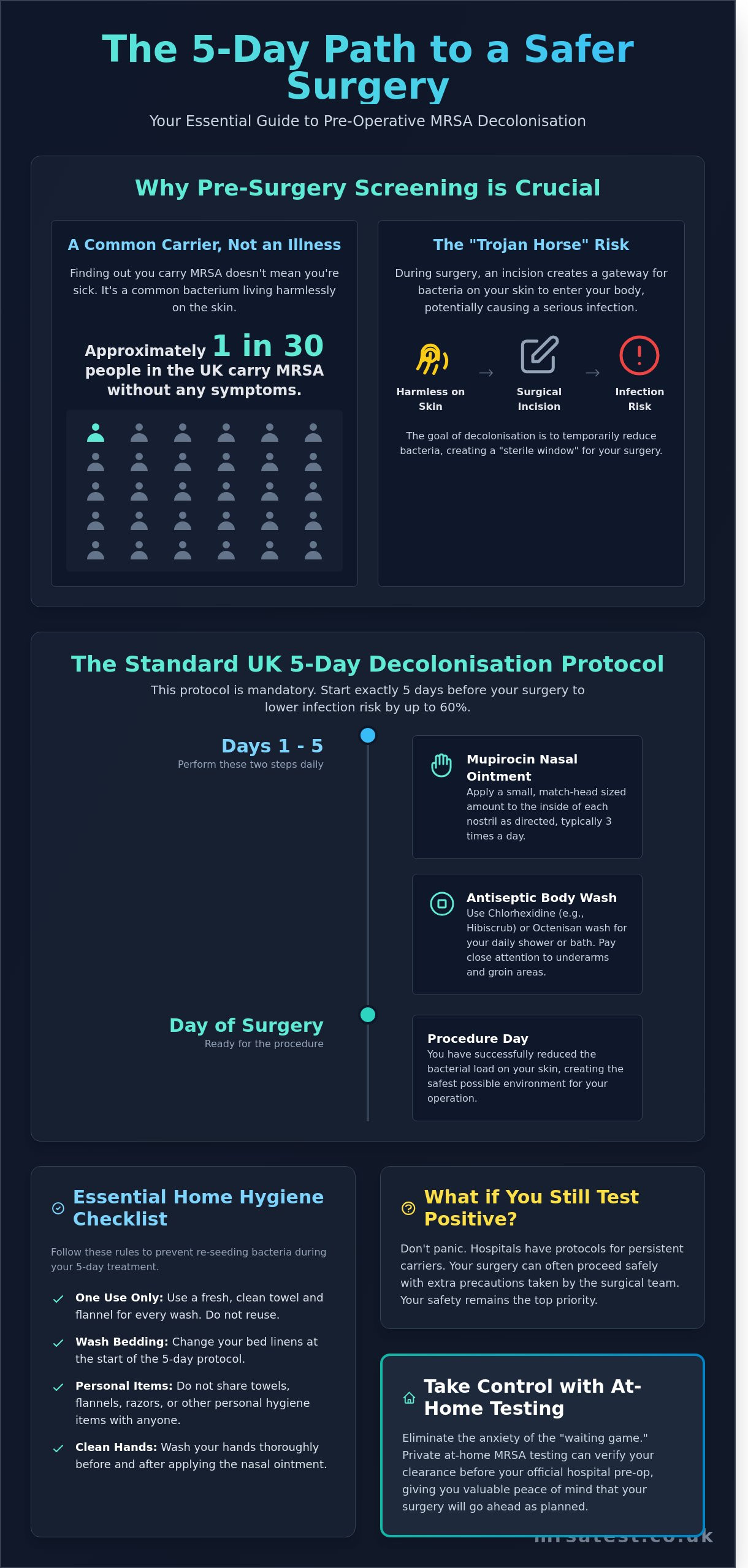
Imagine receiving a phone call just 48 hours before your scheduled procedure, only to be told your operation is postponed because of a positive swab result. It’s a stressful situation that leaves many patients feeling confused or even “unclean.” You aren’t alone; data from the NHS suggests that approximately 1 in 30 people in the UK carry MRSA on their skin without any symptoms at all. Finding out you need mrsa treatment before surgery doesn’t mean you’re ill, but it does mean taking specific steps to ensure your hospital stay is safe and successful.
We understand that the “wash and ointment” routine can feel overwhelming when you’re already anxious about an upcoming operation. This guide will show you exactly how the decolonisation process works, why it’s a vital safety measure for your recovery, and how to complete the 5-day protocol correctly. You’ll gain the confidence to manage your treatment at home and ensure you pass your pre-op screen so your surgery goes ahead without further delay. We’ll walk you through every step of the clinical routine, from applying nasal creams to the importance of using fresh towels every day.
Key Takeaways
- Understand why MRSA screening is mandatory and how harmless skin colonisation can pose a “Trojan Horse” risk during a surgical procedure.
- Master the standard UK 5-day mrsa treatment before surgery, including the precise application of Mupirocin nasal ointment and antiseptic body washes.
- Learn essential home hygiene protocols, such as the “one use only” rule for towels and flannels, to prevent re-seeding bacteria during decolonisation.
- Discover how hospitals manage persistent colonisation and the steps taken to ensure your surgery proceeds safely even if a follow-up test is positive.
- Find out how private at-home testing can eliminate the anxiety of the “waiting game” by verifying your clearance before your official hospital pre-op.
Why MRSA Screening and Treatment are Mandatory Before Surgery
Every year, thousands of patients across the United Kingdom undergo routine screening for Methicillin-resistant Staphylococcus aureus before entering the operating theatre. This process isn’t because you’re currently unwell. Instead, preparing for mrsa treatment before surgery is a critical safety protocol designed to protect you when you’re at your most vulnerable. According to NHS clinical guidelines, identifying carriers helps prevent deep-seated infections that are notoriously difficult to treat with standard antibiotics. It’s a proactive measure that ensures the surgical environment remains as safe as possible for everyone involved.
Colonisation Explained: You Aren’t “Ill”
Around 33% of the population carries Staphylococcus aureus on their skin or in their nose without showing any symptoms. When this specific strain becomes resistant to common antibiotics, it’s classified as MRSA. If you’re currently asking What is MRSA?, it’s essentially a common bacterium that’s adapted to survive traditional medical treatments. Being “MRSA positive” usually means you’re colonised, not infected. The bacteria simply “hitch a ride” on your skin. Your body’s natural defences keep it in check while your skin is intact, but the introduction of a surgical incision changes this balance completely.
Doctors often refer to MRSA as a “Trojan Horse.” While the bacteria are harmless on the surface, they can enter the body through the very incision meant to help you. Once inside, they bypass your primary physical barrier. In the controlled environment of an operating theatre, even a small bacterial load can lead to serious complications if it migrates from the skin into deeper tissues or the bloodstream.
Certain procedures carry much higher stakes than others. Orthopaedic surgeries, such as hip or knee replacements, and cardiac operations are particularly high-risk. If MRSA reaches a prosthetic joint or a heart valve, it can form a “biofilm.” This protective layer makes the bacteria nearly impossible for your immune system or standard antibiotics to reach. A 2022 clinical study indicated that surgical site infections can increase a patient’s hospital stay by an average of 11 days, significantly delaying recovery.
The stakes of an untreated colonisation are high. An MRSA infection can lead to life-threatening sepsis or complete prosthetic failure. For a patient, this might mean undergoing “revision surgery,” which is far more complex and requires a much longer recovery period. In the UK, the cost to the NHS for treating a single serious surgical site infection can exceed £10,500, but the personal cost to your long-term health and mobility is far more significant.
The Goal of Pre-Operative Decolonisation
The aim of a mrsa treatment before surgery programme isn’t to “cure” you of a disease, as you aren’t actually sick. Instead, the focus is on reducing the bacterial load on your skin to near-zero levels. This creates a “sterile window” that allows the surgical team to operate with minimal risk of contamination. Decolonisation is a temporary reduction of skin bacteria to prevent post-op infection. By following a strict protocol of antiseptic body washes and nasal creams for five days, you’re taking a vital step toward a complication-free recovery.
The Standard UK 5-Day Decolonisation Protocol
If your pre-operative screening indicates that you are a carrier of MRSA, your surgical team will initiate a specific preventive regimen. This mrsa treatment before surgery is a mandatory safety measure across the NHS, designed to lower the risk of surgical site infections by up to 60% in high-risk procedures. The programme is a rigorous five-day “wash and ointment” routine that targets the areas where the bacteria most commonly reside. By significantly reducing the bacterial load on your body, you provide your immune system and the surgical team with the best possible environment for a successful recovery.
The protocol relies on two primary components: Mupirocin nasal ointment and an antiseptic body wash such as Chlorhexidine (Hibiscrub) or Octenisan. Following the UK Decolonisation Protocol is not just about personal hygiene; it’s a clinical intervention. Timing is the most critical factor here. You must start the treatment exactly five days before your scheduled surgery. Starting too early allows the bacteria time to recolonise your skin, while starting too late means the antimicrobial agents won’t have enough time to reach maximum efficacy. If you need to confirm your status before your hospital appointment, you can order a discreet home test kit to manage your preparation from the comfort of your own home.
Step 1: Nasal Ointment Application
The inside of the nose is the primary reservoir for MRSA. To eliminate the bacteria here, you’ll use Mupirocin 2% ointment, often known by the brand name Bactroban. You should apply a small amount, roughly the size of a matchstick head, to the inner surface of each nostril three times a day. After application, use your thumb and forefinger to squeeze the sides of your nose together and massage gently. This action ensures the ointment is distributed thoroughly across the nasal lining. A common mistake is using a large “glob” of ointment, which is unnecessary and can be uncomfortable. Consistency is key; skipping even a single dose can allow the bacterial colony to begin recovering.
Step 2: The Antimicrobial Body Wash
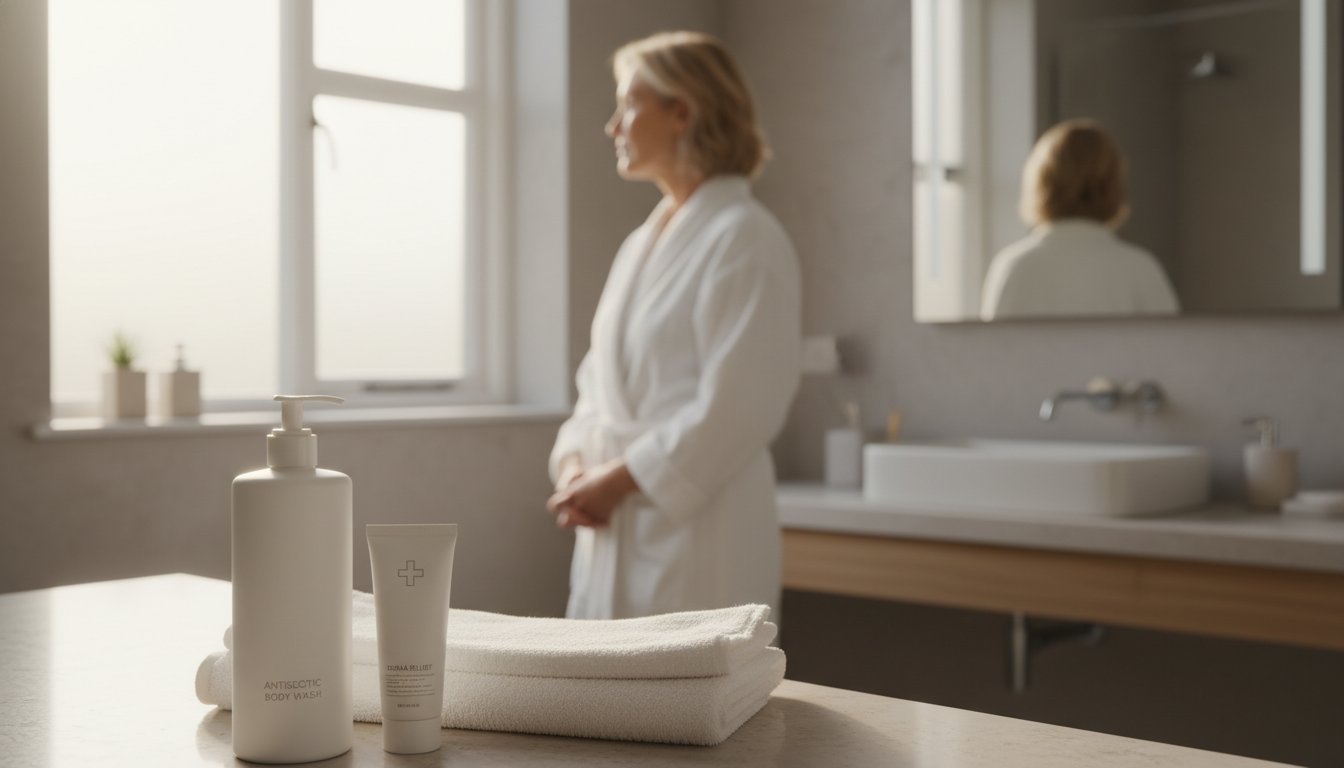
While the ointment handles the nose, the body wash addresses the skin. Whether you’re prescribed Chlorhexidine or a gentler alternative like Octenisan, the application process remains the same. You must use the wash daily for the full five-day duration. Unlike standard shower gel, these medical washes require “contact time” to work. You should apply the solution to wet skin, lather it well, and then leave it on for at least 3 minutes (180 seconds) before rinsing. This duration is essential for the active ingredients to penetrate the biofilm of the bacteria. Pay particular attention to these areas:
- The Armpits: A frequent site for bacterial growth due to moisture.
- The Groin and Perineum: High-density areas for skin colonisation.
- The Navel: Often overlooked, the belly button can harbour significant bacterial counts.
You’ll also need to wash your hair with the antimicrobial solution twice during the five-day period, typically on day one and day five. Avoid using your regular hair conditioner or skin lotions immediately after washing, as these can sometimes interfere with the antiseptic film left on the skin. Use fresh towels and put on clean clothes after every wash to prevent re-contamination from older fabrics. This disciplined approach ensures that your mrsa treatment before surgery is as effective as possible, providing you with a safe path through your upcoming procedure.
Managing the Routine: A Practical Home Hygiene Checklist
Completing your prescribed decolonisation programme is a vital step, but clinical washes alone aren’t a magic bullet. If your home environment continues to harbour bacteria, you risk “re-seeding” your skin immediately after bathing. This cycle of re-contamination can compromise your mrsa treatment before surgery and increase the risk of a post-operative infection. To prevent this, you must treat your home with the same clinical discipline as your skin preparation.
The most common fail point in home decolonisation is the reuse of towels and flannels. Bacteria thrive in damp, fibrous materials. During your five day treatment window, you should adopt a “one use only” rule for any item that touches your skin. Once a towel has been used to dry your body, it must go directly into the laundry. Using the same towel twice effectively wipes the bacteria you just removed back onto your clean skin.
Clothing and bedding require similar attention. You spend roughly eight hours a night in direct contact with your sheets, making them a primary reservoir for shed skin cells and bacteria. You must change your pillowcases and bed sheets daily during the treatment period. Focus specifically on “next-to-skin” items like underwear, t-shirts, and pyjamas. These must be fresh every morning to ensure you remain in a low-bacteria state leading up to your hospital admission.
Don’t forget the roles that family members and pets play in your home ecosystem. While they don’t need to use the antiseptic washes unless specifically told by a doctor, they should practice rigorous hand hygiene. Pets can carry MRSA on their fur without showing any symptoms. It’s best to keep pets off your bed and sofas during the five days of your treatment to maintain a controlled environment.
The “Clean Zone” Strategy
Your bathroom should be the starting point for your hygiene overhaul. Dispose of any porous items like sponges, loofahs, or wooden nail brushes, as these cannot be effectively disinfected. Switch to using freshly laundered flannels or disposable wipes for the duration of your mrsa treatment before surgery. This ensures you aren’t scrubbing bacteria into your pores with an old cleaning tool.
Laundry management is equally critical for success. All towels, bedding, and clothing must be washed at a minimum of 60°C to effectively kill antibiotic-resistant strains. Lower temperatures may clean the fabric but won’t reliably eliminate the colonisation. Scientific studies have shown that MRSA can survive on soft surfaces like cushions or polyester fabrics for up to 56 days if they aren’t laundered correctly at high temperatures.
Skin Care During Treatment
The standard 4% Chlorhexidine gluconate wash used in UK hospitals is highly effective, but it can be harsh on the skin. It’s common to experience some dryness or a tight sensation after five days of use. If you need to hydrate your skin, you must choose your products carefully. Only use oil-free moisturisers, as oil-based lotions can create a barrier that prevents the antiseptic from binding to your skin cells properly.
While minor dryness is expected, you should monitor your skin for more significant reactions. If you develop a bright red rash, intense itching, or any skin peeling, stop using the wash immediately. Contact your pre-op nurse or the hospital’s infection control team for advice. Roughly 2% of patients experience sensitivity to these washes, and your surgical team can provide an alternative antiseptic if your skin reacts poorly.
It’s crucial to distinguish this type of pre-operative skin preparation from cosmetic treatments. For instance, while a system like the Skin Culture Home Skin Peel is designed for deep exfoliation and skin renewal, it is a process that should only be considered well after you have fully recovered from surgery and with a doctor’s approval. Before your operation, the sole focus must be on the gentle, antiseptic cleansing prescribed by your medical team.
What Happens if You Still Test Positive for MRSA?
If your follow-up swab returns a positive result, doctors call this persistent colonisation. It’s a common scenario that affects approximately 15% of patients after their first decolonisation cycle. A positive test doesn’t automatically mean your operation is cancelled. Instead, the clinical team shifts their focus from total eradication to risk management and containment. They’ll assess the urgency of your procedure alongside the specific risks of the surgery you’re undergoing.
The hospital’s decision-making process is methodical. For urgent or life-saving procedures, the surgery almost always goes ahead with enhanced safeguards. For elective procedures, such as a hip replacement or cataract surgery, the surgeon might choose to delay the date to allow for a second, more intensive mrsa treatment before surgery. This often involves a 10-day extended protocol or the use of alternative antiseptic washes like Octenisan if the initial brand didn’t work for your skin type.
Why Treatment Might Fail
Treatment failure is rarely the fault of the patient, but small technical errors can allow bacteria to survive. Clinical audits show that 12% of patients struggle to apply nasal ointment correctly to the inner vestibule of the nose. If the ointment doesn’t reach the back of the nostril, the MRSA reservoir remains intact. Environmental factors are also a major hurdle. MRSA can survive on unwashed bedding or bathroom towels for several weeks; if these aren’t changed daily during your wash cycle, you’re simply reapplying the bacteria to your skin. In about 2.6% of UK cases, the specific strain of MRSA may also show a natural resistance to Mupirocin, the standard antibiotic ointment used in most kits.
This challenge of antibiotic resistance is why the scientific community is actively researching new antimicrobial agents, including novel peptides. For those in the medical research field, sourcing high-purity compounds is crucial for developing future treatments, and specialist suppliers such as Peptide Research AU play a vital role in facilitating these studies.
Surgical Precautions for MRSA-Positive Patients
If you’re still positive on the day of your operation, the hospital implements a strict “theatre protocol” to protect you and other patients. You’ll usually be placed at the end of the surgical list. This allows the cleaning team to perform a terminal deep clean of the operating theatre once your procedure is finished without delaying other patients. You won’t be “rushed” through; the care remains the same, but the scheduling changes for safety.
- Intravenous Antibiotics: You’ll receive specific IV antibiotics, usually Teicoplanin or Vancomycin, approximately 30 to 60 minutes before the first incision. These provide systemic protection that standard surgical antibiotics don’t offer.
- Isolation Protocols: After the procedure, you’ll likely be recovered in a side room or a dedicated isolation bay rather than a general 6-bed ward to prevent cross-contamination.
- Enhanced Barrier Nursing: Staff will wear disposable gloves and aprons whenever they provide direct care or change your dressings.
While a persistent positive result feels frustrating, the medical team has clear, evidence-based pathways to keep you safe. The goal of your mrsa treatment before surgery is to reduce the “bacterial load” as much as possible, even if it isn’t zero. Lowering the number of bacteria on your skin significantly reduces the chance of a post-operative wound infection. If you want to ensure your home environment is clear before your next swab, you can order a professional MRSA screening kit to check your status with clinical accuracy.
In many cases, a second round of treatment with a different antiseptic agent is all that’s required to achieve a clear result. Your surgical team will guide you through the specific secondary protocol they prefer, which might include specific laundry instructions for your clothing and linens at 60°C to kill any remaining spores.
Taking Control: Private MRSA Testing for Peace of Mind
Preparing for an operation is often a period of high stress. For many, the most significant source of anxiety isn’t the procedure itself, but the “waiting game” associated with hospital protocols. While the NHS provides vital screening, their results often arrive just days, or sometimes hours, before you’re due in theatre. If you’ve already completed a mrsa treatment before surgery, the uncertainty of whether it worked can be overwhelming. Data suggests that around 15% of patients experience significant anxiety regarding hospital-acquired infections, and a positive result on the day of your surgery usually means an immediate cancellation. This leads to months of further delays and emotional distress.
Private at-home testing allows you to step out of this cycle of uncertainty. By verifying your clearance independently, you gain the ability to confirm your decolonisation was successful well before you arrive at the hospital. This proactive approach ensures that you aren’t left wondering if a hidden colony of bacteria will derail your recovery. Most patients find that testing 10 to 14 days before their admission date provides the perfect window to take corrective action if required, rather than discovering a problem when it’s too late to fix it.
The Benefits of PCR Rapid Testing
When time is short, the method of testing matters. Traditional culture tests involve growing bacteria in a lab, a process that typically takes 72 hours. This three-day wait is often too long when your surgery date is fast approaching. In contrast, the MRSA PCR rapid test option uses molecular detection to identify bacterial DNA. This technology provides results in just 24 hours after the sample reaches our lab. It’s a faster, highly precise way to gain clarity.
- Molecular detection identifies MRSA DNA in 24 hours rather than 3 days.
- Rapid turnaround is essential if your hospital admission is less than a week away.
- Test for MRSA from the comfort of your own home to ensure your decolonisation was successful.
- Early detection gives you a 5-day window to repeat decolonisation protocols if necessary.
Ordering Your Discreet Home Kit
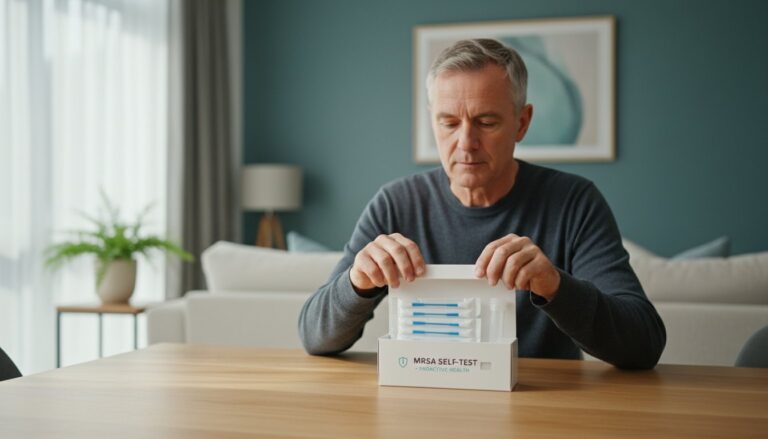
Taking a sample is a simple, non-invasive process. Each kit includes clear instructions for swabbing the nose and groin area, which are the primary sites for MRSA colonisation. Once you’ve collected your samples, they’re sent directly to a UKAS-accredited laboratory. This accreditation is vital; it means your samples are processed to the same rigorous surgical-grade standards used by the NHS and private healthcare providers across the United Kingdom. Your results are handled with total discretion and delivered to you privately via a secure digital platform.
Having your own lab report changes the dynamic of your pre-op assessment. Instead of being a passive participant, you can have a proactive conversation with your surgeon. If you’ve already confirmed you’re clear, you can provide documented proof to the surgical team, reducing the chance of administrative errors or lost hospital swabs. Order your confidential MRSA test kit today to ensure your surgery stays on track and you can focus entirely on your recovery. Taking this step means you aren’t just hoping for a safe surgery; you’re actively ensuring it. It’s a small investment for the certainty that your mrsa treatment before surgery has been effective and that you’re ready for the operating table.
Secure Your Surgical Date with Confidence
Preparing for an operation is a significant milestone, and managing your skin health is a vital part of that journey. Following the UK 5-day decolonisation protocol carefully ensures you’ve minimised the risk of carrying bacteria into the operating theatre. It’s a simple process of antiseptic washes and nasal treatments that protects both you and the clinical environment.
Understanding the steps for mrsa treatment before surgery helps you feel prepared and in control. If you’re worried about potential delays or want to verify your status privately, we provide a professional alternative to hospital-led screening. Our UKAS-accredited partner laboratory ensures every sample is processed to the highest clinical standards. We deliver your kit in discreet, plain packaging to protect your privacy. If time is a factor, our rapid PCR testing provides results in just 24 hours. This clinical accuracy gives you the peace of mind you need to focus on your recovery.
Ensure your surgery goes ahead-order your fast, private MRSA test kit now
You’re taking the right steps to ensure a safe and successful procedure.
Frequently Asked Questions
Will my surgery be cancelled if I test positive for MRSA?
Your surgery is unlikely to be cancelled, but it might be postponed for 5 days to complete a decolonisation course. Hospitals in the UK routinely screen patients to prevent surgical site infections, which affect roughly 1 in 20 surgical patients. If you test positive, your surgical team will usually delay elective procedures until you’ve finished your mrsa treatment before surgery to ensure your safety and reduce the risk of post-operative complications.
How long does MRSA treatment before surgery take to work?
A standard decolonisation programme lasts for 5 consecutive days. This timeframe is the clinical gold standard used by UK hospitals to reduce the bacterial load on your skin and in your nose. During these 120 hours, you’ll use a prescribed antiseptic body wash once daily and apply an antibiotic nasal ointment 3 times a day. Following this specific 5-day protocol ensures the treatment is effective before your scheduled procedure.
Do I need to treat my family members for MRSA too?
You don’t normally need to treat family members unless they’re also undergoing surgery or have open wounds. Around 3% of the UK population carries MRSA without knowing it. While the bacteria can spread through close contact, decolonisation is specifically targeted at the patient to prevent infection during invasive procedures. If a family member works in healthcare or is immunocompromised, your GP might suggest they also take a screening test.
Can I use my own soap and shampoo during the decolonisation programme?
You should avoid using your regular soaps, shampoos, or deodorants during the 5-day treatment period. These products can interfere with the antiseptic properties of the prescribed wash, such as 4% Chlorhexidine or Octenisan. To ensure the treatment works, use the medicated wash for your hair and body. You can apply a fragrance-free moisturiser if your skin feels dry, but wait at least 60 minutes after washing so the antiseptic remains active.
What are the side effects of the MRSA decolonisation wash and ointment?
Most patients experience no side effects, though roughly 5% might notice mild skin dryness or a slight tingling in the nostrils. If you develop a visible rash or significant redness, stop the treatment and contact your hospital’s pre-assessment clinic immediately. These reactions are rare. Most people find the 5-day course comfortable when they follow the instructions provided with their UK-prescribed decolonisation kit.
Is MRSA treatment before surgery effective for everyone?
While mrsa treatment before surgery is highly effective, it successfully clears the bacteria in about 70% of cases after one 5-day course. Some patients might require a second round of decolonisation if their follow-up swab remains positive. Factors like chronic skin conditions or long-term catheter use can make the bacteria harder to shift. Your surgical team will monitor your results to decide if additional steps are necessary.
Can I still have surgery if I have a current MRSA skin infection?
Elective surgery is typically delayed until a symptomatic MRSA skin infection, such as an abscess or boil, has completely healed. If your surgery is an emergency, the clinical team will proceed while using intravenous antibiotics like Vancomycin to manage the risk. For planned procedures, surgeons wait for a clear skin surface and negative swabs to prevent the bacteria from entering the surgical site, which significantly reduces the risk of sepsis.
What happens if I miss a dose of my nasal ointment?
Apply the missed dose as soon as you remember, unless it’s nearly time for your next scheduled application. Don’t double the amount of ointment to make up for a missed dose. Maintaining the 3-times-daily schedule is important for keeping the bacterial levels low in your nasal passages. If you miss more than 2 doses in the 5-day period, inform your pre-operative nurse, as they might advise extending the treatment by an extra day.