Can I Do My Own MRSA Swab? A Guide to Safe At-Home Screening
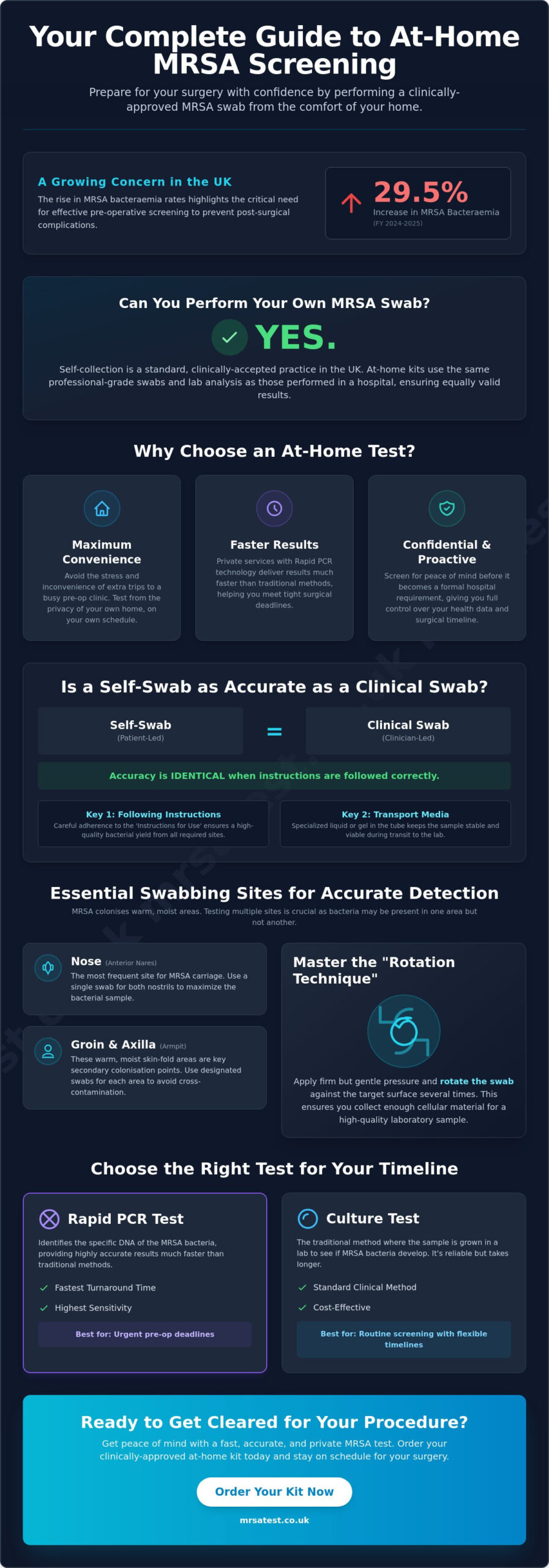
Did you know that MRSA bacteraemia rates in the UK increased by 29.5% in the 2024 to 2025 financial year? This significant rise explains why hospitals are increasingly vigilant about pre-operative screening. If you’re preparing for an upcoming procedure, the pressure to get cleared on time can feel overwhelming. You might find yourself asking, can i do my own mrsa swab to avoid the inconvenience of a pre-op clinic? It’s a common concern, especially when you want to ensure your surgery stays on schedule while maintaining your personal privacy.
We understand that the thought of self-testing can cause some anxiety, but the process is straightforward and clinically reliable. You can perform a professional-grade MRSA screening from the comfort of your home using the same validated techniques used by healthcare providers. This guide provides the clear, step-by-step instructions you need to collect samples from the nose, groin, or axilla with total confidence. We’ll explain how to use rapid PCR or culture tests to get the fast, accurate results required by your hospital, giving you peace of mind before your procedure.
Key Takeaways
- Learn why self-swabbing is a clinically accepted and standard practice in the UK for pre-operative screening.
- Find the definitive answer to “can i do my own mrsa swab” and discover how modern medical swabs are engineered to capture accurate samples every time.
- Understand why testing multiple sites like the nose, groin, and axilla is essential for detecting colonisation in areas where bacteria typically reside.
- Master the “Rotation Technique” to ensure you apply the correct pressure and coverage for a high-quality laboratory sample.
- Compare the benefits of Rapid PCR versus Culture testing to choose the right kit based on your surgery timeline and urgency.
Can You Perform Your Own MRSA Swab? Accuracy and Clinical Validity
If you’re asking, can i do my own mrsa swab, the answer is a definitive yes. In the UK, self-collection for Methicillin-resistant Staphylococcus aureus (MRSA) is a standard and clinically accepted practice. Hospitals frequently use this method to streamline pre-operative pathways, allowing patients to complete their screening without an extra trip to a busy clinic. The swabs you use at home are identical to those used in a hospital setting. When sent to a UKAS-accredited laboratory, the results carry the same clinical weight as those collected by a nurse.
It’s helpful to understand what the test is looking for. Swabbing identifies both colonisation and active infection. Colonisation means the bacteria live on your skin or in your nose without causing harm, while an infection occurs if the bacteria enter the body through a cut or surgical site. Identifying colonisation before surgery is vital for preventing complications later. Because of this, hospitals increasingly rely on postal screening kits to manage patient flow efficiently and safely.
Is a Self-Swab as Accurate as a Clinical Swab?
Clinical data consistently shows that patient-led collection is just as accurate as clinician-led swabbing. The key to this accuracy lies in following the provided ‘Instructions for Use’ carefully. These guidelines ensure you achieve a high-quality bacterial yield from the required sites. Additionally, the collection tubes contain specialized transport media. This liquid or gel keeps the sample stable during transit. This ensures the bacteria remain viable for laboratory analysis once they arrive at the facility, maintaining the integrity of your results.
Why Choose a Private MRSA Swab Over NHS Screening?
Choosing a private screening option offers several logistical advantages. Many patients prefer this route to avoid the inconvenience of multiple hospital visits before a scheduled procedure. If you’re on a tight deadline, private services often provide faster turnaround times, especially when utilizing Rapid PCR technology. This method identifies bacterial DNA much faster than traditional culture methods. Testing privately also provides a layer of confidentiality. You can screen for peace of mind before it even becomes a formal hospital requirement, giving you control over your health data and surgical timeline. When wondering, can i do my own mrsa swab, you should feel confident that self-testing is a safe, professional, and efficient choice.
Understanding the Swabbing Sites: Nose, Groin, and Axilla
When you ask, can i do my own mrsa swab, it’s important to understand why specific areas of your body are targeted for screening. MRSA is an opportunistic bacterium that thrives in warm, moist environments. These regions provide the ideal conditions for the bacteria to colonise without causing immediate symptoms. By sampling these “hiding places,” clinicians can accurately determine if you’re a carrier before you enter a sterile surgical environment.
The clinical necessity of testing multiple sites cannot be overstated. Relying on a single sample point significantly reduces the detection rate, as the bacteria may be present in the groin but not the nose, or vice versa. Most pre-operative protocols require either a 2-site screen (Nose and Groin) or a more comprehensive 3-site screen (Nose, Groin, and Axilla). The 3-site approach is often preferred for high-risk surgeries to ensure maximum patient safety. To maintain the integrity of your results, you must use the designated swabs for each specific area and avoid cross-contaminating the samples.
Standardized MRSA Tests are designed to be thorough yet non-invasive. If you’re unsure which screening level your hospital requires, you can browse our range of at-home MRSA testing kits to find the configuration that matches your clinical paperwork.
The Nose: The Primary Reservoir for Staphylococcus Aureus
The anterior nares, or the front part of the nostrils, are the most frequent site for MRSA carriage. This mucosal lining provides a stable environment for the bacteria to reside. To collect a valid sample, you’ll need to rotate the swab firmly against the inside of the nostril to capture enough material. Both nostrils are sampled using a single swab to maximise the bacterial load collected for the laboratory.
The Groin and Axilla: Secondary Colonisation Points
Skin-to-skin contact areas are secondary hubs for bacterial growth. In the groin, the skin crease where the leg meets the torso is the primary focus. You should apply steady pressure while swabbing this fold to ensure the tip makes full contact with the skin surface. The axilla, or armpit, is another common colonisation point due to its moisture levels. Hospitals often request axilla swabs for comprehensive checks because bacteria in this area can easily be transferred to the chest or arms during or after a procedure. Using a systematic approach for each site ensures your self-collected sample meets the highest clinical standards.
DIY Swabbing vs. Healthcare Professional Collection: Addressing Concerns
The most frequent question patients ask is, “can i do my own mrsa swab without making a mistake?” This hesitation is natural. Many people worry they won’t collect enough bacteria to produce a valid result. However, modern medical swabs are specifically engineered for this purpose. Unlike standard cotton buds, clinical swabs use advanced materials designed for maximum absorption and efficient release of the sample once it reaches the laboratory. This technology ensures that even a standard swabbing motion captures enough material for a definitive analysis.
Performing the test at home also offers a psychological advantage. In a busy, high-pressure clinic, patients often feel rushed. At home, you can take the time to read the instructions and perform the collection in a relaxed, private environment. This focus typically leads to better adherence to the protocol than a hurried session in a hospital waiting room. While laboratories can identify an “insufficient sample,” this outcome is exceptionally rare when the provided guidance is followed. The process is built to be robust, ensuring that your surgical timeline isn’t delayed by collection errors.
Common Mistakes to Avoid During Self-Collection
To maintain the integrity of your screening, pay close attention to hygiene. Avoid touching the swab tip with your fingers or allowing it to brush against surfaces like countertops or clothing. These actions can introduce outside contaminants that interfere with the test. Once the sample is collected, label the tubes immediately. A common error is leaving the labelling until later, which can lead to confusion if you’re using multiple swabs. Finally, ensure the cap is secured tightly. A loose cap can cause the transport media to leak or the sample to dry out before it reaches the lab.
The Role of Accredited Laboratories in Sample Validation
Every sample sent to a UKAS-accredited laboratory undergoes a rigorous validation process. Technicians first verify the integrity of the sample and the container. If you’ve chosen a PCR-based test, the laboratory uses molecular technology to “amplify” even microscopic amounts of bacterial DNA. This means the test is sensitive enough to detect MRSA even if the initial load on the swab was small. For culture-based tests, the lab provides the ideal nutrients for any bacteria present to grow, making them visible for identification. This professional oversight ensures that you can achieve hospital-grade results from home. When you ask, can i do my own mrsa swab, you can be certain that the laboratory’s advanced systems are designed to support your success.
Step-by-Step Guide to Taking an Accurate MRSA Sample at Home
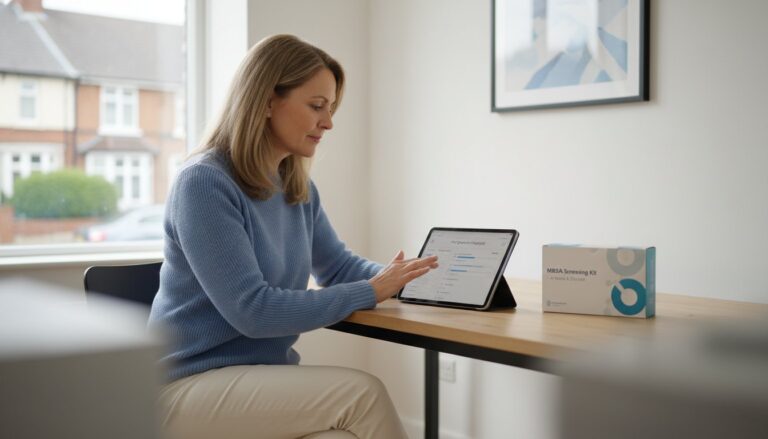
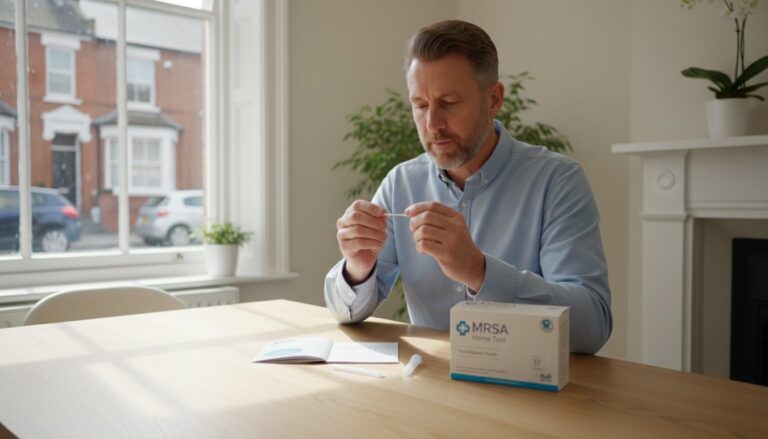
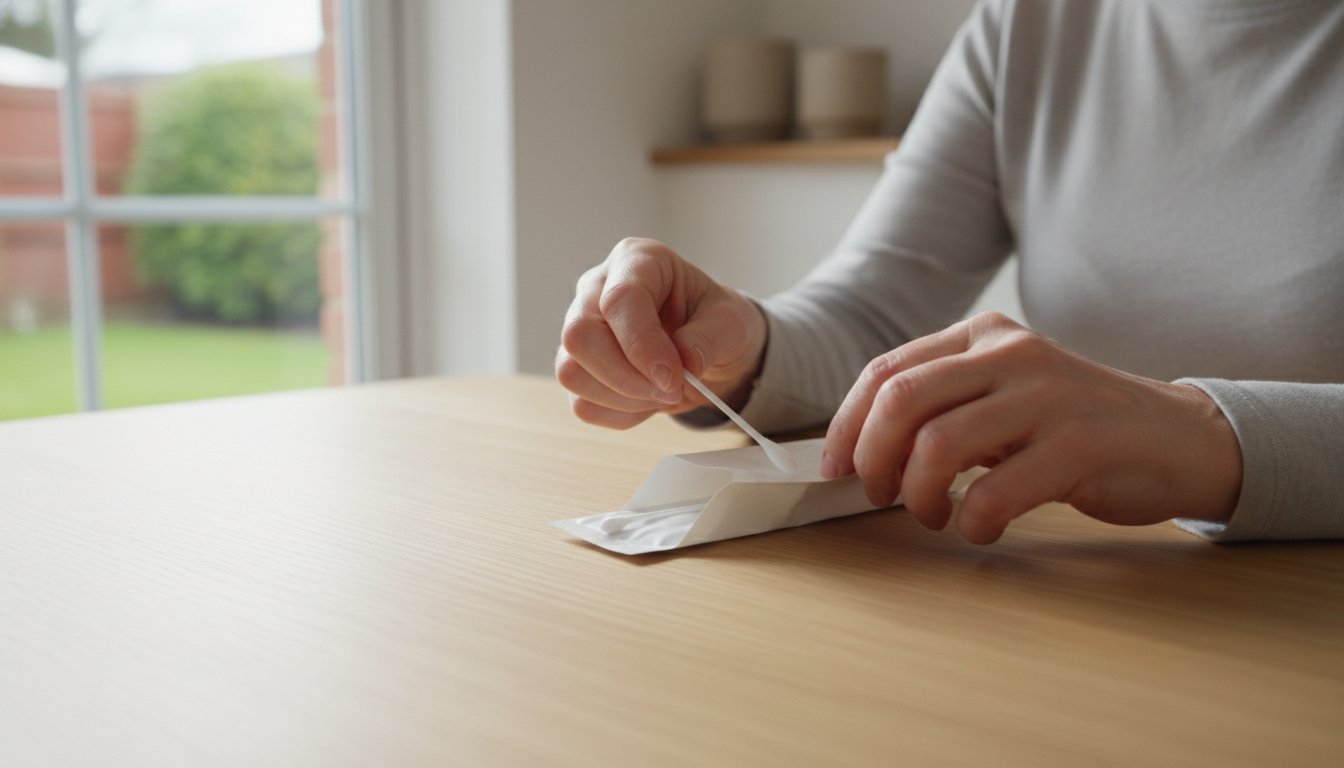
When people ask, can i do my own mrsa swab, they often want a clear protocol to follow. Accuracy begins before you even open the kit. Start by washing your hands thoroughly with soap and water and drying them with a clean towel. Clear a small area on a table or desk to act as your workspace. Ensuring your environment is free from contaminants is the first step toward a valid result. Once you’re ready, carefully unpack the contents, making sure the swab tips don’t touch any surfaces.
The “Rotation Technique” is the industry standard for capturing a high bacterial load. You should apply firm but gentle pressure, rotating the swab at least five times against the skin or mucosal lining. This ensures the engineered fibers of the swab tip absorb the necessary material. Follow the “Single Swab” rule: use one swab for both nostrils, but always use separate, fresh swabs for the groin or axilla as directed by your specific kit instructions. Ready to begin? You can order your MRSA screening kit online today to start the process.
After collection, immediately insert the swab into the plastic tube. This tube contains transport media, usually a gel or liquid, which is vital for sample preservation. It keeps the bacteria stable during its journey to the laboratory. Secure the cap tightly until you hear or feel it click. Finally, complete the included lab request form. In 2026, all our kits include prepaid tracked return packaging to ensure your sample reaches our UK facility as quickly as possible.
Preparing Your Kit for Return
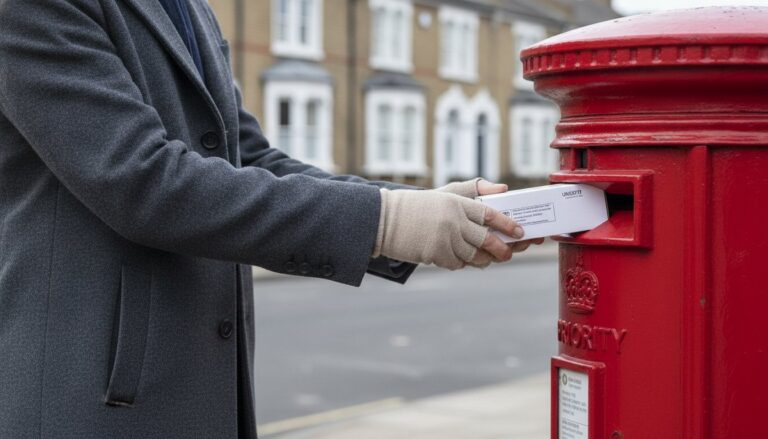
Precision in documentation is just as important as the swabbing itself. Double-check that the name and date of birth written on the tube labels match the information on your lab request form exactly. Discrepancies can lead to laboratory delays. We recommend posting your sample on the same day you take it to maintain the highest clinical integrity. To avoid the sample sitting in a sorting office, try to post between Monday and Thursday. Avoid posting on a Saturday or immediately before a Bank Holiday.
What to Expect After Posting Your Swabs
Once you drop your kit into a post box, it travels directly to our accredited UK laboratory. Our team monitors these shipments to ensure they’re processed immediately upon arrival. You’ll receive a notification via email or SMS as soon as your results are ready. A “Negative” result means that MRSA was not detected at the sampled sites. This result is typically what your surgical team requires to clear you for your upcoming procedure. If you’ve used a Rapid PCR test, this confirmation often arrives within 24 to 48 hours of the lab receiving your sample.
Choosing the Right Private MRSA Test Kit for Your Needs
Selecting the right screening tool is the final step in managing your pre-operative preparation. Once you understand that the answer to can i do my own mrsa swab is a professional “yes,” you must decide which laboratory method suits your specific timeline. Your hospital might request a 2-site or 3-site screen, but the choice between Culture and PCR testing often depends on how quickly you need your results. At mrsatest.co.uk, we provide flexible options including both the MRSA Culture and MRSA Rapid PCR tests for the Nose/Groin or Nose/Groin/Axilla. Using verified laboratory partners based in the UK ensures your samples are handled with the discretion and clinical precision you expect.
By selecting the kit that aligns with your surgical deadline, you can eliminate the stress of potential delays. Whether you opt for the standard culture or the rapid PCR, you’re choosing a path that prioritizes your convenience without compromising on clinical accuracy. This professional approach to at-home testing empowers you to meet hospital requirements on your own terms, providing the documentation needed for a smooth admission process.
MRSA Culture Test: The Reliable Standard
The culture method is the traditional approach to MRSA screening. In the laboratory, technicians place your sample onto a specialized growth medium designed to encourage the multiplication of Staphylococcus aureus bacteria. This process typically takes between 48 and 72 hours to yield a definitive result. Because it relies on natural bacterial growth over a period of days, it’s the most cost-effective option for routine screening. This method is ideal for patients who have at least a week before their scheduled hospital admission, providing a reliable clearance at a lower price point.
MRSA Rapid PCR Test: When Speed is Critical
If your surgery is scheduled for the coming days, the MRSA Rapid PCR Test is the preferred choice. PCR, or Polymerase Chain Reaction, is a sophisticated molecular technique that identifies the specific DNA sequences of MRSA. Instead of waiting for bacteria to grow in a lab, the technicians “amplify” the genetic material present on the swab. This allows for identification in as little as 24 hours after the sample reaches the facility. Beyond speed, PCR offers higher sensitivity. It can detect very low levels of colonisation that might be missed by traditional culture methods. This makes it a vital tool for urgent clearances or high-risk procedures where total certainty is required within a tight timeframe.
Secure Your Surgical Timeline with Confidence
Managing your health before an operation shouldn’t be a source of extra stress. We’ve explored how self-collection is a clinically validated and standard practice in the UK, providing the same accuracy as a hospital-led test. By mastering the rotation technique and targeting the correct sites, you ensure your samples meet the highest laboratory standards. Whether you need the speed of a Rapid PCR test or the reliability of a culture, the answer to can i do my own mrsa swab is a clear yes that puts you in control of your pre-operative pathway.
All our kits are processed by accredited UK laboratories and include discreet, prepaid return packaging for your convenience. This professional oversight ensures you receive the fast, reliable results required to meet hospital deadlines without the need for additional appointments. Our streamlined process is designed to support you from the moment you receive your kit until your results are delivered securely to your device.
Order Your Confidential MRSA Test Kit Online for Fast, Accurate Results
Taking this proactive step helps ensure your surgical schedule stays on track while providing the peace of mind you deserve. You’re now ready to complete your screening with total confidence.
Frequently Asked Questions
Can I do my own MRSA swab if I have an active skin rash?
Yes, you can still perform the screening if you have a rash, but you should avoid swabbing directly over broken, inflamed, or weeping skin. Instead, collect the sample from the healthy skin areas immediately adjacent to the rash. If your hospital has specifically requested a swab of a skin lesion, follow their clinical guidance. For general screening, keeping the swab tip away from open wounds ensures the sample remains representative of your skin colonisation.
How long does it take to get MRSA test results back from a private lab?
Turnaround times depend on the laboratory method you select. Rapid PCR results are typically available within 24 to 48 hours once the sample arrives at our UK laboratory. If you choose a culture-based test, the process takes slightly longer, usually 48 to 72 hours, as the bacteria must be grown in a controlled environment. These timelines help you plan your testing effectively to meet hospital deadlines and ensure your surgical schedule remains on track.
Do I need to stop using antiseptic creams before taking my swab?
You should stop using any antiseptic creams, antibacterial washes, or antibiotic ointments on the target areas at least 48 hours before taking your sample. These products can temporarily reduce the number of bacteria on your skin surface. This might lead to a false negative result, which could compromise your surgical safety. Using only plain soap and water in the days leading up to your test ensures a high-quality, accurate sample for the laboratory.
What happens if my at-home MRSA test comes back positive?
A positive result indicates that you’re currently colonised with MRSA bacteria. This isn’t a cause for alarm, but it does mean you’ll likely need a decolonisation protocol before your surgery. This usually involves using a prescribed nasal ointment and a special antiseptic body wash for five days. You should share your laboratory report with your GP or surgical team so they can provide the necessary treatment and clear you for your procedure without delay.
Is the MRSA test kit sent in discreet packaging?
Every kit is sent in completely discreet, plain outer packaging to protect your privacy. There are no mentions of MRSA or medical testing on the outside of the parcel. When you ask, can i do my own mrsa swab, we ensure the entire process remains confidential from the moment of ordering. This approach allows you to manage your health screening privately from your own home without any external labels indicating the contents.
Can I use the same swab for my nose and my groin?
You must use separate swabs for different body sites to ensure clinical accuracy. While one swab is used for both nostrils, the groin and axilla require their own dedicated swabs provided in the kit. Using the same swab across different areas causes cross-contamination and makes it impossible for the laboratory to identify which specific site is colonised. Following the site-specific instructions in your kit is essential for a valid, hospital-grade screening result.
How long is a negative MRSA screen valid for before surgery?
A negative MRSA screen is typically valid for 4 to 6 weeks before your scheduled surgery date. However, every hospital Trust has its own specific policy regarding the validity period of a pre-operative screen. Some urgent or high-risk procedures may require a more recent test, sometimes within 14 days of admission. It’s best to check your admission letter or speak with your pre-op nurse to confirm their exact requirements for your specific procedure.
What should I do if I accidentally touch the swab tip?
If you accidentally touch the swab tip with your fingers or it brushes against an unintended surface, the sample is contaminated. You shouldn’t use that swab for your test, as it will now contain skin cells and bacteria from your hands rather than the target site. This leads to an invalid laboratory result. If this happens, you’ll need to use a fresh, sterile swab from a new kit to ensure the integrity and accuracy of your screening.