
Private MRSA Test vs NHS: A Patient Guide to Screening Options
A last-minute phone call from the hospital can turn months of preparation for surgery into a stressful delay. If you’re scheduled for a procedure, the fear of a cancellation due to an unexpected MRSA detection is a significant source of anxiety. When weighing up a private mrsa test vs nhs screening, the right choice often depends on your specific timeline and your need for absolute certainty before admission. You deserve to feel confident that your health status won’t stand in the way of your recovery.
It’s understandable to feel confused by varying NHS eligibility criteria or worried about the risk of hospital-acquired infections. We’ll help you compare both paths to determine which option offers the speed, privacy, and clinical accuracy you need for your upcoming surgery. This guide provides a clear breakdown of NHS turnaround times versus private testing speeds. You’ll learn about the reliability of at-home PCR kits and how to ensure you’re “clear” well before your hospital date. By the end, you’ll have the information needed to choose the most efficient route for your peace of mind and clinical safety.
Key Takeaways
- Understand the critical timing differences between NHS pre-op clinics and private PCR testing to ensure your results arrive well before your surgery date.
- Compare the logistical benefits of a private mrsa test vs nhs screening, including the privacy of at-home collection versus attending a busy hospital clinic.
- Discover why molecular PCR detection is the preferred choice for rapid results, providing clinical accuracy within 24 hours of laboratory receipt.
- Identify specific scenarios, such as a previous MRSA history or an imminent admission, where proactive private screening prevents last-minute surgical cancellations.
- Learn how to use a discreet at-home swab kit to confirm your status and gain peace of mind before your hospital admission.
Understanding MRSA Screening: Private vs NHS Approaches
MRSA screening isn’t just a box-ticking exercise. It’s a vital safety measure for UK hospitals designed to prevent surgical site infections, which account for roughly 20% of all healthcare-associated infections. Identifying Methicillin-resistant Staphylococcus aureus (MRSA) before you enter the operating theatre reduces the risk of post-operative complications and protects other vulnerable patients. While both the NHS and private providers use the “swab” method, the way they deliver results and manage your timeline differs significantly.
When comparing a private mrsa test vs nhs screening, the primary distinction lies in priority. The NHS must manage vast resources and high patient volumes, whereas private testing focuses on individual convenience and rapid turnaround. Both pathways involve taking samples from specific body sites, usually the nose and groin. These swabs are then analyzed by accredited laboratories. Utilizing UKAS-accredited partners, such as The Doctors Laboratory (TDL), ensures that results are clinically robust and accepted by hospital consultants across the UK.
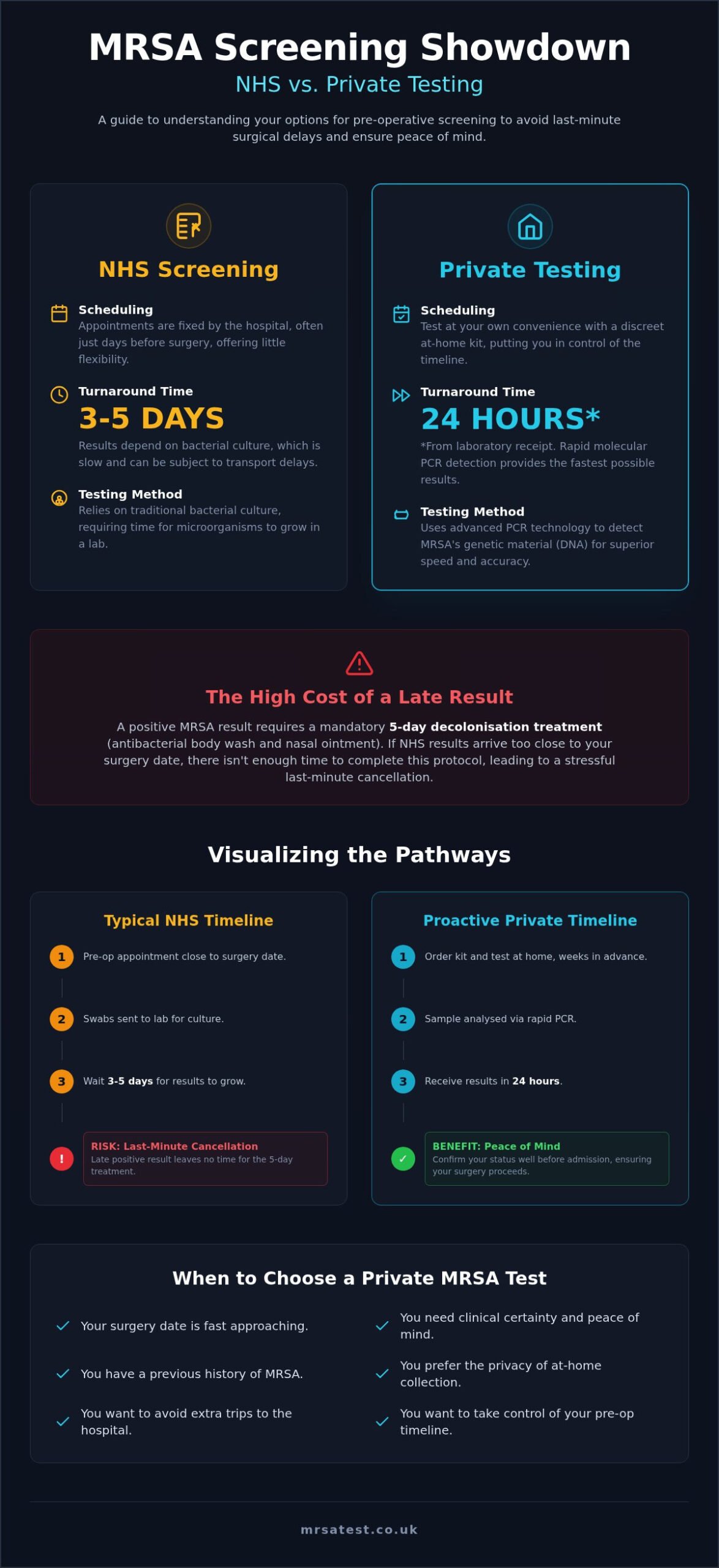
- Location: NHS tests usually occur in a hospital clinic; private tests are performed in the comfort of your home.
- Technology: The NHS typically relies on traditional culture; private options include rapid PCR (DNA) detection.
- Speed: NHS results can take several days; private PCR results are available within 24 hours of lab receipt.
- Scheduling: NHS appointments are fixed by the hospital; private testing happens at your discretion.
The NHS Screening Pathway
The NHS pathway usually begins at a pre-operative assessment clinic. This appointment is often scheduled just a few days before your surgery date. The process relies heavily on standard bacterial culture methods. While these are accurate, they require time for the bacteria to grow, meaning it often takes three to five days to get a final answer. This service is free at the point of use, but it’s tied strictly to the hospital’s internal schedule, which can feel precarious if your surgery date is fast approaching.
The Private Testing Pathway
Choosing a private route offers a flexible alternative that puts you in control. These services provide at-home self-collection kits, allowing for maximum discretion without the need for a hospital visit. One of the biggest advantages is access to molecular detection technology. A private mrsa test vs nhs culture can utilize PCR (Polymerase Chain Reaction) testing to identify bacterial DNA. This allows for results within 24 hours of the laboratory receiving your sample, providing the “gold standard” of speed and accuracy for those with imminent surgery dates.
How the NHS Handles MRSA Screening and Its Limitations
The standard protocol for NHS MRSA screening focuses primarily on patients scheduled for hospital admission. It isn’t a universal service available to the general public in the community. Instead, the NHS prioritises high risk procedures where an infection could be life threatening. For many patients, this screening only occurs once they’ve already entered the pre-operative pathway. This can lead to significant stress if your surgery date is approaching and you haven’t yet received confirmation of your status.
NICE Guidelines and NHS Protocols
NICE guidelines dictate which surgeries require mandatory screening, such as orthopaedic or cardiothoracic procedures. When you attend a pre-operative assessment, the staff will take swabs from your nose and groin. These samples are typically sent to a central hospital laboratory. The NHS relies on traditional bacterial culture methods, which require a wait time of 48 to 72 hours for the bacteria to grow. If you live in a rural area or your samples are processed by a smaller hospital, transport delays can extend this timeline even further. This is a primary reason why many patients weigh up the benefits of a private mrsa test vs nhs screening, as the NHS system is designed for broad resource management rather than individual speed.
The Risk of Surgical Cancellation
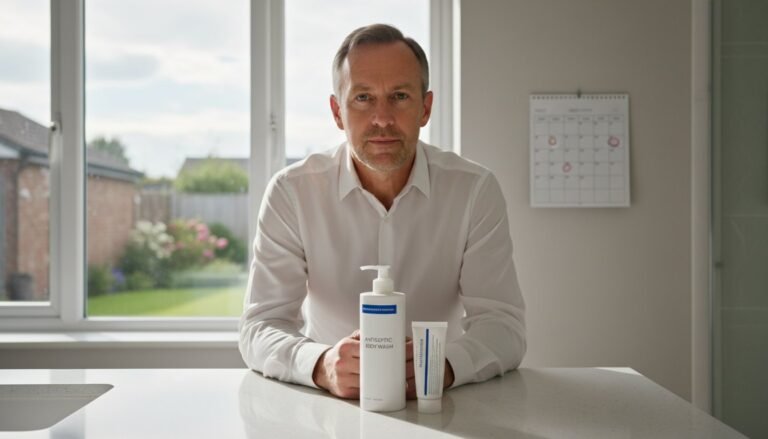
A positive MRSA result identified too late is a leading cause of last-minute surgical cancellations. If the bacteria are detected, you must undergo a 5-day decolonisation process. This involves using a specific antibacterial body wash and nasal ointment. Because this treatment must be completed before you enter the operating theatre, a result that arrives only 48 hours before your procedure will almost certainly lead to a postponement. The emotional and logistical impact of a cancelled surgery is immense, affecting everything from your recovery plans to your time off work. To help manage these complexities, many patients use a Preparing for Surgery: A Complete Pre-Op Health & Logistics Checklist to stay ahead of hospital requirements.
Another limitation is how results are communicated. The NHS often operates on a “no news is good news” basis. You might never receive a formal report if your result is negative, leaving you to assume you are clear. This lack of definitive documentation can be unsettling. In the comparison of a private mrsa test vs nhs, the private route provides a clear, written laboratory report for your records. If you prefer the certainty of a confirmed result before your hospital date, you can order a professional screening kit to verify your status in advance. This proactive approach ensures you are fully prepared for admission without the anxiety of the “no news” policy.
Comparing Speed, Accuracy, and Testing Methods
Choosing between a private mrsa test vs nhs screening often comes down to the specific laboratory method used to process your samples. While both pathways are clinically robust, they rely on different technologies to identify the presence of bacteria. The NHS primarily uses traditional bacterial culture, whereas private options frequently offer rapid molecular detection through PCR technology. Both methods are highly accurate, but the difference in turnaround time can be the deciding factor when your surgery date is looming.
Regardless of the laboratory method, the swabbing process remains consistent. Samples are typically taken from three primary colonisation sites where MRSA is most likely to reside on the skin without causing an active infection:
- Nose: Swabs are taken from the inside of both nostrils.
- Groin: The skin folds in the groin area are sampled.
- Axilla: The armpits are often included to provide a more comprehensive screening.
PCR: The Gold Standard for Speed
PCR (Polymerase Chain Reaction) technology represents a significant leap in diagnostic speed. Instead of waiting for bacteria to physically grow in a petri dish, PCR identifies the specific genetic markers of MRSA DNA. This allows for a much faster turnaround, making it the preferred choice for surgeries happening within a 72-hour window. If you’re on a tight schedule, a MRSA Test: Get Fast, Accurate Results at Home with a Rapid PCR Kit provides results within 24 hours of the lab receiving your sample. This speed ensures you have a definitive report in hand before you arrive at the hospital.
Culture Testing: The Reliable Baseline
Traditional culture testing involves placing the swabs on a special growth medium and monitoring them for several days. This remains the reliable baseline for NHS MRSA screening because it’s cost-effective for large-scale public health management. It typically requires a 48 to 72-hour window for bacterial growth to be confirmed. While it’s a dependable method, the longer lead time means it’s best suited for patients who have a significant amount of time before their hospital admission and aren’t worried about potential delays in result communication.
Clinical accuracy is maintained by ensuring all samples are processed in UKAS-accredited laboratories. Private providers often partner with industry leaders like The Doctors Laboratory (TDL), which follows the same rigorous quality control protocols as NHS facilities. Whether you select a private mrsa test vs nhs screening, the use of accredited labs means your surgical team can trust the results. This professional oversight is what allows private reports to be seamlessly integrated into your NHS or private hospital records.
Key Scenarios: When to Choose a Private MRSA Test
Choosing a private mrsa test vs nhs screening is often a strategic decision based on your personal circumstances and timeline. While the NHS provides essential care, its protocols are designed for broad public health management rather than individual scheduling needs. For many, the decision to go private is about reclaiming control over a stressful medical timeline. There are four primary scenarios where a private kit is the most logical choice.
First, imminent surgery creates a high pressure window. If your NHS pre-operative assessment is scheduled only a few days before your procedure, you have very little margin for error. Any delay in laboratory processing or a late-identified positive result will likely lead to a cancellation. By testing privately two weeks in advance, you have ample time to complete a decolonisation course if necessary, ensuring your surgery goes ahead as planned.
Second, patients with a previous MRSA history often face higher levels of anxiety. Once you’ve carried the bacteria, the fear of a “re-colonisation” is persistent. Proactively checking your carriage status before you are even called for a hospital admission allows you to address any issues in private. This proactive approach eliminates the shock of a positive result during a hospital clinic visit.
Third, privacy and convenience are significant factors. Attending a hospital clinic for a simple swab involves travel, parking, and waiting in communal areas. A private test allows you to collect your samples in the comfort and discretion of your own home. The process is professional, clinical, and entirely managed on your own terms.
Peace of Mind Before Hospital Admission
The psychological burden of “what if” can be heavy before a major operation. Knowing your status before you set foot in the hospital provides a layer of security that the “no news is good news” NHS policy cannot offer. This isn’t only for surgical patients; many people choose to self-test before visiting vulnerable relatives in care homes to ensure they aren’t unknowingly introducing resistant bacteria into a high-risk environment. To understand the broader context of these risks, you can read What Is MRSA? Your Complete Guide to Symptoms, Causes & Risks.
Validation for Healthcare Professionals
Healthcare workers, particularly those moving into high-risk settings like the ICU or NICU, often need to confirm their status before starting a new role. Private testing offers a discreet way to manage occupational health requirements without the need for a GP appointment. Because results are processed by UKAS-accredited laboratories, the digital result certificate is a valid document to provide to employers. It’s an efficient way to satisfy recruitment checks and demonstrate clinical safety. If you need a fast, professional verification of your status, you can order a private MRSA screening kit today to secure your results.
How to Order a Private At-Home MRSA Test Kit
Acquiring a private screening kit is designed to be a frictionless process that removes the logistical hurdles of hospital travel and communal waiting rooms. When you evaluate the private mrsa test vs nhs experience, the most immediate difference is the convenience of the delivery model. You can manage the entire process from your smartphone or computer, ensuring that your pre-operative preparation remains discreet and fits into your existing schedule. The goal is to provide a professional diagnostic service that feels supportive rather than clinical.
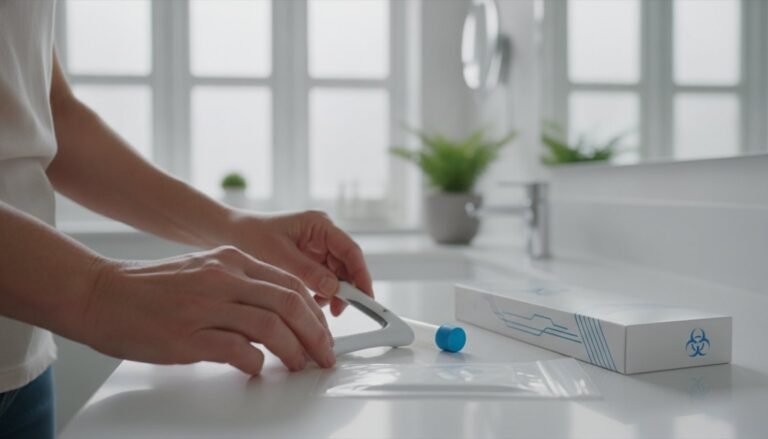
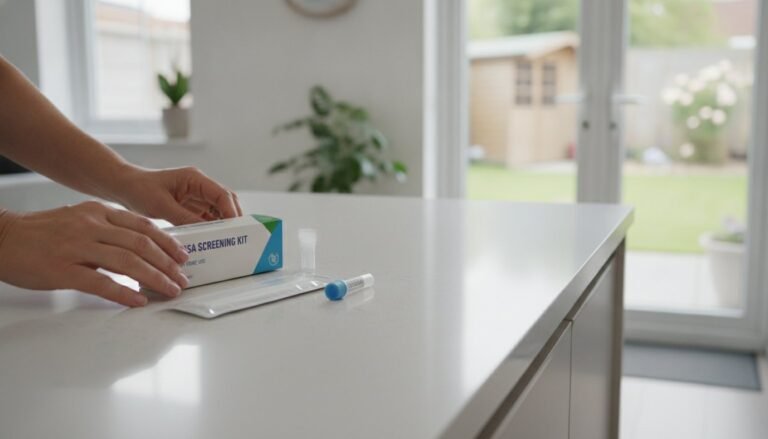
The journey begins with a secure online order. Once your request is processed, a kit is dispatched in discreet, plain packaging to protect your privacy. Inside, you’ll find everything needed for sample collection, including sterile swabs, transport tubes, and a prepaid return envelope. Following the provided instructions is vital. These guidelines ensure that the samples you collect are of high clinical quality, allowing the laboratory to provide an accurate assessment of your carriage status. Once you’ve completed the swabs, you simply post them back using the included Royal Mail tracked service.
The Self-Collection Process
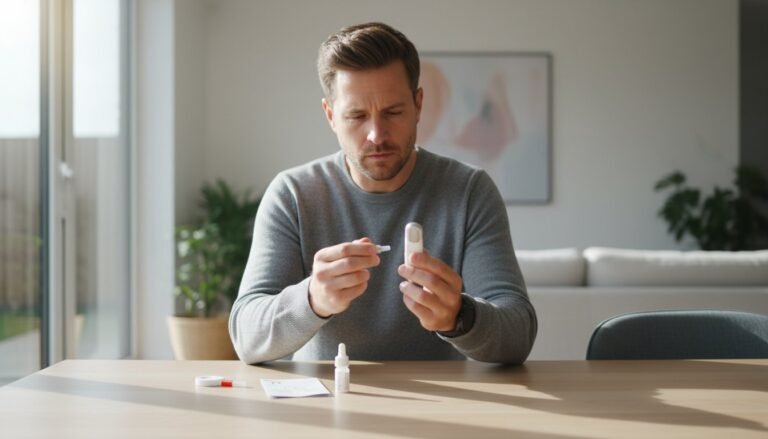
Many patients feel a slight hesitation about taking their own medical samples. It’s helpful to know that self-swabbing for MRSA is a simple, non-invasive procedure. You’ll use the sterile swabs to gently sample the inside of your nostrils and the skin folds of your groin. If your chosen kit includes an axilla test, you’ll also swab your armpits. Research indicates that at-home collection is just as reliable as a nurse-led swab, provided you follow the step-by-step guide included in your kit. For a broader look at how these modern diagnostics work, see our At-Home Test Kits UK: The Complete Guide for 2026.
Next Steps After Your Result
Your results are delivered through a secure digital portal, usually within 24 hours of the lab receiving a PCR sample. A “Negative” result provides the confirmation you need to proceed with your surgery confidently. You should download this report and keep it ready to show your surgical team during your admission. If MRSA is detected, the report will clearly state a “Positive” result. In this instance, you must contact your GP or surgical consultant immediately. They’ll provide a 5-day decolonisation treatment to clear the bacteria before your procedure. Because your private mrsa test vs nhs timeline was managed proactively, you’ll likely still have time to complete this treatment without postponing your surgery date. To secure your pre-operative peace of mind, you can order your private MRSA test kit online today.
Securing Your Surgical Timeline with Confidence
Deciding between a private mrsa test vs nhs screening comes down to your need for speed and certainty. While the NHS provides a vital service, the time constraints of a fixed pre-operative assessment can lead to unnecessary stress and potential cancellations. By choosing a private route, you gain access to rapid PCR technology and the convenience of at-home collection. This proactive approach ensures you have a definitive result in hand well before you arrive at the hospital.
You’ve seen how molecular detection provides results within 24 hours of laboratory receipt. This is a significant advantage when your surgery date is fast approaching. Using UKAS-accredited laboratory partners means your results are trusted by clinicians nationwide. This isn’t just about a test; it’s about protecting your recovery and ensuring your procedure goes ahead as planned. Taking control of your screening timeline allows you to focus on what matters most: your health and your upcoming recovery.
Order Your Private MRSA Test Kit for Fast, Confidential Results and secure your peace of mind today. You’re taking a responsible step toward a safer, smoother hospital experience.
Frequently Asked Questions
Is a private MRSA test more accurate than the NHS version?
Both private and NHS tests are clinically robust when processed by accredited facilities. The primary difference between a private mrsa test vs nhs screening isn’t accuracy, but the technology used. Private providers often offer PCR testing, which identifies bacterial DNA directly. Because our kits are processed by UKAS-accredited partners like The Doctors Laboratory, the results meet the same high standards for precision and reliability required by hospital consultants nationwide.
Can I use a private MRSA result for my NHS surgery?
Most NHS hospitals and surgeons accept private results provided they come from a UKAS-accredited laboratory. This is because the testing protocols and quality controls are identical to those used within the NHS. It’s always best to check with your specific surgical team first. Providing a formal, printed laboratory report from a professional service usually satisfies pre-operative requirements and helps prevent last-minute surgical delays or cancellations.
How long does a private MRSA test take compared to the NHS?
Private testing is significantly faster, especially when using molecular detection. While NHS culture results typically take 48 to 72 hours after your clinic appointment, a private PCR test provides results within 24 hours of the laboratory receiving your sample. This speed is crucial for patients with imminent surgery dates. Choosing a private mrsa test vs nhs screening allows you to bypass the clinic bottleneck and secure your results much sooner.
What is the difference between an MRSA culture and a PCR test?
The difference lies in the detection method. A culture test involves placing swabs on a growth medium and waiting 48 to 72 hours for bacteria to grow. In contrast, a PCR test uses molecular technology to identify the specific genetic markers of MRSA DNA. This makes PCR the gold standard for speed, as it doesn’t require a growth period. Both methods are clinically accurate, but PCR is ideal for urgent pre-surgery timelines.
Is the private MRSA test kit discreet?
Yes, the entire process is designed with your privacy in mind. Kits are sent in plain, discreet packaging that doesn’t mention the contents or the nature of the test. You can collect your samples in the comfort of your own home, avoiding the need for a public hospital visit. Results are delivered through a secure digital portal, ensuring that your health information remains confidential and accessible only to you.
What happens if my private MRSA test comes back positive?
If your result is positive, you must contact your GP or surgical consultant immediately. They’ll prescribe a standard 5-day decolonisation treatment, which usually includes an antibacterial body wash and a nasal ointment. It’s important to complete this course before your surgery to reduce the risk of infection. Testing early through a private service gives you the necessary time to finish this treatment without needing to postpone your procedure date.
Do I need a GP referral for a private MRSA test?
You don’t need a GP referral to order a private screening kit. These services are available directly to anyone who needs pre-operative peace of mind or occupational health verification. This direct access allows you to take control of your testing timeline without waiting for a doctor’s appointment. Once you receive your laboratory report, you can share it with your surgical team or employer as a formal record of your status.
Why do I need to swab my nose and groin for MRSA?
These areas are the most common colonisation sites where MRSA bacteria live on the skin without causing symptoms. Many people are asymptomatic carriers, meaning they carry the bacteria unknowingly. During surgery, these bacteria can enter a wound and cause a serious infection. Swabbing the nose, groin, and sometimes the axilla ensures a comprehensive screen, identifying the bacteria so they can be cleared before you enter the operating theatre.