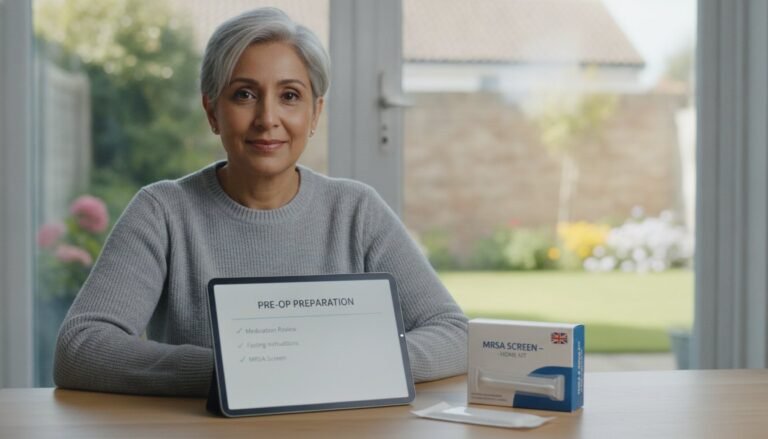
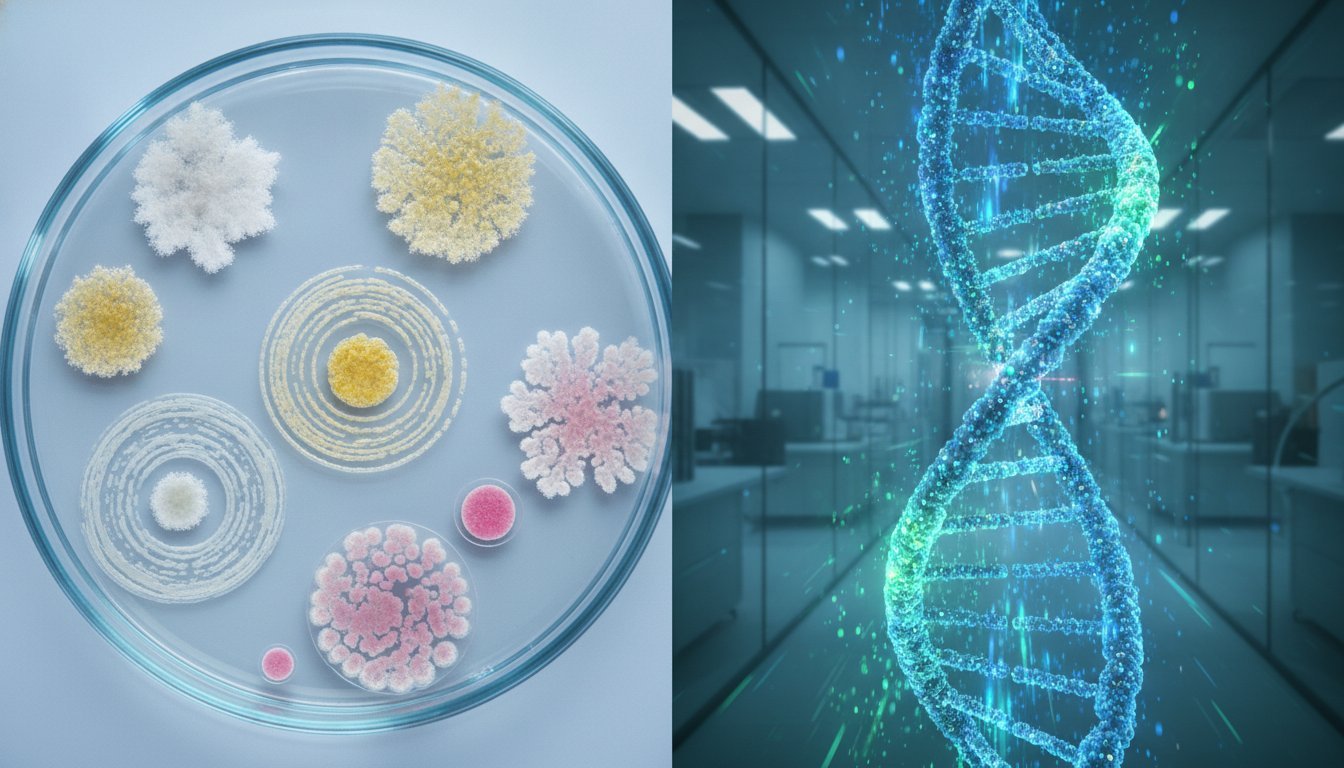
Why Is PCR Faster Than Culture? The Science of Rapid MRSA Testing
Imagine your surgery is scheduled for Monday morning, but it’s Friday afternoon and you still haven’t received your MRSA clearance. This scenario is a common source of anxiety for patients in the UK who are facing strict hospital deadlines. You are likely asking why is pcr faster than culture when every hour counts toward meeting your pre-admission requirements. It’s natural to feel pressured by these timelines, especially when medical terminology feels complex and confusing during an already stressful period.
In this article, you’ll discover the biological and technological reasons behind these different testing speeds. While traditional methods rely on waiting for bacteria to physically grow in a laboratory, PCR uses a molecular shortcut to identify genetic material in a fraction of the time. We will explain the science behind these two methods, compare their turnaround times, and give you the confidence to choose the right test to satisfy your hospital’s requirements. By the end, you’ll understand how to secure rapid results and avoid unnecessary surgical delays, ensuring your healthcare journey remains on track.
Key Takeaways
- Learn exactly why is pcr faster than culture by understanding the difference between detecting bacterial DNA and waiting for physical colonies to grow.
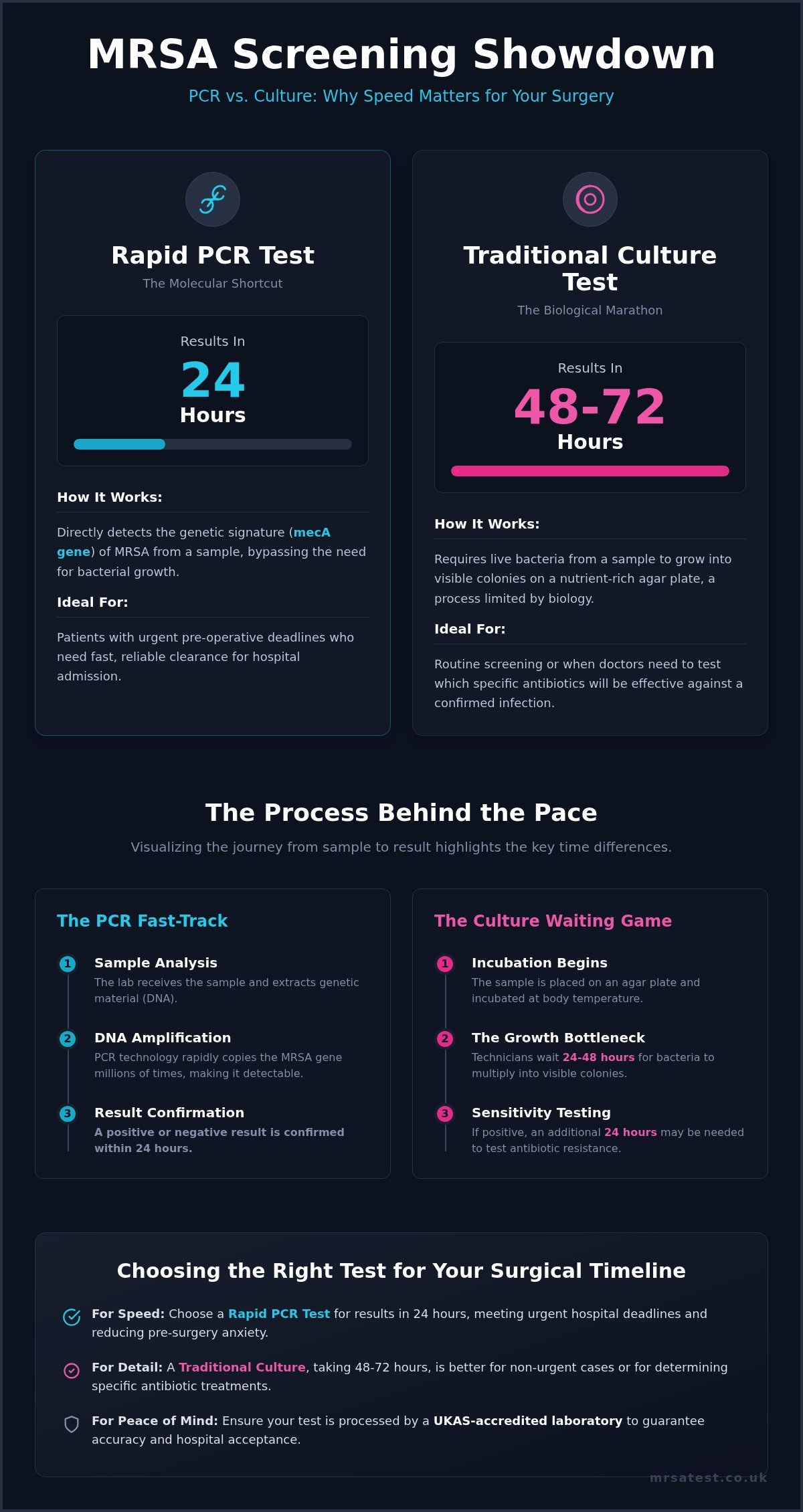
- Discover how a Rapid PCR test can provide results in just 24 hours, whereas traditional culture methods often require up to 72 hours.
- Understand the science of DNA amplification and why it’s a highly sensitive tool for meeting urgent pre-operative deadlines.
- Identify which testing path best fits your surgical timeline to ensure your clearance documents are ready for your hospital admission.
- Gain peace of mind by using UKAS-accredited laboratory testing delivered through a discreet and professional at-home process.
Understanding MRSA Testing: PCR vs. Culture Methods
Hospitals across the UK mandate MRSA screening before major procedures to prevent healthcare-associated infections. This proactive step protects both you and the surgical team. When you’re preparing for admission, you’ll encounter two main testing paths: the traditional culture and the modern PCR method. Understanding the fundamental differences helps you manage your timeline. The core trade-off involves balancing the speed of the result against the depth of laboratory analysis and the associated cost. Standard cultures are often more budget-friendly for routine checks, while PCR is the essential choice when a hospital deadline is looming.
What is an MRSA Culture Test?
For decades, the standard approach has been the MRSA culture. In this process, laboratory scientists take your swab and place it on agar plates; these are nutrient-rich dishes designed to encourage bacterial growth. Microbiologists then incubate these plates in a controlled environment. They must wait for the bacteria to multiply until they form visible colonies. This visual identification process is reliable but inherently slow. It relies on the natural biological pace of the organism. While this method provides a detailed look at how the bacteria behave, the requirement for physical growth is the primary reason it takes several days to complete. It remains a valuable tool for doctors who need to test which specific antibiotics will kill a particular strain.
What is an MRSA PCR Test?
When patients ask why is pcr faster than culture, the answer lies in the detection method. Polymerase Chain Reaction, or PCR, is a molecular technique that has transformed diagnostic speed. Instead of waiting for bacteria to grow, PCR identifies specific genetic markers within the sample. It looks for the “blueprint” of the organism. Specifically, it targets the mecA gene, which is the genetic signature of methicillin resistance. This targeted search is incredibly precise. It’s because the lab doesn’t need a living, growing colony. They only need the DNA. This allows a UKAS-accredited lab to confirm the presence of Methicillin-resistant Staphylococcus aureus in hours rather than days. It’s a focused molecular scan that bypasses the biological waiting period entirely. For patients in the UK, this means a result can be delivered within 24 hours of the sample reaching the lab, providing the fast-track clearance required for urgent surgery.
The scientific explanation for why is pcr faster than culture is simple: one method waits for life to happen, while the other identifies the code that makes that life possible. By choosing the molecular path, you’re opting for a technological shortcut that prioritises your surgical schedule without compromising on accuracy.
The Growth Bottleneck: Why Traditional Cultures Take 48-72 Hours
Traditional cultures are essentially biological marathons. To understand why is pcr faster than culture, you have to look at how bacteria behave in a laboratory setting. A culture doesn’t just detect the presence of MRSA; it requires the bacteria to wake up, consume nutrients, and reproduce. This process is strictly limited by the organism’s natural metabolic rate. Microbiologists cannot force these cells to divide faster than nature allows. It’s a waiting game where the lab provides the perfect environment and waits for the bacteria to show themselves.
The 24-Hour Incubation Rule
A lab technician begins by placing your sample in an incubator set to body temperature. They are waiting for a single cell to multiply into a colony of millions. This usually takes a minimum of 24 hours just to see the first signs of life on an agar plate. If a sample shows no growth at the 24-hour mark, the lab doesn’t simply issue a negative result. They often wait another 24 hours to ensure that a slow-growing or “stressed” strain hasn’t been missed. This caution is vital for patient safety, but it makes the process feel incredibly slow compared to molecular methods. It’s the primary reason a standard culture cannot be rushed.
Secondary Sensitivity Testing
Once the bacteria have grown, the lab must confirm they are actually resistant to antibiotics. This is the sensitivity phase. Technicians expose the grown colonies to methicillin or similar drugs and wait another full day to see if the bacteria survive. While this provides a definitive map of which treatments will work, it adds a mandatory second day to the timeline. This explains why an MRSA Culture – Nose/Groin test often takes 48 to 72 hours to yield a final result. The benefit here is the depth of information; you see exactly which antibiotics work and which don’t, but you pay for that data with time.
Lab conditions must be perfect for this to work. If the temperature fluctuates or the initial sample contains very few bacteria, the growth can take even longer. This unpredictability is a major source of stress for patients with fixed hospital dates. If you’re working against a tight deadline, choosing an at-home MRSA kit with a PCR option removes this biological uncertainty. You aren’t waiting for a colony to bloom; you’re simply identifying the genetic code that is already there. This shift from growing life to reading code is the reason why is pcr faster than culture in every clinical scenario.
The Molecular Shortcut: How PCR Detects MRSA DNA in Hours
PCR is essentially a search engine for your DNA. While culture methods wait for a physical colony to appear, PCR hunts for the genetic blueprint of the bacteria. This shift from biological growth to molecular identification is the primary reason why is pcr faster than culture. In a modern laboratory, automated equipment processes these samples with incredible speed. This allows for a rapid turnaround that meets even the most urgent hospital deadlines. It’s a technological solution to a biological delay.
DNA Amplification: The Photocopy Analogy
To understand the science, think of PCR as a high-speed genetic photocopier. In a standard sample, the amount of MRSA DNA might be too small to detect immediately. PCR solves this by “amplifying” the target genetic material. The lab uses thermal cycling machines that rapidly heat and cool the sample. This triggers a chemical reaction that doubles the target DNA in every cycle. Within just 30 to 40 cycles, a single strand of DNA is copied millions of times until it creates a signal that the equipment can easily read. Thermal cycling machines do the heavy lifting. This process usually takes less than three hours inside the machine. Because of this extreme sensitivity, PCR can identify MRSA even if the bacteria are dormant or present in very low numbers. You get an accurate result without the multi-day wait for colony growth.
Direct Detection of Resistance Genes
By focusing on the genetic code rather than the living organism, PCR provides a definitive answer in a fraction of the time. It’s the most efficient way to satisfy hospital requirements while maintaining the highest standards of diagnostic accuracy. For those interested in how these diagnostic principles are applied in other clinical settings, explore Skubios medicinos paslaugos ir diagnostika at Teleklinika to learn about their rapid medical assessment options.
Beyond Speed: Comparing Accuracy and Clinical Utility
While speed is the most immediate answer to why is pcr faster than culture, the clinical choice often comes down to sensitivity. PCR is incredibly effective at catching low-level colonisation. It can identify the presence of MRSA even when there are very few organisms on the swab. This makes it a highly reliable screening tool for ensuring patient safety. However, this high sensitivity means PCR can sometimes detect “non-viable” DNA. These are fragments of dead bacteria that remain on the skin, perhaps after a recent course of treatment. While a culture would return a negative result because nothing grows, a PCR might stay positive. This doesn’t mean you’re still infectious, but it shows how thorough the molecular search is. Most UK hospitals accept both methods for pre-operative screening because they both provide a high level of security.
Is PCR More Accurate Than Culture?
Accuracy in medical testing is measured by sensitivity and specificity. PCR is often considered more sensitive because it doesn’t rely on the bacteria being “happy” enough to grow in a lab. If the DNA is there, the test will find it. A culture, however, might return a “false negative” if the bacteria are dormant or were slightly damaged during shipping. The trade-off is that PCR has a slightly higher risk of “false positives” from those non-living bacterial fragments. For a patient, this isn’t a safety risk; it simply means you might be asked to undergo decolonisation treatment as a precaution. Because the goal of hospital screening is to eliminate all possible risks, this high level of caution is exactly why molecular testing is so valued in modern healthcare.
When Speed Becomes a Necessity
The role of rapid testing is critical in preventing hospital acquired infections. When a patient is admitted for an emergency or has an imminent surgical date, waiting three days for a culture isn’t an option. In these cases, PCR becomes the gold standard. It provides a definitive answer in time to implement safety protocols before the first incision is made. If you’re currently preparing for surgery, you should check your hospital’s specific requirements. Many NHS trusts and private clinics now prefer PCR for its speed, even though the advanced technology and laboratory reagents command a higher price than a standard culture.
It’s important to remember that at-home testing kits maintain the same clinical accuracy as swabs taken in a hospital. By using UKAS-accredited laboratories, the process remains professional and reliable. The investment in an MRSA Rapid PCR Test offers peace of mind that your results will be ready when you arrive at the clinic, ensuring your procedure can go ahead as planned. This combination of speed and sensitivity is the primary reason why is pcr faster than culture and why it has become the preferred choice for urgent medical timelines.
Choosing the Right Test for Your Surgical Timeline
Selecting the correct diagnostic path depends entirely on your surgical calendar. Most UK hospitals, whether NHS or private, require a negative result within 14 to 30 days of your scheduled procedure. If your test is too old, it won’t be accepted. If it’s too late, your surgery might be cancelled. This is the primary pressure point for patients. When you’re assessing why is pcr faster than culture, you aren’t just looking at lab science; you’re looking at a logistical solution to a strict hospital deadline. By choosing the faster method, you eliminate the risk of a last-minute administrative delay.
You must also account for a “Buffer Zone” when ordering an at home test kits uk. This includes the time for the kit to arrive at your door, the time you take to collect the sample, and the return shipping to the lab. While the lab process itself is fixed, these external factors can add 48 hours to your total timeline. Planning for these steps ensures that your results reach your surgical team with time to spare. Our professional process uses prepaid return shipping to minimize these transitions, keeping your screening on track.
The Case for the Rapid PCR Test
The MRSA Rapid PCR Test is the essential choice if your surgery is scheduled within the next seven days. It’s also the best option for those who simply want urgent peace of mind. Because the laboratory turnaround is just 24 hours from the sample arriving, it fits seamlessly into a tight pre-operative schedule. You don’t have to worry about the biological delays of bacterial growth. This efficiency is the core reason why is pcr faster than culture. It provides a professional, reliable result that satisfies hospital requirements without the multi-day wait. It’s a modern solution for patients who need to move quickly.
The Case for the Standard Culture Test
If you have more than two weeks before your procedure, the standard culture is a sensible and cost-effective alternative. It’s ideal for routine screening where speed isn’t the primary concern. While it takes longer to complete, it remains a gold-standard diagnostic tool. Understanding MRSA and its long-term management is easier when you have the detailed antibiotic sensitivity data that a culture provides. This path is perfect for patients who are planning ahead and want a reliable result at a lower price point for their routine healthcare needs.
Regardless of the test you choose, ensure you receive a clear, lab-certified result. This documentation is what your surgical team will need to see during your pre-op assessment. By matching the test’s speed to your specific deadline, you can proceed to your surgery with confidence, knowing you have met every safety requirement.
Secure Your Surgical Clearance with Confidence
Understanding the molecular science behind your diagnostic choices helps you take control of your healthcare timeline. The fundamental reason why is pcr faster than culture is that it identifies genetic markers immediately rather than waiting days for bacterial colonies to physically grow in a lab. This technological shift ensures you can meet strict hospital deadlines without the anxiety of last-minute surgical cancellations. Whether you choose the rapid 24-hour PCR path for an imminent procedure or a standard culture for routine screening, you’re supported by professional, clinical standards at every stage.
You can Order Your Rapid MRSA PCR Test Kit – 24h Results today to ensure your clearance is ready when you are. Our service provides fast next-day dispatch and utilizes a UKAS Accredited Laboratory to deliver confidential and private results you can trust. Don’t let administrative delays stand in the way of your recovery. Taking this proactive step protects your health and keeps your surgical journey moving forward smoothly.
Frequently Asked Questions
Is PCR testing for MRSA more expensive than culture?
PCR is offered at a higher price point because of the advanced molecular technology and rapid 24-hour turnaround time. While a standard culture is a more affordable option for routine screening, the investment in PCR is often necessary for those with urgent hospital deadlines. It requires specialized reagents and automated equipment to deliver results quickly once the laboratory receives your sample. This cost reflects the speed and technological precision of the molecular method.
Can a PCR test give a false positive if I recently finished antibiotics?
It is possible for a PCR test to detect non-viable DNA fragments after you have completed a course of antibiotics. Because PCR identifies the genetic blueprint rather than living bacteria, it may return a positive result for dead organisms that remain on the skin. This high sensitivity is exactly why is pcr faster than culture, but it means the test can stay positive even if you are no longer infectious or colonized with live bacteria.
How long does a standard MRSA culture actually take in a UK lab?
A standard MRSA culture typically takes between 48 and 72 hours once the sample reaches the laboratory. This duration is necessary because scientists must wait for the bacteria to physically multiply on agar plates until they form visible colonies. If the initial growth is slow, the lab may require the full 72-hour window to provide a definitive “no growth” result for your surgical clearance. It is a biological process that cannot be accelerated.
Do I need a doctor’s referral to order a private PCR test?
No, you don’t need a GP referral to order a private test kit from mrsatest.co.uk. Our service is designed to be accessible and straightforward for patients who need to meet hospital screening requirements independently. You can simply select the appropriate kit online, such as the MRSA Rapid PCR Test- Nose/Groin/Axilla, and follow the included instructions for self-collection. This allows you to manage your pre-operative logistics without waiting for a dedicated appointment.
Is the PCR test more accurate for detecting MRSA in the nose and groin?
PCR is highly sensitive and is often considered superior for detecting low levels of colonization in the nose and groin. It doesn’t rely on the bacteria being active or healthy enough to grow in a lab dish. This molecular method ensures that even tiny amounts of MRSA DNA are amplified and identified. This extreme precision is a major factor in why is pcr faster than culture for pre-operative screening and patient safety.
What happens if my rapid PCR test comes back positive before surgery?
If your test result is positive, you should contact your surgical team or pre-assessment clinic immediately. They will typically prescribe a decolonization treatment, which usually involves a specific nasal cream and body wash used for five days. A positive result doesn’t always mean your surgery is cancelled. Often, the hospital will simply reschedule the procedure for a date shortly after you have completed the treatment protocol to ensure your safety during the operation.
How do I return my swab sample to the lab for the fastest results?
Every kit includes a prepaid Royal Mail Tracked 24 return envelope to ensure your sample reaches our UKAS-accredited laboratory as quickly as possible. For the fastest turnaround, you should post your sample in a priority postbox on the same day you collect your swabs. This minimizes the transit time and allows the lab to begin the 24-hour PCR process or the 48-72 hour culture path without any unnecessary delay.
Will my NHS hospital accept a private PCR test result?
Most NHS trusts and private hospitals in the UK accept results from UKAS-accredited laboratories. Because our kits are processed by verified lab partners using professional diagnostic standards, the results are clinically valid for pre-operative clearance. We recommend checking with your specific hospital’s pre-assessment team to ensure your result falls within their required timeframe. This is usually between 14 and 30 days before your surgery, depending on local hospital policy.