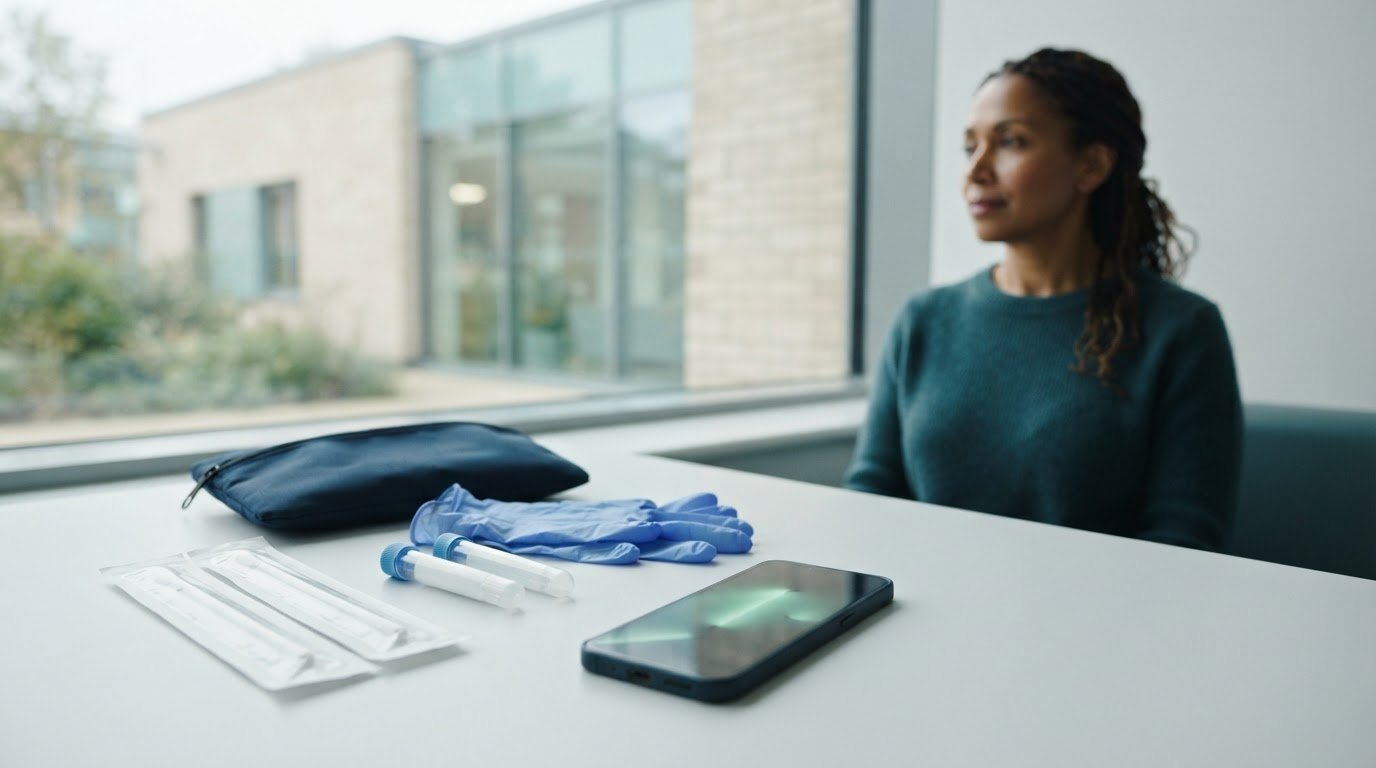

Did you know that the proportion of surgical site infections caused by MRSA rose to 3.3% in the 2024/2025 financial year? This increase explains why hospitals are now more rigorous about screening before you even reach the operating theatre. It is completely normal to feel anxious about your upcoming procedure. Many patients worry that a minor infection or a simple misunderstanding of fasting rules might lead to a last-minute cancellation. Following a reliable pre-op checklist uk provides the clarity you need to navigate these clinical requirements with confidence.
We’ve created this guide to ensure your surgery proceeds without delay and that your recovery at home is as smooth as possible. You will learn exactly how to manage health risks, understand the latest 2026 safety protocols, and prepare for your pre-operative assessment appointment. We will also cover specific steps for passing your MRSA screen the first time. This structured approach helps you move from feeling uncertain to being fully prepared for a successful surgical outcome.
Key Takeaways
- Understand the clinical pre-operative assessment process and why this evaluation is essential for your safety under anaesthesia.
- Discover how “prehabilitation” and early lifestyle adjustments can build the physical resilience needed for a faster recovery.
- Follow a structured pre-op checklist uk to navigate infection control protocols and ensure you pass your MRSA screening the first time.
- Secure your logistics by arranging post-surgery transport and a designated carer for your first 24 hours back at home.
- Clarify complex fasting rules and hygiene requirements to avoid admission delays on the morning of your procedure.
Understanding the UK Pre-Operative Assessment Process
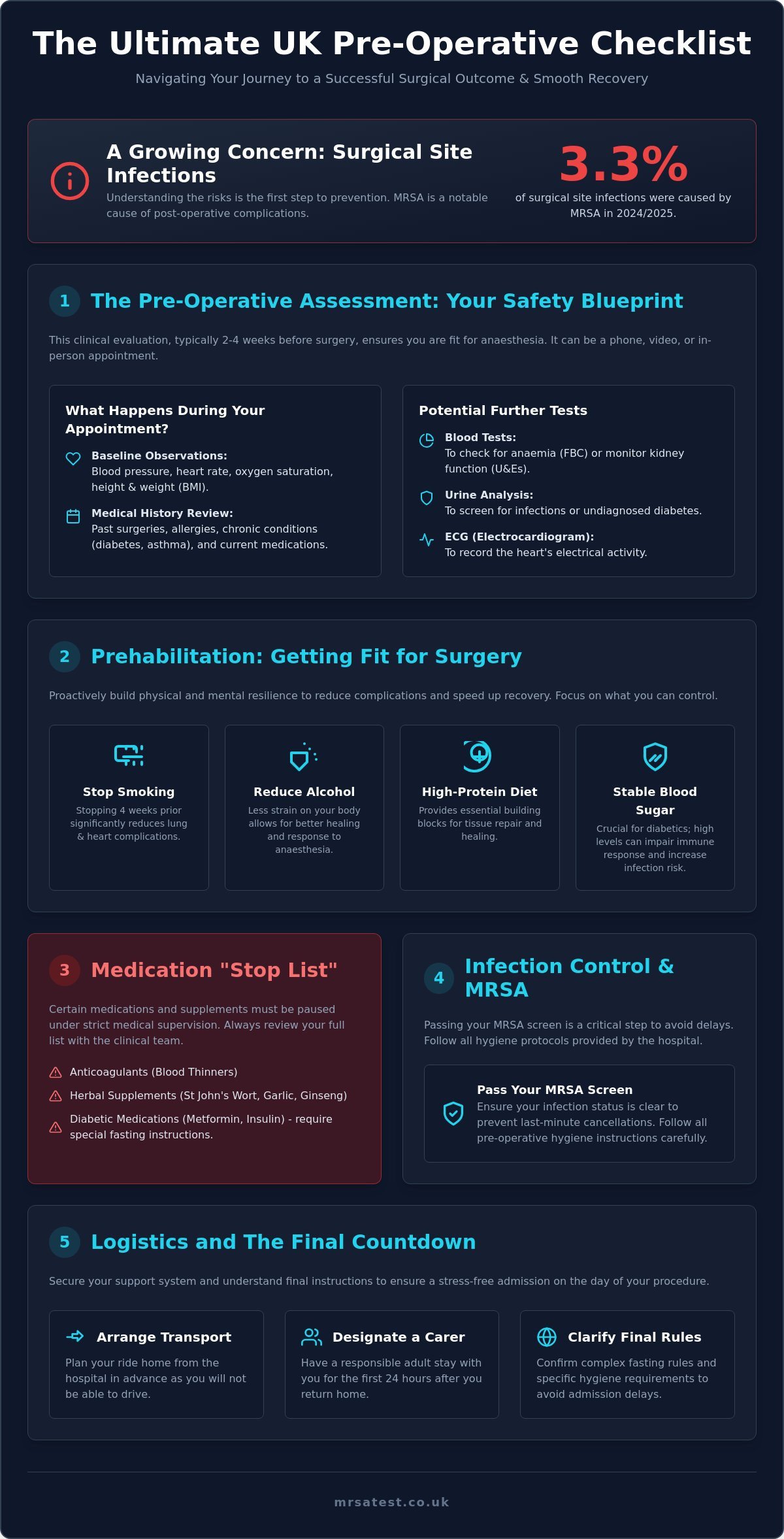
The pre-operative assessment, or “pre-op,” is a clinical evaluation to ensure you are fit for anaesthesia and surgery. This appointment typically occurs 2 to 4 weeks before your scheduled procedure date. It serves as a vital component of your Preoperative Care Overview, allowing the medical team to identify potential risks before they become complications. Depending on your health history and the type of surgery planned, the assessment may take the form of a telephone screening, a video consultation, or a traditional in-person hospital visit.
What Happens During Your Appointment?
During the assessment, a specialist nurse will record your baseline observations. These include your blood pressure, heart rate, and oxygen saturation levels. They will also measure your height and weight to calculate your Body Mass Index (BMI). This is a standard safety measure because your BMI can influence how your body processes anaesthetic drugs. It’s helpful to include a list of your current medications in your pre-op checklist uk so you can provide accurate information during this review.
The clinician will also discuss your medical history in detail. They’ll ask about past surgeries, known allergies, and chronic conditions such as diabetes, asthma, or heart disease. Depending on your specific needs, they may require further physical tests:
- Blood Tests: A Full Blood Count (FBC) to check for anaemia or Urea and Electrolytes (U&Es) to monitor kidney function.
- Urine Analysis: To screen for infections or undiagnosed conditions like diabetes.
- ECG (Electrocardiogram): A simple test to record the electrical activity of your heart, ensuring it’s strong enough for the procedure.
The Role of the Anaesthetist
An anaesthetist is a specialist doctor who manages your pain and consciousness during surgery. They will assess your airway and discuss which type of anaesthesia is safest for you. This could be general anaesthesia, where you are fully asleep, or a regional block like a spinal anaesthetic. They will also evaluate risks related to sleep apnoea or any previous adverse reactions to anaesthesia in your family. Understanding these details is an essential part of your pre-op checklist uk, as it helps you prepare for the recovery phase and plan your post-surgery pain management.
At the end of the process, your clinician will determine your status. You’ll either be “fit to proceed,” “fit with caveats,” or “deferred.” “Fit with caveats” means certain minor conditions, like adjusting your blood pressure medication, must be met first. A deferral isn’t a cancellation; it’s a safety measure that allows time for further investigation to ensure your surgery is as safe as possible.
Clinical Health Optimisation: Getting “Fit for Surgery”
Modern surgical care has shifted towards the concept of “prehabilitation.” This proactive approach means you aren’t just waiting for your procedure; you’re building the physical and mental resilience required for a successful outcome. By optimising your health weeks before admission, you reduce the risk of complications and speed up your eventual recovery at home. Including specific health goals in your pre-op checklist uk helps you track progress and stay focused on the variables you can control.
Smoking cessation is perhaps the single most impactful change you can make. Research indicates that stopping smoking even four weeks before surgery significantly reduces the risk of lung and heart complications. Similarly, reducing alcohol intake and switching to a high-protein diet provides your body with the essential building blocks for tissue healing. Stable blood sugar levels are also vital. If you have diabetes, maintaining a consistent HbA1c level is critical because high blood sugar can impair your immune response and increase the likelihood of post-operative infections.
Medication Management and the “Stop List”
Managing your current prescriptions is a delicate part of preparation. You must review all medications with your clinical team, especially anticoagulants or blood thinners. These often need to be paused under strict medical supervision to prevent excessive bleeding during the operation. Many patients overlook over-the-counter products, but certain herbal supplements, such as St John’s Wort, Garlic, or Ginseng, can interfere with anaesthesia or blood clotting. You should also receive clear instructions on how to manage diabetic medications like Metformin or Insulin during your fasting period to avoid dangerous drops in blood sugar. Ensuring your infection status is clear is another vital step; many patients choose to order an MRSA screening kit privately to confirm they’re ready for admission without the stress of hospital-led delays.
Physical Activity and Mental Readiness
Physical readiness doesn’t require intense training. Gentle cardiovascular exercises, like daily brisk walking, improve your circulation and heart health. Deep breathing exercises are equally important. They help clear your lungs and prepare them for the effects of general anaesthesia. Don’t neglect your mental health during this time. It’s natural to feel anxious, but addressing these feelings through mindfulness or pre-op counselling can lower your stress levels. A calm mind often leads to a more stable physiological state during and after the procedure. Integrating these habits into your pre-op checklist uk ensures you arrive at the hospital feeling capable and prepared.
The Infection Control Checklist: Preventing MRSA and SSIs
Infection screening is often the primary reason for elective surgery cancellations in the UK. Hospitals prioritise this because a post-operative infection can lead to prolonged stays and serious health complications. Methicillin-resistant Staphylococcus aureus (MRSA) is a specific type of bacteria that has developed resistance to several widely used antibiotics. While many people carry MRSA on their skin without symptoms, it poses a significant risk if it enters a surgical site. In the 2024/2025 financial year, the proportion of superficial surgical site infections (SSIs) caused by MRSA rose to 3.3%. This increase explains why clinical teams are so vigilant during your preparation.
The standard hospital screening involves taking swabs from your nose, groin, and occasionally the armpit (axilla). If your results are positive, you will need to follow a strict decolonisation protocol. This usually involves a five-day course of specialised antiseptic body washes and nasal creams to clear the bacteria before you can safely enter the operating theatre. Missing even one day of this protocol can lead to a delay in your procedure. Adding these steps to your pre-op checklist uk is essential for staying on schedule and avoiding the disappointment of a last-minute postponement.
The Benefits of Private Pre-Surgery Screening
Many patients experience significant “screening anxiety” while waiting for hospital results. If you find out you’re MRSA-positive only days before your surgery, the timeline for decolonisation becomes incredibly tight. Choosing a private option allows you to test in the comfort of your home, away from the clinical environment. Using MRSA Rapid PCR Test Kits provides results in as little as 24 hours. This speed gives you the peace of mind to either proceed with confidence or begin the necessary treatment well in advance of your hospital admission.
Hygiene Protocols Before Admission
Your physical preparation extends beyond the swabs. Your clinical team may provide Chlorhexidine (CHG) washes to reduce the bacterial load on your skin. Use these exactly as directed, usually starting the night before surgery. There are also specific rules regarding hair removal. You should never shave the surgical site at home with a razor. Shaving creates micro-cuts that increase the risk of infection. If hair removal is necessary, use electric clippers only if specifically instructed by your nurse. Ensure you have clean bedsheets and towels ready for the 48 hours leading up to your procedure. Following these hygiene steps within your pre-op checklist uk creates the cleanest possible environment for your recovery.
Logistics and Home Readiness: Planning Your Recovery
Preparing for the days following your procedure is as vital as the medical assessment itself. A comprehensive pre-op checklist uk must account for the logistical gap between hospital discharge and your return to full independence. You cannot drive yourself home after receiving general anaesthesia or sedation. These medications impair your judgment and reaction times for at least 24 hours, making it unsafe to operate a vehicle. You must also adhere to the “24-Hour Rule.” This safety protocol requires a responsible adult to stay with you for your first night back. This companion monitors for potential complications and provides support while the anaesthetic agents fully leave your system.
The Ultimate Hospital Bag Packing List
Packing effectively reduces admission day anxiety. Your bag should contain essential documents, including your admission letter and a copy of your understanding blood tests results. Providing these to the ward staff ensures they have the most recent data on your health status. Include a detailed list of your current medications and their specific dosages. For comfort, pack loose-fitting clothing that won’t rub against surgical sites, slip-on shoes to avoid the need to bend down, and a long charging cable for your phone. Stick to unscented toiletries to prevent skin irritation, and remember any pre-op drinks or supplements specifically prescribed by your clinician.
Pre-Stocking Your Recovery Kitchen
Your body requires specific nutrition and hydration to heal efficiently. Stock up on water and squash, as staying hydrated helps your kidneys flush out anaesthetic medications. Prepare “soft foods” or batch-cook frozen meals for the first three to five days. This preparation minimizes the time you spend standing or preparing food while you are still fatigued. Finally, ensure you have basic pain relief, such as Paracetamol and Ibuprofen, ready at home. To ensure your recovery proceeds without the risk of infection-related delays, you can order a private MRSA screening kit for fast, laboratory-verified results before you head to the hospital.
The Final Countdown: Fasting, Hygiene, and Admission
The final 24 hours before your procedure are the most critical for ensuring everything goes according to plan. Precision is essential during this window. Following the final steps of your pre-op checklist uk prevents avoidable delays or cancellations on the morning of your surgery. When you arrive at the ward, the nursing staff will verify that you’ve adhered to all clinical instructions, particularly those regarding fasting and hygiene. Understanding the rationale behind these rules helps reduce last-minute anxiety and ensures you feel supported by the process.
On the day of admission, you’ll check in at the hospital reception or directly at the surgical ward. A nurse will confirm your identity, check your vital signs, and ensure your consent forms are in order. You’ll also be asked to change into a hospital gown. To make this transition easier, avoid wearing makeup, nail varnish, or jewellery. These items can interfere with medical monitoring. For example, nail varnish prevents the pulse oximeter from accurately measuring your oxygen levels through your fingernail. All piercings should be removed to prevent skin burns if electronic surgical equipment is used during the operation.
Fasting Guidelines (The 6-2 Rule)
Adhering to “Nil by Mouth” (NBM) instructions is a vital safety requirement for anyone undergoing general anaesthesia. Most UK hospitals follow the 6-2 rule. This means you must stop eating all solid foods at least six hours before your admission time. You can continue to drink clear fluids, such as water or black coffee without sugar, until two hours before you arrive. It’s a common mistake to assume that chewing gum or “milky” tea is acceptable; however, these trigger stomach acid production and are treated as solids by anaesthetists. If you have essential morning medications, check with your pre-op nurse during your initial assessment. They’ll usually advise you to take them with a tiny sip of water.
Final Checks Before Leaving Home
Before you leave for the hospital, perform a quick health scan. If you’ve developed a new cough, a fever, or any unexpected skin rashes, call the ward immediately. These symptoms might indicate an underlying infection that could make surgery unsafe. Take a moment to double-check your preparing for surgery logistics, ensuring your transport and post-op care are fully confirmed. This final review is the last pillar of a successful pre-op checklist uk. To guarantee your admission proceeds without the risk of a positive infection screen, ensure your status is clear by ordering an at-home MRSA test today. Having these results ready provides the final peace of mind needed for a smooth surgical journey.
Taking the Next Step Toward Your Recovery
Preparing for surgery involves more than just attending a hospital appointment. It’s a comprehensive process of building physical resilience and organising your home for a safe recovery. By following a structured pre-op checklist uk, you take control of the variables that often cause stress or delays. From managing your nutrition to arranging a companion for your first night home, every small action contributes to a successful outcome.
One of the most effective ways to protect your surgical date is to address infection risks early. A positive MRSA result on the day of admission can lead to immediate postponement. You can proactively manage this risk through our professional screening service. Ensure your surgery stays on schedule—order your private MRSA screening kit today. We provide discreet at-home collection and rapid 24-hour PCR results from an accredited UK laboratory. This clinical oversight allows you to focus on your health with the confidence that your preparation is complete. You’ve done the groundwork; now you can look forward to a smooth procedure and a steady return to wellness.
Frequently Asked Questions
Why do I need an MRSA test before my surgery in the UK?
MRSA testing is a mandatory safety measure to prevent surgical site infections (SSIs). Because MRSA is resistant to common antibiotics, an infection during recovery is much harder to treat. Screening ensures that any colonisation is identified and treated before you enter the operating theatre. This protocol is a standard part of any pre-op checklist uk to protect both your health and the hospital environment.
How long before surgery is the pre-op assessment usually done?
Your assessment is typically scheduled between 2 and 4 weeks before your operation. This timeframe is chosen to give the clinical team enough time to review test results and address any health concerns. If your blood tests show low iron or if you need a decolonisation course for an infection, this window allows you to complete treatment without postponing your surgical date.
Can I eat or drink anything during the fasting period before my operation?
You must follow the “6-2” fasting rule strictly to ensure your stomach is empty for anaesthesia. This means no food or “cloudy” drinks for six hours before admission. You can usually have clear fluids, like water or black coffee, until two hours before you arrive. Don’t chew gum or suck on sweets, as these stimulate stomach acid, which can be dangerous while you’re unconscious.
What happens if my MRSA test comes back positive before surgery?
If you test positive, you’ll be prescribed a five-day decolonisation kit. This includes an antiseptic body wash and a nasal ointment to reduce the bacteria on your skin and in your nose. It’s important to complete the full course as directed. If there isn’t enough time to finish the treatment before your scheduled date, the hospital may need to reschedule your surgery for safety reasons.
Do I need to remove my nail varnish or gel nails for surgery?
Yes, you should remove all nail varnish and gel nails before you arrive at the hospital. Doctors use a device called a pulse oximeter, which clips onto your finger to monitor your oxygen levels during surgery. Varnish and gels can block the light sensor, leading to inaccurate readings. Natural nails also allow the clinical team to check your circulation by observing the colour of your nail beds.
Can I take my usual medications on the morning of my operation?
You should only take medications that your pre-operative nurse specifically approved during your assessment. While some essential drugs are taken with a tiny sip of water, others, like blood thinners or certain diabetes medications, must be paused. Mismanaging your medication is a common reason for delays, so ensure this is clearly marked on your pre-op checklist uk well in advance of your admission day.
What should I do if I develop a cold or cough just before my surgery date?
You must notify the surgical ward as soon as you notice symptoms like a cough, fever, or sore throat. Operating while you have a respiratory infection increases the risk of breathing complications under anaesthesia. The clinical team will decide whether it’s safe to proceed or if it’s better to wait until you’ve fully recovered. Your safety is always the priority in these decisions.
How long will I need to stay in hospital after my procedure?
The length of your stay depends entirely on the complexity of your surgery and your personal recovery speed. Many minor procedures are now performed as “day cases,” allowing you to return home once the anaesthetic wears off. Major operations might require a stay of several days for pain management and monitoring. Your surgeon will give you an estimated timeframe during your initial consultation so you can plan accordingly.