MRSA Swab Test Before Surgery UK: Essential Pre-Op Guide (2026)
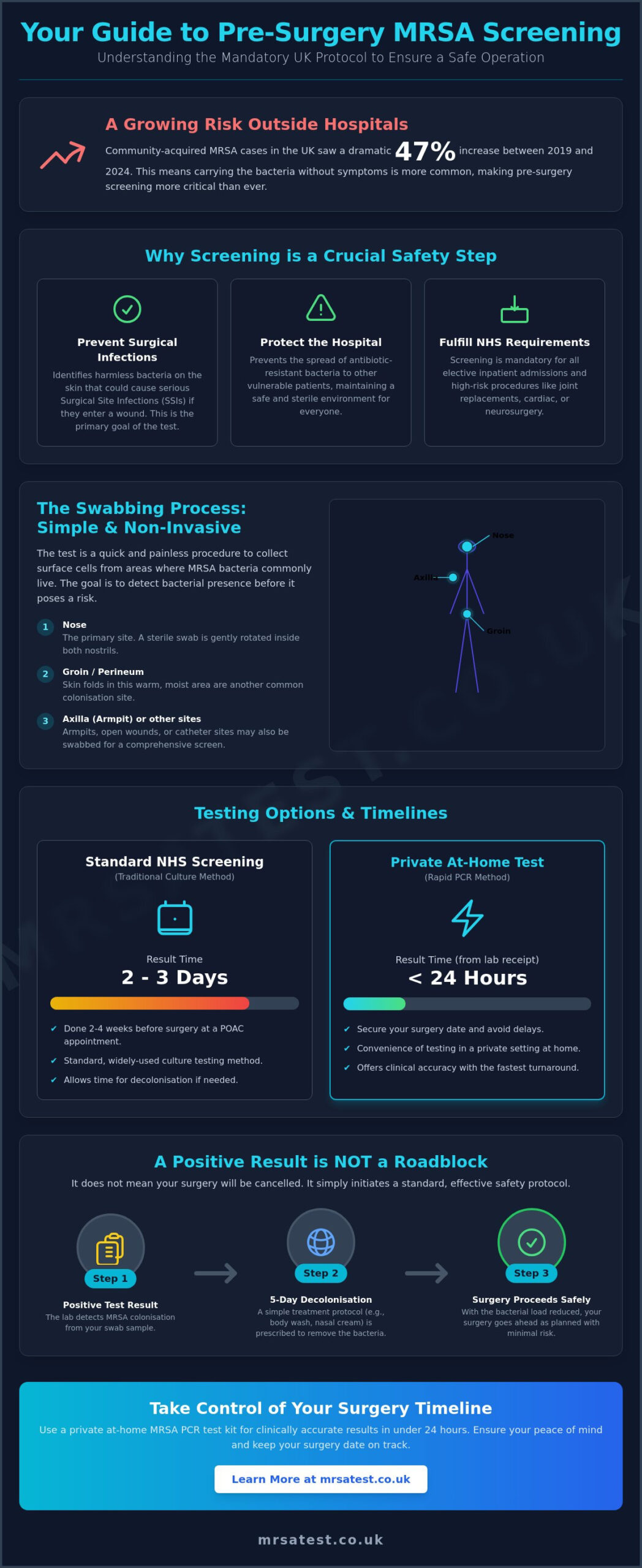
Did you know that community-acquired MRSA cases in the UK rose by 47% between 2019 and 2024? This shift means that even if you haven’t been in a hospital recently, you might still carry the bacteria on your skin without knowing it. It’s completely natural to feel anxious about your upcoming procedure, especially when the requirement for an mrsa swab test before surgery uk feels like a potential roadblock to your recovery. We understand that the fear of a cancelled operation or a hospital-acquired infection can be overwhelming during an already stressful time.
This guide explains why MRSA screening is a mandatory safety requirement for elective inpatient admissions and how it actually protects your surgical outcome. You’ll learn the exact steps of the swabbing process, how the 5-day decolonisation treatment works if you carry the bacteria, and how to secure private testing to keep your timeline on track. We’ll provide the clinical clarity you need to ensure your surgery goes ahead as planned, giving you the peace of mind that your health is being managed by experts through a simple, well-governed process.
Key Takeaways
- Understand why an mrsa swab test before surgery uk is a mandatory safety requirement for elective procedures to prevent post-operative complications.
- Learn about the standard swabbing sites, including the nose and groin, and why these specific areas are screened for bacterial colonisation.
- Compare the traditional 2-3 day culture method with private Rapid PCR testing, which can provide results within 24 hours of laboratory receipt.
- Discover how a positive result initiates a simple five-day decolonisation protocol rather than an automatic surgery cancellation.
- Find out how to secure your surgery date using at-home PCR test kits that offer clinical accuracy with the convenience of a private setting.
Why is an MRSA Swab Test Required Before Surgery in the UK?
Undergoing an operation is a significant event. To ensure the best outcome, UK hospitals implement strict safety protocols. One of the most critical steps in your preparation is the mrsa swab test before surgery uk. This screening identifies the presence of Methicillin-resistant Staphylococcus aureus (MRSA), a type of bacteria that has developed resistance to several widely used antibiotics. While MRSA is often harmless when living on healthy skin, it becomes a serious medical concern if it enters the body through a surgical incision.
Many people are surprised to learn they are colonised with MRSA. This means the bacteria are present on their body, usually in the nose or skin folds, without causing any symptoms or illness. However, during surgery, these bacteria can migrate into the wound, leading to surgical site infections (SSIs). Because these strains don’t respond to standard penicillin-based treatments, infections can be harder to manage and may require more complex, intensive care. Screening allows clinicians to identify these risks before you even enter the operating theatre.
Preventing Hospital-Acquired Infections
Screening isn’t just about your individual safety; it’s a vital part of protecting the entire clinical environment. By identifying carriers before they enter the hospital, medical teams can prevent the spread of bacteria to other vulnerable patients. Untreated MRSA can lead to severe complications, including deep-seated wound infections or life-threatening hospital acquired infections like bacteraemia, which is an infection of the bloodstream. Proactive testing ensures that the hospital remains a sterile, safe space for everyone recovering from major procedures.
Mandatory Requirements for Elective Procedures
In the UK, the NHS requires mandatory MRSA screening for all elective inpatient admissions. This policy also applies to day-case patients undergoing procedures where metalwork is inserted or removed, such as orthopaedic joint replacements or cardiac pacemaker fittings. High-priority surgeries, including neurosurgery and cardiothoracic operations, always require these tests to minimise the risk of post-operative complications.
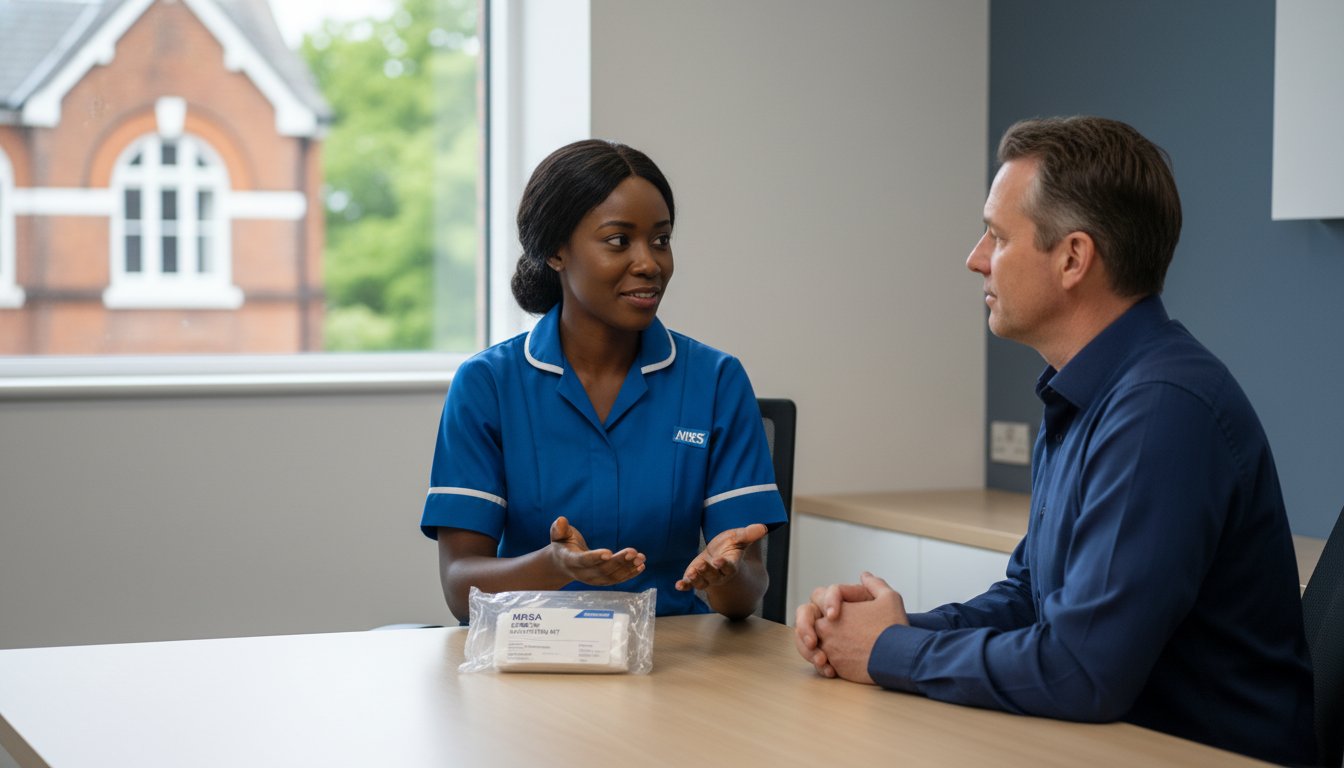
The standard timeline for an mrsa swab test before surgery uk is typically two to four weeks before your scheduled date. This window is essential. It allows the laboratory enough time to process the culture and gives you a five-day period for decolonisation treatment if the result returns positive. Most patients undergo this screening during their Pre-operative Assessment Clinic (POAC) appointment, ensuring all safety checks are completed well in advance of the theatre date.
The Screening Process: Where and How are Swabs Taken?
The swabbing process is designed to be as non-invasive and efficient as possible. For most patients, it feels like a quick wipe of the skin or a gentle tickle in the nostril. The primary goal is to collect enough surface cells and moisture to detect any bacterial presence. To ensure clinical accuracy, healthcare professionals follow a specific protocol that prioritises sterile technique. According to official NHS guidance on MRSA, identifying these carriage sites is the first step in protecting your surgical wound from contamination.
Performing an mrsa swab test before surgery uk is a routine part of your pre-admission journey. It’s a standard safety check that helps your surgical team prepare the best environment for your recovery. By identifying where the bacteria live on your body, clinicians can decide if you need a simple cleaning protocol before your operation begins.
Common Sites for Pre-Op Screening
The most frequent sites for an mrsa swab test before surgery uk are the nose and the groin. These areas are tested because MRSA thrives in warm, moist environments. While the nose is the most common reservoir, other sites are often included to ensure a comprehensive screening:
- Nasal Swabs: The nostrils are the primary site for staphylococcal bacteria. A swab is gently rotated around the inside of both nostrils to capture a sample.
- Groin and Perineum: The skin folds in the groin area are another common colonisation site. Testing here ensures that bacteria haven’t spread across the lower body.
- Axilla (Armpit): In many cases, the armpits are screened to provide a more complete picture of your bacterial status.
- Wounds and Device Sites: If you have an existing skin break, such as a chronic wound or a site for a medical device, these will also be swabbed.
Step-by-Step Swabbing Technique
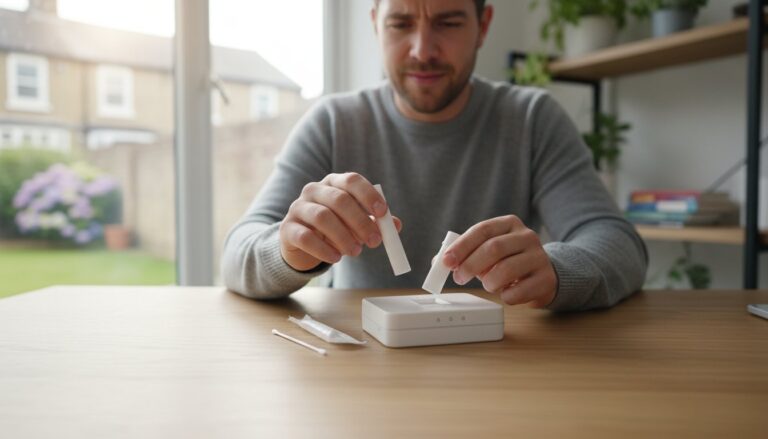
Taking a sample correctly is vital for a valid result. If you’re using a self-test kit, follow these steps to maintain a sterile sample and avoid contamination:
- Wash and dry your hands thoroughly before opening the kit to prevent external bacteria from affecting the swab.
- Carefully remove the sterile swab from its packaging. Don’t touch the tip of the swab against any surface other than the area being tested.
- If your kit instructions require it, moisten the tip with the provided sterile liquid.
- Rotate the swab firmly but gently against the skin or inside the nostril. For skin sites, a zig-zag motion across the area is often recommended.
- Use a separate, fresh swab for each body site to prevent cross-contamination between the nose, groin, and axilla.
- Place the swab immediately into the transport tube and secure the cap tightly for laboratory delivery.
If you’re managing your own pre-op timeline and need results quickly, an MRSA Rapid PCR Test– Nose/Groin/Axilla allows you to collect your samples at home and receive laboratory-verified results with speed and discretion.
NHS vs. Private MRSA Testing: Choosing the Right Option
Deciding where to complete your mrsa swab test before surgery uk often depends on your specific timeline and how much lead time you have before your operation. While the NHS provides mandatory screening as part of the pre-operative process, the methods and turnaround times can vary significantly between providers. Understanding the difference between these options helps you make an informed choice that secures your surgery date and minimises pre-op anxiety.
Most NHS hospitals rely on a culture test to identify bacteria. This process requires a laboratory to incubate your sample in a controlled environment to see if MRSA grows over several days. While this is a reliable and accurate method, the 48 to 72-hour wait can be stressful if your surgery is approaching quickly. Private testing services often offer a more efficient alternative through molecular technology. These tests identify the bacteria’s genetic material, providing a definitive answer much sooner than traditional methods.
Understanding MRSA Culture vs. PCR
The main difference lies in speed and depth of analysis. An MRSA Culture – Nose/Groin/Axilla test is excellent for determining which specific antibiotics the bacteria are resistant to, but it takes time for the colony to grow. In contrast, an MRSA Rapid PCR Test– Nose/Groin identifies bacterial DNA directly. This allows for results within 24 hours of the laboratory receiving your kit. You can explore the technical differences further in our comparison of the mrsa culture test and PCR methods. According to the NHS guidance on MRSA, the priority is always to identify carriage early enough to start treatment if it’s needed.
When to Consider a Private Pre-Op Test
Choosing a private mrsa swab test before surgery uk is often a matter of logistical convenience. Many patients find that the flexibility of an at-home kit removes the need for additional hospital visits, which is especially helpful if you’re managing mobility issues or a busy work schedule. You might consider a private test in these specific scenarios:
- You missed your hospital pre-op appointment and can’t reschedule before your surgery date.
- You want to “pre-screen” yourself to avoid any unexpected delays or last-minute cancellations.
- You’ve had a previous MRSA infection and want to confirm your current status discreetly.
- Your procedure is being performed at a private facility that requires you to provide your own screening results.
Using a private service ensures your data is handled with total discretion. Results are delivered directly to you via a secure method, allowing you to share them with your surgical team once you’ve confirmed you’re clear. This streamlined approach provides a sense of quiet competence, ensuring you’re supported by experts through a simple, well-managed process.
What Happens if Your Pre-Op MRSA Test is Positive?
Receiving a positive result from your mrsa swab test before surgery uk can feel alarming, but it’s important to remain calm. A positive result doesn’t automatically mean your operation will be cancelled. Instead, it triggers a proactive safety protocol designed to reduce the bacteria on your skin to a safe level before you enter the operating theatre. This process, known as decolonisation, is a standard clinical procedure that ensures your surgery can proceed with the lowest possible risk of infection.
The standard decolonisation cycle lasts five days. During this time, you’ll follow a specific hygiene routine at home. This process is highly effective at suppressing MRSA, significantly lowering the risk of post-operative complications. By identifying the bacteria now, your surgical team can take the necessary precautions to protect your health during and after the procedure.
The Decolonisation Treatment Plan
Your clinical team will usually prescribe a specific set of antimicrobial products to use over the five-day period. This typically includes a nasal ointment, often Mupirocin, which you apply three times daily to the inside of both nostrils using a cotton bud. You’ll also use an antiseptic body wash and shampoo, such as Chlorhexidine (CHG). You can learn more about how these products work in our CHG guide.
Environmental hygiene is just as vital as the clinical treatment. To prevent re-colonisation from your surroundings, you should use fresh towels and bedding every day during the treatment phase. Washing these items at a high temperature helps eliminate any bacteria shed from your skin, ensuring the protocol is as effective as possible.
Re-testing and Surgery Timelines
If you missed your hospital’s original screening window or received a positive result close to your surgery date, you might worry about delays. Hospitals often manage colonised patients by placing them last on the surgical list. This allows the theatre team to perform a specialized deep clean after your procedure without disrupting the rest of the day’s schedule. In many cases, a follow-up mrsa swab test before surgery uk is required to confirm the treatment was successful before you’re cleared for theatre.
If you need to verify your clearance quickly to keep your surgery on track, an MRSA Rapid PCR Test– Nose/Groin provides laboratory-verified results within 24 hours of receipt. This speed allows you to share your status with your surgical team or GP without waiting days for traditional culture results, giving you the confidence that your procedure will go ahead as planned.
Secure Your Surgery Date with a Private At-Home MRSA Test Kit
Securing your surgery date often feels like a race against time. While the clinical necessity of screening is clear, the logistics of attending extra appointments can be a significant burden. Our service at mrsatest.co.uk is designed to remove this friction. We provide a dependable path for patients who need to confirm their status without the hurdles of additional hospital visits. By choosing a private mrsa swab test before surgery uk, you regain control over your pre-operative timeline through a simple, well-managed process.
We offer both MRSA Culture and Rapid PCR options, including the comprehensive MRSA Rapid PCR Test– Nose/Groin/Axilla. Every kit we provide includes professional-grade sterile swabs and clear, step-by-step instructions to ensure your sample is valid. Once you’ve collected your samples, you simply use the prepaid return shipping to send them to our verified UK laboratory partners. These facilities operate under strict clinical standards, ensuring that your results are as accurate as those performed within a hospital setting.
Fast Results for Urgent Pre-Op Needs
Time is often the most critical factor when preparing for theatre. If your surgery is scheduled for the coming days, our 24-hour PCR turnaround provides the speed you need. This molecular testing method identifies bacterial DNA directly, offering a definitive answer much faster than traditional culture methods. We understand that medical diagnostics are sensitive. All our kits are delivered in discreet, plain packaging to ensure your total privacy. To help you manage the rest of your health logistics, we recommend following our preparing for surgery checklist to keep your recovery on track.
How to Order Your Kit Today
Choosing the right test depends entirely on your surgical deadline. If you have several weeks before your procedure, an MRSA Culture – Nose/Groin is a standard clinical choice. However, for those with urgent requirements, our PCR options are the preferred route for rapid identification. Our online checkout is straightforward, and we offer next-day dispatch to ensure you receive your kit as quickly as possible. This efficiency is paired with quiet competence, giving you the peace of mind that your screening is being handled by experts.
Don’t let a missed hospital appointment or a slow laboratory result put your operation at risk. You can order your confidential MRSA test kit now to ensure your mrsa swab test before surgery uk is completed with accuracy, speed, and complete discretion. By taking this proactive step, you’re not just checking a box; you’re securing your path to a safe and successful recovery.
Taking Control of Your Surgical Preparation
Completing your mrsa swab test before surgery uk is a vital step in ensuring your procedure goes ahead without delay. These screenings are mandatory safety protocols designed to protect you from resistant bacteria and surgical site infections. Whether your result is negative or requires a simple five-day decolonisation treatment, identifying your status early provides the clinical team with the information they need to keep you safe. You can move forward knowing that your health is being managed with professional care and clinical accuracy.
You don’t have to navigate this process alone or wait through long hospital queues. By using our discreet at-home testing kits, you gain access to verified UK accredited laboratories and can receive results in as little as 24 hours of lab receipt. This efficiency allows you to focus on your recovery rather than logistical stress. Order Your Pre-Surgery MRSA Test Kit Online Today and secure your timeline with confidence. We’re here to support you in achieving a smooth, infection-free transition through your upcoming surgery.
Frequently Asked Questions
How long before surgery is the MRSA swab test usually done?
The mrsa swab test before surgery uk is typically performed between 2 and 4 weeks before your operation date. This specific window ensures there is enough time for laboratory processing and allows for a 5-day decolonisation treatment if your result is positive. Following this timeline prevents last-minute delays to your surgical schedule.
Can I do the MRSA swab test myself at home?
Yes, you can use a private at-home kit to complete your screening discreetly. These kits provide sterile swabs and clear instructions for collecting samples from the nose, groin, and axilla. Once you’ve taken the samples, you return them to a verified laboratory using prepaid shipping for professional analysis.
What happens if I test positive for MRSA before my operation?
If you test positive, you’ll be prescribed a 5-day decolonisation protocol to reduce the bacteria on your skin. This routine involves using an antiseptic body wash and a specialized nasal cream. Completing this course before your surgery date is essential for minimizing the risk of a post-operative infection.
Is the MRSA swab test painful or uncomfortable?
The swabbing process is entirely non-invasive and shouldn’t be painful. It involves a gentle rotation of a soft, sterile swab inside the nostrils and across the skin of the groin or armpit. Most patients find the procedure quick and straightforward, feeling only a light touch or a tickling sensation.
How long do MRSA swab results take to come back in the UK?
Turnaround times depend on the testing method used. Standard NHS culture tests generally take 2 to 3 days to provide a definitive result. If you need a faster answer, a private Rapid PCR test can deliver results within 24 hours of the laboratory receiving your sample.
Will my surgery be cancelled if I have MRSA?
A positive MRSA result rarely leads to the cancellation of your procedure. Instead, the surgical team will ensure you’ve completed your decolonisation treatment first. In some cases, your operation might be moved to the end of the day’s list to allow for specialized cleaning of the theatre afterward.
Do I need to stop using any creams or soaps before the test?
You should avoid using antiseptic washes or nasal ointments for at least 48 hours before your mrsa swab test before surgery uk. These products can temporarily suppress the bacteria on the skin surface, which might lead to a false negative result. Standard soaps and moisturisers are generally fine to continue using.
What is the difference between a PCR and a culture MRSA test?
A culture test involves growing the bacteria in a lab over several days to identify its presence. A PCR test uses molecular technology to detect bacterial DNA directly. This makes PCR testing significantly faster and highly accurate, which is beneficial if you’re working with a tight pre-op deadline.