
MRSA and Joint Replacement Surgery: Protecting Your New Joint
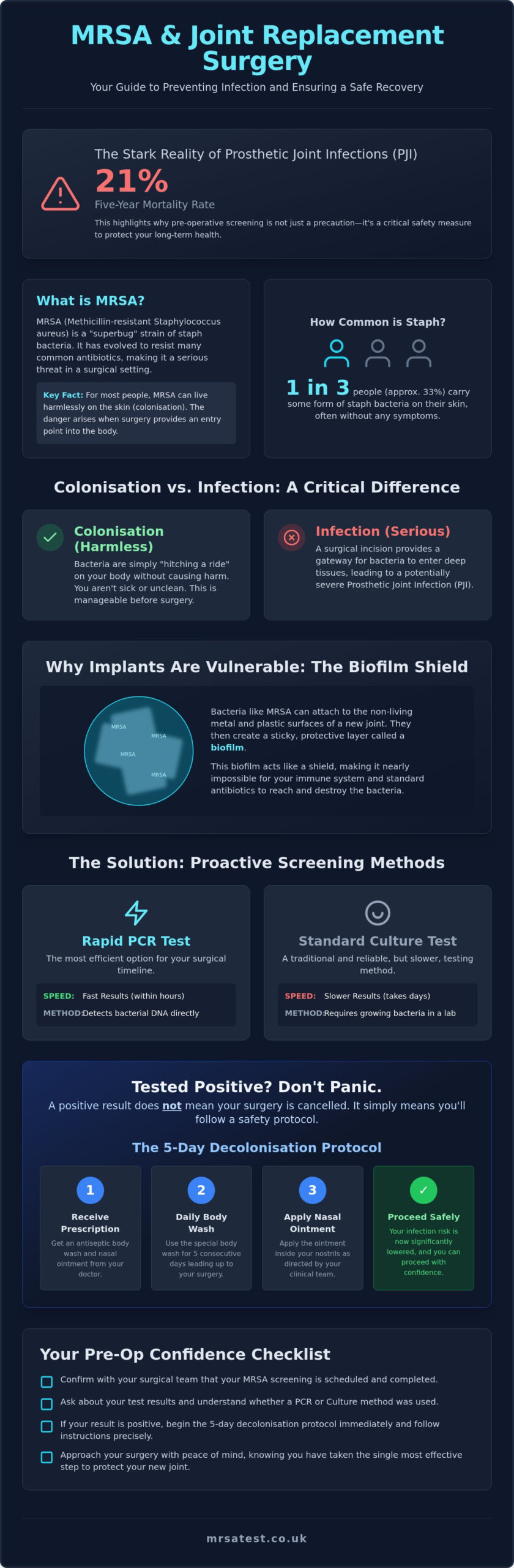
Did you know that periprosthetic joint infections carry a five year mortality rate of 21%? This statistic highlights why medical professionals are so vigilant about screening for specific bacteria before you enter the operating room. Most patients preparing for a hip or knee replacement focus on their physical therapy and recovery timelines, yet the relationship between mrsa and joint replacement surgery often causes the most underlying anxiety. It is natural to feel concerned about a potential surgery cancellation or the risk of an infection affecting your long term mobility. These fears are a common part of the surgical journey, especially when you are looking forward to finally regaining your independence.
Our goal is to provide you with the clinical clarity needed to feel prepared and secure. This article explains why MRSA screening is the most critical step in preventing prosthetic joint infections and how it ensures a safe, predictable recovery. You will gain a clear understanding of the decolonisation process, which involves simple, effective steps to clear bacteria before your procedure. By following these professional protocols and accessing reliable testing, you can approach your operation with confidence. You deserve the peace of mind that comes from knowing your new joint is protected by the highest standards of clinical safety.
Key Takeaways
- Learn why proactive screening is the most effective safeguard against Prosthetic Joint Infection (PJI), a complication that is far easier to prevent than to treat.
- Understand the clinical differences between Rapid PCR and standard Culture testing methods to choose the most efficient option for your surgical timeline.
- Discover why a positive result for mrsa and joint replacement surgery doesn’t mean a cancellation, but rather a manageable 5-day decolonisation protocol.
- Gain a clear understanding of the swabbing process and the specific areas of the body that require screening to ensure your prosthetic joint remains protected.
- Follow our comprehensive pre-operative checklist to take control of your preparation and approach your surgery date with complete confidence.
Why MRSA Screening is Vital for Joint Replacement Surgery
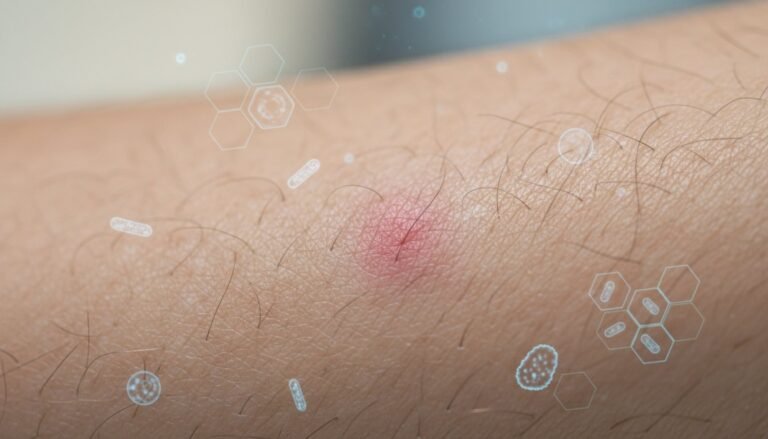
MRSA, or Methicillin-resistant Staphylococcus aureus, is a specific strain of bacteria that has evolved to survive many common antibiotics. While about 33% of the population carries some form of Staph bacteria on their skin, MRSA is the “superbug” variant that resists standard treatments like methicillin and penicillin. For most people, these bacteria are harmless residents that cause no symptoms. However, the stakes change significantly during mrsa and joint replacement surgery. Because these operations involve the placement of a permanent implant, ensuring the skin is clear of resistant bacteria is a critical safety step. In UK hospitals, pre-operative screening is a standard protocol designed to protect patients from avoidable complications and ensure a sterile surgical environment.
The Difference Between Colonisation and Infection
Clinical professionals distinguish between being colonised and being infected. If you are colonised, the bacteria are simply “hitching a ride” on your body without causing harm. You won’t feel sick, and you aren’t “unclean” in any way. The problem begins when surgery provides a gateway. An incision allows these surface bacteria to move into deep tissues or the bloodstream. Reassuringly, identifying colonisation early means it can be managed with simple washes and ointments before the surgery even begins. This proactive approach stops a harmless colonisation from turning into a serious post-operative issue that could jeopardise your recovery.
Orthopaedic Specific Risks
Joint replacements for hips, knees, or shoulders present a unique clinical challenge because they involve large incisions and deep tissue exposure. When a foreign object, like a prosthetic joint, is placed in the body, bacteria can adhere to its surface. This can lead to a Prosthetic Joint Infection (PJI), a condition that is notoriously difficult to treat because the bacteria often form a protective shield around the implant. This shield, known as a biofilm, prevents antibiotics and your own immune system from reaching the site effectively.
MRSA remains one of the most significant causes of hospital acquired infections in orthopaedic wards. Beyond the immediate surgical site, there is also the risk of “seeding.” This occurs when bacteria from a different part of the body travel through the blood and settle on the new prosthetic joint. By screening every patient before their procedure, surgical teams can ensure that the risk of both local and systemic infection is minimised. This simple test provides the clinical foundation for a safe and successful surgical outcome, giving you the best possible start with your new joint.
Understanding the Risks: Prosthetic Joint Infection (PJI)
Prosthetic Joint Infection (PJI) is a rare but life-altering complication of arthroplasty. While it only occurs in approximately 1% to 2% of total hip and knee replacements, the impact on a patient’s life is profound. When we discuss mrsa and joint replacement surgery, we are specifically looking at how to prevent these infections from taking hold. MRSA is significantly more difficult to treat than standard Staph infections because the bacteria don’t respond to the antibiotics typically used in surgical wards. If an infection develops, it often leads to prolonged hospital stays, weeks of intensive intravenous antibiotics, and a temporary or permanent loss of mobility.
The Biofilm Barrier: Why Implants are Vulnerable
The primary reason MRSA is so dangerous in orthopaedics is the creation of a biofilm. Unlike your natural bone or tissue, the metal and plastic surfaces of a prosthetic joint are non-living. Bacteria can easily attach to these surfaces. Once they settle, they produce a sticky, protective layer. This barrier acts like a suit of armour, shielding the MRSA from your body’s immune cells and making it nearly impossible for standard antibiotics to penetrate. Clinical research on MRSA screening effectiveness demonstrates that identifying these bacteria before the first incision is made significantly reduces the risk of this barrier ever forming. Once a biofilm is established, the bacteria are so well-protected that the only clinical solution is often the complete surgical removal of the new joint.
The Reality of Revision Surgery
If an infection occurs, patients often face a two-stage revision. This involves a first surgery to remove the infected prosthetic and replace it with a temporary spacer loaded with antibiotics. You then wait weeks or months for the infection to clear before undergoing a second major operation to implant another new joint. The physical and emotional toll of this process is immense, as it effectively resets your recovery timeline. Experts agree that preparing for surgery by following a strict pre-operative checklist is the best way to avoid this outcome. Securing a professional MRSA screening early in your journey gives you the time and clarity needed to ensure your procedure is a success.
Pre-Operative MRSA Testing: PCR vs. Culture Methods
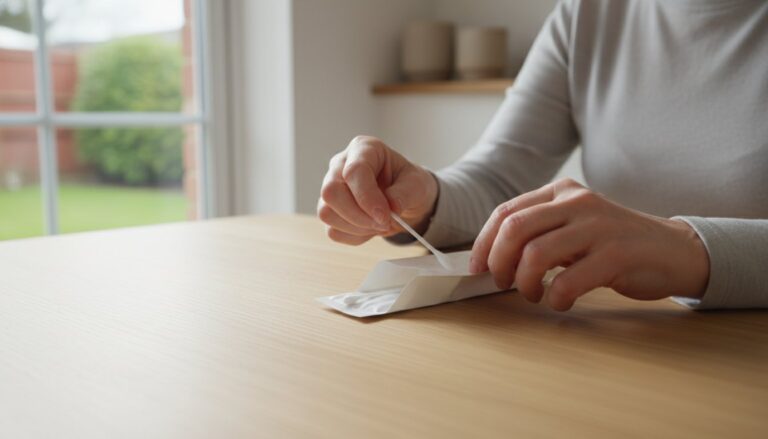
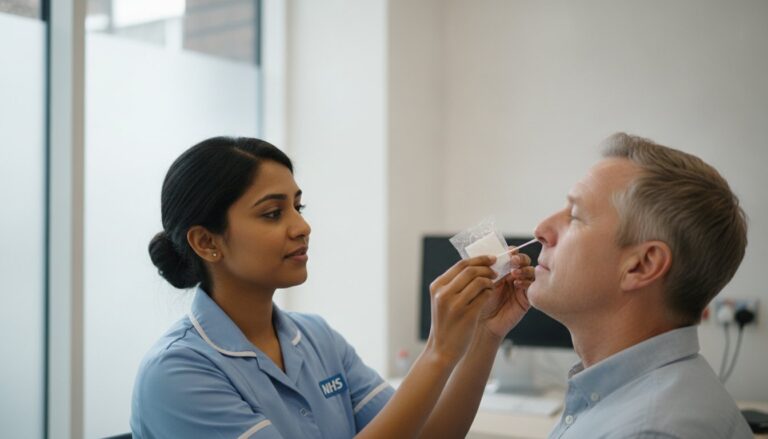
The screening process for mrsa and joint replacement surgery is a straightforward but essential part of your pre-operative care. It involves taking swabs from specific areas of the body where bacteria are most likely to reside. These standard sites include the nostrils, throat, groin, and armpits, also known as the axilla. These areas provide the warm, moist environment that Staphylococcus aureus prefers. For your surgeon, the accuracy of these tests is paramount. Before they begin your procedure and open the sterile field, they must be confident that the risk of introducing resistant bacteria into the deep tissue is as low as possible.
Culture Testing: The Traditional Gold Standard
Traditionally, hospitals have relied on culture testing to identify MRSA. In this process, the lab places your samples on a growth medium and monitors them for bacterial activity over 48 to 72 hours. While this method is highly reliable and remains the most common approach used in routine NHS pre-op clinics, it does have a significant drawback: time. Waiting several days for a result can be stressful for patients. In some cases, if the lab is backed up or the results are delayed, it can even lead to the postponement of a scheduled surgery date.
Rapid PCR Testing: Speed and Precision
Rapid PCR (Polymerase Chain Reaction) testing offers a modern alternative designed for speed and clinical precision. Instead of waiting for bacteria to grow, PCR technology scans the sample for the specific DNA of the mecA gene. This gene is the biological marker responsible for antibiotic resistance in MRSA. Because this method is so targeted, results are typically available in under 24 hours.
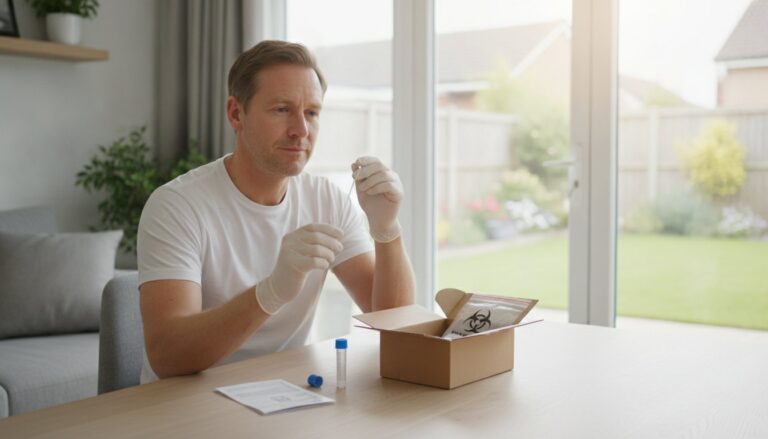
This speed is especially beneficial for patients with imminent surgery dates or those undergoing treatment in private healthcare facilities where timelines are often compressed. For those who prefer to manage their preparation away from a hospital environment, an at home mrsa test provides a discreet and fast alternative. By using a Rapid PCR kit, you can obtain the same high level of clinical accuracy found in a hospital lab without the need for an extra trip to the clinic. This ensures your surgical team has the information they need exactly when they need it, keeping your recovery on track.
What Happens if You Test Positive? The Decolonisation Protocol
Receiving a positive test result for MRSA can feel overwhelming, but it’s a manageable part of your surgical preparation. A positive test isn’t a failure. It simply means your procedure might be delayed by a few days to allow for a decolonisation protocol. This is a standard safety measure used throughout the UK to eliminate bacteria from your skin and nasal passages before you enter the operating room. By clearing these bacteria now, you significantly reduce the risk of complications during your mrsa and joint replacement surgery. This proactive step ensures that your surgical team can operate with the highest level of confidence in your safety.
The protocol usually lasts five days and involves a combination of topical treatments. You’ll use an antimicrobial body wash, such as Chlorhexidine, and a specific antibiotic nasal ointment, often Mupirocin. These products work together to reduce the bacterial load on your body. Because MRSA can live on household surfaces, your environment plays a key role. You must change your bedsheets, towels, and clothing every day during the treatment period to prevent re-contaminating yourself. Washing these items at a high temperature is essential to kill any remaining bacteria in the fabric.
The 5-Day Treatment Steps
- Step 1: Daily Antiseptic Washing. You’ll wash your hair and body once a day using the prescribed antiseptic solution. This replaces your regular soap and shampoo for the duration of the treatment to ensure full body coverage.
- Step 2: Nasal Ointment Application. The nose is the primary reservoir for MRSA. You apply the ointment inside both nostrils three times a day to ensure the bacteria are eradicated from this hidden area.
- Step 3: Environmental Hygiene. To ensure the treatment is effective, you must wear fresh clothing and use laundered linens every 24 hours. This prevents the bacteria from “hitching a ride” back onto your skin after you’ve washed.
Post-Treatment Re-Screening
Once you complete the five day regime, your clinical team will perform a re-screen. A “clear” set of swabs is usually required before your surgery can proceed. If the bacteria persist, don’t panic. Sometimes a second round of treatment is necessary, or your surgeon may seek input from an infectious disease specialist. In these cases, they might adjust your pre-operative antibiotics, perhaps using Vancomycin during the procedure as an extra layer of protection. For a deeper look at why some bacteria stay on the skin longer than others, you can read our guide on understanding mrsa.
Ensuring you are clear of infection is the most important step you can take for your long term health. To get started with your preparation and ensure you have enough time for treatment if needed, you can order a professional MRSA screening kit today to confirm your status well in advance of your surgery date.
Taking Control: Your Pre-Op MRSA Checklist
Successfully preparing for mrsa and joint replacement surgery involves more than just physical therapy and post-operative logistics. It requires a proactive approach to infection control that starts weeks before you enter the hospital. By taking charge of your screening early, you eliminate the stress of last minute cancellations and ensure your body is in the best possible state for a major procedure. Open communication with your surgical team is essential. If you have concerns about hospital acquired infections or a history of skin issues, discussing these early allows your surgeon to tailor your care plan, perhaps by adjusting your pre-operative antibiotic prophylaxis.
Early screening is the most effective way to gain peace of mind. Clinical standards often require a clear screen within 30 days of your operation. By testing at the start of this window, you provide yourself with a comfortable buffer. If a decolonisation protocol is necessary, you will have plenty of time to complete the five day regime and undergo a re-screen without jeopardising your surgery date. Home testing has become a preferred option for many patients because it offers a professional level of accuracy without the need for additional hospital visits during an already busy preparation period.
One Week Before Surgery
As your surgery date approaches, your focus should shift to final clinical verifications and strict hygiene. This final week is a critical window for ensuring your sterile field remains protected. Follow these steps to stay on track:
- Verify Results: Contact your hospital or surgical coordinator to confirm that your MRSA screening results have been received and filed. Don’t assume that no news is good news; a quick phone call can prevent administrative delays on the morning of your surgery.
- Skin Preparation: Start any prescribed skin preparation programmes exactly as your clinical team instructed. This often involves using specific antiseptic washes in the days leading up to the procedure to further reduce surface bacteria.
- Avoid Shaving: Do not shave the surgical site yourself. Even the most careful shave can cause microscopic nicks and abrasions. These small breaks in the skin provide an ideal entry point for bacteria to settle, increasing the risk of a localised infection. If hair removal is necessary, the surgical team will handle it using sterile clippers in the controlled environment of the hospital.
Why Choose a Private MRSA Test Kit?
Many patients now opt for private screening to bypass the logistical challenges of hospital clinics. The primary advantage is convenience. You can perform the self-swabbing process in the privacy of your own home, avoiding the stress and time associated with hospital travel. For those on a tight surgical timeline, the Rapid PCR option is invaluable. While traditional cultures take several days, PCR technology provides results in under 24 hours by detecting bacterial DNA directly. This speed ensures that even if your surgery was scheduled at short notice, you can still meet all safety requirements. You can order your confidential MRSA test kit online today to secure your surgery date and move forward with your recovery with absolute confidence.
Securing Your Path to a Successful Recovery
Preparing for your procedure involves many moving parts, but ensuring a sterile environment for your new implant is the most vital step. We have explored how proactive screening identifies risks before they become complications and how a simple decolonisation protocol protects your long term mobility. Understanding the clinical link between mrsa and joint replacement surgery empowers you to take control of your health journey. It’s a straightforward process that provides the foundation for a predictable and safe surgical outcome.
By choosing a specialist screening service, you avoid the uncertainty of hospital delays and gain the clarity needed to proceed with confidence. We provide accredited UK laboratory testing through a discreet and professional service designed specifically for pre-surgery patients. If you’re on a tight timeline, our Rapid PCR technology delivers the clinical precision you need without the wait of traditional cultures. You don’t have to navigate these requirements alone; our expert team is here to support your preparation.
Order a Rapid PCR MRSA Test Kit for 24-Hour Results and take the final step toward a safe and successful surgery. You have worked hard to reach this milestone; let us help you protect your progress and your new joint.
Frequently Asked Questions
Will my joint replacement surgery be cancelled if I have MRSA?
Your surgery won’t be cancelled permanently, but it will likely be postponed. Clinical protocols require that any MRSA colonisation is cleared before the procedure to ensure your safety. This delay usually lasts about a week, which provides enough time to complete a decolonisation regime and confirm the bacteria are gone. It’s a standard management step designed to protect your new joint from infection.
How long does it take to clear MRSA before I can have my operation?
The standard decolonisation process takes five days to complete. After you finish the treatment, your clinical team will perform a re-screen to confirm the bacteria have been eradicated. You should factor in an additional two to three days for these lab results to return. In total, the process usually takes about seven to ten days from the start of treatment to being cleared for surgery.
Is MRSA screening mandatory for all hip and knee replacements in the UK?
Yes, screening is a mandatory safety requirement for all elective orthopaedic procedures involving prosthetic implants in the UK. National guidelines, such as those from the GIRFT program, stipulate that patients must be screened to prevent surgical site infections. This protocol is applied across both the NHS and private healthcare sectors to maintain the highest standards of patient safety and surgical success.
Can I get MRSA from the hospital during my joint surgery?
While hospital transmission is a known risk, most infections actually originate from the patient’s own skin. This is why identifying and treating your own colonisation before you arrive at the hospital is the most effective defence. Hospitals follow rigorous infection control and sterilisation procedures to minimise the risk of environmental transmission, but your personal pre-operative preparation remains the primary safeguard for your new joint.
What are the symptoms of an MRSA infection in a prosthetic joint?
The most common symptoms include persistent pain, unusual swelling, and warmth around the joint site. You might also notice redness, a high fever, or fluid draining from the surgical incision. These signs indicate that bacteria may have reached the implant and require immediate clinical evaluation. Early intervention is essential to manage the infection before a protective biofilm can form on the prosthetic surface.
How accurate are at-home MRSA test kits compared to hospital tests?
Professional at-home kits are clinically equivalent to those used in hospital clinics. They utilise the same swabbing techniques and are processed by accredited UK laboratories using identical PCR or culture technology. The primary difference is the convenience of self-sampling in a private environment. When you use a high-quality kit, you receive the same level of diagnostic accuracy that a surgeon requires to clear you for a procedure.
Does the decolonisation treatment have any side effects?
Side effects are rare and generally very mild. Some patients notice slight skin dryness or itching from the antimicrobial body wash, while the nasal ointment can occasionally cause a temporary stinging sensation or a runny nose. These effects are localised and typically disappear once the five-day treatment is finished. If you have a history of sensitive skin or known allergies, you should discuss this with your clinical team beforehand.
What happens if the MRSA comes back after my surgery?
If an infection develops post-operatively, it requires intensive medical management. This typically involves a long course of specialised intravenous antibiotics and, in some cases, further surgery to clean the joint or replace the implant. This complex recovery process is exactly what we aim to avoid. The relationship between mrsa and joint replacement surgery is so closely monitored because prevention through pre-operative screening is significantly more effective than treating an established infection.