MRSA Culture Test: A Complete Guide to Results, Accuracy, and Pre-Op Screening
Imagine you’re finally approaching your surgery date after months of waiting, only to realize you still need to complete a mandatory MRSA screening. The pressure to meet hospital requirements can feel overwhelming, especially when you are deciding if an mrsa culture test is the right choice for your timeline. It’s natural to feel anxious about potential delays or the inconvenience of visiting a busy clinic for a simple swab when you’re already focused on your recovery.
We believe that diagnostic testing should be straightforward and stress-free. This guide explains how the culture process works, how to interpret your results, and why it remains the gold standard for pre-surgery screening. While molecular methods are becoming more common, the traditional culture remains a highly reliable and cost-effective choice for patients who prioritize clinical accuracy and depth.
You’ll learn about the specific 48 to 72 hour laboratory process and the differences between culture and PCR methods. We will also show you how to meet your hospital requirements discreetly and efficiently from the comfort of your home, ensuring your surgery stays on schedule and your peace of mind remains intact.
Key Takeaways
- Understand why the mrsa culture test remains a trusted clinical standard for pre-surgery screening by allowing for precise bacterial growth in accredited laboratories.
- Compare the benefits of culture-based testing against rapid PCR methods to decide which timeline and cost-effective option fits your medical requirements.
- Learn the simple steps for collecting a high-quality sample at home, ensuring your results are as accurate as those taken in a clinical setting.
- Gain confidence in interpreting your report, whether it indicates a negative status or the presence of MRSA colonization that requires further action.
What is an MRSA Culture Test and Why is it Necessary?
Dealing with a potential bacterial infection requires precision and clarity. Methicillin-resistant Staphylococcus aureus (MRSA) is a specific strain of staph bacteria that has developed resistance to several widely used antibiotics. While many people carry these bacteria on their skin without harm, they can cause serious complications if they enter the body through a surgical site or a wound. Understanding your status is the first step in ensuring a safe medical outcome.
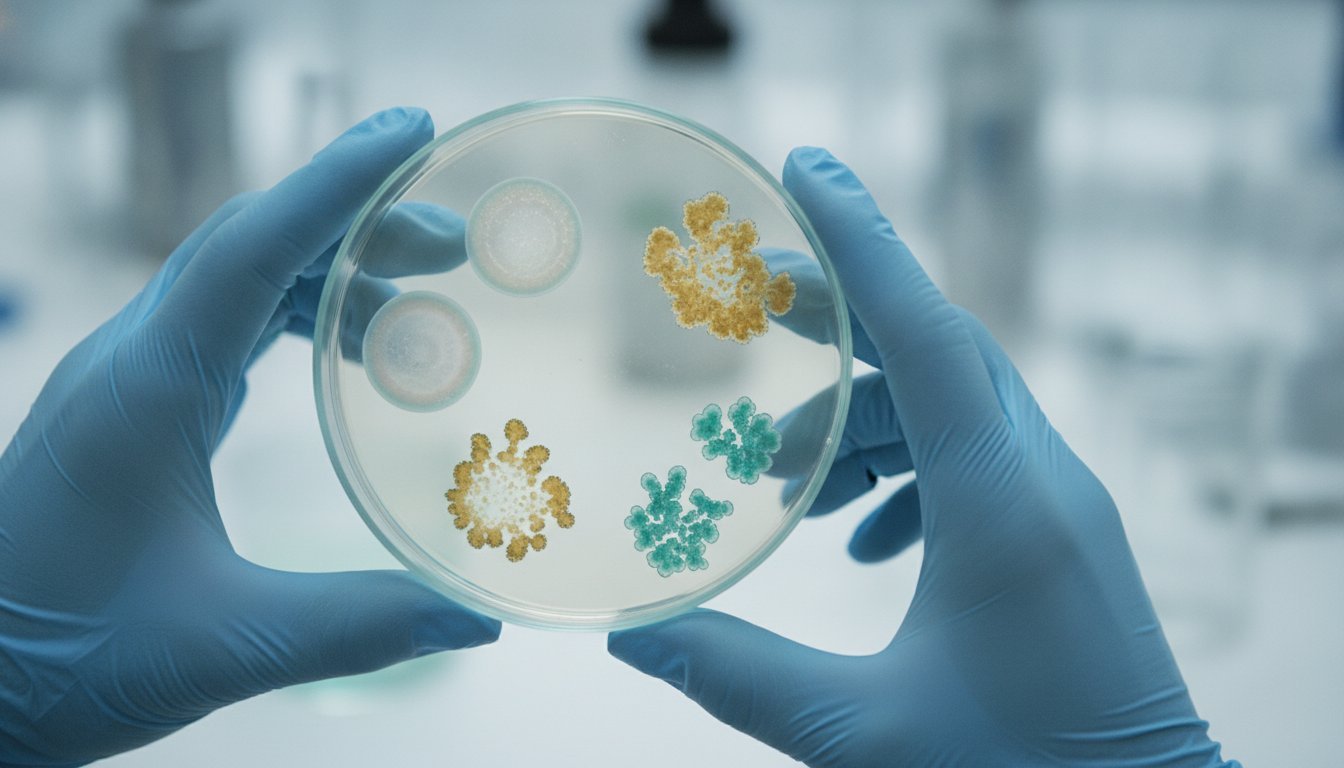
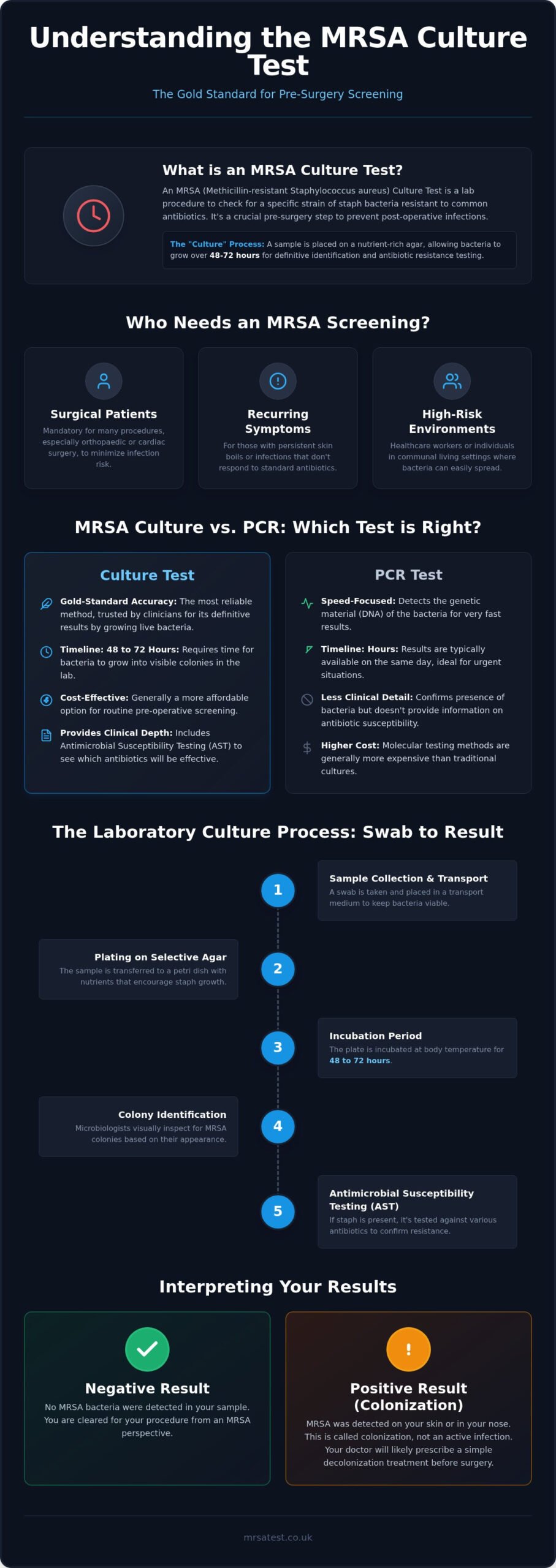
A “culture” is a specialized laboratory technique where clinicians provide the bacteria with the ideal conditions to grow. By placing a sample on a nutrient-rich substance called agar, scientists can observe the bacteria as they multiply over 48 to 72 hours. This method is distinct from rapid tests because it allows for a definitive identification of the bacterial strain and its specific resistance patterns. The mrsa culture test is the clinical process of isolating S. aureus and testing its resistance to antibiotics.
The Role of MRSA Screening in UK Hospitals
Preventing healthcare-associated infections is a top priority for both the NHS and private medical facilities. Hospitals require screening because MRSA can significantly hinder surgical recovery and wound healing. If a patient is colonized with the bacteria before an operation, the risk of a post-operative infection increases. This can lead to longer hospital stays or the need for additional treatments. Part of preparing for surgery involves completing these mandatory screenings to ensure the surgical environment remains sterile and the patient remains protected.
Who Needs an MRSA Culture Test?
While hospitals often mandate screening for specific groups, several individuals can benefit from the clarity of a culture. You might require an mrsa culture test if you fall into one of these categories:
- Surgical Patients: Those scheduled for elective procedures, particularly orthopaedic or cardiac surgeries, where the risk of infection must be minimized.
- Individuals with Recurring Symptoms: People experiencing persistent skin boils, abscesses, or infections that don’t respond to standard treatments.
- High-Risk Environments: Healthcare workers or individuals living in communal settings where the bacteria can spread more easily.
By identifying the presence of MRSA early, you and your healthcare provider can take proactive steps. This might include simple decolonization treatments to clear the bacteria from your skin before your procedure begins, which helps prevent the bacteria from causing an active infection during your recovery.
How the Laboratory Culture Process Works
Once you’ve completed your home swab, the sample begins a carefully managed journey to an accredited laboratory. The swab is stored in a transport medium, which is a specialized gel that keeps the bacteria viable without allowing them to overgrow during transit. Upon arrival at the lab, clinical scientists begin the mrsa culture test by transferring the sample onto a petri dish filled with enriched agar.
This agar acts as a nutrient-rich soil. To ensure accuracy, labs use selective media containing specific ingredients that inhibit the growth of most other bacteria while allowing staphylococci to thrive. The plates are then placed in an incubator set to body temperature. This incubation period typically lasts between 48 and 72 hours, providing enough time for individual bacteria to multiply into visible clusters called colonies. A MRSA Tests report is only finalized once microbiologists can visually identify and confirm these growth patterns.
From Swab to Agar: The Initial Phase
The initial phase focuses on isolation. Microbiologists look for specific physical characteristics in the colonies, such as color and shape, to identify Staphylococcus aureus. Because the laboratory uses selective media, the diagnostic process is highly focused. This reduces the risk of “noise” from other common skin bacteria, ensuring that the results specifically reflect your MRSA status rather than a general bacterial presence. This level of clinical depth is why the culture method remains a preferred choice for many surgical teams.
Determining Resistance: The AST Phase
If staph bacteria are identified, the lab proceeds to Antimicrobial Susceptibility Testing (AST). This is the most critical part of the mrsa culture test. During this phase, scientists introduce various antibiotics to the bacterial colonies to observe which ones effectively stop the growth. To confirm methicillin-resistance, the lab specifically tests the sample against indicators like oxacillin or cefoxitin.
This detailed analysis provides your doctor with more than just a positive or negative result. It generates a “sensitivity profile,” which lists exactly which antibiotics will work against that specific strain. Having this data on hand before a procedure allows your medical team to tailor your care plan with precision. If you are preparing for an upcoming operation, you can order a private culture kit to complete this essential screening from the comfort of your home.
MRSA Culture vs. PCR: Which Test Should You Choose?
Choosing the right diagnostic method depends on your specific timeline and clinical needs. While both identify the presence of bacteria, they use fundamentally different technologies. The mrsa culture test relies on observing live bacterial growth, whereas PCR (Polymerase Chain Reaction) identifies genetic signatures. Understanding these differences helps you select the test that meets your hospital’s requirements without unnecessary expense.
When Speed is Essential: The Rapid PCR Option
If your surgery is scheduled for the next few days, speed is your priority. A rapid MRSA test using PCR technology typically delivers results within 24 hours of the sample reaching the lab. This molecular approach searches for DNA fragments unique to MRSA. It’s an incredibly sensitive method that can detect the bacteria even in very small quantities. Because it requires specialized equipment and advanced reagents, it’s usually the more expensive choice. It’s the best fit for urgent pre-op requirements or last-minute hospital admissions.
When Culture is the Better Choice
For routine screenings where time isn’t the primary constraint, the traditional mrsa culture test is often the superior choice. It remains the budget-friendly option for non-urgent cases. The primary advantage of this method is that it confirms the presence of “live” bacteria rather than just DNA remnants. This allows the lab to perform comprehensive sensitivity testing to see which antibiotics work best against your specific strain. Many UK clinicians prefer this detailed data for elective procedures. You can find more information about these diagnostic standards through official MRSA Tests resources.
Your decision should ultimately reflect your surgery date. If you have at least a week before your procedure, the culture method provides the reliability you need while keeping costs manageable. It’s a dependable way to confirm your status and satisfy hospital protocols. However, if you’re in a rush, the rapid PCR option ensures you don’t face surgical delays. Both methods provide the professional, accredited results required for a safe transition into your hospital care.
Step-by-Step Guide: How to Perform an MRSA Swab at Home
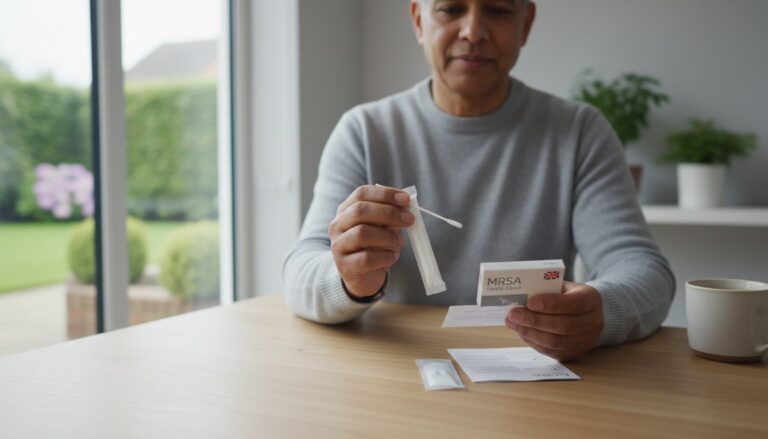
Performing your own swab is a simple process, but it requires careful attention to detail. A high-quality sample ensures that the mrsa culture test can accurately detect any bacterial colonization. Before you begin, clear a clean workspace and wash your hands thoroughly. Your kit includes everything needed for a clinical-grade collection: sterile swabs, transport tubes containing a stabilizing medium, and patient labels.
If your specific instructions suggest it, you may need to moisten the swab tip with a few drops of sterile saline or the provided transport liquid. This helps the swab pick up skin cells and bacteria more effectively. However, only do this if explicitly stated in your kit’s guide. Most kits are designed to work with dry or pre-moistened swabs, so following the included manual is essential for a valid result.
Swabbing the Primary Sites: Nose and Groin
The accuracy of your results depends on reaching the areas where MRSA is most likely to reside. Follow these steps for the primary sites:
- The Nose: Insert the tip of the swab into the front of one nostril, known as the anterior nares. Rotate the swab against the inside surface five times using gentle pressure. Repeat this process in the second nostril using the same swab.
- The Groin: Rub the swab firmly over the skin folds where the legs meet the torso. Ensure you cover the skin in this fold for about five to ten seconds to pick up an adequate sample.
- The Axilla: If your kit includes an axilla (armpit) swab, rub the tip firmly across the center of the armpit area.
It’s vital to avoid touching the swab tip to any other surfaces, such as your clothes, the floor, or the table. This prevents cross-contamination that could lead to an invalid or misleading result.
Packaging and Returning Your Sample
Once the collection is complete, place the swab immediately into the transport tube. Push it down until it’s secure in the medium and snap the cap shut to prevent leaks or drying. Clear labelling is vital for the laboratory to process your sample safely and efficiently. Write the date and time of collection clearly on the provided labels and attach them firmly to each tube.
Place the tubes into the protective packaging provided in your kit. Use the prepaid Royal Mail tracked envelope for your return. It’s best to post your sample on the same day you collect it to ensure the bacteria remain viable for the mrsa culture test. You can order your at-home MRSA culture kit here to begin your pre-operative screening with confidence and discretion.
Interpreting Your Results and Next Steps
Receiving your report is the final stage of the diagnostic process. The results of your mrsa culture test will typically be categorized as either negative or positive. Understanding these terms helps you communicate effectively with your medical team and ensures you’re prepared for your upcoming procedure. Your results provide a snapshot of your bacterial status at the time the swabs were taken.
A Negative result means that the laboratory didn’t detect any Methicillin-resistant Staphylococcus aureus in the samples provided. For most patients, this is the final requirement needed to proceed with elective surgery. A Positive result indicates that MRSA was successfully grown and identified in the lab. While this can cause some initial anxiety, it’s a common clinical finding that’s easily managed with the right protocol. It isn’t a reason to panic; it’s simply a prompt for proactive care.
Understanding MRSA Colonisation vs. Infection
It’s vital to distinguish between being “colonised” and having an active infection. Many healthy individuals carry MRSA on their skin or in their nostrils without ever feeling ill or showing symptoms. This is known as colonisation. However, hospitals take this status seriously because surgery provides a pathway for these bacteria to enter the body, where they can cause a serious infection. You can find more detail in our guide on what is MRSA, which explores the clinical risks and causes in depth.
What Happens if Your Result is Positive?
If your mrsa culture test returns a positive result, your next step is to share the report with your GP or hospital consultant. They’ll likely prescribe a standard “decolonisation” protocol. This usually involves a five-day course of treatment designed to clear the bacteria from your skin and nasal passages. The protocol typically includes:
- Antiseptic Body Wash: Used daily to reduce the bacterial load on your skin.
- Nasal Ointment: Applied to the inside of the nostrils to eliminate the primary site of colonisation.
- Environmental Hygiene: Washing your bedding and towels at high temperatures during the treatment period.
After completing this treatment, you may need a follow-up test to confirm the bacteria have been cleared. This process is a critical part of hospital-acquired infection prevention. By addressing colonisation before you arrive at the hospital, you protect yourself from post-operative complications and help maintain a safe environment for other vulnerable patients. Once you have your results, you can move forward with a clear plan, knowing you’ve taken the necessary steps for a successful recovery.
Secure Your Surgical Date with Confidence
Navigating hospital requirements doesn’t have to be a source of stress. By choosing an mrsa culture test, you’re opting for a clinically robust method that provides your surgical team with essential antibiotic sensitivity data. This ensures that any potential colonisation is identified and managed long before you enter the operating theatre. Our process bridges the gap between professional laboratory accuracy and the privacy of your own home.
We provide everything you need for a successful screening, from sterile swabs to clear return instructions. You’ll benefit from accredited UK laboratory analysis and a fast 48-72 hour turnaround once your sample arrives at the lab. Every kit is delivered in discreet, plain packaging to protect your privacy throughout the process.
Ready to tick this essential task off your pre-op checklist? Order your MRSA Culture Test Kit (Nose/Groin/Axilla) today for professional, private results. You can move forward with your procedure knowing you’ve taken a proactive, expert-backed step toward a safe and smooth recovery.
Frequently Asked Questions
How long does an MRSA culture test take to show results?
An mrsa culture test typically provides results within 48 to 72 hours once the sample reaches the accredited laboratory. This timeframe allows the bacteria enough time to grow on enriched agar plates for accurate identification. If you require a faster turnaround for an imminent surgery, you might consider a rapid PCR test, which delivers results within 24 hours. However, the culture method remains the gold standard for providing detailed antibiotic sensitivity data to your doctor.
Is an MRSA culture test painful?
No, the testing process is entirely non-invasive and shouldn’t be painful. You simply use a sterile swab to gently collect samples from the surface of your skin in areas like the nostrils, groin, or armpits. While you may feel a slight tickling sensation or minor pressure during the collection, there aren’t any needles or invasive procedures involved. Most patients find the process quick and easy to complete from the comfort of their own home.
Can I do an MRSA swab test at home for my surgery?
Yes, you can complete your mandatory pre-operative screening using an at-home kit. Many hospitals and private clinics in the UK accept results from accredited laboratories for elective procedures. By ordering a self-collection kit, you avoid the inconvenience of attending an in-person clinic appointment while still receiving a professional, clinical-grade report. It’s important to verify with your specific surgical team that they accept private screening results before you proceed with your order.
What is the difference between an MRSA culture and an MRSA screen?
An MRSA screen is the general term for the process of checking a patient for colonization, while a culture is the specific laboratory method used to perform that screen. During this process, clinicians attempt to grow live bacteria from your sample to identify the strain. Other screening methods, like PCR, look for genetic material instead. The culture method is often preferred because it allows labs to test which specific antibiotics are most effective for your care.
Where exactly do I need to swab for an MRSA culture?
For a comprehensive screening, you typically need to swab three primary areas where the bacteria are most likely to reside. These include the anterior nares (the inside of both nostrils), the skin folds of the groin, and the axilla (armpits). Your kit will include specific instructions on how many rotations are required for each site. Following these steps precisely ensures the lab receives a high-quality sample for an accurate and reliable diagnostic result for your upcoming surgery.
What does ‘Methicillin-resistant’ actually mean for my treatment?
Being “Methicillin-resistant” means the specific strain of Staphylococcus aureus bacteria has developed a defense against common antibiotics, including penicillin and oxacillin. If you receive a positive result, your doctor won’t use these standard medications for your treatment. Instead, they’ll select alternative antibiotics that the lab has confirmed are still effective. This information is vital for your surgical team to prevent post-operative infections that could be difficult to treat with traditional medicine during your recovery.
Can I eat or drink before taking an MRSA swab?
Yes, you can eat and drink normally before collecting your samples. Because the test involves swabbing the surface of your skin and the inside of your nostrils rather than taking a blood or saliva sample, your diet doesn’t affect the results. There’s no need to fast or change your routine. Simply ensure that the swabbing sites are clean and free from topical creams or ointments that might interfere with the bacterial collection process.
How accurate is an at-home MRSA culture test compared to a hospital test?
An at-home mrsa culture test is just as accurate as one performed in a hospital setting when you follow the collection instructions carefully. The primary difference is the location of the swab collection, not the quality of the analysis. We use the same accredited UK laboratories that serve professional healthcare providers. These labs adhere to strict quality standards to ensure your results are reliable, private, and meet clinical requirements for your upcoming surgery.