Living with an MRSA Carrier: A Practical Guide to Household Safety
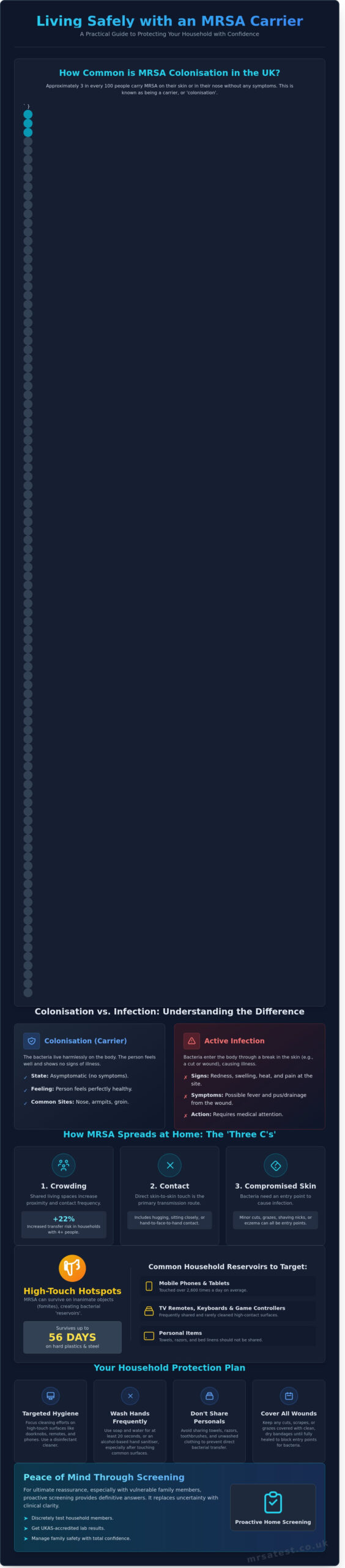
Did you know that approximately 3 in every 100 people in the UK carry MRSA on their skin or in their nose without ever showing a single symptom? Finding out that a family member is colonised can feel overwhelming, especially when living with an mrsa carrier means worrying about “invisible” bacteria on every shared surface. You might feel a sense of social stigma within your own home or fear passing the bacteria to more vulnerable relatives.
We understand these anxieties, but it’s important to remember that colonisation isn’t the same as an active infection. You can maintain a safe, happy household by following a few professional protocols. This guide will show you exactly how to manage your environment and protect your family with confidence. We’ll provide a clear cleaning checklist, help you distinguish between real and perceived risks, and explain how to implement a discreet household screening plan using UKAS-accredited testing to ensure everyone’s peace of mind.
Key Takeaways
- Understand the vital distinction between asymptomatic colonisation and active infection to assess household risks accurately and calmly.
- Identify the primary transmission routes when living with an mrsa carrier, from direct skin contact to shared household objects like towels or remotes.
- Adopt a “targeted hygiene” approach that focuses on high-risk touchpoints to effectively break the chain of infection without unnecessary stress.
- Learn how to provide essential protection for vulnerable household members, including infants, the elderly, and those recovering from surgery.
- Discover the benefits of proactive, discreet home screening to gain clinical clarity and manage your family’s safety with total confidence.
Understanding What it Means to be an MRSA Carrier
Methicillin-resistant Staphylococcus aureus (MRSA) is a type of bacteria that has developed resistance to several widely used antibiotics, such as methicillin and penicillin. While the name often causes alarm, it’s a common bacterium found in the environment. In the UK, data suggests that approximately 1 in 30 people carry MRSA on their skin or in their nose without any ill effects. This state is known as being a carrier. If you’re living with an mrsa carrier, it’s vital to understand that they aren’t “sick” in the traditional sense. For healthy individuals, carrying the bacteria isn’t a “superbug” sentence. It’s a manageable situation that requires awareness rather than fear.
Colonisation vs. Infection: Why it matters
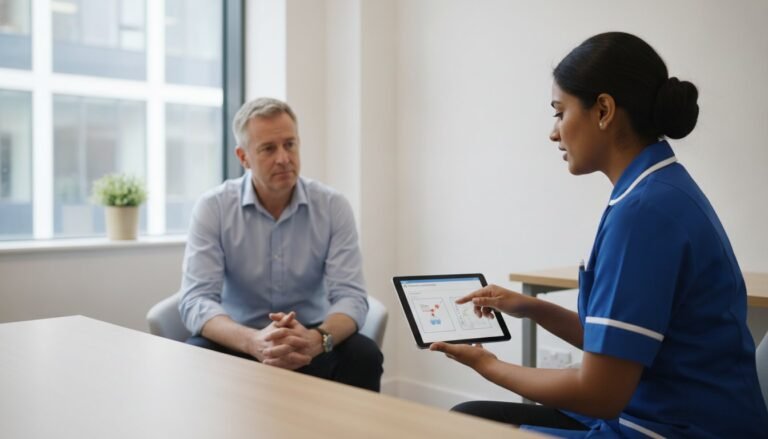
Colonisation means the bacteria live harmlessly on the body, usually in the nose, armpits, or groin. No symptoms occur during colonisation, and the person feels perfectly well. However, if the bacteria enter the body through a cut, graze, or surgical site, an active infection can develop. You’ll notice specific signs if this happens:
- Increased redness and swelling around a wound
- Heat or localized pain in the affected area
- The presence of pus or yellow drainage
Because of these risks, UK hospitals routinely screen patients before planned procedures. Identifying a carrier early allows medical teams to use simple decolonisation treatments, such as antiseptic body washes, which significantly reduces the risk of post-surgical complications.
The stigma of the ‘Superbug’ label
Media reports often use sensationalist language when discussing MRSA, but the clinical reality is far more grounded. For most people, living with an mrsa carrier doesn’t change daily life significantly. Standard household hygiene, like regular handwashing and not sharing towels, keeps risks very low. Open communication with housemates is always better than secrecy. When everyone understands that MRSA is a common bacterium rather than a mysterious plague, they can take simple, practical steps to stay safe. It’s about quiet competence and routine care, not isolation or panic. Maintaining a clean home and following basic hygiene protocols is usually all that’s required for peace of mind.
MRSA Transmission Risks: How the Bacteria Spreads at Home
Understanding the mechanics of bacterial transfer is vital when living with an mrsa carrier. While the carrier themselves may remain healthy and asymptomatic, the bacteria are opportunistic. They move between people and objects through subtle, everyday actions. Most domestic transmission occurs through physical contact, but the bacteria’s ability to survive outside the human body makes the home environment a complex landscape to manage. It’s a silent process that requires consistent awareness rather than alarm.
The ‘Three C’s’ of domestic transmission
Clinical experts often categorise the risk factors for household spread into three specific areas. These “Three C’s” help identify why certain environments are more prone to outbreaks than others.
- Crowding: Shared living spaces naturally increase the frequency of proximity. In households with four or more residents, the probability of bacterial transfer between individuals rises by approximately 22% compared to smaller households. Shared beds or cramped communal areas provide more opportunities for the bacteria to find a new host.
- Contact: Direct skin-to-skin touch is the primary transmission route. This includes everything from a hug to sitting closely on a shared sofa. Because MRSA often colonises the nose, hand-to-face contact followed by touching a family member creates a direct bridge for the bacteria.
- Compromised skin: MRSA requires an entry point to cause an infection. A 2022 clinical review highlighted that even minor abrasions, such as those caused by shaving, grazes, or eczema, significantly increase the risk of the bacteria moving from the skin’s surface into the bloodstream. Effective MRSA Prevention relies heavily on keeping these “entry points” covered and clean.
High-touch surfaces and bacterial ‘reservoirs’
MRSA is remarkably hardy. It doesn’t die immediately when it leaves the skin; instead, it settles on “fomites,” which are inanimate objects capable of carrying infection. Research indicates that Staphylococcus aureus can survive on hard plastics and stainless steel for up to 56 days if surfaces aren’t regularly disinfected. High-touch items like mobile phones, which the average person touches over 2,600 times daily, often act as concentrated reservoirs for the bacteria.
Computer keyboards, remote controls, and door handles are common culprits, but dust also plays a significant role. Humans shed nearly 35,000 skin cells every hour. These microscopic scales, or dander, can carry bacteria into carpets and upholstery, where they remain viable for weeks. Using a discreet at-home screening kit can help you identify if these bacteria have successfully colonised other household members, allowing you to manage the environment with clinical precision and peace of mind.
Practical Steps for Preventing MRSA Spread in Your Household
Effective prevention when living with an mrsa carrier relies on a strategy called “Targeted Hygiene.” Instead of cleaning everything constantly, you focus your efforts on the specific moments and places where the chain of infection is most likely to spread. Handwashing remains the single most effective barrier against cross-contamination. You should use liquid soap and warm water, scrubbing for at least 20 seconds, especially after assisting a carrier with wound care or handling their laundry.
Laundry and linen management
Bacteria like Staphylococcus aureus are remarkably resilient and can survive on fabrics for several weeks. To eliminate this risk, you must wash the carrier’s towels, face cloths, and bedding at a minimum temperature of 60°C. Lower temperatures may clean the fabric but won’t reliably kill resistant bacteria. You should never share personal items such as razors, towels, or flannels, as these are primary vehicles for skin-to-skin transmission. Using a tumble dryer on a high heat setting or hanging laundry in direct sunlight will further reduce any remaining bacterial load through heat and UV exposure.
Frequent washing at high temperatures can be hard on fabrics, causing them to wear out faster. Investing in well-made, durable clothing from quality brands can help your wardrobe withstand the necessary hygiene routines. For those looking for inspiration on high-quality, responsible garments, you can visit Rags Fashion to see examples of Scandinavian and European styles known for their longevity.
Cleaning high-traffic zones
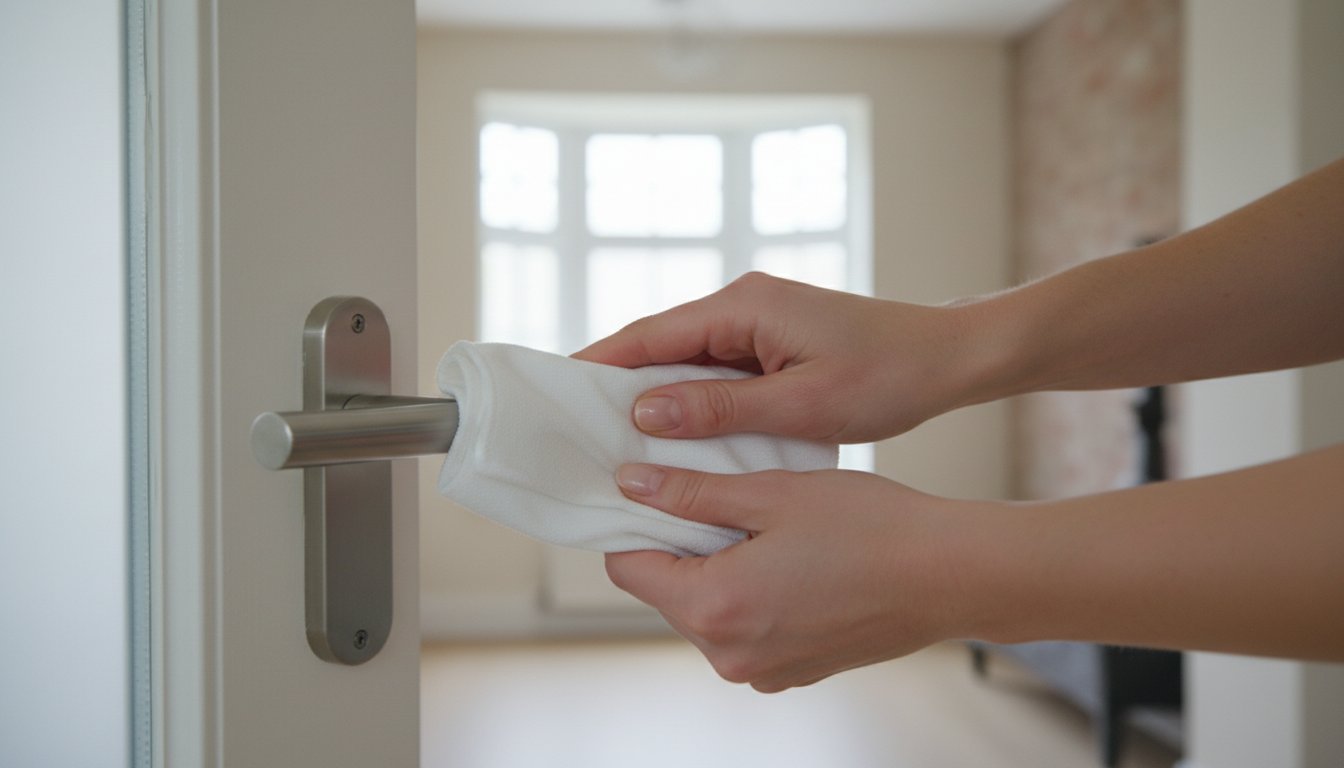
The bathroom and kitchen are the two critical hygiene hubs in any home. These areas require frequent disinfection of “high-touch” surfaces like taps, door handles, and toilet flushes. Use disposable cloths or colour-coded sponges to ensure you don’t move bacteria from the bathroom to the kitchen. Most standard UK household disinfectants that meet BS EN 1276 standards are effective against MRSA, provided you follow the manufacturer’s instructions regarding contact time. Simply wiping a surface isn’t enough; the disinfectant often needs to sit for 30 to 60 seconds to work properly.
Personal hygiene for the carrier
When living with an mrsa carrier, managing the bacteria on their skin is a priority. Using an antiseptic body wash containing chlorhexidine, such as Hibiscrub, can significantly reduce skin colonisation levels. It’s vital to cover any active cuts, scrapes, or sores with fresh, waterproof dressings to trap bacteria and prevent them from shedding onto furniture. The carrier should prioritise showering over bathing. Showers are more effective at rinsing bacteria away, whereas bathing can allow bacteria to circulate in the water and settle on other parts of the body.
Protecting Vulnerable Family Members and Pets
While most healthy people don’t develop an infection, living with an mrsa carrier poses higher risks for specific groups. According to NHS data, approximately 1 in 30 people carry MRSA on their skin or in their nose without symptoms. For those with weakened immune systems, this “colonisation” can quickly transition into a serious infection. Clinical audits indicate that surgical site infections are 5 times more likely if MRSA is present during the post-operative recovery phase.
Identify who in your home needs the most protection:
- Infants under 12 months with developing immune systems.
- Elderly relatives, particularly those over 75 years old.
- Individuals with chronic conditions like type 2 diabetes or kidney disease.
- Anyone with an indwelling medical device, such as a catheter or feeding tube.
Seek professional medical advice immediately if a vulnerable household member develops a fever over 38°C or if any skin site becomes red, hot, and painful to the touch. These are often the first signs that the bacteria has breached the skin barrier.
Shielding the ‘At-Risk’ individual
If you’re living with an mrsa carrier and caring for a vulnerable person, strict hygiene is your primary defence. Caregivers must wash their hands with antimicrobial soap before and after every physical contact. It’s essential to screen everyone in the household if a high-risk person is present. This process identifies silent carriers who might unknowingly pass the bacteria to the vulnerable individual. Ensure the carrier uses separate towels and flannels, and keep all cuts or grazes covered with waterproof dressings to prevent shedding.
MRSA and household pets
Many people ask if their dog or cat can catch MRSA. The answer is yes. While rare, MRSA is a “zoonotic” bacteria, which means it can move between humans and animals. Research indicates that up to 10% of pets in households with a human carrier may also become colonised. If a household member persistently tests positive despite treatment, the family pet might be the source of re-infection.
Watch for these symptoms in your pets:
- Skin lesions or “hot spots” that don’t heal with standard creams.
- Persistent discharge from the ears or nose.
- Redness and swelling around a recent surgical site or wound.
If you notice any of these signs, it’s crucial to seek professional veterinary advice. A knowledgeable practice, such as the award-winning Streatham Hill Veterinary Surgery, can perform tests to confirm the presence of MRSA and recommend an appropriate treatment plan to protect both your pet and your family.
Always wash your hands thoroughly after petting animals or cleaning litter trays. Keeping your pet’s bedding clean using a 60°C wash cycle helps reduce the bacterial load in the home environment.
Protect your loved ones by confirming your status. You can order a discreet MRSA home test kit to get accurate results from a UKAS-accredited laboratory.
Peace of Mind: The Role of Household MRSA Screening
Living with an MRSA carrier creates a unique set of worries, but clarity is the most effective tool against anxiety. When you understand your own status, you replace guesswork with facts. Knowing whether you or other family members have become colonised helps stop the cycle of transmission before it leads to a painful infection. It’s about taking control of your home environment.
Why test healthy household members?
Research indicates that roughly 2% of the UK population carries MRSA without showing any symptoms. These “silent” carriers can unknowingly spread the bacteria to shared surfaces like door handles, remote controls, or towels. In a shared home, this colonisation can circulate between residents for months. For an anxious housemate, the psychological benefit of a negative result is immense; it provides the confidence that your hygiene routines are working. Screening involves a simple swab of the nose and groin area to detect the presence of the bacteria.
Testing also serves as a vital verification step. If a household member has recently completed a decolonisation protocol using antiseptic washes and nasal creams, a follow-up test confirms the treatment was successful. Clinical guidelines often recommend three negative swabs to confirm clear status, and home testing makes this monitoring process manageable.
Ordering a confidential home test kit
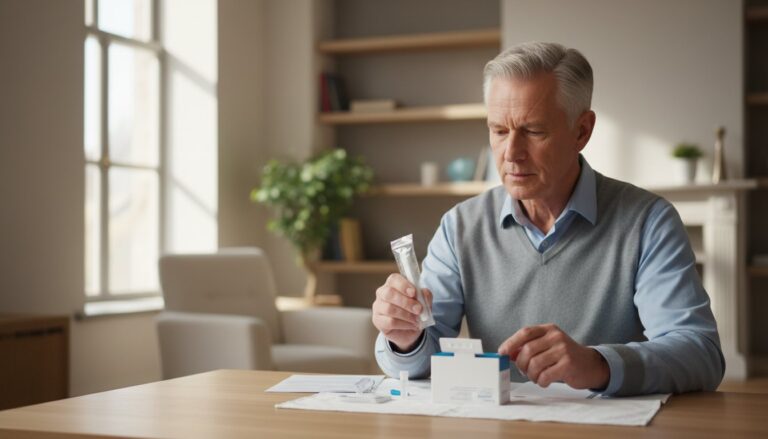
Accessing screening through the NHS can sometimes be difficult if you aren’t currently showing symptoms or awaiting major surgery. The mrsatest.co.uk service provides a faster, clinical-grade alternative that fits around your schedule. You order your kit online, perform the swabs in the comfort of your own home, and return them to the lab via a pre-paid envelope.
Every sample is processed in a UKAS-accredited laboratory, ensuring the same level of professional accuracy you’d expect in a hospital setting. We offer both standard culture tests and MRSA PCR rapid test options for molecular detection within 24 hours of the lab receiving your sample. Results are delivered discreetly, keeping your health information private and secure. It’s a dependable way to manage the risks of living with an MRSA carrier without the stress of multiple clinic visits.
Take Proactive Steps for Your Family’s Health
Managing the daily risks of living with an mrsa carrier doesn’t need to be a source of constant anxiety. By implementing strict hand hygiene and laundering shared items at 60°C, you’ve already established a strong baseline for safety. Understanding that colonization is a manageable state rather than an immediate crisis allows you to focus on practical prevention. Protecting your loved ones starts with clear information and consistent household routines.
Knowledge is your most effective tool for maintaining a healthy home environment. Our 100% UK-based service provides the clinical data you need to make informed decisions. We process every sample in UKAS-accredited laboratories, ensuring you receive the same level of accuracy as a hospital setting. You can order a discreet MRSA test kit for household screening today and have your private results delivered within 24 to 72 hours. This fast, reliable process removes the guesswork and helps you stay in control. You’ve got the tools and the knowledge to keep your household safe and secure.
Frequently Asked Questions
Can I sleep in the same bed as an MRSA carrier?
Yes, you can share a bed with someone colonised with MRSA, provided they don’t have active, draining skin infections. The bacteria spread through direct contact, so the carrier should wear pyjamas to provide a physical barrier. You should change bed linens at least twice a week and wash them at 60°C to kill any lingering bacteria. Following these steps significantly reduces the risk of transmission during the night.
How long does MRSA survive on household surfaces like sofas or carpets?
MRSA is a resilient bacterium that can survive on non-porous surfaces like plastic or tile for up to 7 months. On soft surfaces such as sofas, cushions, or carpets, it typically persists for several weeks depending on humidity levels. You should vacuum carpets regularly using a machine with a HEPA filter. For upholstered furniture, using a steam cleaner at temperatures above 71°C will effectively eliminate the bacteria.
Do I need to use bleach on everything if my partner has MRSA?
You don’t need to use bleach on every surface, but focus on high-touch areas to maintain a safe environment. Use a disinfectant that meets the BS EN 1276 standard for items like door handles, light switches, and remote controls. A solution of one part bleach to ten parts water is effective for hard surfaces in kitchens and bathrooms. Standard household detergents are perfectly adequate for general floor cleaning and dusting tasks.
Can I catch MRSA just by being in the same room as someone?
No, you cannot catch MRSA simply by breathing the same air or being in the same room as a carrier. MRSA isn’t an airborne virus like the common cold or flu. Transmission requires direct physical contact with the bacteria, either through skin-to-skin touch or by handling contaminated items like used towels. When living with an mrsa carrier, maintaining a distance of 1 metre is unnecessary as long as everyone follows basic hand hygiene.
Should I tell my guests that someone in the house is an MRSA carrier?
You aren’t legally or medically required to inform every guest, but you should consider the health of your visitors. If a guest is immunocompromised or has a surgery scheduled within the next 30 days, they face a higher risk of infection. Since 1 in 30 people in the UK carry MRSA on their skin without knowing it, providing fresh hand towels and liquid soap is usually sufficient protection for healthy guests.
What should I do if I have a cut and I’m living with a carrier?
Clean any new cuts or grazes immediately with an antiseptic solution and cover them with a waterproof plaster. Open wounds are the primary entry point for bacteria when living with an mrsa carrier. You should monitor the area for redness, heat, or swelling for at least 48 hours. If you’re concerned about potential transmission, using a discreet at-home MRSA culture test can provide clinical clarity without the need for a GP appointment.
Is it safe to share a bathroom with someone who has MRSA?
It’s safe to share a bathroom if you follow strict hygiene protocols and avoid sharing personal items. Never share razors, flannels, or towels, as these are primary vehicles for bacterial transfer. Use liquid soap instead of bar soap, which can harbour bacteria on its damp surface. Clean the shower tray and sink daily with a standard bathroom disinfectant to reduce the risk of cross-contamination by over 90%.
How often should I test myself if I live with a known carrier?
You don’t need to test yourself routinely unless you develop signs of a skin infection or are preparing for a hospital procedure. UK hospitals typically require an MRSA screen 2 to 4 weeks before elective surgery to ensure patient safety. If you’re feeling anxious about your status, a PCR rapid test offers a molecular detection option that provides results within 24 hours from the comfort of your own home.