
What if a diagnosis of MRSA didn’t have to mean isolation or a sense of shame in your own home? For many, the first reaction to testing positive is a feeling of being “dirty” or a deep fear of infecting vulnerable relatives. You might find that explaining mrsa to family feels like a daunting task, especially when you are still processing the difference between being a carrier and being actively ill. It’s natural to feel overwhelmed, but clinical facts can quickly replace that initial anxiety with a sense of control.
In this guide, you will learn how to communicate clearly with your loved ones and implement practical safety steps without causing unnecessary fear. We will explore the latest 2026 data, which shows that approximately 2% of the global population are carriers, helping to normalize the situation for those you live with. You will gain a structured plan for household hygiene and the specific language needed to reassure your household. Our goal is to ensure you feel supported and that your family remains safe and informed through a well-managed, professional process.
Key Takeaways
- Understand that MRSA is a common medical condition rather than a reflection of personal hygiene, allowing you to discuss the topic without shame.
- Master the clinical distinction between “colonisation” and “infection” to simplify the process of explaining mrsa to family members.
- Implement practical household safety measures, such as prioritising hand hygiene and establishing clear rules for sharing personal items like towels and razors.
- Alleviate anxiety by learning why healthy relatives with strong immune systems are generally at very low risk of developing a serious infection.
- Discover how at-home screening provides definitive answers and restores household confidence without the need for a GP appointment.
Explaining MRSA to Family: Starting the Conversation
Starting a conversation about a positive MRSA result can feel heavy, but it doesn’t have to be a source of panic. The most effective way to approach explaining mrsa to family is to lead with clinical facts. Methicillin-resistant Staphylococcus aureus (MRSA) is simply a common bacterium that has adapted to survive certain standard antibiotics. It isn’t a sign that you’ve been negligent or that your home is unclean. By focusing on medical reality rather than social stigma, you can foster a productive discussion that prioritises household safety and mutual support.
Your primary goal is to provide awareness, not to cause alarm. Prepare for the talk by gathering specific facts to answer common questions about how the bacteria spreads. Many people worry about contagiousness immediately, so having clear answers ready can lower the emotional temperature of the room. Remember that MRSA is a medical condition, not a reflection of your personal hygiene or the cleanliness of your living space. It’s a logistical health challenge that requires a specific management plan, much like any other treatable condition.
Choosing the Right Time and Place
Privacy is essential for this discussion. Choose a quiet, comfortable setting where your family members feel they can ask questions without being rushed or overheard. It helps to start with the “good news” first. Remind them that MRSA is both manageable and treatable. When you remain calm and professional, your family is more likely to mirror that composure. Be honest about your status, whether you’re a carrier or have an active infection, and explain that you’re taking proactive steps to keep everyone safe. This transparency builds trust and reduces the “fear of the unknown” that often leads to household anxiety.
The “Stigma-Free” Approach
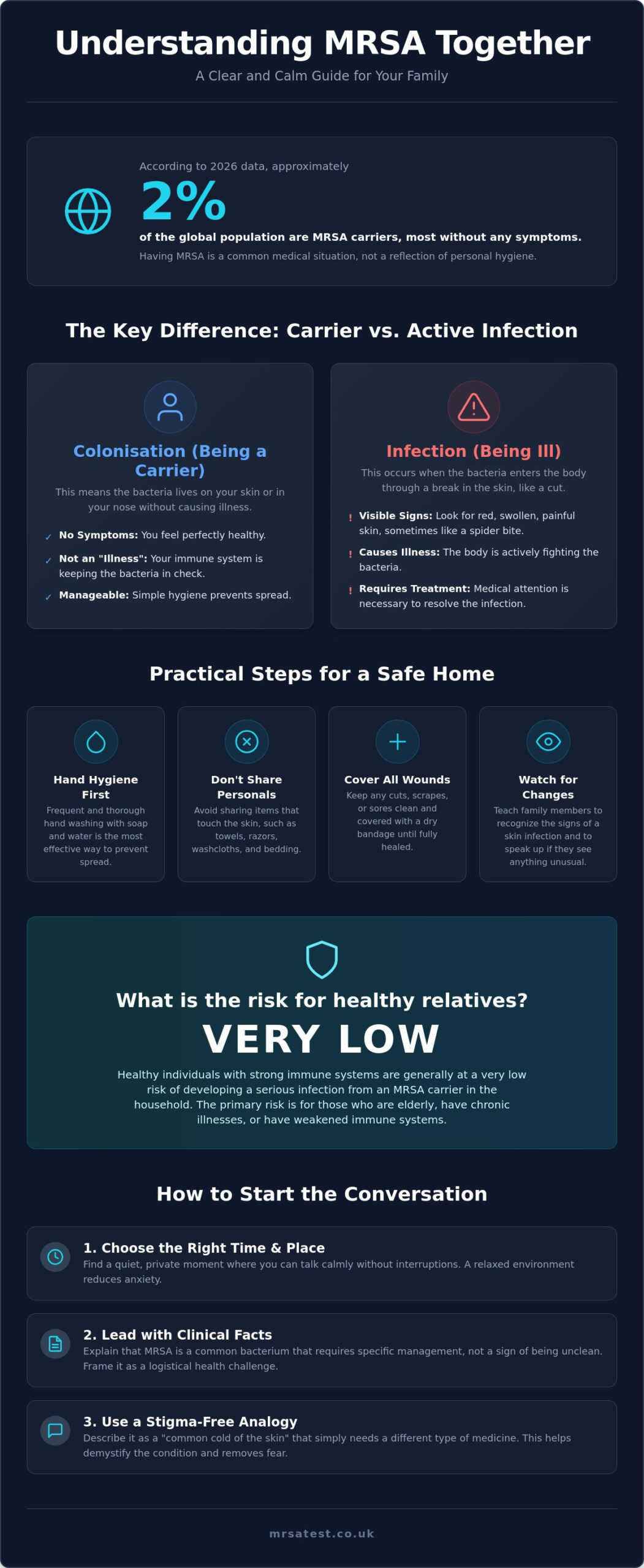
It’s helpful to remind your loved ones that they’ve likely encountered this bacterium before without knowing it. In 2026, data suggests that approximately 2% of the global population are carriers of MRSA. You might describe it as a “common cold” of the skin that simply requires a different type of medicine to resolve. This analogy helps demystify the condition and removes the sense of “otherness” that patients often feel. MRSA is a manageable bacterial presence rather than a dangerous “superbug” in every context. By framing it as a common biological hurdle, you help your family focus on the practical steps of hygiene and protection rather than the stigma of the diagnosis.
Colonisation vs. Infection: What Your Family Needs to Understand
One of the most critical parts of explaining mrsa to family is distinguishing between being a “carrier” and having an “infection.” These are two very different medical states. Colonisation refers to having the bacteria present on your skin or inside your nose without it causing any symptoms or illness. In contrast, an infection occurs when those same bacteria enter the body through a breach in the skin; this might be a cut, a scrape, or a surgical wound. Helping your loved ones understand this difference is the first step in reducing unnecessary household anxiety.
Most people who carry MRSA never actually become ill from it. Their immune systems keep the bacteria in check on the surface of the skin. However, knowing your status is the most effective way to prevent the transition from a harmless carrier to an active infection. When you identify colonisation early, you can take specific steps to protect your skin and prevent the bacteria from finding a way inside. This proactive approach turns a hidden risk into a manageable health factor.
The Role of the Carrier
Being a carrier is a common state and is often only temporary. It doesn’t mean you are unwell, but it does mean you can inadvertently pass the bacteria to others through direct skin-to-skin contact or shared items. This is a key point to emphasise when preventing the spread of MRSA within your household. For a deeper look at the technical causes and risks, you can read our guide on what is MRSA. Understanding this “silent” presence helps family members realise that while there’s no need for panic, there is a need for consistent, simple hygiene routines.
Recognising the Signs of Infection
While colonisation is invisible, an active infection usually presents clear physical signs. Teach your family to monitor for skin changes that might resemble a “spider bite.” These areas are often red, swollen, painful, or warm to the touch. They may also contain pus or be accompanied by a fever. It’s vital that family members never attempt to squeeze or drain a suspected MRSA sore themselves. This can push the bacteria deeper into the tissue or spread it to their own hands. If you are unsure about a skin change, an MRSA Culture can provide the clinical clarity you need to determine if the bacteria are present and if further medical action is required. Clear information is always the best tool for explaining mrsa to family and maintaining a safe home environment.
Practical Precautions for a Safe Household
Managing a household where someone is a carrier requires a shift in routine rather than a total disruption of family life. The most effective way to prevent transmission is through consistent hand hygiene. It’s the primary defense because it physically removes the bacteria before they can move from surface to skin. When explaining mrsa to family, it helps to frame these actions as a collective team effort to keep the environment safe for everyone. Simple handwashing with soap and water is often all that’s required to break the chain of transmission.
A strict “no-sharing” policy for personal items is another vital step. Bacteria can survive on porous materials and personal grooming tools for longer than many people realise. You should ensure that everyone has their own dedicated supplies, including:
- Towels and flannels
- Razors
- Nail clippers and files
- Toothbrushes and athletic equipment
Laundry practices also play a significant role in household safety. You should wash linens, towels, and clothing that come into contact with the skin on hot cycles of at least 60°C. High temperatures effectively neutralise the bacteria. Always ensure items are dried completely, preferably in a tumble dryer or in direct sunlight, as moisture can encourage bacterial survival. If you have any active cuts or scrapes, keep them clean and covered with dry, sterile bandages until they are fully healed. This simple barrier prevents the bacteria from shed into the environment.
Cleaning High-Touch Surfaces
Identify the “hot spots” in your home that everyone touches frequently. These include door handles, television remotes, light switches, and bathroom taps. You don’t need specialised industrial cleaners; standard household disinfectants that are effective against S. aureus are sufficient. Aim for a routine that feels like normal cleaning rather than a high-stakes response. This consistency helps maintain a sense of calm while effectively keeping the bacterial load in the home at a safe level.
Safe Interaction: Hugs, Kisses, and Shared Spaces
One of the biggest fears when explaining mrsa to family is the worry that physical affection is now dangerous. In reality, normal social contact like hugging or kissing is generally safe if the skin is intact and hands are washed. You don’t need to eat from separate plates or sit in different rooms. It’s helpful to understand that hospital-acquired infections are often linked to the clinical vulnerability of patients rather than the mere presence of the bug in a healthy home. As noted in resources regarding MRSA colonization vs. infection, healthy people with strong immune systems are at very low risk in a standard domestic setting.
Addressing Common Fears and Misconceptions
The most frequent question patients ask is: “Is my family at risk just by being near me?” This fear is understandable, but it’s often based on a misunderstanding of how the bacteria behave. For healthy people with strong immune systems, the risk of developing a serious infection is remarkably low. When you are explaining mrsa to family, emphasise that your presence in the home isn’t a threat to their wellbeing, provided you maintain the basic hygiene steps discussed earlier. The bacteria are a manageable medical factor, not an invisible cloud of danger.
However, you should be more mindful if your household includes vulnerable members. This group includes the elderly, individuals with chronic illnesses, or anyone who has recently undergone surgery. Their immune systems may not be as robust, making them more susceptible if the bacteria enter a wound. In these specific cases, being diligent about your “no-sharing” rules and handwashing becomes a professional courtesy to their health. If you are worried about a specific family member’s status, you can order an MRSA Rapid PCR Test to get definitive answers within hours.
Talking to children requires a different approach. You don’t need to use frightening terms like “antibiotic resistance.” Instead, use a simple script: “I have some tiny germs on my skin that need special soap to go away. We just need to wash our hands a bit more often to stay healthy.” This keeps the focus on the solution rather than the problem. It ensures children feel safe and informed without experiencing unnecessary anxiety.
Handling the “Superbug” Label
The term “superbug” is often used in headlines, but it is clinically misleading. It doesn’t mean the bacteria are invincible; it simply means they have developed resistance to some standard medicines. In 2026, medical science is well-equipped to manage these cases. Doctors have access to specific, non-standard antibiotics that effectively neutralise MRSA. It’s a treatable condition that is managed every day in professional clinical settings with high success rates.
When to Inform Others
You don’t need to tell every person you meet about your status. A “need to know” basis is the most practical approach. Healthcare providers, including dentists and physiotherapists, always need to know so they can follow proper protocols. Casual friends or coworkers usually do not, unless you are in a high-contact environment like a wrestling gym. Crucially, preparing for surgery requires total transparency with your surgical team. Providing this information early allows the hospital to plan your care efficiently and ensures the best possible outcome for your procedure.
Taking Control: Screening and Protection for the Whole Family
Ambiguity is often the primary driver of household stress. When you are explaining mrsa to family, the most powerful tool you have is definitive information. Knowing exactly who is carrying the bacteria allows you to move from general anxiety to targeted, practical protection. By implementing a structured screening process, you replace guesswork with clinical certainty. This makes the logistical side of management much easier for everyone involved, as it identifies exactly where the bacteria are present.
At-home MRSA testing provides a way to get these answers without the need for a GP appointment or a visit to a clinical setting. You can choose between two primary methods depending on your needs for speed and detail:
- MRSA Culture: This is the traditional method where a laboratory attempts to grow the bacteria from your swab. It is highly reliable but typically takes a few days for results.
- MRSA Rapid PCR Test: This method uses advanced DNA technology to identify the presence of the bacteria. It is the fastest option, providing results in a fraction of the time required for a culture.
Positioning these tests as a routine “safety check” for the whole household can help normalise the situation. It shifts the focus from one person “having a problem” to the entire family working together to ensure a clear environment. This proactive stance is often the final step in restoring a sense of normalcy and safety to your home life.
How At-Home Testing Works
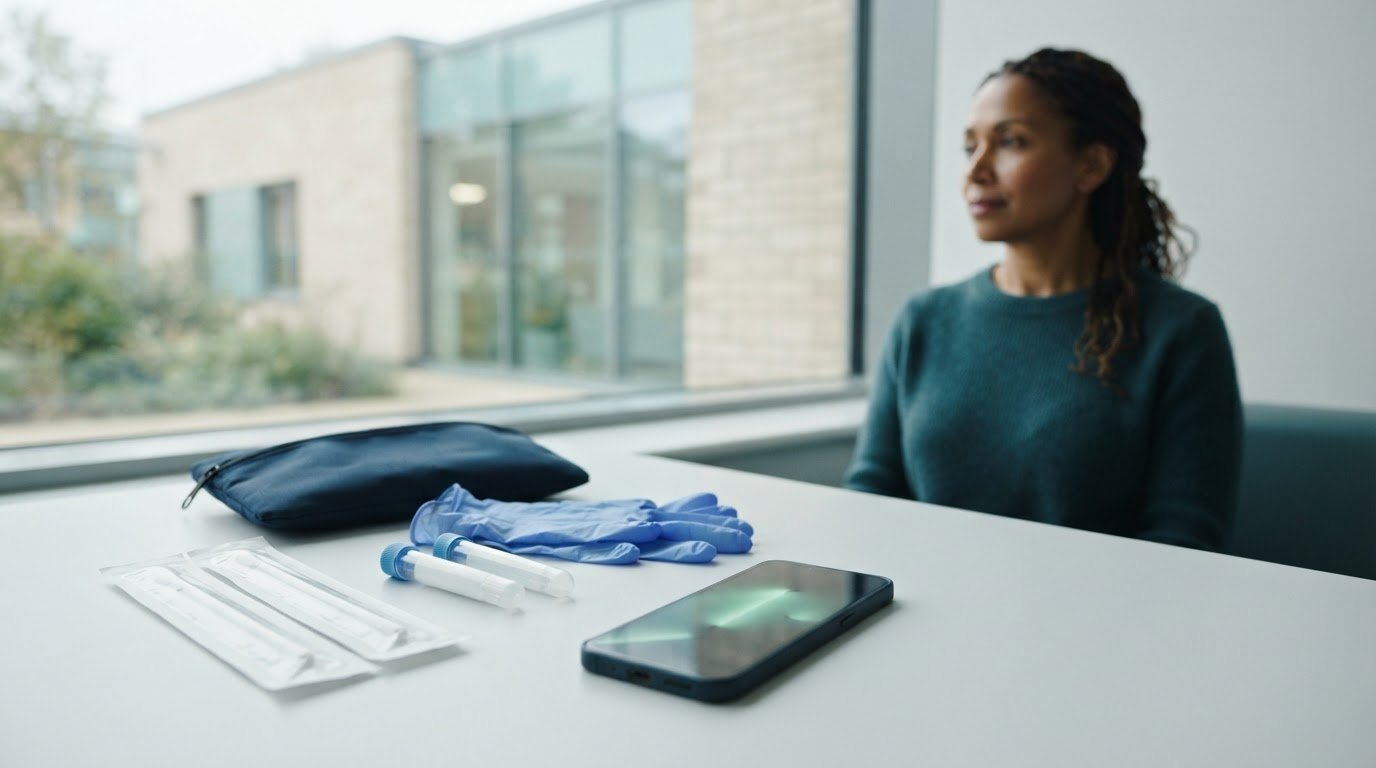
The testing process is designed to be straightforward and non-invasive. You simply use a swab to collect samples from common colonisation sites, such as the nose, groin, or axilla (armpit). Using a confidential MRSA test kit ensures that your health data remains private while providing clinical-grade accuracy. Once you have collected your samples, they are sent to verified, accredited laboratories for analysis. This professional oversight ensures that the results you share with your family are reliable and actionable.
Creating a Long-Term Management Plan
For known carriers, periodic screening is a sensible way to monitor if colonisation has naturally cleared or if management steps are working. Many families find peace of mind by performing a quick PCR check before significant events, such as visiting an elderly relative or welcoming a new baby into the home. Having a negative result in hand can remove the last lingering doubts about safety. If you are ready to move forward with clarity and confidence, Order a private MRSA screening kit today to ensure your family’s peace of mind and complete your household protection plan.
Restoring Confidence and Household Safety
Managing MRSA within a home environment is a matter of clear communication and consistent, professional hygiene. When you’re explaining mrsa to family, using clinical facts helps replace fear with a manageable routine. It’s helpful to remember that the distinction between colonisation and active infection is vital for reducing household anxiety. When everyone understands that simple steps like frequent handwashing and avoiding shared personal items are effective, the sense of risk is greatly diminished.
Definitive answers are the best way to remove the “fear of the unknown” that often persists after a diagnosis. Clarity brings peace of mind. You can Protect your household with a confidential at-home MRSA test kit to gain the certainty your family deserves. Our service utilizes accredited UK laboratory testing to ensure clinical-grade accuracy. With Rapid PCR results available within 24 hours of receipt and discreet, plain-packaged delivery for total privacy, you can take control of your health screening without leaving your home.
Frequently Asked Questions
Is MRSA contagious to my family members through casual contact?
Yes, MRSA can spread through direct skin contact, but casual interactions like hugging are generally safe for healthy family members. The bacteria require a point of entry, such as a cut or scrape, to cause an infection. Consistent handwashing remains your best defense. When explaining mrsa to family, clarify that brief, everyday contact doesn’t automatically lead to illness for those with strong immune systems.
Can I sleep in the same bed as my partner if I have MRSA?
You can usually sleep in the same bed as your partner as long as you don’t have active, draining skin infections. If you have an active sore, it must be kept covered with a clean, dry bandage at all times. Changing bed linens frequently and washing them at 60°C provides an extra layer of security. This routine keeps the sleeping environment professional and hygienic for both individuals.
Do I need to tell my children’s school that I am an MRSA carrier?
You generally don’t need to inform a school if you or your child are simply carriers without any active symptoms. Most schools only require notification if there is an active, weeping infection that cannot be adequately covered. However, if your child participates in high-contact sports like wrestling or rugby, it is a professional courtesy to check the school’s specific health policy regarding skin conditions.
How long does MRSA stay on household surfaces like sofas or carpets?
MRSA bacteria are resilient and can survive on household surfaces like sofas or carpets for several days to weeks. Soft furnishings are harder to disinfect than hard surfaces, so regular vacuuming and using steam cleaners can help reduce the bacterial load. Focus your daily efforts on high-touch hard surfaces like remote controls and door handles. This targeted approach keeps your home environment manageable and safe.
Can my pets catch MRSA from me or pass it to my family?
Pets can carry MRSA and occasionally pass it between family members, though this is relatively uncommon in domestic settings. Animals usually act as “mechanical carriers,” meaning they pick up the bacteria on their fur or skin from their environment. If you are a known carrier, avoid letting pets lick any wounds or your face. Maintaining good pet hygiene and washing your hands after play sessions minimizes any risk.
What happens if a family member tests positive for MRSA colonisation?
If a family member tests positive for colonisation, it means they carry the bacteria on their skin but aren’t currently ill. There is no need for antibiotic treatment unless they are at high clinical risk or preparing for surgery. A healthcare professional might recommend a decolonisation protocol, which involves using special antiseptic body washes and nasal creams for a few days to clear the bacteria from the skin surface.
Is it safe for an MRSA carrier to prepare food for the family?
It is safe for an MRSA carrier to prepare food for the family if they follow strict, professional hand hygiene. You should wash your hands thoroughly with soap and water before touching any ingredients or kitchen utensils. If you have an active infection or a sore on your hands or arms, it is best to let someone else handle food preparation until the area is fully healed and covered.
Can I get rid of MRSA colonisation permanently?
You can clear MRSA colonisation through a specific decolonisation protocol, though it isn’t always a permanent solution. People can be re-colonised if they come into contact with the bacteria again in the community or within the household. Explaining mrsa to family includes discussing how everyone’s shared hygiene habits help prevent the bacteria from returning. Periodic screening can confirm if your status has changed over time, providing continued peace of mind.