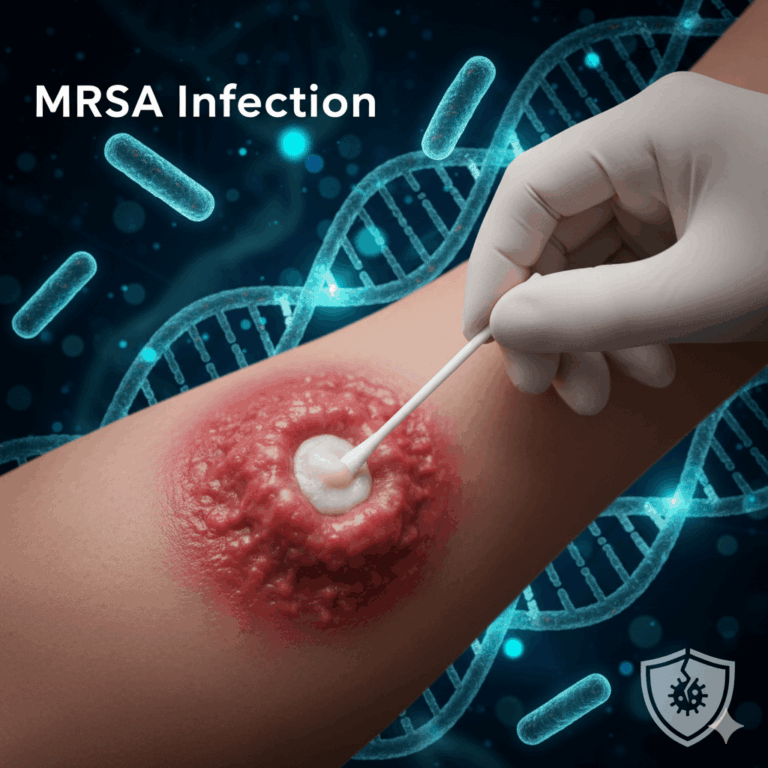

MRSA Screening for Private Surgery UK: The Ultimate Pre-Operative Checklist
Did you know that MRSA cases in England rose by 16.9% during the 2024/2025 period? This statistic is a sobering reminder of why hospitals maintain such strict protocols for elective procedures. You’ve likely spent months preparing for your operation, so the fear of a last-minute cancellation due to a positive infection screen is a significant source of anxiety. Organizing your mrsa screening for private surgery uk early is the most effective way to protect your surgical date and your long-term recovery. It’s a simple, proactive step that provides the security you need before entering a clinical environment.
We understand that the lead-up to surgery often feels overwhelming. You’re likely balancing complex fasting instructions with medication rules and the general stress of the procedure itself. We’ll provide a clear, step-by-step 4-week countdown to ensure your admission process is entirely manageable. This guide simplifies the pre-operative journey, offering a proactive health management plan that keeps your surgery on track. You’ll gain the confidence of knowing your MRSA status well in advance, allowing you to focus on your recovery rather than administrative delays or infection risks.
Key Takeaways
- Learn how to navigate the 4-week countdown to your procedure, ensuring all clinical and administrative requirements are met well before your admission date.
- Understand why proactive mrsa screening for private surgery uk is a critical safety measure that prevents last-minute cancellations and ensures patient safety.
- Identify which medications, supplements, and lifestyle habits must be adjusted weeks in advance to minimise surgical risks and support a faster recovery.
- Prepare for a seamless admission by following a professional checklist for hospital essentials and final-day hygiene protocols, including the correct use of antiseptic washes.
- Discover the clinical difference between MRSA colonisation and infection, and how rapid diagnostic tools provide the certainty needed for imminent procedures.
UK Pre-Operative Timeline: The 4-Week Roadmap to Admission
Preparing for a clinical procedure involves a series of logical steps designed to ensure your safety and the success of the operation. In the UK, private hospitals follow strict protocols to manage risks, particularly regarding infection control. Following a chronological roadmap allows you to address these requirements methodically, reducing anxiety as your date approaches.
At four weeks out, your primary focus is confirmation. Lock in your surgical date with the hospital. Arrange leave from work. This is the foundation of your recovery plan. It’s also the time to identify who will support you during the initial days at home. Having a clear support system in place early prevents last-minute stress.
By three weeks out, schedule a review with your GP or consultant regarding your current medications. Certain supplements, such as St John’s Wort or high-dose Vitamin E, can interfere with anaesthesia or blood clotting. Addressing these early prevents unnecessary delays. This period is also critical for understanding the risks of healthcare-associated infections like Methicillin-resistant Staphylococcus aureus, which remains a primary focus for UK surgical teams.
What Happens at the Pre-Operative Assessment?
Occurring roughly two weeks before surgery, the pre-operative assessment is a formal clinical evaluation. Nurses will monitor your blood pressure, pulse, and BMI to ensure your body is prepared for the physiological stress of surgery. You’ll likely provide blood and urine samples to check for underlying issues like anaemia or silent infections. This is also your opportunity to discuss anaesthetic options and specific risks with the clinical team, ensuring you feel fully informed and supported by experts.
Proactive Health Checks You Can Do Early
While the hospital will perform its own checks, taking initiative provides an essential safety net. Arranging an early mrsa test allows you to identify colonisation before your formal hospital assessment. If you discover you’re carrying the bacteria early, you have ample time for decolonisation treatment, which typically takes five days. Proactive mrsa screening for private surgery uk ensures that your procedure isn’t cancelled at the eleventh hour due to a positive result on the day of admission. Taking control of your mrsa screening for private surgery uk early is one of the most effective ways to guarantee a smooth, stress-free admission process.
At one week out, shift your focus to domestic logistics. Confirm your transport to and from the hospital; you won’t be allowed to drive yourself home after general anaesthesia. Ensure your home is prepared with easy-to-prepare meals and a recovery space that doesn’t require climbing stairs. Monitoring your health for minor skin irritations, cuts, or signs of a cold is also vital during this final week. Even minor illnesses can lead to a rescheduled date, so staying healthy is your top priority.
Infection Control: The Crucial MRSA Screening Factor
Infection control is a cornerstone of UK surgical standards. Hospitals mandate screening to prevent bacteria from entering the sterile environment of an operating theatre. While many people carry certain bacteria without any ill effects, the clinical setting of a surgery changes the risk profile entirely. Proactive mrsa screening for private surgery uk is designed to identify these risks before they can compromise your health or your surgical schedule.
It’s vital to understand the clinical difference between colonisation and an active infection. Colonisation means the bacteria live harmlessly on your skin or in your nostrils. You won’t feel ill, and you won’t have symptoms. However, surgery creates a gateway for these bacteria to enter the body. Once inside, they can cause serious hospital-acquired infections (HAIs), leading to complications such as sepsis or deep-seated wound infections. According to the NHS patient guide to MRSA, screening is the most effective way to identify colonisation and manage it before it becomes a surgical risk.
Why MRSA Screening is Crucial for Surgery
A positive result on the morning of your procedure is a primary cause for last-minute cancellations. Hospitals cannot risk the safety of other patients or the integrity of their surgical suites. By arranging mrsa screening for private surgery uk several weeks in advance, you create a vital safety net. This early knowledge protects you from the emotional and logistical stress of a postponed operation. For a more detailed look at how these bacteria behave, you can review what is MRSA and its specific risks in a clinical setting.
Performing an accurate self-swab at home is a straightforward process. You’ll typically be required to swab two or three specific sites: the inside of both nostrils, the groin, and sometimes the armpits (axilla). It’s a simple, non-invasive procedure that takes only a few minutes. Ensuring you follow the kit instructions carefully is essential for a valid laboratory result.
Decolonisation: What Happens if You Test Positive?
If your screen returns a positive result, there’s no need for alarm. You’ll simply undergo a standard 5-day decolonisation protocol. This routine typically involves using a prescribed antiseptic body wash and a specific nasal cream to reduce the bacterial load on your skin. It’s a highly effective process that prepares your body for a safe admission. Many patients find that using a private MRSA culture screen after their decolonisation provides the final peace of mind they need before their formal hospital check. If you’re looking for a quick way to verify your status, you can order a rapid PCR test kit to get results within 24 hours of the lab receiving your sample.
Managing Medications and Physical Health Requirements
Your surgical team relies on your honesty to manage the complex physiological changes that occur under general anaesthesia. While your mrsa screening for private surgery uk is a vital component of the safety checklist, physical preparation extends to every substance you put into your body. Disclosing all herbal supplements and vitamins is essential. Many patients assume these are harmless because they’re “natural,” but supplements like St John’s Wort, Ginkgo Biloba, or high-dose Garlic can significantly increase bleeding risks or interfere with anaesthetic drugs.
Lifestyle choices in the weeks before your admission directly impact your recovery speed. Smoking reduces the amount of oxygen in your blood and narrows your blood vessels, which slows wound healing and increases the risk of chest infections. Similarly, alcohol can affect how your liver processes medications. Most UK consultants recommend ceasing or significantly reducing both at least four weeks before your procedure. If you manage chronic conditions like diabetes or hypertension, your preparation phase requires even closer coordination. Stable blood sugar and controlled blood pressure are prerequisites for a safe procedure, ensuring that the body can handle the stress of surgery without unnecessary complications.
Standardised protocols are in place across the UK to ensure these risks are minimised. This holistic approach to safety is supported by the NHS guidance on pre-operative MRSA screening, which forms part of a broader framework for elective surgery excellence. By following these clinical guidelines, you ensure that your mrsa screening for private surgery uk and your physical health management work together to create the safest possible environment for your operation.
Medications to Flag with Your Surgical Team
Certain medications require a specific “washout” period before you can safely enter the operating theatre. You must discuss the following with your nursing team:
- Anticoagulants: Blood-thinning medications like Warfarin, Rivaroxaban, or Clopidogrel usually need to be stopped several days in advance.
- NSAIDs: Common anti-inflammatory drugs like Ibuprofen or Aspirin can affect platelet function and increase surgical bleeding.
- Essential morning meds: Some medications for the heart or blood pressure are still taken on the morning of surgery with a tiny sip of water, but only if explicitly instructed by your anaesthetist.
Fasting Rules: The ‘6-2 Rule’ Explained
The instruction to remain “Nil by Mouth” (NPO) is non-negotiable for your safety. If your stomach isn’t empty, there’s a risk of aspiration, where stomach contents enter the lungs while you’re unconscious. Most UK private hospitals follow the 6-2 rule: no food for six hours before your admission, and only clear fluids for up to two hours before. Clear fluids include water or black tea and coffee without milk. You must avoid chewing gum and sweets during this period, as they stimulate the production of gastric acid, which increases the very risks fasting is designed to prevent.
Hospital Logistics: What to Pack and How to Plan for Recovery
Organising the logistical side of your surgery is just as vital as your clinical preparation. While your mrsa screening for private surgery uk ensures you’re biologically ready for admission, your domestic arrangements determine how smoothly you’ll transition back to health. Practical planning reduces the cognitive load during your recovery, allowing you to focus entirely on healing. Most private hospitals in the UK require you to have a designated driver for discharge. You won’t be allowed to leave in a taxi alone or drive yourself, as the lingering effects of anaesthesia can impair your judgment and reaction times for at least 24 hours.
Securing domestic help for the first 48 hours post-surgery is a clinical necessity. Whether it’s a family member or a professional carer, having someone available to assist with mobility, meal preparation, and medication management is essential. This support system acts as a safety net, preventing accidental falls or overexertion while your body is at its most vulnerable. Before you head to the hospital, ensure your mrsa screening for private surgery uk results are documented and ready to be presented to the admissions team if required. To ensure your screening is handled with the same efficiency as your recovery plan, you can order a professional MRSA self-collection kit to secure your results before your date.
The Ultimate Hospital Packing List
Your hospital bag should balance clinical requirements with personal comfort. Focus on items that make your stay manageable and stress-free:
- Loose-fitting clothing: Choose items that are easy to put on and take off, especially if your surgery affects your mobility.
- Non-slip slippers: Hospital floors can be slippery; sturdy, gripped footwear is essential for safe walking.
- Routine medications: Bring all your current medications in their original pharmacy packaging. This allows the hospital pharmacists to verify dosages and ensure there are no contraindications with your post-op prescriptions.
- Comfort essentials: A long charging cable for your phone and light reading material will help pass the time during your observation period.
Preparing Your Home for a Safe Recovery
Modify your living space before you leave for the hospital. Create a ‘recovery station’ in a central area, ideally on the ground floor if your surgery limits your ability to use stairs. This station should have your phone, water, snacks, and any prescribed medications within arm’s reach. Stock your fridge with soft foods or pre-prepared meals that require minimal effort to heat. Finally, conduct a quick safety sweep of your home. Remove loose rugs, clear clutter from walkways, and ensure all paths are well-lit to minimise the risk of trips or falls during the night.
The 24-Hour Final Countdown: Ensuring a Smooth Admission
The final 24 hours before your procedure are about precision and adherence to protocol. You’ve already completed your mrsa screening for private surgery uk and managed your long-term health requirements; now, the focus shifts to immediate clinical safety. Your final hygiene routine is a critical part of this. If your surgical team provided specific antiseptic washes, use them exactly as instructed the night before and on the morning of your surgery. These washes are formulated to significantly reduce the bacterial load on your skin, acting as a final barrier against surgical site infections.
Clinical safety also requires the removal of all jewelry, piercings, and nail varnish before you arrive at the hospital. These rules aren’t arbitrary. Nail varnish, especially dark colours, can interfere with pulse oximetry sensors that monitor your oxygen levels through your fingernails during the operation. Jewelry must be removed to prevent skin burns from surgical equipment and to avoid complications if your limbs swell while you’re under anaesthesia. Taking these steps at home ensures a faster, more efficient admission process once you reach the clinic.
Confirm your arrival time one last time before leaving. Once you’ve checked in, you’ll meet the core members of your surgical team. Your surgeon will visit to discuss the procedure and mark the surgical site, while your anaesthetist will review your health status and explain the sedation process. Understanding these distinct roles helps build trust and alleviates anxiety, as it’s clear you’re being supported by experts through a well-managed process.
The Morning of Surgery Routine
On the morning of your admission, take a thorough shower using plain soap or your prescribed wash. Do not apply any perfumes, lotions, deodorants, or makeup. These products can introduce oils or chemicals to the skin that interfere with surgical markings or increase the risk of irritation. Leave all valuables at home to ensure their security while you’re in theatre. When you reach the admissions desk, expect a series of identity checks. You’ll receive a wristband containing your name and hospital number; this is a vital safety step to ensure the right care is delivered at every stage of your journey.
Final Peace of Mind
Before you depart, perform a final check of your ‘Nil by Mouth’ status. Confirming you’ve followed the fasting rules provides the confidence that your procedure can proceed without delay. Take a moment to review your preparing for surgery checklist to ensure your hospital bag and transport are ready. It’s also helpful to have the results from your mrsa screening for private surgery uk easily accessible for the nursing team. A clear understanding of hospital acquired infections helps you appreciate why these rigorous steps are so important for your long-term recovery and peace of mind.
Secure Your Surgical Date with Proactive Planning
Managing the weeks leading up to a procedure requires a balance of clinical discipline and personal organization. By following a structured 4-week roadmap, you’ve addressed medication adjustments, fasting protocols, and domestic logistics. This methodical approach transforms a complex medical event into a manageable, predictable process. Most importantly, taking early control of your infection status ensures that your hard work isn’t undermined by an unexpected result on the day of your admission.
Proactive mrsa screening for private surgery uk serves as your ultimate safety net. Utilizing a discreet at-home testing kit allows you to verify your status through a UK-based accredited laboratory without leaving your home. If you choose a PCR test, you’ll receive results within 24 hours of the lab receiving your sample, providing the speed and accuracy necessary for imminent procedures. Order your confidential MRSA screening kit for pre-op peace of mind and step into the hospital with complete confidence in your health status. You’ve done the preparation; now you can focus entirely on a successful surgery and a smooth recovery.
Frequently Asked Questions
What happens if I have a cold or cough before my surgery?
You must inform the hospital admissions team immediately if you develop any respiratory symptoms. A cold or cough can affect your breathing while under anaesthesia and significantly increase the risk of post-operative chest infections. Depending on the severity of your symptoms and the type of procedure planned, the clinical team may decide to postpone your surgery to ensure your recovery is safe and uncomplicated.
Can I drink water while I am fasting for surgery?
You can usually drink clear water up until two hours before your scheduled admission time. Most UK private hospitals follow the standard 6-2 fasting rule, which permits clear fluids like water or black tea for a specific window after you’ve stopped eating. It’s vital to follow the specific instructions provided in your pre-op letter, as even a small amount of fluid at the wrong time can lead to a delay.
Why do I need to remove my wedding ring and all piercings?
Jewelry must be removed to prevent skin burns from diathermy, which is the electrical equipment used during surgery to stop bleeding. Metal items can also cause circulation issues if your limbs swell while you’re unconscious. Piercings can harbour bacteria or become dislodged during the procedure. If a wedding ring truly cannot be removed, the nursing team will usually secure it with protective tape as a clinical safety compromise.
How long does a pre-operative assessment usually take?
A standard pre-operative assessment typically takes between 45 minutes and two hours to complete. The exact duration depends on your medical history and the complexity of the planned operation. During this appointment, the nursing team will perform physical checks and collect clinical samples, including the swabs required for mrsa screening for private surgery uk, to confirm you are fit and ready for your procedure.
Will my surgery be cancelled if I test positive for MRSA?
Your surgery won’t necessarily be cancelled, but it will likely be postponed if a positive result is discovered too close to your date. If you’re colonised with the bacteria, you must complete a five-day decolonisation treatment before you can safely enter the operating theatre. This is why arranging your mrsa screening for private surgery uk early provides an essential safety net, allowing time for treatment without disrupting your schedule.
Do I need to shave the surgical site at home before admission?
You shouldn’t shave the surgical site yourself before arriving at the hospital. Shaving with a standard razor can cause microscopic nicks and cuts in the skin, which act as entry points for bacteria and increase your risk of infection. If hair removal is required for your specific procedure, the clinical team will use professional surgical clippers in a sterile environment just before the operation begins.
Can I wear contact lenses or hearing aids during the operation?
Contact lenses must be removed before your surgery because they can cause eye damage or dryness while you’re under anaesthesia. Hearing aids are usually removed just before you enter the operating theatre, though you can often wear them until the last moment to help you communicate with the anaesthetist. Dentures and glasses will also need to be removed and kept in a secure container for your safety during the procedure.
What should I do if I accidentally take my usual medication?
Tell the admissions nurse or anaesthetist as soon as you arrive at the hospital. Don’t attempt to hide the mistake, as certain medications can interact with anaesthetic drugs or affect your blood’s ability to clot. The clinical team is trained to manage these situations and will assess whether it’s safe to proceed with your surgery or if the timing needs to be adjusted later in the day.