C-Reactive Protein (CRP) Test – At-Home Inflammation & Health Check
Convenient CRP Testing from the Comfort of Home
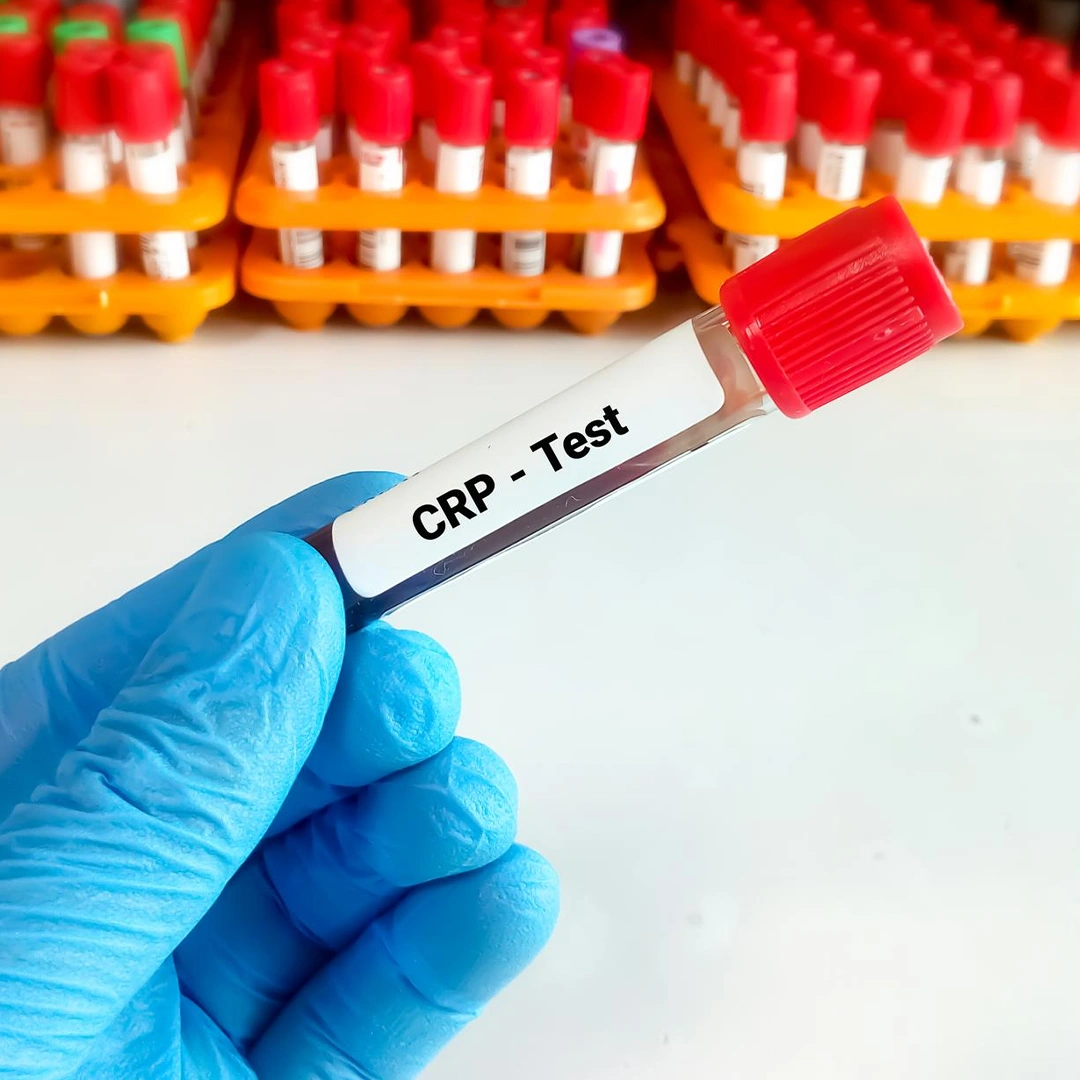
The C-Reactive Protein (CRP) Blood Test from Repose Healthcare lets you check your C-reactive protein levels easily at home, with your sample analyzed in a lab.
CRP is a protein made by your liver when your body has inflammation. Its levels can go up if you have an infection, an inflammatory condition, an injury, or other health issues.
A CRP test can show if you might have inflammation, but it cannot tell you exactly what is causing it.
With our home collection service, you can take a small blood sample at home and send it to the lab. Your results will be delivered securely.
What Is C-Reactive Protein (CRP)?
C-reactive protein (CRP) is made by your liver when your body responds to inflammation.
If you have an infection, injury, or inflammation, your CRP levels in the blood can go up.
Measuring CRP helps healthcare professionals learn more when they are checking symptoms or keeping track of inflammatory conditions.
However, CRP is a general marker. A high result does not show the exact cause of inflammation, and a normal result does not rule out all possible problems.
Why Take a CRP Test?
A CRP test can help if you or your doctor are worried about inflammation or infection, especially if you have symptoms that are hard to explain.
You may wish to consider testing if you experience symptoms such as:
- Persistent or unexplained fever
- Fatigue or feeling unusually unwell
- Unexplained aches or muscle pain
- Joint pain or swelling
- Redness or swelling associated with inflammation
- Other symptoms that may be associated with an inflammatory or infectious process
Doctors may also use CRP tests to keep track of ongoing inflammation or to see how things change over time.
If your symptoms are serious or do not go away, your CRP result should be looked at together with a doctor’s assessment, not by itself.
What Can Cause a Raised CRP Level?
Many things can cause CRP levels to go up.
Higher CRP levels may occur in association with:
- Infections
- Inflammatory conditions
- Autoimmune diseases
- Inflammatory bowel conditions
- Tissue injury or trauma
- Some chronic health conditions
- Certain cancers
- Other causes of inflammation
A high CRP result does not show which of these causes is responsible.
Your symptoms, medical history, and other test results all help to figure out what a high CRP result means for you.
Understanding Your CRP Results
Your result is usually given in mg/L and compared to the normal range from the lab.
CRP results can change a lot depending on what is causing the problem and when the test is done.
In general:
Normal or Low CRP
A low CRP level may mean there is no major inflammation in your body when you took the test.
But a normal result does not rule out all infections, inflammation, or other health issues.
Raised CRP
A high CRP level suggests that you may have inflammation.
The higher your CRP, the more inflammation you may have, but the test cannot show the cause or where it is happening.
Depending on your symptoms and results, your doctor may suggest more tests or a closer look.
Why the Reference Range Matters
No single CRP number can diagnose a specific disease.
Your lab report will show the normal range, which helps you and your doctor understand your result.
CRP vs hs-CRP – What’s the Difference?
Both tests measure C-reactive protein, but they are used for different reasons.
Standard CRP
A standard CRP test is commonly used when investigating or monitoring inflammation, infection and other conditions associated with an increase in CRP.
High-Sensitivity CRP (hs-CRP)
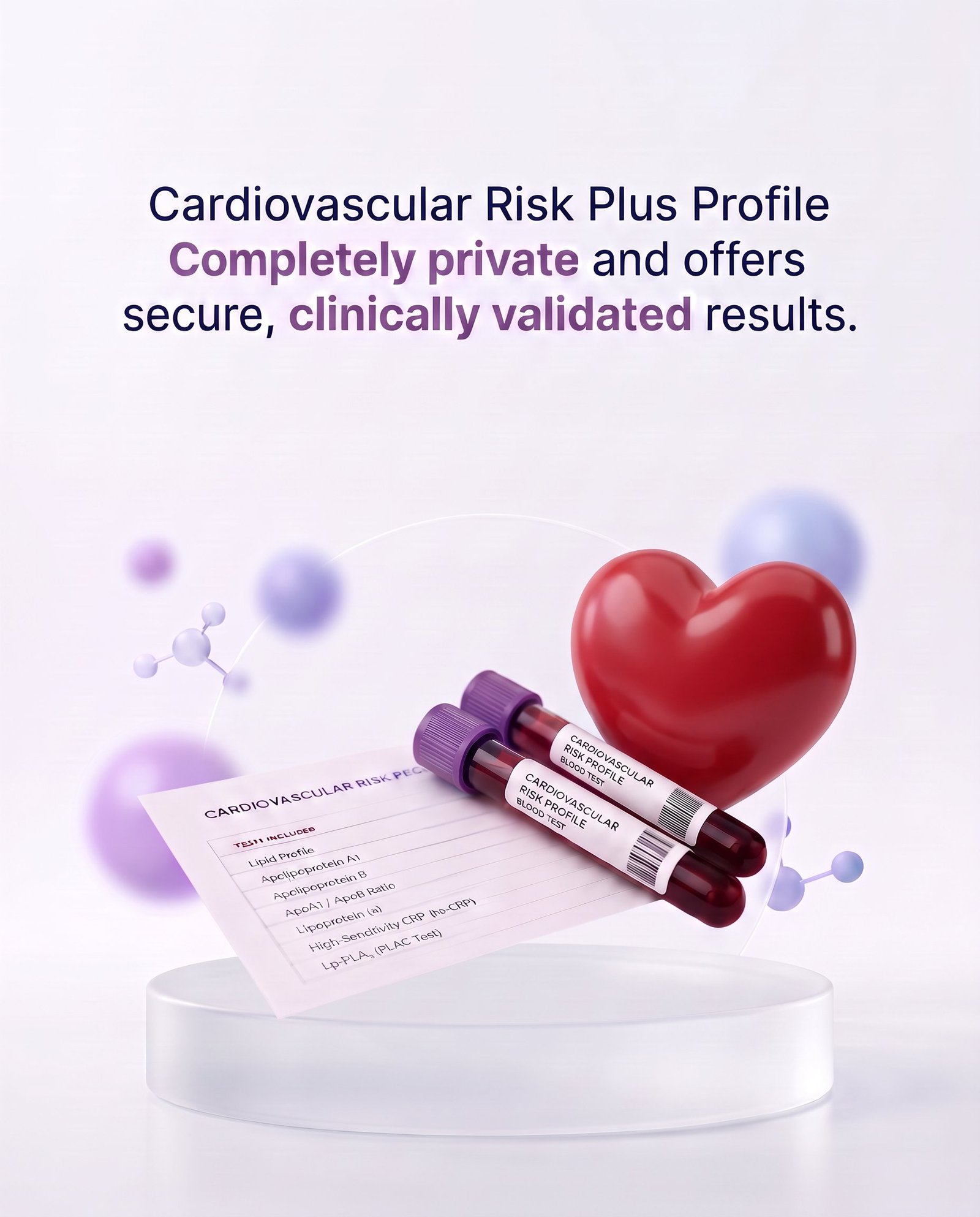
An hs-CRP test can find much lower levels of CRP. Sometimes, it is used to give more information about heart disease risk.
If you are mainly worried about an infection or major inflammation, a standard CRP test is usually better than an hs-CRP test.
CRP and Cardiovascular Health
CRP has also been studied for its link to heart health, since high inflammation markers may be tied to heart disease risk.
But a standard CRP test is not meant to measure your heart disease risk by itself.
If you want to know more about your heart disease risk, an hs-CRP test may help in some cases. Your doctor will also look at things like cholesterol, blood pressure, smoking, diabetes, age, and family history.
A high CRP result does not mean you have heart disease.
How the CRP Test Works
1. Order Your Test
Order your CRP test online and get the kit sent to your address in discreet packaging.
2. Collect Your Blood Sample
Use the instructions in your kit to collect a small finger-prick blood sample at home.
3. Return Your Sample
Pack your sample as shown in the instructions and send it back to the lab using the return packaging provided.
4. Laboratory Analysis
The lab will test your sample for C-reactive protein.
5. Receive Your Results
After your sample is processed, you will get your lab report securely, based on the service you chose.
Always follow the instructions in your test kit for collecting, storing, and returning your sample.
Benefits of an At-Home CRP Test
Convenient Home Testing
You can collect your sample at home without having to book a clinic appointment.
Simple Finger-Prick Collection
The test only needs a small blood sample, which you collect with the kit provided.
Laboratory Analysis
A lab analyzes your sample and gives you a report with your results.
Useful Inflammation Marker
CRP testing can help when you or your doctor are looking for signs of inflammation or infection.
Private and Discreet
You can order, collect, and send your sample from home, with discreet handling and secure results.
Who Might Consider a CRP Blood Test?
A CRP test may be helpful for adults who:
- Have unexplained symptoms that may be associated with inflammation
- Want additional information about their inflammation level
- Have been advised to monitor an inflammatory condition
- Have a condition where CRP may be used as part of ongoing monitoring
- Have been advised by a healthcare professional to have CRP testing
- Want to discuss inflammation-related health concerns with their GP
A CRP test is not meant to be a general screening tool for hidden diseases.
When Should You Seek Medical Advice?
If you are very unwell, do not let a home CRP test delay seeing a doctor.
SSee a doctor quickly if you have ongoing or worsening symptoms, unexplained fever, bad stomach pain, ongoing vomiting, unexplained weight loss, or other worrying symptoms.If you have severe chest pain, trouble breathing, fainting, sudden nerve problems, or any emergency, get medical help right away instead of using a home blood test.
Why Choose Repose Healthcare?
At Repose Healthcare, we make lab testing easier by offering home sample collection and secure lab analysis.
Our CRP testing service offers:
- Convenient home sample collection
- Laboratory analysis
- Secure access to results
- Clear testing instructions
- Discreet and confidential service
- Accessible health information from home
- UK-based customer support
Our aim is to make health testing We want to make health testing simple and make sure your results are explained clearly and responsibly.
Frequently Asked Questions
What does a CRP blood test measure?
A CRP blood test measures the concentration of C-reactive protein in your blood.
CRP is produced by the liver and can increase when inflammation is present in the body.
What does a high CRP result mean?
A high CRP result indicates that inflammation may be present, but it does not identify the cause.
CRP can increase because of infection, inflammatory disease, injury and a number of other conditions. Your result should therefore be interpreted alongside your symptoms and medical history.
Does a normal CRP result mean I am healthy?
Not necessarily.
A normal CRP result may indicate that there is no significant systemic inflammation at the time of testing, but CRP is only one marker and cannot rule out every infection, inflammatory condition or other health problem.
Can CRP diagnose an infection?
No.
CRP can increase during infection and may provide useful information when an infection is being investigated, but it cannot determine the type or location of an infection on its own.
Can CRP diagnose autoimmune disease?
No.
CRP can be elevated in some autoimmune and inflammatory conditions, but a CRP result alone cannot diagnose an autoimmune disease.
Further clinical assessment and other investigations may be required.
Is CRP the same as hs-CRP?
No.
Both tests measure C-reactive protein, but standard CRP is commonly used when investigating inflammation and infection, while hs-CRP can detect much lower levels and may be used in certain cardiovascular risk assessments.
Can CRP be used to assess heart disease?
CRP is associated with inflammation and has been studied in relation to cardiovascular risk. However, a standard CRP test is not a diagnostic test for heart disease.
If your primary concern is cardiovascular risk, discuss appropriate testing with your healthcare professional.
Do I need to fast before a CRP test?
Fasting requirements can vary depending on the specific test service and whether other blood tests are being performed at the same time.
Follow the instructions supplied with your test kit.
Can medication affect CRP?
Some medicines and health conditions can influence CRP levels. Do not stop prescribed medication before testing unless specifically instructed to do so by a healthcare professional.
Important Medical Disclaimer
The C-Reactive Protein (CRP) Test provides information about the level of C-reactive protein in your blood. It is not intended to diagnose or exclude infection, autoimmune disease, inflammatory bowel disease, cardiovascular disease, cancer or any other medical condition.
CRP is a non-specific marker of inflammation. A raised result can occur for many different reasons and cannot identify the specific cause or location of inflammation. A normal result also does not completely rule out infection, inflammation or other disease.
Results should be interpreted alongside your symptoms, medical history, medications and any other relevant investigations. If you receive an abnormal or unexpected result, discuss it with your GP or another qualified healthcare professional.
Do not start, stop or change medication or treatment based solely on the result of this test.
This home test is not intended to replace a clinical assessment. If you have persistent, unexplained or worsening symptoms, seek appropriate medical advice.
If you are seriously unwell, have severe chest pain, significant difficulty breathing, loss of consciousness, severe or worsening pain, or other symptoms of a medical emergency, seek urgent medical attention rather than relying on the result of a home test.
This test is intended to provide additional health information and is not a substitute for professional medical advice, diagnosis or treatment.