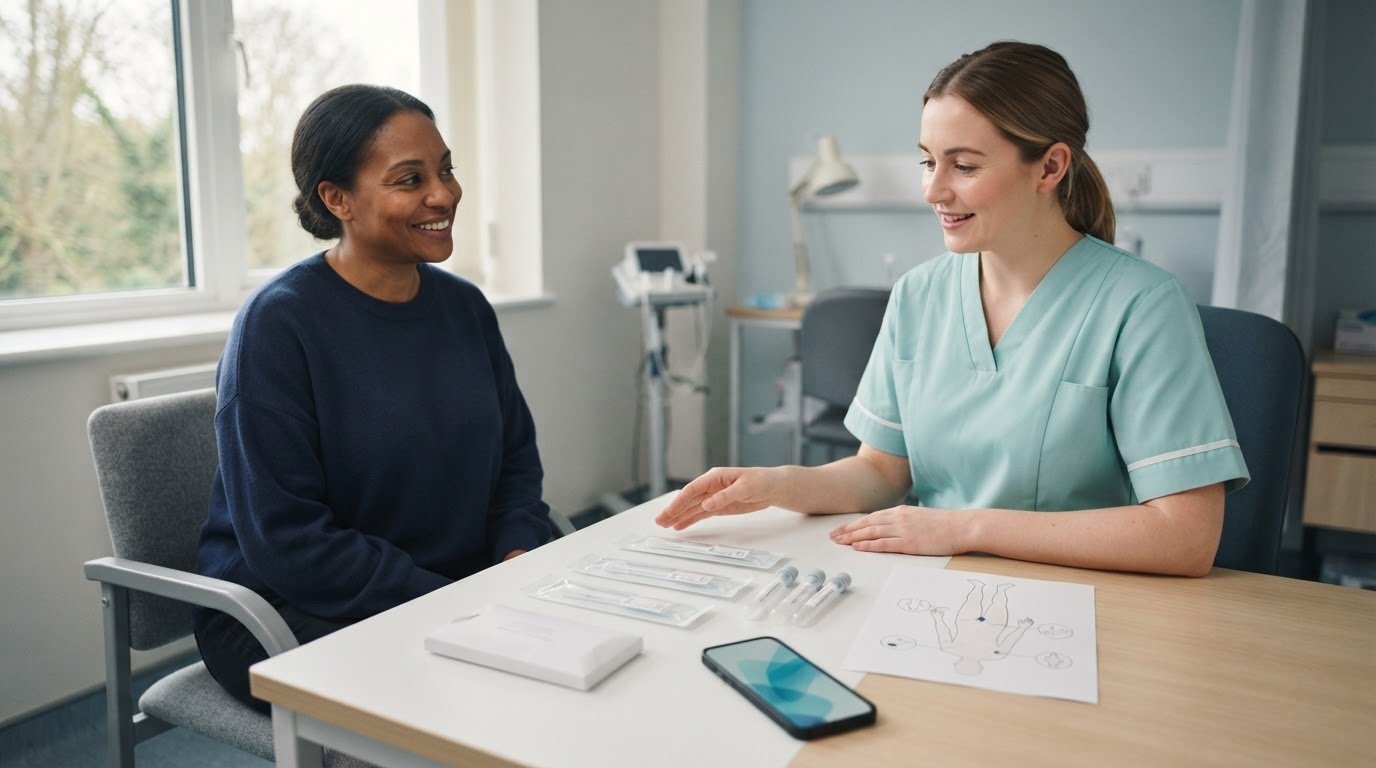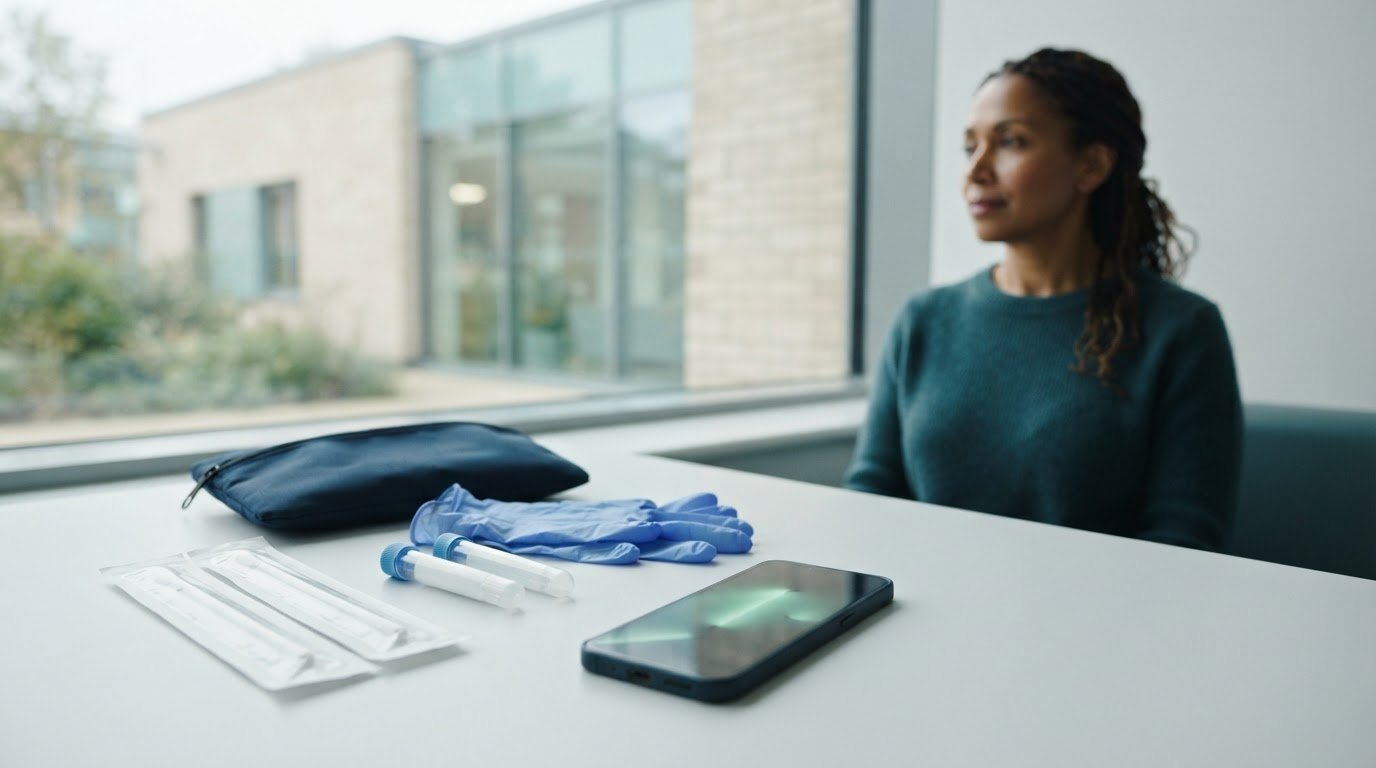

Did you know that on any given day, approximately 1 in 31 hospital patients is affected by at least one healthcare-associated infection? It is a statistic that understandably fuels anxiety, especially when you feel like you’ve left your safety in someone else’s hands. You are likely concerned about the risks of mrsa in hospital or the possibility of medication errors during your stay. It’s perfectly normal to feel a bit powerless in a clinical setting, but your proactive involvement can significantly change the outcome of your care.
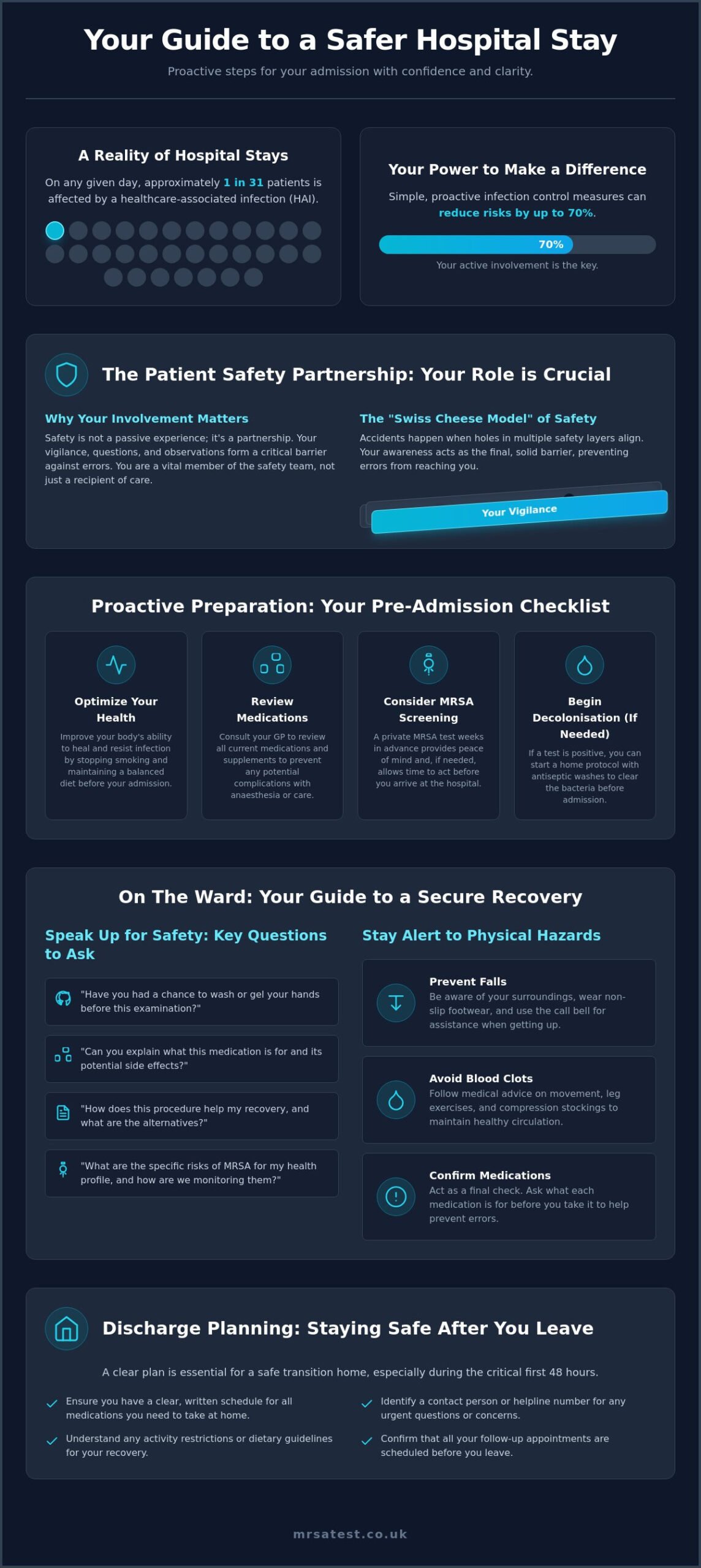
We believe that your safety is a partnership that begins well before you reach the ward. This guide will provide you with the essential steps to prepare for your 2026 admission with confidence and clarity. You’ll learn how to navigate the latest National Performance Goals and implement simple infection control measures that are proven to reduce risks by up to 70%. We will also cover practical strategies for preventing falls and blood clots. By the end, you’ll have a clear checklist to ensure your hospital stay is as secure, efficient, and well-managed as possible.
Key Takeaways
- Learn how taking an active role in your medical journey can significantly lower the chances of clinical errors.
- Discover the importance of optimising your health and reviewing medications with your GP before you arrive at the hospital.
- Understand the practical steps you and your visitors can take to reduce the risks of mrsa in hospital and other common infections.
- Identify proactive measures to stay safe from physical hazards like falls and blood clots during your recovery on the ward.
- Establish a clear plan for your discharge to ensure you’re supported during the critical first 48 hours at home.
The Patient Safety Partnership: Your Role in a Safe Stay
Patient safety is defined as the active avoidance of unintended harm during the delivery of healthcare. In the modern UK clinical environment, safety is no longer viewed as a passive experience for the patient. It’s a partnership. By taking an active role, you can significantly reduce the likelihood of clinical errors. This proactive approach serves as your first line of defence against Hospital-Acquired Infections (HAIs) that remain a challenge for healthcare providers globally.
In 2026, the core areas of concern for any hospital admission include infection control, medication accuracy, and physical safety. While clinicians follow strict protocols, your awareness helps ensure these standards are met consistently. Understanding the risks of mrsa in hospital is a key part of this awareness. It allows you to engage with staff about screening and hygiene with confidence rather than anxiety. You aren’t just a recipient of care; you’re a vital member of the safety team.
Why Active Involvement Matters
The Swiss Cheese Model is a concept used by NHS trusts to understand accident prevention. It suggests that safety systems are like slices of cheese with holes. Errors only occur when the holes in every slice align. Your vigilance as a patient acts as the final, solid barrier that prevents these holes from lining up. Modern healthcare now focuses on shared decision-making models. This means your input and observations are as valued as the clinician’s technical expertise. When you stay alert, you help catch the small oversights that could lead to larger issues.
The Right to Ask Questions
It’s natural to worry about being a troublesome patient. However, current UK clinical standards actively encourage you to speak up. Asking questions isn’t a sign of mistrust; it’s a sign of engagement. If you feel uncomfortable, having a family member act as your safety advocate can provide an extra layer of protection. They can help track medications and ensure hygiene standards are maintained when you’re feeling unwell.
Don’t hesitate to use these safe questions during your stay:
- Have you had a chance to wash or gel your hands before this examination?
- Can you explain what this specific medication is for and its potential side effects?
- How does this procedure help my recovery, and what are the alternatives?
- What are the specific risks of mrsa in hospital for someone with my health profile, and how are we monitoring for them?
By asking these questions, you reinforce a culture of safety. Most healthcare professionals appreciate the reminder, as it shows you’re committed to a successful and safe recovery.
Proactive Preparation: Steps to Take Before Admission
The road to a successful recovery starts weeks before you arrive at the hospital. While clinical teams manage the environment, your physical readiness acts as the foundation for their work. Optimising your health through smoking cessation and balanced nutrition can significantly improve your body’s ability to heal and resist infection. It’s equally vital to review your current medications and supplements with your GP. This step ensures that no hidden interactions complicate your anaesthesia or post-operative care. Using a comprehensive guide for preparing for surgery helps you manage these logistics systematically, reducing stress as your admission date approaches.
Managing infection risks is not something that only happens once you’re on the ward. By taking proactive steps at home, you can enter the clinical environment in the best possible position. This includes being aware of how your own microbiome might impact your safety during a procedure.
MRSA Screening and Infection Control
Hospitals routinely screen for antibiotic-resistant bacteria to protect both you and other patients. Understanding the MRSA in Healthcare Settings is essential for anyone entering a clinical environment. While the NHS provides screening, many patients choose to undergo a private mrsa test several weeks in advance. Taking this step gives you early peace of mind and, more importantly, time to act.
If a test returns a positive result for colonisation, you can begin a decolonisation protocol at home. This typically involves using prescribed antiseptic body washes and nasal ointments to clear the bacteria from your skin and nostrils. By addressing this before you enter the ward, you effectively neutralise one of the primary risks of mrsa in hospital before it can lead to a surgical site complication. Knowing your status early allows for a calm, well-managed preparation process.
Pre-Operative Hygiene Protocols
Your skin is your most effective natural barrier. In the days leading up to your procedure, you may be asked to use specific antiseptic washes containing chlorhexidine. These washes reduce the microbial load on your skin, making it much harder for pathogens to enter a surgical incision. It’s a simple but highly effective way to mitigate the risks of mrsa in hospital.
One common mistake is shaving the surgical area at home. You should avoid this entirely. Razors create microscopic nicks and tears in the skin that serve as breeding grounds for bacteria. If hair removal is necessary, clinical staff will use professional clippers on the day of the procedure. Proper skin preparation is the first line of defence against surgical site infections. If you’re looking for certainty before your date, a rapid PCR screening can provide the clinical accuracy you need to proceed with confidence.
Preventing Hospital-Acquired Infections (HAIs)
Hospitals are environments dedicated to healing, yet they also present specific challenges regarding hospital acquired infections (HAIs). In the UK, these infections can range from urinary tract issues related to catheters to more serious surgical site complications. Understanding the risks of mrsa in hospital is particularly important because this bacterium has developed resistance to several common antibiotics. This makes prevention much more effective than attempting to treat an established infection after it has entered the system.
The “Five Moments for Hand Hygiene” is a clinical standard designed to protect you. These moments include the periods before touching a patient, before clean procedures, after body fluid exposure, after touching a patient, and after touching the patient’s immediate surroundings. While these are staff protocols, your awareness of them creates an extra layer of safety. According to the CDC on MRSA risks in hospitals, consistent hand hygiene remains the most effective way to stop the spread of resistant germs in a clinical setting.
The Power of Hand Hygiene
It’s often difficult to speak up when you’re feeling vulnerable, but your safety is the priority. If you don’t see a staff member use the alcohol gel or wash their hands before an examination, a polite prompt is perfectly acceptable. You might say, “For my peace of mind, would you mind cleaning your hands before we start?” Most clinicians appreciate this engagement. Remember that while alcohol gels are convenient, soap and water are necessary if there’s any risk of stomach bugs like C. diff. Ensure your visitors follow these same rules, as they can inadvertently bring outside pathogens into your recovery space.
Monitoring Your Own Health
You’re the expert on how your body feels. Stay vigilant for early signs of infection, especially around wound sites or where an IV drip enters your skin. While some mild pinkness is normal during healing, you should report spreading redness, skin that feels unusually hot, or any foul-smelling discharge. If you suddenly feel shivery, develop a fever, or just feel “wrong,” alert the ward team immediately. Catching these symptoms early is the best way to manage the risks of mrsa in hospital before they escalate.
Finally, keep your bedside environment tidy. A clear locker top and tray table allow the domestic staff to disinfect surfaces more thoroughly. Avoid touching any invasive devices like catheters or drips yourself. These tubes bypass your skin’s natural defences, so keeping them undisturbed is vital for maintaining a sterile environment throughout your stay.
Physical Safety: Avoiding Falls, Clots, and Errors
While much of your preparation may focus on clinical outcomes and the risks of mrsa in hospital, physical safety on the ward is equally vital. A hospital stay involves navigating an unfamiliar environment while your body is recovering from surgery or illness. This vulnerability increases the likelihood of physical accidents, such as falls or the development of blood clots. By understanding these risks and the protocols in place to prevent them, you become an active participant in your own safety. Your vigilance ensures that the high standards of UK clinical care are maintained throughout your stay.
Blood Clot Prevention (VTE)
Venous Thromboembolism (VTE) is a serious condition where blood clots form in the veins, often due to prolonged immobility. VTE remains a leading cause of preventable hospital death in the UK. To mitigate this risk, your clinical team will likely provide compression stockings or intermittent pneumatic compression (IPC) sleeves. These devices use gentle pressure or air pulses to keep your blood circulating effectively while you’re in bed. The most powerful tool for prevention, however, is early mobilisation. As soon as your consultant confirms it’s safe, aim to sit up, move your legs, or take short walks around the ward. Movement is the most effective way to keep your circulatory system functioning correctly.
To ensure your recovery is as smooth as possible, it’s also wise to clear any hidden health hurdles before you arrive. You can book a private MRSA screening to ensure you’re entering the hospital with a clean bill of health.
Medication Safety and ID Checks
Medication errors are preventable, and your input is the final safety check. Clinical staff follow the “Five Rights” of administration: ensuring the right patient receives the right drug, at the right dose, through the right route, at the right time. You should always feel comfortable asking the nurse to confirm the name and purpose of any medication before you take it. If a pill looks different from what you usually take at home, speak up. It might be a different brand, but it’s always worth verifying.
Safety also relies on accurate identification. You’ll notice that staff check your ID band and ask for your date of birth repeatedly. This isn’t a sign of forgetfulness; it’s a mandatory safety barrier designed to prevent errors in busy environments. To support this process, keep these points in mind:
- Always restate your allergies to every new clinician, even if they’re clearly marked in your notes.
- Never take your own home medications or supplements without informing the ward staff, as these can interact dangerously with hospital treatments.
- Report any side effects, such as dizziness or nausea, immediately after taking a new dose.
Falls are another significant concern in clinical settings. Hospital wards can be cluttered with cables and equipment, and your balance may be affected by new medications. Always wear well-fitting, non-slip footwear and use your call bell if you feel unsteady. Don’t attempt to walk to the bathroom alone if you’re feeling faint or weak. Taking these small, practical steps significantly reduces the risk of an accidental injury during your recovery.
Discharge Planning: Staying Safe After You Leave
Leaving the ward is a significant milestone in your recovery, but the transition to your home environment requires careful management. The first 48 hours after discharge are often the most critical. During this window, your body is still adjusting to life outside a highly controlled clinical setting, making it a high-risk period for complications. While you’ve successfully navigated the risks of mrsa in hospital during your stay, the recovery phase at home requires continued vigilance to ensure no late-onset infections or physical setbacks occur.
Before you leave the hospital, ensure you have a clear, written discharge summary. This document is a vital piece of your medical history. It should detail exactly what procedures were performed, any changes to your medications, and specific instructions for wound care. You must know exactly who to contact if you have concerns. Usually, this involves a hierarchy: your GP for general queries, the specific hospital ward for procedure-related questions, or NHS 111 for urgent out-of-hours advice. Having these numbers saved in your phone before you leave provides essential peace of mind.
Monitoring your recovery often involves clinical follow-ups. In some cases, your consultant might request a follow-up blood test to monitor inflammatory markers or check how your organs are responding to new medications. These tests act as an early warning system, catching potential issues before they become serious enough to require readmission.
The Red Flag Checklist
Understanding when to seek help is the most important part of post-discharge safety. You should contact your GP or the surgical team if you notice increased pain that medication doesn’t help, or if your wound site becomes red, hot, or starts leaking fluid. However, certain symptoms require an immediate trip to A&E. These include sudden shortness of breath, chest pain, or a high fever accompanied by shivering. If you were prescribed antibiotics to manage the risks of mrsa in hospital or other infections, you must complete the entire course, even if you feel significantly better after a few days. Stopping early can allow resistant bacteria to return.
Organising Your Recovery Environment
Your home should be a sanctuary for healing, but it can also contain hidden hazards. Before you arrive, have a friend or relative prepare your living space to prevent falls. This includes removing loose rugs, ensuring hallways are well-lit, and moving essential items to waist height so you don’t have to bend or stretch. Medication schedules can also become confusing once you’re away from the structured ward routine. Create a simple chart or use a pill organiser to track your doses. Safety is an ongoing process that doesn’t end at the hospital exit. It continues through every day of your recovery until you’ve regained your full strength and independence.
Take Control of Your Hospital Journey
Managing your health is a continuous process that requires active participation at every stage. You’ve learned that safety is a partnership. It starts with preparing your body for surgery and continues through to your first 48 hours back home. By staying vigilant about hand hygiene, medication accuracy, and physical safety, you can significantly mitigate the risks of mrsa in hospital and other clinical complications. Knowledge is your best defence against the unexpected.
Proactive screening is a cornerstone of this preparation. Our professional screening services are already used by thousands of pre-op patients to gain certainty before their admission date. We provide discreet, confidential testing through verified UK-based accredited laboratories, with results delivered in as little as 24 hours. Ensure a safer stay by ordering your pre-admission MRSA test kit today to move forward with total peace of mind.
Your personal commitment to safety is the most powerful tool in your recovery journey. We’re here to support you in making your upcoming hospital stay as secure, efficient, and straightforward as possible.
Frequently Asked Questions
What are the most common risks during a hospital stay?
The most common risks during a hospital stay include healthcare-associated infections, medication errors, falls, and venous thromboembolism, which are blood clots. Understanding the risks of mrsa in hospital is a key part of managing these concerns, as antibiotic-resistant bacteria require specific clinical protocols. You may also face physical hazards like tripping over equipment or receiving a dose of medicine that interacts with your home supplements.
How can I tell if a hospital ward is clean?
You can assess the cleanliness of a ward by observing the state of high-touch surfaces like bed rails, tray tables, and light switches. A well-managed environment will have clearly visible alcohol gel dispensers that are frequently replenished. Domestic staff should be seen cleaning the ward daily, and bedside lockers should be free from dust or old medical supplies. A tidy ward often indicates a high standard of infection control.
Is it rude to ask a doctor to wash their hands?
Asking a doctor or nurse to wash their hands is never considered rude in a modern UK hospital setting. Clinical staff are trained to expect this question and view it as a positive sign of patient engagement. You can use a simple, non-confrontational phrase such as, “Would you mind using the hand gel before we begin the examination?” This small interaction ensures that hygiene protocols are followed every time.
What should I do if I think I am being given the wrong medication?
If you suspect you are being given the wrong medication, you should immediately ask the nurse to double-check your identity band and the prescription chart. Don’t swallow any medicine until you are certain it is correct. It’s helpful to know the names and typical appearances of your usual drugs. If a pill looks unfamiliar in shape or colour, it is your right to have that change explained to you.
How do I prevent blood clots while I am in a hospital bed?
To prevent blood clots while in a hospital bed, you must wear the compression stockings provided and move your feet and ankles regularly. If your medical team has prescribed intermittent pneumatic compression sleeves, ensure they remain switched on while you are in bed. Moving around the ward as soon as your consultant gives you permission is the most effective way to keep your blood circulating and prevent complications.
What are the signs of an infected surgical wound?
Signs of an infected surgical wound include spreading redness, skin that feels hot to the touch, or unusual yellowish discharge. You might also notice a foul smell coming from the dressing or experience an increase in pain that doesn’t respond to your usual medication. If you develop a fever or feel suddenly shivery, these are systemic signs that an infection may be developing and require immediate medical attention.
Can I test for MRSA myself before I go into hospital?
You can certainly test for MRSA yourself before your admission date by using a private rapid PCR kit. These kits allow you to collect samples from your nose and skin in the comfort of your home. Identifying colonisation early helps you manage the risks of mrsa in hospital by giving you time to complete a decolonisation protocol. This involves using antiseptic washes and nasal creams before you even enter the ward.
What should I bring with me to stay safe in hospital?
To stay safe in hospital, you should bring well-fitting, non-slip slippers to prevent falls and your own toiletries to maintain personal hygiene. A complete, written list of your current medications and any known allergies is also essential for the clinical team. Avoid bringing expensive jewellery or large amounts of cash. Having a dedicated notepad to jot down questions for your consultant can also help you stay informed and active in your care.