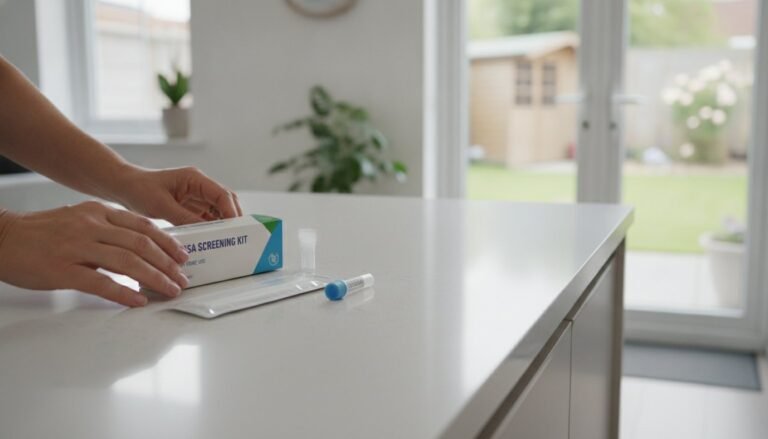

20 Essential Questions to Ask at Your Pre-Op Appointment: A Patient Checklist for 2026
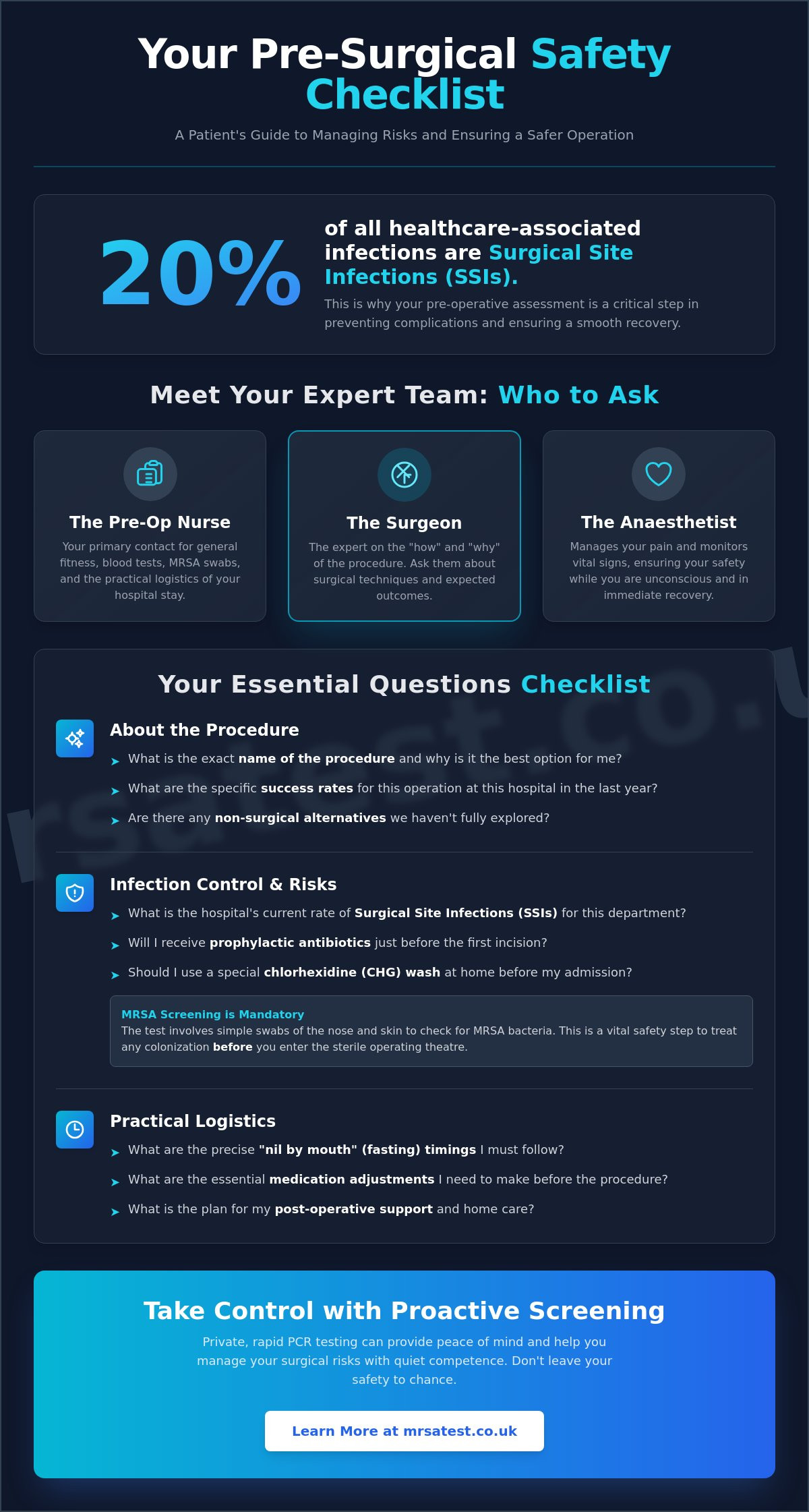
Did you know that surgical site infections account for 20% of all healthcare-associated infections in clinical settings? It is a sobering statistic that explains why your pre-operative assessment is just as vital as the surgery itself. If your surgical team has mentioned screening, you may be feeling uncertain about what to do if you need an mrsa test before surgery or how it fits into your timeline. It is completely natural to feel anxious about hospital-acquired infections or overwhelmed by complex nil-by-mouth instructions and medication rules.
We believe that preparation is the best antidote to anxiety. You deserve to feel supported by experts through a simple, well-managed process that prioritises your safety. This article will provide you with the exact questions you need to ask your surgical team to ensure your recovery stays on track. We will cover everything from the latest 2026 infection prevention protocols to the logistics of your home care plan. By the end of this checklist, you will have a clear understanding of the next steps and a professional strategy to manage your risks, including how rapid PCR testing can provide the clarity you need before your procedure.
Key Takeaways
- Understand why the pre-operative assessment is a vital safety audit for your heart health and infection markers before hospital admission.
- Learn exactly what to do if you need an mrsa test before surgery to avoid last-minute delays and ensure your results are processed efficiently.
- Identify the specific questions you should ask your surgical team regarding departmental infection rates and post-operative support at home.
- Master the logistical requirements for your procedure, including precise “nil by mouth” timings and essential medication adjustments.
- Discover how proactive, private screening can provide peace of mind and help you manage your surgical risks with quiet competence.
Why the Pre-Operative Assessment is Critical for Your Safety
A pre-operative assessment is a comprehensive health evaluation designed to ensure you are physically fit for surgery and anaesthesia. It acts as a vital safety net. The primary goal is to identify underlying medical conditions or infection markers that could complicate your procedure before you are admitted to the ward. By evaluating your heart health, lung function, and potential for infection, the clinical team creates a tailored plan to protect you during and after your operation.
In 2026, clinical standards have shifted toward a model of pre-habilitation. This approach views the patient as an active partner in the surgical journey rather than a passive recipient of care. This appointment is your primary opportunity to voice concerns and clarify the surgical plan with a team of experts. Comprehensive preoperative care ensures that by the time you reach the theatre, every manageable risk has been addressed. If you feel overwhelmed, remember that knowing what to do if you need an mrsa test before surgery is a standard part of this preparation. Your clinical team is there to guide you through the screening process to ensure your environment remains safe and sterile.
Who Will You Meet? Surgeon vs. Pre-Op Nurse
Understanding the roles of your medical team helps you direct your questions to the right person. You will likely interact with three distinct professionals during this phase:
- The Pre-Op Nurse: This professional is your primary contact for general fitness. They focus on the practical side of your preparation, handling blood tests, MRSA swabs, and the immediate logistics of your hospital stay.
- The Surgeon or Registrar: These experts focus on the technical “how” and “why” of the procedure. They are the best people to ask about the specific surgical technique and the expected physical outcome of the operation.
- The Anaesthetist: This specialist manages your pain and monitors your vitals during the operation. They are responsible for your safety while you are unconscious and during the immediate recovery period.
Core Questions About the Procedure Itself
- What is the exact name of the procedure and why is it the best option for my current condition?
- What are the specific success rates for this operation at this specific hospital in the last year?
- Are there any non-surgical alternatives we have not fully explored yet?
Essential Questions Regarding Surgical Risks and Infection Control
Every surgical procedure carries inherent risks, but many are manageable through proactive communication and strict clinical protocols. When you meet your team, you should ask about the most common complications associated with your specific operation and how they are typically managed. It’s also helpful to enquire about the hospital’s current rate of surgical site infections (SSIs) for your department. High-performing units are transparent with this data, which allows you to feel more secure in the care you’re receiving. Understanding these metrics helps you gauge the safety of the environment where your recovery begins.
MRSA screening is a mandatory safety step in most UK hospitals to prevent the spread of antibiotic-resistant bacteria. If you are wondering what to do if you need an mrsa test before surgery, the process usually involves simple swabs of the nose and skin taken during your assessment. Understanding the MRSA testing before surgery protocol is vital, as it ensures that any colonisation is treated before you enter the sterile environment of the operating theatre. You should also confirm if you’ll receive prophylactic antibiotics immediately before the first incision, as this is a standard clinical practice designed to provide an extra layer of protection against infection.
Proactive Infection Prevention Questions
Taking an active role in your preparation can significantly lower your risk profile. Ask your nurse if you should use a chlorhexidine (CHG) wash at home for several days leading up to your admission. If you test positive during your official screen, the hospital will usually provide a decolonisation kit, though this can sometimes lead to last-minute scheduling delays. For those who value speed and discretion, performing your own private screening can ensure your results are ready well in advance of your hospital date, allowing you to address any issues quietly and efficiently.
Understanding MRSA and Your Surgical Safety
It’s important to distinguish between “colonisation,” where bacteria live on your skin without causing harm, and an “active infection.” In a surgical context, colonisation is the primary concern because the incision provides a direct entry point for bacteria into the body. This is why mrsa screening for surgery is a non-negotiable part of modern theatre safety. If a positive result occurs, your surgical date might be adjusted to allow for a five-day decolonisation period. To avoid these logistical hurdles, many patients choose to order a rapid PCR test privately to confirm their status before their formal NHS assessment.
Clarifying the Recovery Process and Post-Operative Support
Recovery planning starts long before you enter the operating theatre. In 2026, clinical pathways often favour enhanced recovery programmes that aim to get you home safely and quickly. You should ask your team exactly how long the typical hospital stay is for your procedure. While some operations now allow for same-day discharge, others require a few days of observation. It’s vital to know who your primary point of contact is once you are home. Ask for a direct number to the surgical ward or a specialist nurse so you don’t have to navigate a general switchboard if you have concerns 48 hours after discharge.
Vigilance at home is your best tool for a smooth recovery. You must watch for specific signs of infection, such as spreading redness, heat around the wound, or a sudden fever. While you likely already know what to do if you need an mrsa test before surgery to ensure a sterile start, your post-operative monitoring is the final link in the safety chain. Clear instructions on physical activity, driving, and returning to work are also essential. Most insurance companies require you to be able to perform an emergency stop before you get back behind the wheel, so confirm these timelines with your surgeon.
Pain Management and Medication Planning
Managing your comfort is a priority for the clinical team. Ask your anaesthetist what kind of anaesthetic will be used and what side effects, such as nausea or grogginess, you should expect. You’ll want to know the specific plan for managing your pain in the first 24 hours after waking. Some patients are sent home with a prescription for stronger relief, while others are advised on over-the-counter options. Knowing this in advance allows you to stock your home pharmacy before your admission date.
Support at Home and Practical Logistics
Practical support is often the difference between a stressful recovery and a calm one. Ask if you need a responsible adult to stay with you for the first 24 to 48 hours; this is often a mandatory requirement for day-case surgeries. You should also clarify what equipment the hospital provides. This might include:
- Crutches or walking frames
- Shower seats or raised toilet seats
- Compression stockings to prevent blood clots
Finally, confirm when you need to return for a follow-up appointment or to have your stitches removed, so you can arrange transport in advance.
Practical Logistics: Fasting, Medications, and Hospital Stay
Success in the operating theatre depends on strict adherence to logistical protocols. These steps aren’t merely administrative; they are designed to protect your airway and ensure your body is in the best possible state for recovery. If you are confused about what to do if you need an mrsa test before surgery, this phase is the ideal time to verify that your screening is complete. Following these five steps will help you arrive at the hospital with confidence.
- Step 1: Confirm your “nil by mouth” instructions. Generally, this means no food for six hours and no clear liquids for two hours before your arrival.
- Step 2: Provide a comprehensive list of medications. Your team will tell you which ones to stop, particularly blood thinners or anti-inflammatory drugs.
- Step 3: Ask about carbohydrate loading. Many UK hospitals now provide specific pre-op drinks to help your body maintain energy levels during the procedure.
- Step 4: Follow the morning hygiene routine. You’ll be asked to shower, but avoid perfumes, lotions, or makeup, as these can interfere with monitoring equipment.
- Step 5: Double-check your arrival details. Confirm the exact time and the specific wing or ward where you need to report.
Managing Your Current Medications
Certain over-the-counter products can complicate your surgery. Herbal supplements like St John’s Wort or high-dose Vitamin E can affect blood clotting and anaesthetic response. If you have diabetes, your nurse will provide specific instructions for adjusting your insulin or oral medication during the fasting window. To stay organised, you can use this preparing for surgery guide for a full medication audit template. If you still need to secure your infection clearance, you can order an MRSA screening kit to ensure your results are ready for the medical team.
Packing for the Ward
Taking Control of Your Pre-Op Screening and Peace of Mind
Waiting for your official hospital results can often be the most stressful part of the pre-operative journey. While the NHS provides excellent care, their screening windows can sometimes leave little room for error if a positive result is found close to your admission date. If you are concerned about what to do if you need an mrsa test before surgery, taking a proactive approach can provide significant peace of mind. By identifying colonisation early, you ensure there is ample time for the necessary decolonisation treatments. This simple step prevents the frustration of a cancelled or postponed procedure.
Rapid PCR testing is a game-changer for modern surgical preparation. Unlike traditional cultures that can take several days to grow in a laboratory, PCR technology identifies bacterial DNA with incredible speed. This allows for results to be delivered in as little as 24 hours. If your surgery date suddenly changes or you are working within a tight clinical deadline, this efficiency is invaluable. It transforms a period of uncertainty into a manageable, logical progression toward your health goals.
The Private Approach to Pre-Op Peace of Mind
Choosing an at home mrsa test offers a level of discretion and ease that hospital environments often lack. You can perform the swabs in the privacy of your own home; this avoids unnecessary travel and the anxiety of additional clinical appointments. These tests are processed by UK-accredited laboratories. This ensures that the diagnostic standards match the quality required for the prevention of hospital acquired infections. It is a reliable way to confirm your status before your formal hospital assessment.
Next Steps: Your Pre-Op Action Plan
Your action plan should focus on clarity and active participation in your care. We recommend printing the list of questions provided in the earlier sections of this guide. Take a pen to your appointment and record the answers directly. This ensures you have a permanent record of your recovery plan and medication adjustments. If you feel any lingering uncertainty about your infection status or want to avoid the stress of a last-minute surprise, a private screen is a safe next step. You can order your confidential pre-surgery MRSA test kit online today to secure your peace of mind before your procedure begins.
Securing Your Path to a Safe Recovery
Your pre-operative assessment is the final safety audit before your procedure. By asking precise questions about infection control and recovery logistics, you transform from a patient into an active partner in your own healthcare. You now have the tools to navigate fasting rules, medication adjustments, and post-operative home care with quiet competence. This structured approach ensures that every logistical detail is managed well before you arrive at the hospital ward.
Knowing exactly what to do if you need an mrsa test before surgery removes the stress of last-minute delays and ensures your environment remains sterile and safe. Proactive screening allows you to identify risks early and manage them discreetly. We provide rapid 24-hour PCR options and culture tests processed by accredited UK laboratories. With discreet UK-wide delivery, you can verify your status from the comfort of your own home and share your results with your surgical team. Order your private MRSA pre-op screening kit today for total peace of mind.
You are now well-prepared for the next steps in your surgical journey. Trust in your preparation, stay informed, and look forward to a successful and healthy recovery.
Frequently Asked Questions
What happens if I forget to ask a question at my pre-op appointment?
You can contact the pre-operative assessment clinic directly using the number provided on your appointment letter. Most clinical teams expect follow-up queries and are happy to clarify instructions via telephone. It is helpful to keep a written list of any missed points so you can address them efficiently during the call.
Can I bring a family member to my pre-op assessment to help take notes?
Bringing a family member or friend to your assessment is generally encouraged. They can provide emotional support and assist with note-taking during complex discussions about your procedure. This extra set of ears ensures that important details regarding your recovery and home care aren’t missed during the excitement or anxiety of the appointment.
Is an MRSA test mandatory for all surgeries in the UK?
MRSA screening is a mandatory requirement for the vast majority of elective surgeries in the UK. This protocol is a vital safety measure designed to protect patients from healthcare-associated infections. If you’re wondering what to do if you need an mrsa test before surgery, you can opt for a private screening to confirm your status before your formal hospital assessment.
What should I do if my pre-op blood test results are abnormal?
If your blood tests show abnormal results, the hospital will contact you to discuss the next steps. This doesn’t always mean your surgery will be cancelled. In many cases, the clinical team may simply repeat the test or provide specific medical guidance to ensure you are in the best possible health before your admission date.
How long before surgery is the pre-operative assessment usually held?
Most pre-operative assessments take place between two and six weeks before your scheduled surgery date. This timeframe provides the clinical team with enough room to process results and address any health concerns. It also ensures that if you require a decolonisation kit for MRSA, you have sufficient time to complete the treatment before your operation.
Do I need to fast before the pre-op appointment itself?
You typically don’t need to fast for the pre-operative assessment appointment itself. Fasting is usually reserved for the day of your surgery to ensure your stomach is empty for the anaesthetic. However, always review your specific appointment letter, as some blood tests, such as those for blood sugar, may require you to avoid food for a few hours.
What happens if I test positive for MRSA before my operation?
If you test positive, you will be prescribed a simple five-day decolonisation treatment. This includes using a special antiseptic body wash and applying antibiotic ointment inside your nostrils. Understanding what to do if you need an mrsa test before surgery allows you to complete this process early; this ensures your surgical theatre slot remains secure and your risk of infection is minimised.
Can I choose my own anaesthetist or surgeon for the procedure?
In the UK, you can request a specific consultant surgeon, though this is subject to their availability and the hospital’s current waiting lists. Choosing a specific anaesthetist is more difficult within the NHS due to complex theatre rotas. You will always meet your anaesthetist on the day of surgery to discuss your pain management plan and any concerns you may have.