

Blog
Early Signs of MRSA Infection: How to Spot and Test for the Superbug
Apr
Imagine waking up to what looks like a simple shaving nick or a stray spider bite on your arm. It feels minor, but within 24 hours, the area becomes warm, swollen, and increasingly painful. You aren’t alone in feeling a surge of anxiety when a skin blemish doesn’t behave like a normal spot. It’s incredibly common to mistake the early signs of mrsa infection for harmless folliculitis or a standard staph infection, especially when you’re preparing for a hospital procedure. In fact, many NHS Trusts still require mandatory screening because this bacteria can be so difficult to identify by sight alone.
We understand that the superbug reputation of MRSA creates significant worry, but knowledge and fast action are your best tools. You’ll learn exactly how to distinguish between common skin irritations and a potential infection while discovering how to get a clinical diagnosis without leaving your house. We’ll explore the specific physical markers to watch for and explain how a discreet, UK-based PCR rapid test can provide the peace of mind you deserve from the comfort of your own home. By the end of this guide, you’ll have a clear, actionable plan to manage your health with confidence.
Key Takeaways
- Learn how to identify the early signs of mrsa infection by distinguishing between simple bacterial colonisation and a resilient, active skin infection.
- Discover the “spider bite” myth and how to spot the specific visual markers that differentiate a staph bump from a common insect bite.
- Understand how untreated MRSA can progress into serious systemic conditions like sepsis and pneumonia if bacteria enter the bloodstream.
- Find out the essential first-aid steps to take if you suspect an infection, including why you should never attempt to drain a bump yourself.
- Explore how to take clinical action with fast, confidential MRSA testing from a UKAS-accredited laboratory from the comfort of your own home.
Identifying the Early Signs of MRSA Infection
Often referred to as a superbug, Methicillin-resistant Staphylococcus aureus (MRSA) is a resilient strain of the common Staph bacteria. While standard Staphylococcus aureus is frequently found on the skin or in the noses of healthy individuals, MRSA has developed resistance to several widely used antibiotics. This makes it harder to treat than typical bacterial infections. It’s vital to distinguish between colonisation and an active infection. Research suggests that approximately 2% of the population carries MRSA on their body without any symptoms; this is colonisation. An infection only occurs when the bacteria enter the body through a cut, graze, or surgical site.
The early signs of mrsa infection are notoriously deceptive because they often mimic minor skin irritations. You might mistake a developing lesion for a simple pimple, an ingrown hair, or even an insect bite. However, MRSA is aggressive. There is typically a 24 to 48 hour window where symptoms escalate from a minor nuisance to a rapidly spreading, painful abscess. Monitoring changes within this timeframe is crucial for early intervention and effective management.
The Initial Visual Warning Signs
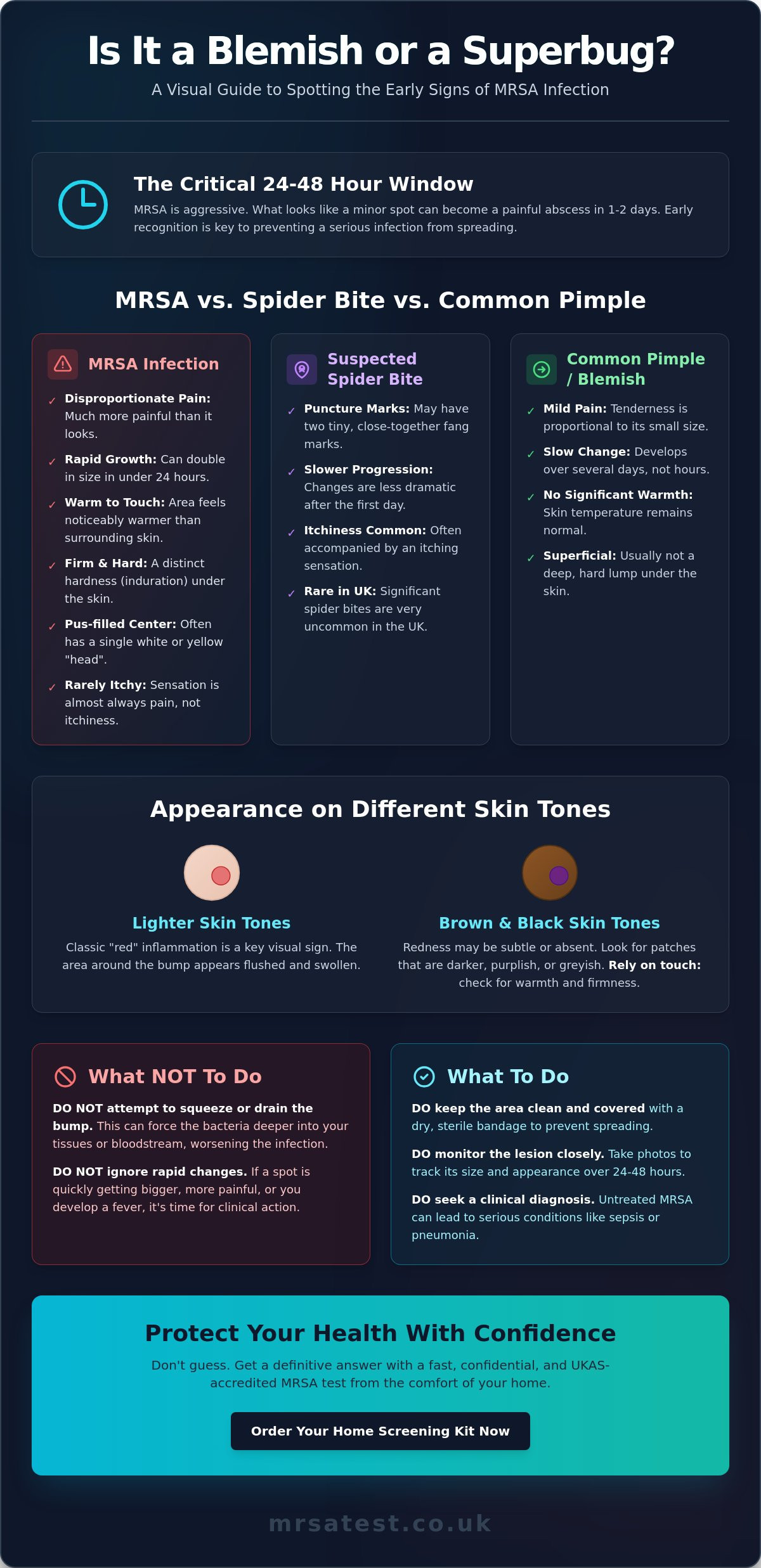
At the very beginning, an infection usually manifests as a small, red, or swollen bump. It might look like a common blemish, but several clinical markers set it apart:
- Inflammation: The area will appear noticeably swollen and may feel “warm to the touch” when compared to the surrounding skin.
- Disproportionate Pain: One of the most common indicators is tenderness that feels much more severe than the size of the bump suggests.
- Rapid Change: Unlike a standard pimple, a MRSA lesion can double in size in less than 24 hours and may quickly begin to fill with pus or other fluids.
MRSA Appearance on Different Skin Tones
Clinical presentations can vary significantly depending on skin tone, which sometimes leads to delays in diagnosis. On lighter skin, the classic “red” inflammation is easy to spot. On brown or black skin, redness may be subtle or entirely absent. Instead, you should look for patches that appear darker than the surrounding area, 혹은 take on a purplish or greyish hue.
Because visual cues differ, it’s safer to rely on physical sensations and texture. Check for “induration,” which is a distinct hardness or firmness under the skin. If an area feels unusually warm, firm, and painful, it warrants immediate attention regardless of whether you can see a change in colour. Identifying these early signs of mrsa infection accurately is the first step toward getting the right clinical test and ensuring the bacteria doesn’t spread further into the bloodstream or deeper tissues.
Is It a Spider Bite or MRSA? Spotting the Difference
Many people arrive at a GP surgery or A&E convinced they’ve been bitten by an insect. In the UK, significant spider bites are rare, yet skin lesions are frequently mistaken for spider bites when they are actually bacterial infections. Distinguishing between the two is vital for receiving the correct treatment. A genuine spider bite usually leaves two small puncture marks close together. In contrast, an MRSA bump typically features a single central “head” or a white point where pus is beginning to accumulate under the skin.
The speed of change is another major giveaway. While a typical insect bite or minor skin irritation begins to fade or remains stable after 24 hours, the early signs of mrsa infection involve aggressive progression. The area often becomes noticeably larger, harder, and more painful within a single day. You’ll most commonly find these sores in areas where the skin is warm and moist or subject to friction, specifically the nose, groin, axilla (armpits), and buttocks.
Comparing MRSA to Common Skin Infections
It can be difficult to tell the difference between a serious superbug and common skin infections like eczema or folliculitis. The primary differentiator is often the sensation. Eczema and standard rashes are usually characterised by intense itchiness or a dry, scaly texture. MRSA rarely itches; instead, it focuses on pain. The infection often leads to the formation of an abscess, which is a deep, firm, pus-filled pocket that feels like a hard lump under the skin surface. If you’re unsure about a recurring skin issue, you can order a discreet screening kit to check for the presence of the bacteria from home.
When a Minor Bump Becomes a Concern
Monitoring the skin’s reaction around the site is essential. A major red flag is the appearance of “spreading redness” or thin red streaks leading away from the initial wound. This condition, known as lymphangitis, suggests the infection is attempting to enter the lymphatic system. You should also watch for the transition from a dry, angry-looking bump to a sore that is weeping, crusty, or oozing. Purulent drainage, which is thick, opaque fluid that may be yellow or green, is a hallmark sign of a staph infection. If the early signs of mrsa infection include this type of drainage along with a fever, it’s time to seek professional medical advice immediately.
How MRSA Progresses: From Skin Irritation to Systemic Infection
MRSA often begins as a “carrier” status, professionally known as colonization. In this state, the bacteria live on your skin or inside your nostrils without causing any harm. You won’t see any symptoms because your skin acts as a natural barrier. However, the situation changes the moment that barrier is breached. Whether it’s a minor paper cut, a graze, or a planned surgical incision, any opening allows the bacteria to move from the surface into the deeper layers of tissue. For a detailed look at how these bacteria behave, you can read our complete guide to what is MRSA.
If the bacteria reach the bloodstream, the infection becomes systemic. This is the most dangerous phase of the progression. When the bacteria travel through the blood, they can settle in vital organs. This leads to severe complications like pneumonia in the lungs, endocarditis in the heart valves, or osteomyelitis in the bones. The most critical risk is sepsis, a life-threatening reaction where the immune system attacks the body’s own tissues. Recognizing the early signs of mrsa infection before it reaches this stage is vital for successful treatment.
Warning Signs of a Systemic Infection
When an infection moves beyond a localized skin site, your body will trigger a systemic inflammatory response. You might experience a high temperature of 38°C or above, accompanied by shivering and cold chills. General malaise, or a feeling of being profoundly unwell, is common. You should watch for “red flag” indicators such as sudden confusion, dizziness, or a heart rate that feels unusually fast. If a purple or red rash appears, use the “glass test” by pressing a clear glass firmly against the spots. If the rash stays visible through the glass and doesn’t fade, seek emergency medical care immediately.
Why Early Detection is Critical for Surgery
If you’re preparing for surgery, MRSA screening is a standard and essential part of your pre-operative care. Hospitals are sterile environments, but the presence of MRSA on a patient’s skin poses a significant risk during invasive procedures. If a patient is a carrier, the surgical wound provides a direct entry point for the superbug into the bloodstream. UK hospitals typically require clear swabs from the nose, throat, and groin before elective surgery can proceed. Identifying the early signs of mrsa infection through screening ensures that decolonization treatment can begin before you enter the operating theatre, significantly reducing the risk of post-operative sepsis.
What to Do if You Suspect an MRSA Infection
If you’ve identified the early signs of mrsa infection, your immediate priority is containment. MRSA is highly contagious and can quickly escalate from a surface-level bump to a systemic issue if handled incorrectly. Taking the right clinical steps at home prevents the bacteria from spreading to your family or deeper into your own tissues.
- Do not squeeze or pop the bump. Attempting to drain a suspected MRSA lesion yourself is dangerous. It can push the bacteria deeper into the bloodstream, significantly increasing the risk of cellulitis or life-threatening sepsis.
- Clean and cover the site. Gently wash the area with mild soap and water. Cover it immediately with a fresh, sterile bandage. This acts as a barrier to prevent infected drainage from contaminating clothes or furniture.
- Practice rigorous hand hygiene. Wash your hands with soap and water for at least 20 seconds every time you touch the dressing or the area around the site.
- Seek professional confirmation. You can’t distinguish MRSA from a standard Staph infection by sight alone. A professional test is the only way to confirm the specific strain of bacteria.
- Isolate personal items. Stop sharing towels, razors, or bedding immediately. These items are common vectors for transmission, as MRSA can survive on fabrics and hard surfaces for several days.
Diagnostic Steps and Professional Testing
Clinicians confirm MRSA through a simple swab test of the wound site, nostrils, or groin. Traditional culture tests involve growing the bacteria in a lab, which typically takes 48 to 72 hours. For faster results, an MRSA PCR rapid test offers molecular detection in as little as 24 hours. Early testing is vital because it allows for targeted antibiotics. This ensures you receive the correct medication rather than broad-spectrum drugs that the bacteria might already resist.
The Benefits of At-Home MRSA Screening
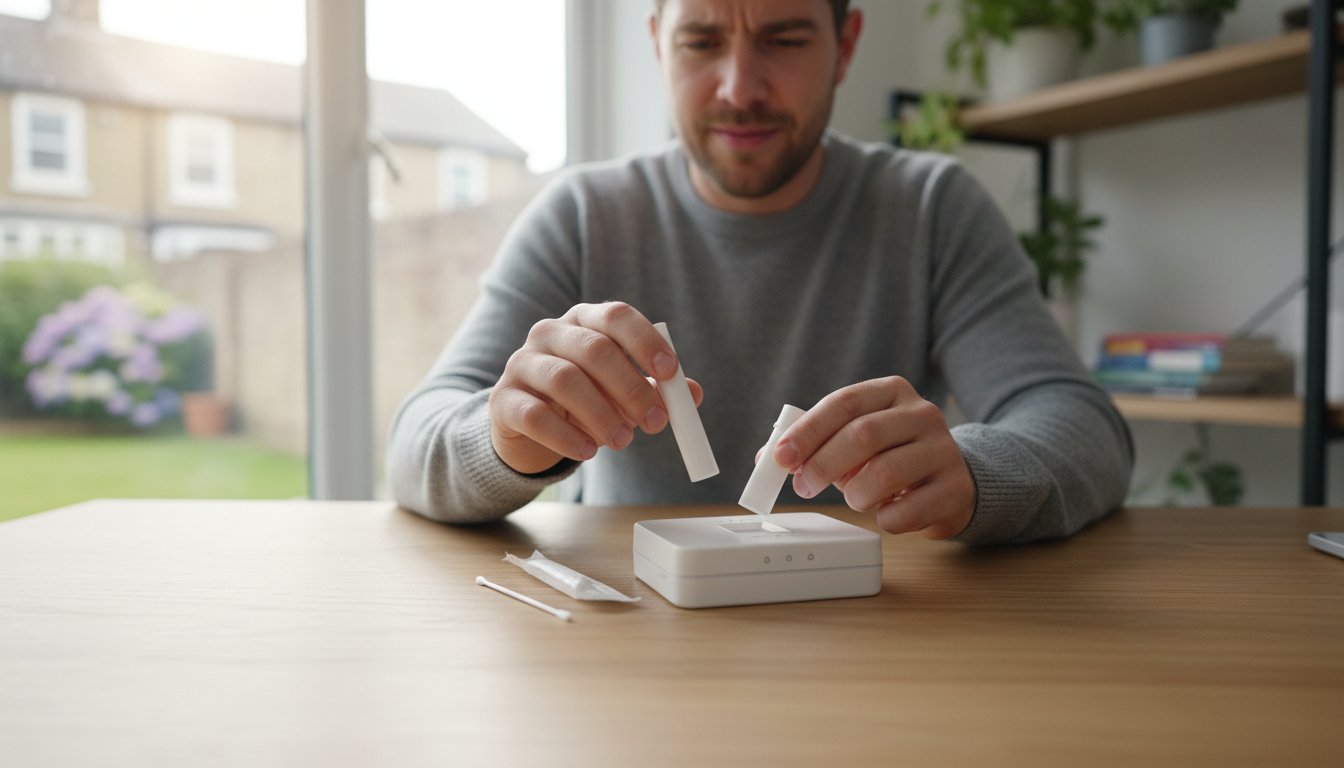
Many people now choose to test privately to ensure discretion and speed. Waiting for a GP appointment or navigating standard NHS wait times can be stressful when you’re worried about a “superbug.” Using at-home test kits in the UK has become a standard protocol for patients needing pre-operative clearance. These kits allow you to collect samples from the comfort of your own home and send them to UKAS-accredited labs, providing clinical accuracy without the need for a hospital visit.
Take control of your health with a professional screening. Order your discreet MRSA home test kit for fast, reliable results from an accredited UK laboratory.
Protecting Your Health with Confidential MRSA Testing
Identifying the early signs of mrsa infection is the first step toward recovery, but confirmation is what allows you to move forward with confidence. MRSA is a manageable condition when caught early through professional screening. You shouldn’t have to wait for symptoms to escalate or for a hospital appointment to become available. Acting promptly reduces the risk of spreading the bacteria to vulnerable family members and ensures you receive the right clinical guidance before a minor issue becomes a serious health concern.
At mrsatest.co.uk, we act as your professional partner in health. We provide a service that’s clinical, accurate, and entirely private. Our process is designed to remove the stress of medical testing through a simple “Order, Swab, Return” system. You’ll receive a kit with everything required to take your own samples safely. Once returned to our 100% UK-based partner laboratory, your results are processed with the same rigor as any NHS facility, giving you total peace of mind without the public wait times.
The early signs of mrsa infection can be subtle, often appearing as simple bumps or redness. By screening early, you can begin decolonization protocols that prevent the bacteria from entering the bloodstream. This proactive approach is the most effective way to safeguard your long-term health and the safety of those around you.
Pre-Surgery MRSA Screening: Peace of Mind
Hospitals across the UK often mandate MRSA screening before surgery to prevent outbreaks in clinical environments. If you arrive for a procedure and test positive on the day, your surgery will likely be cancelled or delayed. This causes unnecessary emotional and physical strain. Using a private test allows you to manage colonization privately before your hospital date. For those with imminent surgery, our 24-hour PCR rapid test option provides molecular detection in just one day. We use discreet packaging for all shipments, ensuring your testing remains your business alone.
Order Your UKAS-Accredited MRSA Test Kit
You can choose between two main testing methods depending on your timeline. Our standard Culture test is a reliable way to check for colonization over a few days. If speed is your priority, the PCR test offers the fastest results available. Both options use our trusted UKAS-accredited laboratory partners to ensure clinical accuracy. We provide free and discreet shipping with every order, including a prepaid return envelope for your convenience. Don’t leave your health to chance; order your MRSA home test kit today and get the fast, accurate results you need from the comfort of your own home.
Protect Your Health Through Proactive Screening
Recognising the early signs of mrsa infection is the first step in preventing a minor skin irritation from becoming a serious systemic health issue. While many people mistake these red, swollen bumps for common spider bites, prompt identification through clinical screening ensures you receive the right care at the right time. Taking action early protects not only your own wellbeing but also the safety of those around you.
Our 100% UK-based clinical service provides a simple way to get answers without the wait. We use a UKAS-accredited laboratory to process your samples, ensuring every result meets the highest medical standards for accuracy. If you need results quickly, our MRSA PCR rapid test option provides molecular detection in just 24 hours. You can manage the entire process from the comfort of your own home, maintaining complete confidentiality throughout.
Don’t leave your health to chance when professional diagnostic tools are readily available. Order your discreet, UKAS-accredited MRSA Home Test Kit today and gain the clarity you need to move forward with confidence. You’re taking a proactive step toward a healthier future.
Frequently Asked Questions
Can MRSA look like a normal pimple in the beginning?
Yes, early signs of mrsa infection often mimic a common pimple, insect bite, or boil. These bumps are typically red, swollen, and painful to the touch. While a standard pimple usually resolves quickly, an MRSA bump may feel warm and fill with pus or drainage. Data from the NHS indicates that skin infections are the most common presentation of this bacteria in the community.
How quickly do the early signs of MRSA develop after exposure?
Symptoms typically appear within 1 to 10 days after the bacteria enters a break in the skin. The progression can be rapid; a small bump can turn into a deep, painful abscess within 24 to 48 hours. If you notice a skin change that worsens significantly in a single day, it’s vital to monitor it closely or seek a professional screening.
Is it possible to have MRSA on your skin without any symptoms?
Yes, about 1 in 30 people carry MRSA on their skin or in their nose without showing any symptoms, a state known as colonization. These individuals are carriers and can spread the bacteria to others or develop an active infection themselves if the skin is breached. Clinical studies show that colonized individuals have a higher risk of future infection, particularly before surgical procedures.
What happens if I ignore the early signs of an MRSA infection?
Ignoring the early signs of mrsa infection allows the bacteria to burrow deeper into the body. This can lead to cellulitis, extensive tissue damage, or life-threatening conditions like pneumonia and bloodstream infections. According to the Office for National Statistics, MRSA was mentioned on 394 death certificates in England and Wales in 2021, highlighting the danger of leaving infections untreated.
Can I get an MRSA test privately in the UK without a GP referral?
You can absolutely order a private MRSA test in the UK without a GP referral. Our service provides a discreet, UKAS-accredited testing kit delivered directly to your door. This allows you to collect a sample in the comfort of your own home and receive professional laboratory results within 24 to 72 hours, bypassing long NHS waiting times and the need for an initial doctor’s appointment.
What is the difference between a “spider bite” and an MRSA bump?
Many people mistake MRSA for a spider bite because both cause a painful, red swelling. However, true spider bites are rare in the UK, with only a few native species capable of biting humans. If the “bite” develops a yellow or white centre, begins draining pus, or is accompanied by a fever, it’s much more likely to be a staph infection than an insect injury.
How do I know if my skin infection is spreading to my bloodstream?
Signs that an infection has entered the bloodstream, known as bacteraemia, include a high fever of 38°C or above, chills, and a rapid heartbeat. You might also experience confusion or a sudden drop in blood pressure. If the redness around the initial site begins to spread rapidly in a streaking pattern, it’s a medical emergency that requires immediate hospital intervention.
Is a home MRSA test as accurate as one done in a hospital?
A home MRSA test is just as accurate as a hospital test when the samples are processed in a UKAS-accredited laboratory. Our kits use the same clinical swabs and PCR rapid test technology employed by the NHS. By following the simple instructions provided, you ensure a high-quality sample that provides a reliable “detected” or “not detected” result for your peace of mind.
