MRSA Skin Infection Symptoms & The Screening Process in the UK
You wake up to find a painful, red bump on your skin that feels significantly more tender than a typical insect bite or a minor case of folliculitis. While it’s easy to let your mind wander toward “flesh-eating” bacteria myths, the reality is usually more manageable but requires professional clarity. Understanding the mrsa screening process uk patients encounter is the first step toward regaining your peace of mind. Whether you’re preparing for an upcoming surgery or you’re simply concerned about a persistent skin irritation, knowing how to distinguish common blemishes from a staph infection is vital for your health and your schedule.
It’s completely natural to feel anxious when a skin lesion doesn’t heal as expected or when a hospital admission depends on a clear result. We understand that you need answers that are both clinically accurate and easy to access. This guide will help you identify the specific visual and tactile markers of an infection, such as disproportionate pain or failed healing. You will also learn about the progression timeline of symptoms and how to access private PCR screening to confirm your status quickly and discreetly. This information provides a clear roadmap for managing your health requirements without unnecessary delays.
Key Takeaways
- Learn to distinguish MRSA from common skin conditions by identifying specific markers like disproportionate pain and rapid localized heat.
- Understand the mrsa screening process uk hospitals require for pre-admission and the clinical difference between colonisation and active infection.
- Discover the typical 24 to 72-hour progression window that helps you decide when it’s time to seek a definitive laboratory confirmation.
- Find out how to access discreet, at-home PCR screening to receive professional results within 24 hours of your sample arriving at the lab.
Identifying the Early Symptoms of an MRSA Skin Infection
MRSA skin symptoms represent a specific clinical challenge because they involve strains of Methicillin-resistant Staphylococcus aureus (MRSA) that don’t respond to standard penicillin-based treatments. While many people carry the bacteria on their skin without issue, an active infection begins when these organisms enter a cut, graze, or hair follicle. Recognising these signs early is a fundamental part of the mrsa screening process uk residents should follow to prevent the spread of infection or complications before hospital admissions.
One of the most common hurdles in early detection is the “spider bite” myth. Patients frequently dismiss a new, painful lesion as an insect bite because the initial presentation looks like a small, red, swollen bump. In the United Kingdom, genuine spider bites that cause significant skin reactions are statistically rare. If you notice a “bite” that is rapidly becoming harder or more painful over several hours, it’s more likely to be a bacterial infection than an insect encounter. Unlike a typical bite, an MRSA infection won’t resolve with simple over-the-counter antihistamines.
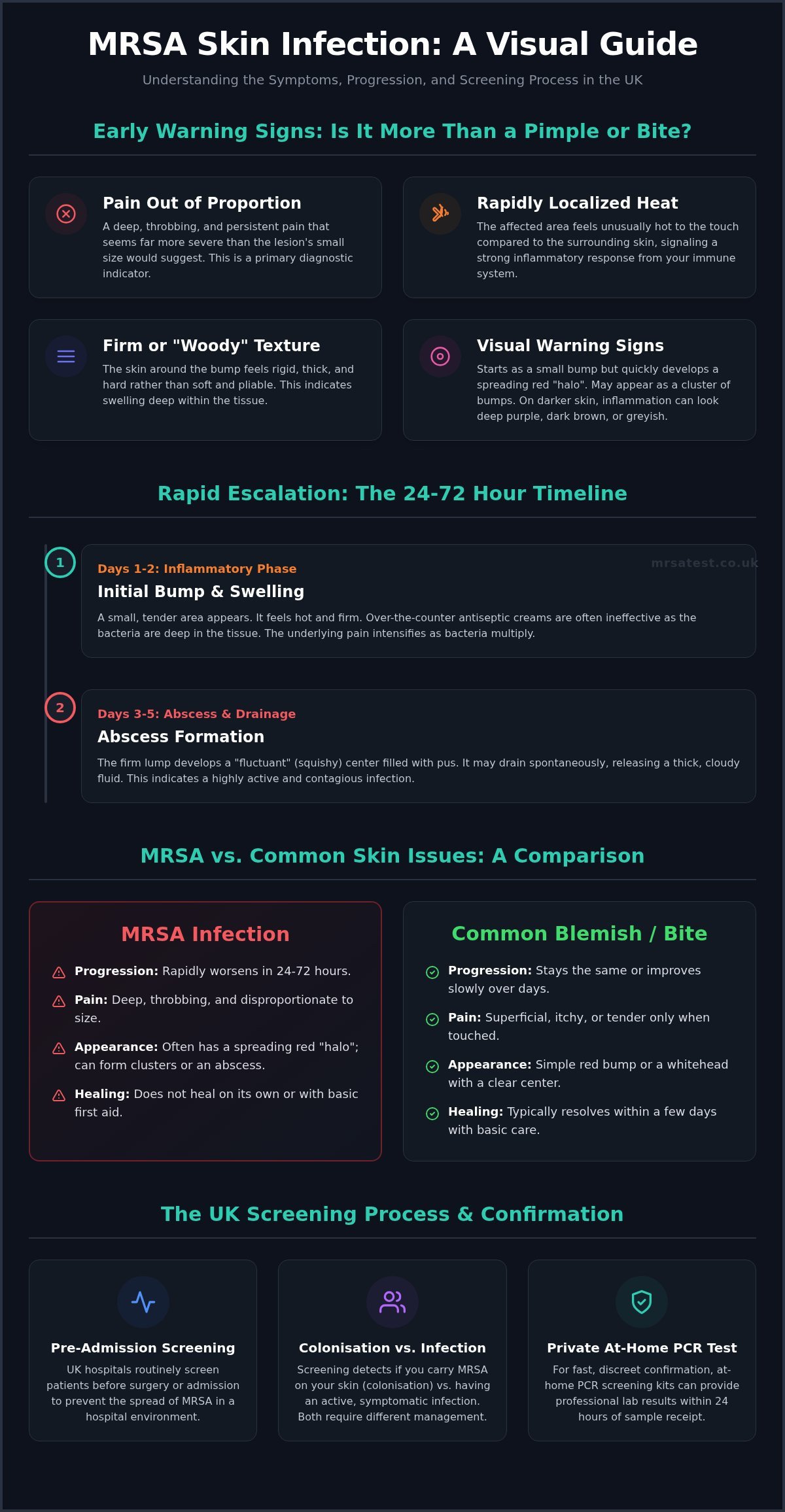
Beyond the visual appearance, tactile markers provide essential clues for self-assessment. An MRSA infection often feels unusually hot to the touch compared to the surrounding skin. The area may feel firm or “woody,” meaning the skin feels rigid and thick rather than soft and pliable. On lighter skin tones, this usually appears as bright red or pink. On brown or black skin, the inflammation might appear deep purple, dark brown, or even greyish. This makes it vital to check for changes in texture and heat rather than relying on redness alone.
Visual Warning Signs: The Pimple That Does Not Heal
A standard pimple or whitehead typically develops a clear centre and heals within a few days. An MRSA lesion often behaves differently. It may start as a small bump but quickly develops a red “halo” that spreads outwards from the central point. You should also monitor for clusters. When multiple bumps appear in one area, it suggests the bacteria are spreading through the hair follicles. This pattern is a red flag that often triggers the formal mrsa screening process uk healthcare providers use to assess infection risk.
The Sensation Factor: Pain Out of Proportion
The most striking feature of an MRSA infection is the sensory experience. You might notice a deep, throbbing sensation that persists even when you aren’t touching the area. The tenderness is often described as “deep” rather than superficial. Disproportionate pain is a primary MRSA diagnostic indicator where the level of physical discomfort significantly exceeds what is expected based on the visual size of the lesion. If a small, innocuous-looking bump causes significant distress or limits your movement, it’s a clear signal to seek professional screening.
The Progression of MRSA: From Minor Bump to Abscess
Understanding the speed at which an infection evolves is essential for timely intervention. Unlike minor skin irritations that linger for weeks without change, MRSA typically follows a rapid escalation timeline of 24 to 72 hours. What starts as a small, tender area can quickly transform into a significant medical concern. If you’re awaiting surgery, the MRSA screening process in the UK ensures that these progressions are caught before they present a risk in a hospital environment. Recognising the shift from a simple bump to a complex infection allows you to act before the bacteria spread further.
Stage 1: The Inflammatory Phase (Days 1-2)
During the first 48 hours, the primary characteristics are localised swelling and a distinct “hot to the touch” sensation. This heat indicates that your immune system is actively responding to the bacteria. Many patients attempt to treat the area with standard over-the-counter antiseptic creams. These often fail to halt the spread because the bacteria are deep within the tissue and resistant to common active ingredients. For a deeper look at why this happens, you can read What Is MRSA? Your Complete Guide to Symptoms, Causes & Risks. At this stage, the skin remains firm, but the underlying pain often intensifies as the bacteria multiply.
Stage 2: Abscess and Drainage (Days 3-5)
As the infection moves into the third day, the firm lump often develops into a formal abscess. You might notice the centre of the wound becoming “fluctuant,” which is a clinical term for a squishy, pus-filled pocket. Spontaneous drainage may occur, where the skin breaks and leaks thick, cloudy fluid. While this might feel like a relief, it’s a sign that the infection is highly active and contagious. It’s vital that you never squeeze or attempt to drain a suspected MRSA boil yourself. Doing so can push the bacteria deeper into the bloodstream or cause “tracking,” where red streaks appear to move away from the wound toward the heart.
If the infection continues to progress without management, it may trigger systemic signals. You should monitor your overall health for fever, chills, or sudden dizziness. These symptoms suggest the bacteria are affecting your entire body rather than remaining localised. Recognising these stages helps you navigate the mrsa screening process uk patients use to secure private diagnostic clarity. If your symptoms are escalating rapidly, a professional PCR test can provide the rapid confirmation you need to take the next step in your care.
MRSA vs Lookalikes: How to Tell the Difference
Distinguishing between common skin irritations and a resistant infection is a critical part of The MRSA Screening Process in the UK. While many conditions present with redness and swelling, the diagnostic path depends on subtle visual and tactile differences. For an extensive library of reference images, you may find it helpful to view A Visual Guide to Common Skin Infections. Understanding these differentiators helps you provide more accurate information to healthcare providers during your assessment and ensures you don’t overlook a serious issue.
Speed of onset is a major factor in your self-assessment. MRSA escalates significantly within 24 to 48 hours, whereas conditions like impetigo or mild folliculitis often develop more slowly. Impetigo is easily identified by its distinctive honey-coloured crusts, which form as superficial blisters pop and dry. In contrast, MRSA creates deep-seated lesions that focus on depth and internal pressure rather than surface crusting. If your skin lesion is rapidly becoming a hard, painful lump without the classic yellow crust of impetigo, it warrants professional attention through the mrsa screening process uk residents use for private confirmation.
Is it Folliculitis or MRSA?
Standard folliculitis involves the inflammation of hair follicles, usually appearing as small, itchy white-headed pimples. It generally stays superficial and often resolves with basic hygiene or mild topical antiseptics. MRSA penetrates into the deeper dermal layers, creating a much more significant inflammatory response. You can often tell the difference using the “multiple head” rule. While razor burn or mild folliculitis presents as individual scattered bumps, MRSA often forms a tight cluster with multiple heads that eventually merge into a single, large abscess. This deep tissue involvement is why hospital screening protocols focus so heavily on identifying these specific clusters before they become systemic.
Cellulitis vs MRSA: Understanding the Spread
Cellulitis and MRSA are frequently confused because both involve significant heat, pain, and redness. However, cellulitis typically presents as a flat, red area of skin that spreads rapidly across the surface like a stain. It doesn’t usually have a defined centre or a pus-filled head in the early stages. MRSA typically presents as a raised, localised lump that grows in volume and pressure rather than just surface area. Both conditions require urgent medical review because they involve different bacterial behaviours and require specific antibiotic protocols. MRSA presents as a “collection” while cellulitis is “diffuse”.
The MRSA Screening Process in the UK
The mrsa screening process uk hospitals implement is a fundamental safety measure designed to protect both the individual and the wider healthcare community. While it’s common to associate MRSA with active skin symptoms, the screening process frequently identifies individuals who are “colonised.” This means the bacteria live on the skin or in the nostrils without causing harm to the carrier. However, these bacteria pose a significant risk if they enter a surgical incision or a weakened immune system. High-risk environments such as gyms, schools, and crowded healthcare settings are common places where colonisation occurs through skin-to-skin contact or shared equipment.
Why UK Hospitals Screen for MRSA
Surgical Site Infections (SSIs) are a primary concern for the NHS. If MRSA is present on your skin during an operation, it can lead to deep-tissue infections that are difficult to treat with standard antibiotics. Pre-operative screening identifies these risks early. If you test positive, you’ll typically undergo a decolonisation process. This involves a five-day course of antibacterial body wash and a specific nasal antibiotic cream. Following this protocol reduces the bacterial load on your skin, making surgery significantly safer. For those planning an upcoming procedure, reviewing a Complete Pre-Op Health & Logistics Checklist can help you manage these requirements effectively.
When to Seek Private Screening
Waiting for hospital-led results can often be a source of significant anxiety. A positive result at the last minute can lead to the postponement of elective surgeries, which disrupts your recovery plans and personal schedule. Choosing a private mrsa screening process uk residents can access from home allows you to take control of the timeline. Rapid PCR testing provides results within 24 hours of the laboratory receiving your sample; this is much faster than traditional culture methods.
Private screening also offers a layer of discretion for those managing recurring skin concerns or working in high-risk professions. It allows you to confirm your status and begin any necessary protocols in a private setting before your formal hospital admission. To ensure your surgery stays on track, consider using at-home MRSA screening kits to get the answers you need without the wait.
Taking Action: How to Confirm an MRSA Infection
Confirming an infection requires a laboratory to test the bacteria against specific antibiotics to determine resistance. A general blood count isn’t enough for a definitive diagnosis. While a blood test shows your body is fighting an infection, it can’t identify the specific strain or its resistance profile. Only a targeted swab can provide the diagnostic clarity needed for the mrsa screening process uk patients undergo. This precision ensures that any subsequent treatment is tailored to the exact bacteria present, rather than relying on broad-spectrum options that might not work.
While most skin symptoms are manageable through standard screening, you must recognise when the situation requires immediate medical intervention. You should skip the screening process and go straight to A&E if you experience “red flag” symptoms. These include a high fever over 38°C, sudden confusion, or rapid heart rate. If red streaks begin to spread away from the site of the infection, it suggests the bacteria may have entered the lymphatic system. In these instances, emergency care is necessary to prevent systemic complications.
How At-Home MRSA Testing Works
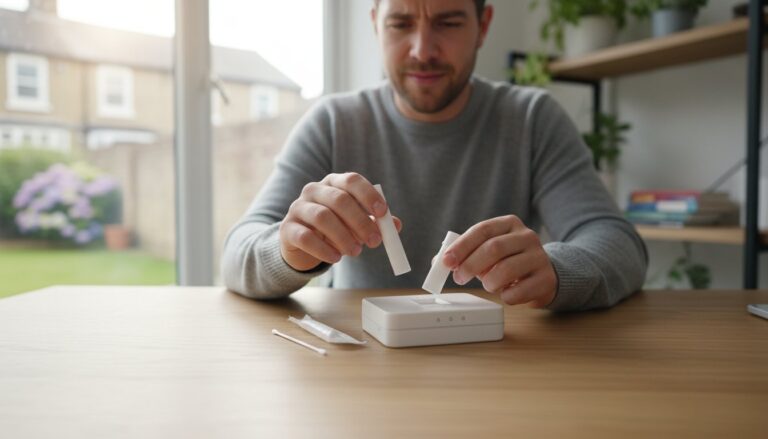
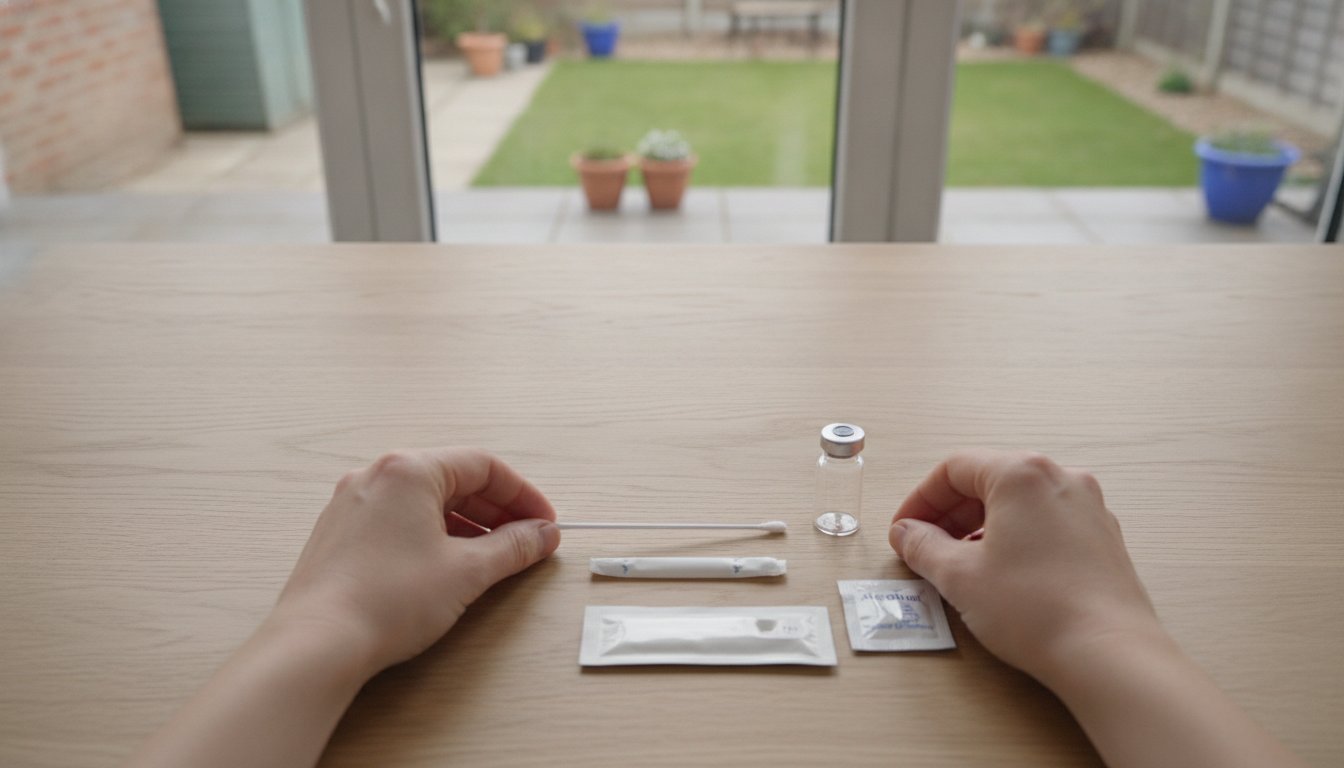
At-home kits provide a clinical-grade alternative to waiting for a GP appointment. The process is straightforward and involves taking swabs from three key areas where the bacteria often live: the nose, the groin, and the axilla (armpit). Using a single kit to sample these sites increases the accuracy of the screen. You have two main options depending on your timeline. A standard culture test involves growing the bacteria in a controlled environment, which typically takes a few days. In contrast, a Rapid PCR test identifies the bacteria’s genetic material, offering a much faster turnaround. You can find more details here: MRSA Test: Get Fast, Accurate Results at Home.
Next Steps After Your Results
Once you receive your results from an accredited UK laboratory, you can share the report directly with your surgeon or GP. This proactive approach helps prevent delays in elective procedures and ensures your medical team has the data they need well in advance of your admission. If your test is positive and you have active skin symptoms, focus on strict hygiene to prevent spreading the bacteria to others in your household. Don’t share towels, flannels, or razors, and ensure you wash your hands frequently with soap and water. The PCR method is the fastest way to detect MRSA DNA. This efficiency allows you to move from uncertainty to a clear management plan within 24 hours of the lab receiving your sample, providing the peace of mind you need to move forward with your healthcare.
Securing Your Path to Recovery
Identifying a resistant infection early makes a significant difference to your treatment outcome and surgical timeline. By recognising the visual markers of a lesion and understanding the rapid 24 to 72-hour progression window, you can move from uncertainty to action. Distinguishing these symptoms from common lookalikes like folliculitis ensures you don’t overlook a condition that requires specific clinical attention. Navigating the mrsa screening process uk hospitals require doesn’t have to be a source of stress or delay.
You can take a proactive step today by choosing a diagnostic solution that fits your schedule and prioritises your privacy. Our service provides Accredited UK Laboratory Testing with Rapid 24-hour PCR Results Available upon receipt of your sample. This discreet and private service allows you to confirm your status from the comfort of your home. It ensures your healthcare plans remain on track without the anxiety of waiting for hospital-led results.
Order Your Confidential MRSA Test Kit Online Today to gain the professional clarity you need to move forward. Your health and peace of mind are well within your control.
Frequently Asked Questions
What does an early MRSA skin infection look like?
Early MRSA usually appears as a small, red, swollen bump that is unexpectedly painful. It often looks like a pimple or an insect bite but feels firm and hot to the touch. You may notice a spreading red halo around the central point. Unlike a normal blemish, the skin around it often becomes rigid or “woody” in texture quite quickly, indicating deeper inflammation rather than a superficial irritation.
Can MRSA look like a regular pimple at first?
Yes, MRSA frequently mimics a standard pimple or whitehead during its initial stage. The main difference is the level of discomfort and the speed of change. A regular pimple usually stays small and heals within a few days. An MRSA lesion will likely become significantly more painful and swollen within 24 hours. It lacks the typical resolution pattern of a minor blemish and often develops into a deep, throbbing abscess.
How quickly do MRSA skin symptoms spread?
MRSA skin symptoms typically escalate within a rapid window of 24 to 72 hours. While a minor irritation might stay the same for a week, an MRSA infection can transition from a small red bump to a large, pus-filled abscess in just a few days. This fast progression is why the mrsa screening process uk patients follow is so important for catching infections before they become systemic or interfere with planned surgeries.
Is it possible to have MRSA on the skin without any symptoms?
It is very common to carry the bacteria on your skin without experiencing any symptoms; this is known as colonisation. In this state, the bacteria live harmlessly in areas like the nose or groin. However, these bacteria can cause a serious infection if they enter the body through a cut or surgical wound. This is why hospitals require screening even for patients who appear perfectly healthy and show no skin irritation.
What is the difference between a spider bite and MRSA?
The primary difference lies in the progression and the rarity of significant spider bites in the UK. While both can start as a red, itchy bump, an MRSA infection will quickly become harder, hotter, and much more painful. Spider bites usually improve with antihistamines, whereas MRSA will continue to swell and may eventually leak pus. If a “bite” is throbbing and spreading, it is likely a bacterial infection requiring professional screening.
When should I go to A&E for a skin infection?
You should seek emergency care at A&E if your skin infection is accompanied by systemic red flag symptoms. These include a high fever over 38°C, chills, confusion, or a very rapid heartbeat. Additionally, if you see red streaks spreading away from the wound or if the pain becomes completely unmanageable, it suggests the infection might be entering your bloodstream. These situations require immediate medical intervention rather than standard outpatient screening.
How do I know if my skin infection is resistant to antibiotics?
Resistance is usually suspected when an infection fails to improve after 48 hours of taking standard antibiotics like flucloxacillin. You might notice the redness spreading or the pain intensifying despite following your prescription. However, the only way to confirm resistance is through a laboratory swab test. This test identifies the specific bacterial strain and determines which antibiotics are still effective, which is a key part of the mrsa screening process uk labs perform.
Can I test for MRSA at home if I have a suspicious bump?
You can use a private at-home screening kit to confirm the presence of MRSA using clinical-grade swabs. These kits allow you to sample the nose, groin, and the area around the suspicious bump. Choosing a Rapid PCR test provides results within 24 hours of the laboratory receiving your sample. This is an efficient way to get answers without waiting for a GP appointment, especially if you are concerned about pre-surgery requirements.