How Long Are MRSA Results Valid For? Your Pre-Op Guide (2026)
Could a single date on a lab report be the only thing standing between you and your scheduled surgery? You’ve likely spent months waiting for your procedure, but a simple administrative oversight regarding your screening window can lead to a cancelled operation on the very morning of your admission. It is a common source of stress for patients who are unsure exactly how long are mrsa results valid for in the eyes of their surgical team. While the general clinical standard in the UK is 30 days, specific hospital policies often vary, leaving many people feeling anxious and unprepared.
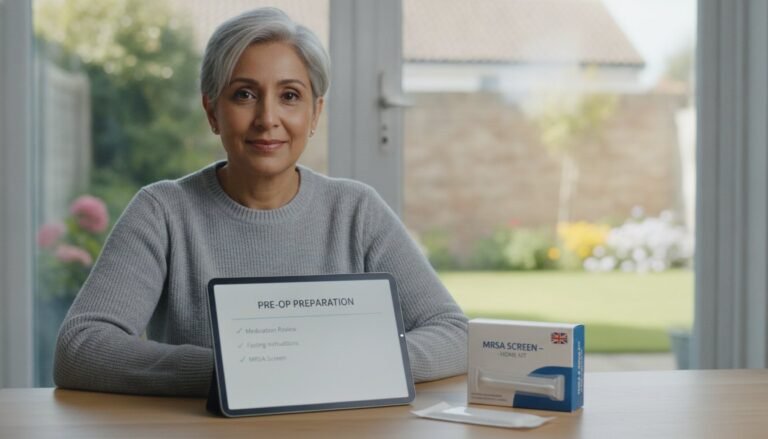
We believe that preparing for surgery should be about your health, not about chasing paperwork. You’re already dealing with enough pressure, and we’re here to help you manage the technicalities with quiet competence. This guide provides a clear breakdown of MRSA result expiration periods and explains how to ensure your screening meets the 2026 requirements of your specific clinic. We’ll also show you how to obtain a fast, UKAS-accredited result from the comfort of your home, so you can arrive at the hospital with confidence and focus entirely on your recovery.
Key Takeaways
- Understand why most NHS Trusts consider results valid for 4 to 12 weeks and how this “snapshot” of colonisation impacts your surgery date.
- Discover exactly how long are mrsa results valid for and which specific health changes, such as recent hospital stays, could require an immediate re-test.
- Compare the benefits of rapid PCR molecular detection against traditional culture methods to ensure your results meet strict hospital requirements.
- Learn how to manage your pre-operative timeline effectively by organising your screening at least three weeks before your surgery date.
- Explore how a discreet, UKAS-accredited at-home test kit offers a professional and convenient alternative to traditional clinical appointments.
Understanding the Validity Period of MRSA Screening Results
An MRSA screening result is a clinical snapshot of Methicillin-resistant Staphylococcus aureus (MRSA) colonisation at one specific moment. It doesn’t provide a permanent “clearance” certificate. Because bacteria are dynamic and can be picked up from various environments, hospitals must set strict expiration dates on these tests to ensure patient safety. Understanding how long are mrsa results valid for is a vital part of your pre-operative preparation.
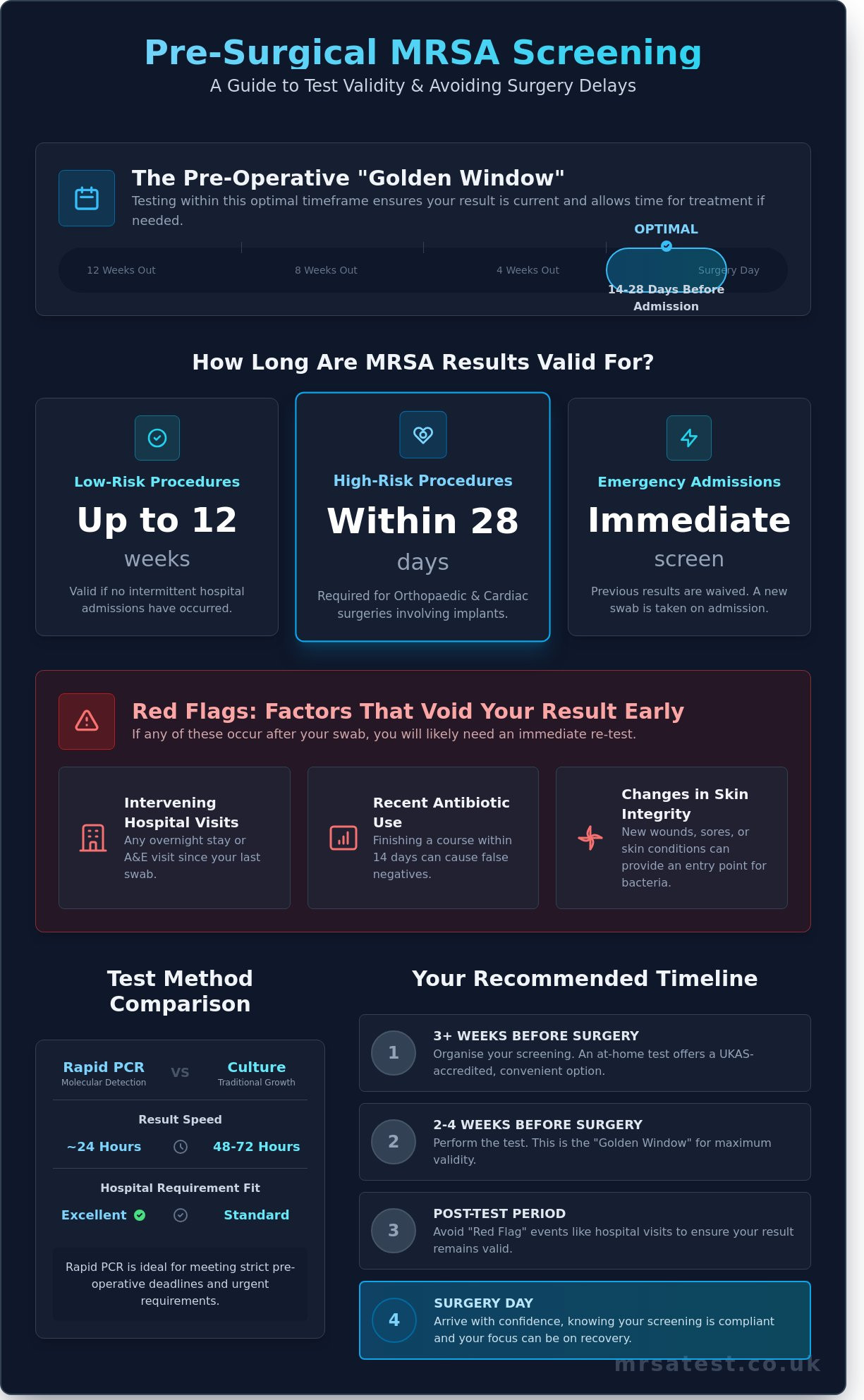
Standard UK hospital policy typically dictates that results remain valid for 4 to 12 weeks. This variation depends on the specific NHS Trust and the type of surgery you are undergoing. Most pre-assessment clinics aim for a “Golden Window” of 14 to 28 days before your admission date. Testing within this 2 to 4 week period ensures the result is current while allowing enough time for decolonisation treatment if the swab returns a positive result.
Common NHS Trust Timeframes
- Low-risk procedures: For minor surgeries, results are often accepted for up to 12 weeks. Some centres may extend this to 90 days if you haven’t had any hospital admissions in the interim.
- High-risk (Orthopaedic or Cardiac): Procedures involving implants or the heart carry a higher risk of complications. Surgeons in these units usually require a fresh swab taken within 28 days of the operation.
- Emergency admissions: If you are admitted via A&E, previous validity periods are usually waived. Staff will perform immediate “on-admission” screening to manage infection risks in real-time.
Why Results Don’t Last Forever
The primary reason for these time limits is the changing nature of skin flora. You can become colonised at any time through contact with the community or other healthcare settings. A negative result from 6 months ago cannot account for your current bacterial status. Clinical accuracy is the priority here.
Recent antibiotic use also plays a significant role. If you finished a course of antibiotics in the last 14 days, it could temporarily suppress the bacteria, leading to a false negative. This makes older results unreliable for your surgical team. Hospitals use these validity windows as essential audit tools. It ensures that every patient on a 2026 surgical list meets the most recent infection control standards. Knowing how long are mrsa results valid for helps you avoid last-minute cancellations. If your test expires before your surgery date, you will almost certainly need to repeat the swab process to stay compliant with hospital policy.
Factors That Can Void Your MRSA Result Early
A negative result doesn’t always guarantee you a permanent pass into the operating theatre. While most UK hospitals operate on a 30-day window, this period can be cut short by changes in your health or environment. Understanding how long are mrsa results valid for requires looking beyond the date on your lab report. Clinical teams prioritise current safety over historical data; if your risk profile shifts, your previous “clear” status often becomes void immediately.
Surgeons and infection control nurses look for specific “red flag” events that suggest you might’ve been colonised since your last swab. If any of the following occur, you’ll likely need a fresh screen to prevent the risk of a post-operative infection. If you’re unsure if a recent event has affected your status, using a discreet at-home MRSA kit can provide a fast, 24-hour update before your formal hospital pre-op appointment.
Intervening Hospital Visits
Spending time in a clinical environment is one of the quickest ways to invalidate a test. If you’ve had an overnight stay in any hospital or a visit to an A&E department since your last swab, your “clear” status is usually reset. Hospitals are high-traffic areas where the risk of cross-colonisation is significantly higher than in the general community. You must inform your surgical team about any healthcare exposure within the last 14 days. This transparency is a core part of clinical effectiveness and guidelines, which suggest screening at least 7 days before surgery to allow for a five-day decolonisation protocol if a new colonisation is detected.
This emphasis on patient safety through screening is a global standard. Specialists in complex fields like bariatric surgery, such as ד”ר אסנת רזיאל, build their entire pre-operative process around minimizing infection risks to ensure successful outcomes.
Changes in Skin Integrity
Any disruption to your skin’s natural barrier provides an entry point for Staphylococcus aureus. Your skin is your primary defence; when it’s compromised, the risk of MRSA colonisation increases. Common triggers for a mandatory re-test include:
- New Wounds or Cuts: Even minor surgical procedures or accidental deep lacerations can change your risk level.
- Eczema or Psoriasis Flare-ups: Cracked, inflamed skin is a known reservoir for bacteria. A sudden flare-up often necessitates new swabs from the affected site.
- Medical Devices: The insertion of a new catheter, cannula, or feeding tube since your last test will almost always void your previous result.
- Specific Site Changes: If you develop a rash in the groin or axilla (armpit), these high-moisture areas must be re-swabbed, as they’re primary colonisation sites.
International travel to regions with high MRSA prevalence or starting a new role in a care home can also impact how long are mrsa results valid for in the eyes of a consultant. Most NHS trusts will ask for a fresh screen if you’ve worked in a high-risk healthcare setting within the 4 weeks leading up to your procedure. It’s always better to test early and often rather than face a last-minute cancellation on the day of your surgery.
Comparing PCR and Culture Test Validity for Surgery
The choice between a PCR test and a traditional culture test significantly impacts your surgical timeline. While both methods identify the presence of Staphylococcus aureus, their technology dictates the window of opportunity you have before a result is considered outdated. Most NHS Trusts and private clinics require these tests to be completed within 14 to 30 days of your procedure. However, if you are asking how long are mrsa results valid for when your surgery is only days away, the testing method becomes the most critical factor in your preparation.
When to Choose a PCR Rapid Test
PCR (Polymerase Chain Reaction) tests are the modern gold standard for urgent clinical situations. This method uses molecular detection to identify MRSA DNA directly from your sample. Because it doesn’t require bacteria to grow in a lab, results are often available within 24 hours. You should opt for an MRSA Rapid PCR Test Kit if your surgical date is less than 72 hours away or if a previous result has expired. This speed ensures you meet the strict validity windows required by hospital admissions teams without delaying your operation.
The Role of Culture Testing
Culture testing remains the traditional approach for standard pre-assessment screenings where time is not a pressing constraint. This process involves placing your swabs on a nutrient-rich agar plate and waiting 48 to 72 hours to see if bacteria colonise. While slower, it provides a unique advantage; it allows lab technicians to perform sensitivity testing. This helps clinicians determine exactly which antibiotics will effectively treat the specific strain you carry. Hospitals often prefer this for routine monitoring because it’s cost-effective, typically costing the healthcare system less than a PCR equivalent.
Accuracy vs. Speed in Hospital Policy
The decision on which test to accept often rests with the specific NHS Trust or private hospital policy. For high-stakes surgeries, such as heart valve replacements or orthopaedic implants, many UK surgeons now insist on PCR tests because they provide a snapshot of your status closer to the moment of incision. If you’re wondering how long are mrsa results valid for in these high-risk scenarios, the answer is often a much tighter 48-hour window. PCR provides the clinical certainty needed for these last-minute checks, whereas culture tests might leave a patient waiting too long, potentially missing the surgical slot entirely.
- PCR Tests: Best for results needed within 24 hours; focuses on DNA detection.
- Culture Tests: Best for routine screening; allows for antibiotic sensitivity analysis.
- Validity: PCR is often used to refresh an expired culture test result quickly.
Managing Your Pre-Operative Timeline to Avoid Delays
Timing is the most critical factor in your surgical preparation. Every NHS Trust operates under specific protocols, so you must check your local policy the moment your surgery date is confirmed. While individual NHS Trusts set their own parameters, knowing exactly how long are mrsa results valid for prevents last-minute cancellations that can cost the healthcare system thousands of pounds and delay your recovery.
You should organise your screening at least 3 weeks before your scheduled operation. This 21-day buffer is essential because it accounts for the time needed to process results and, crucially, provides a window for decolonisation if you test positive. A standard decolonisation programme typically lasts 5 to 7 days; without this lead time, your surgery will likely be postponed. To ensure a smooth process, follow these logistical steps:
- Maintain strict hygiene: Wash your hands frequently and avoid sharing towels or bed linen with family members between your test and the operation date.
- Request documentation: Always keep a physical or digital copy of your laboratory report. Don’t rely solely on the hospital’s internal computer system; having your own copy to present at the admissions desk provides an extra layer of security.
- Monitor your health: If you develop any new skin breaks, rashes, or sores after your test, inform your surgical team immediately, as these can be sites for new MRSA growth.
What to Do If Your Result Has Expired
If your surgery is delayed and your result exceeds the Trust’s validity window (often 90 days), contact your Pre-Operative Assessment (POA) nurse immediately. They’ll determine if a full re-screen is required. If the hospital lab is facing a backlog, you can fast-track the process by using a private PCR test, which provides molecular detection results in as little as 24 hours. For a full breakdown of how to manage these logistics, refer to our Preparing for Surgery Checklist.
Staying ‘Clear’ After a Negative Result
A negative result is only a snapshot in time. To stay clear, focus on reducing environmental risks in the fortnight before your procedure. If your surgeon recommends it, use an antiseptic wash containing 4% Chlorhexidine gluconate, such as Hibiscrub, for a few days before admission. It is also wise to avoid visiting friends or relatives in hospital once you have your ‘clear’ result. Hospitals are high-traffic areas for various bacteria; visiting them unnecessarily increases your risk of re-colonisation just before your own admission. Stick to your home environment and maintain high standards of personal cleanliness to ensure your negative status remains accurate.
Ensure your surgery goes ahead as planned by securing an accurate, laboratory-verified result. Order your MRSA home test kit today for fast and confidential screening.
Reliable At-Home MRSA Testing for Urgent Requirements
Organising elective surgery requires precise timing. If an NHS screening appointment is delayed, it can jeopardise your entire procedure. mrsatest.co.uk provides a professional, UKAS-accredited alternative that bypasses long hospital waiting lists. You get the same clinical accuracy found in a hospital setting but with the convenience of a self-test kit. This service is a vital backup for patients who need to confirm their status quickly. Knowing exactly how long are mrsa results valid for matters because most UK hospitals require proof of a negative result within 14 days of your admission. If you miss this window, you might face a cancellation.
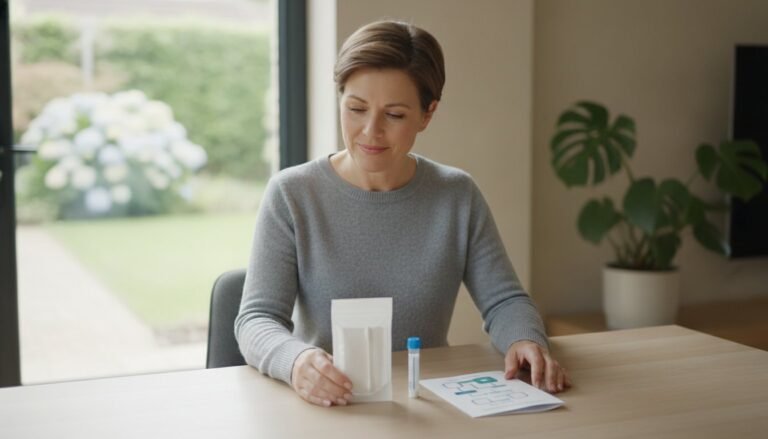
Our kits use professional-grade swabs designed for easy use at home. You won’t need to travel to a busy clinic or wait in a communal seating area. This reduces your exposure to other pathogens before your operation. We provide everything required to collect samples from the nose, throat, and groin areas safely. This level of autonomy gives you control over your pre-op timeline, ensuring you aren’t left waiting for a GP appointment that might not arrive in time. It’s a simple way to manage your health without the stress of public health queues.
Our Accredited Laboratory Process
Every sample is processed in a certified UK facility that meets stringent national standards. We prioritise your privacy by using secure systems that comply with all UK data protection laws. Once the lab completes the analysis, you’ll receive a clear, professional report. This document is designed for easy interpretation. You can hand it directly to your surgical team or pre-assessment nurse. It includes the laboratory’s accreditation details, which ensures the results are recognised by private and NHS healthcare providers across the country. Our process removes the ambiguity often found in standard medical paperwork, providing a definitive answer for your peace of mind.
Order Your Kit Today
The ordering process is simple and efficient. You can choose between two primary testing methods based on your specific timeline:
- PCR Rapid Test: Offers molecular detection within 24 hours of the lab receiving your sample. This is ideal for those on a tight schedule.
- Culture Test: The traditional method that provides results within 48 to 72 hours.
Every kit is sent in discreet packaging to protect your privacy. We include prepaid return shipping to ensure your samples reach our experts without delay. Don’t let a missing test result postpone your recovery. Order your confidential MRSA test kit online today to secure your surgical window.
Secure Your Surgery Date with Timely MRSA Screening
Managing your pre-operative timeline requires precision. Most UK hospitals require a clear screen within 30 to 90 days of your procedure; however, it’s vital to understand how long are mrsa results valid for if your health circumstances change. A new course of antibiotics or an unplanned overnight hospital stay can void your results instantly. If you’re within 14 days of your surgery and haven’t secured your clearance, the risk of a last-minute cancellation increases significantly.
You don’t need to leave your health to chance. Our service provides a professional solution through a UKAS-accredited UK laboratory, ensuring your results meet strict clinical standards. We offer a discreet and confidential at-home service that delivers 24-hour PCR results once your sample reaches the lab. This fast-track approach removes the stress of NHS backlogs and ensures you have the necessary documentation ready for your surgical team. You’ll find the process simple, secure, and designed to give you complete peace of mind before your operation.
Order Your Fast-Track MRSA Test Kit Now
Frequently Asked Questions
Can I use an MRSA result from a different hospital for my surgery?
You can sometimes use a result from another hospital, but it depends on the specific policy of the Trust where your surgery is taking place. Most NHS hospitals require a result from a UKAS-accredited laboratory that’s less than 30 days old. You must provide the official laboratory certificate to your pre-assessment team to ensure they can verify the data and the testing method used.
What happens if my MRSA test comes back positive just before surgery?
If your test returns a positive result, your surgery will likely be postponed for 5 to 7 days while you undergo decolonisation treatment. This simple process involves using a special antibacterial body wash and a nasal cream to clear the bacteria from your skin. Once you complete the treatment, the clinical team will usually perform a follow-up swab to confirm the bacteria is gone before rescheduling your procedure.
Is a private MRSA test result accepted by the NHS?
Yes, NHS Trusts typically accept private results as long as they are processed by a UKAS-accredited facility. Many patients choose this route to test from the comfort of their own home and avoid extra hospital visits. You’ll need to present the formal report at your pre-operative appointment to prove you’ve been screened within the required timeframe.
How many days before surgery should I be screened for MRSA?
You should aim to be screened between 14 and 28 days before your scheduled operation. This window is important because it gives the lab time to process the culture and allows you to complete a decolonisation programme if the result is positive. Knowing how long are mrsa results valid for is essential, as most UK hospitals consider a result expired once it passes the 30-day mark.
Will my surgery be cancelled if my MRSA result is older than 4 weeks?
There’s a significant risk that your surgery will be postponed if your result is older than 28 days. Hospital protocols are strict because colonisation status can change in just a few weeks. If your screening is outdated, the surgical team won’t have the current data needed to guarantee a sterile environment, which often leads to a last-minute delay of your procedure.
Can I be re-colonised with MRSA after a negative test?
It’s possible to become re-colonised even after receiving a negative test result. Approximately 3% of the UK population carries MRSA on their skin or in their nose at any given time. If you come into contact with a carrier or a contaminated surface after your swab, you could pick up the bacteria again before your surgery date arrives.
Do I need to be screened for MRSA if I’ve had it before?
Yes, you must be screened regardless of your medical history, and you should always inform the hospital if you’ve had a previous infection. Patients with a history of MRSA are often prioritised for screening or placed on a preventative decolonisation path. Even if your last positive result was several years ago, the hospital needs a fresh, negative swab to proceed safely with your surgery.
Does a negative MRSA result mean I am 100% safe from infection?
A negative result doesn’t offer a 100% guarantee against infection, but it drastically reduces the risk of surgical site complications. The test only confirms your status at the exact moment the swab was taken. Understanding how long are mrsa results valid for helps you time your screening perfectly, ensuring the surgical team has the most reliable information to keep you safe during your recovery.