Nasal Cream for MRSA Carriers: A Guide to Decolonisation & Clearance
Last month, a patient preparing for a routine procedure at an NHS trust was told they were an MRSA carrier, a discovery that affects approximately 3% of the UK population at any given time. It’s natural to feel a sudden wave of anxiety about what this means for your surgery or your family’s safety. However, being a carrier is not the same as having an active infection. Using a prescribed nasal cream for mrsa carriers is a standard, highly effective way to manage this and ensure your environment remains safe.
We understand that the “colonisation” label can feel daunting, but it’s simply a manageable step in your healthcare journey. This guide explains how these clinical creams work to eliminate the bacteria and the specific UK protocols you should follow for successful decolonisation. You’ll learn the correct application technique to ensure the treatment’s efficacy and how to confirm you’re clear using a discreet, UKAS-accredited home test kit.
Key Takeaways
- Understand why the nostrils act as a primary reservoir for bacteria and the crucial difference between simple colonisation and an active infection.
- Explore the standard UK clinical protocols, including the correct use of a nasal cream for mrsa carriers such as Mupirocin or Naseptin.
- Learn why a “bundle” approach—combining nasal ointments with antimicrobial body washes—is necessary for successful full-body decolonisation.
- Follow a step-by-step guide to the “Matchstick Head” rule to ensure precise application and maintain clinical hygiene standards during your treatment.
- Discover the “three clear sets” rule and why waiting at least 48 hours after treatment is vital before undergoing your final clearance screening.
Understanding MRSA Colonisation: Why the Nose is a Primary Reservoir
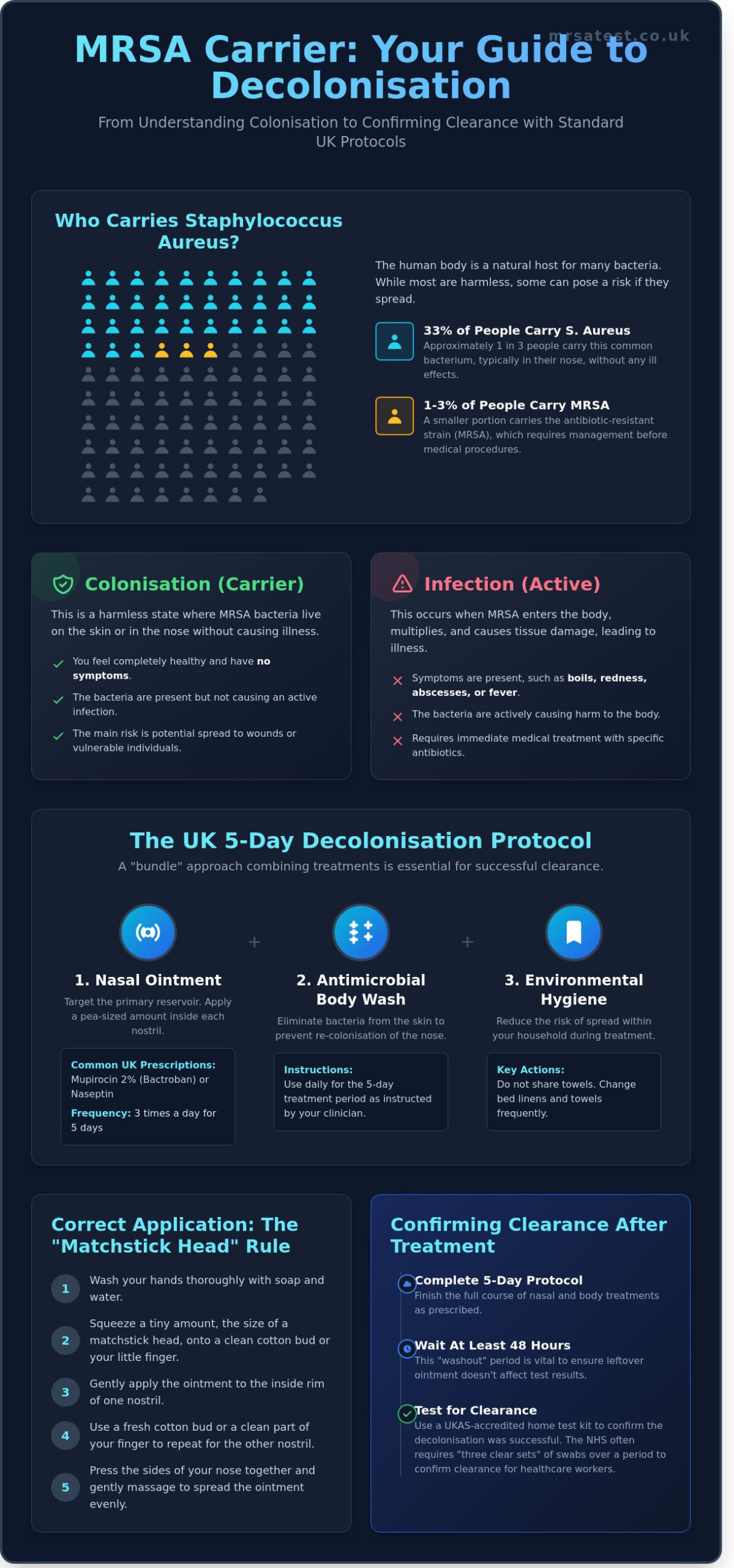
Many people are surprised to learn they carry Methicillin-resistant Staphylococcus aureus (MRSA) without ever feeling unwell. This state is known as colonisation. It means the bacteria live on the skin or inside the nostrils without causing harm to the host. The anterior nares, or the front part of the nostrils, serve as the primary reservoir for these bacteria. This area provides a warm, moist, and protected environment where the bacteria can thrive undisturbed by the body’s immune system. Approximately 33% of the population carries some form of Staphylococcus aureus, while around 1% to 3% carry the drug-resistant MRSA strain.
Colonisation vs. Infection: What You Need to Know
Being a carrier is fundamentally different from having an active infection. Carriers don’t have symptoms like boils, redness, or abscesses. They feel healthy and go about their daily lives unaware of the bacteria. The danger lies in the movement of the bacteria from the nose to other parts of the body. If MRSA travels from the nostrils to a break in the skin or a surgical wound, it can lead to a severe, hard-to-treat infection. This makes identifying symptoms and risks vital before any planned hospital admission. Doctors often prescribe a specific nasal cream for mrsa carriers to clear the bacteria from this reservoir before it can cause complications.
The Risks of Remaining a Carrier
Carrying MRSA isn’t just a personal health matter; it’s a concern for the wider community. Carriers can unknowingly spread the bacteria to vulnerable family members, such as the elderly or those with weakened immune systems, through skin-to-skin contact or shared household items. In the UK, the NHS has strict protocols for pre-operative screening because colonised patients are at a much higher risk of developing surgical site infections (SSIs). Decolonisation acts as a preventative shield for the whole community. Using a nasal cream for mrsa carriers as part of a wider hygiene routine offers several benefits:
- It prevents the spread of resistant bacteria within healthcare settings and households.
- It protects immunocompromised individuals who are at a higher risk of developing sepsis.
- It significantly lowers the chance of post-operative complications during recovery.
- It ensures that elective surgeries can proceed as scheduled without the risk of an outbreak.
By addressing the colonisation in the nose, patients can manage their carrier status discreetly and effectively. This simple step is a cornerstone of modern infection control, ensuring that a common carrier state doesn’t turn into a life-threatening medical emergency.
Common Nasal Creams for MRSA Decolonisation in the UK
Effective decolonisation requires targeted medical intervention. You cannot rely on standard over-the-counter antiseptic creams found in high-street pharmacies. These general products often lack the potency to eradicate Staphylococcus aureus colonies deep within the nasal passages. Instead, UK clinicians prescribe specific antibacterial agents designed to disrupt the life cycle of the bacteria. Using a specialised nasal cream for mrsa carriers ensures the treatment is strong enough to bypass the protective layers the bacteria build around themselves.
These prescription-strength treatments work by either breaking down the bacterial cell wall or inhibiting protein synthesis. Without the ability to produce essential proteins, the MRSA bacteria cannot replicate and eventually die off. Following MRSA decolonization instructions provided by your healthcare professional ensures these medications reach the necessary concentration to be effective. Most UK protocols involve a combination of nasal treatment and body washes to prevent the bacteria from migrating back into the nose from other parts of the skin.
Mupirocin 2% Nasal Ointment (Bactroban)
Mupirocin remains the gold standard treatment within the NHS and private healthcare sectors. It’s an antibiotic that specifically blocks the enzyme responsible for bacterial protein synthesis. It’s vital to use the specific “nasal” formulation of Mupirocin. The standard skin cream version contains different excipients that can irritate the delicate mucous membranes inside the nose; it also doesn’t adhere as well to the nasal lining. A typical course involves applying the ointment three times a day for exactly five days. This intensive 5-day window is designed to clear the nostrils before the bacteria can develop resistance. Most patients find this short, focused burst highly effective for initial clearance.
Naseptin Nasal Cream
Naseptin serves as the primary alternative if Mupirocin isn’t suitable or if a patient has a known resistance. It combines chlorhexidine, a powerful antiseptic, with neomycin, an aminoglycoside antibiotic. This dual-action approach is effective for patients showing resistance to first-line treatments. However, Naseptin contains arachis oil, which is derived from peanuts. It’s strictly contraindicated for anyone with peanut or soya allergies. If you have these allergies, your GP will select a different nasal cream for mrsa carriers to avoid a severe reaction. Naseptin is often used four times a day, sometimes for a slightly longer duration than Mupirocin, depending on the specific clinical guidance provided.
Once you’ve completed your prescribed treatment, it’s sensible to verify your status to ensure the bacteria has been fully eradicated. You can order a discreet MRSA test kit to confirm the clearance was successful from the comfort of your home.
The 5-Day Decolonisation Protocol: Creams, Washes, and Hygiene
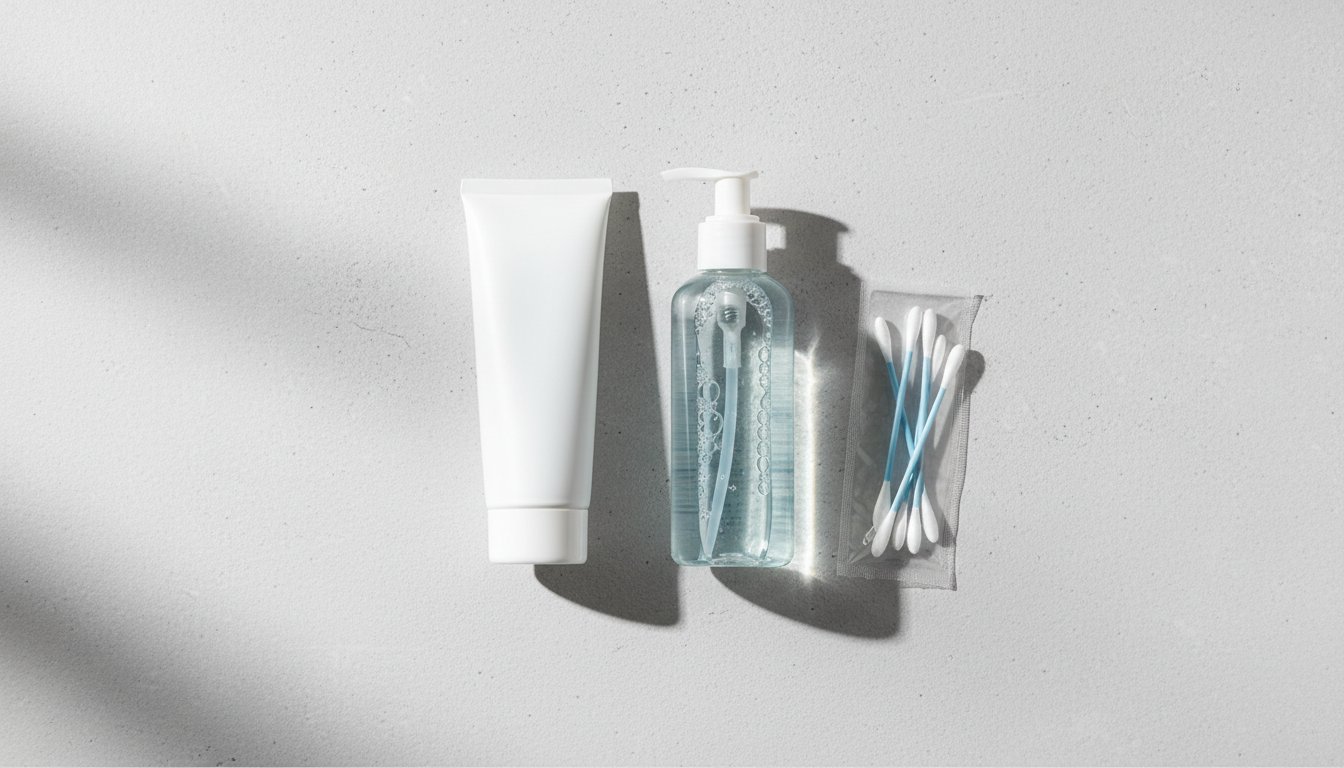
Clearing MRSA is a comprehensive process that requires more than just treating a single area. While a nasal cream for mrsa carriers is a vital component, using it in isolation is rarely successful. This is because MRSA bacteria don’t just reside in the nostrils; they frequently colonise the skin, particularly in warm, moist areas like the armpits, groin, and skin folds. To achieve full clearance, healthcare providers use a “bundle” approach. This combines the nasal treatment with antimicrobial body washes, such as Octenisan or Chlorhexidine (CHG), to target the bacteria across the entire body simultaneously.
The standard treatment window lasts for five consecutive days. During this time, you must be meticulous with your personal environment. MRSA survives on surfaces and fabrics for surprisingly long periods. If you don’t change your towels, bedding, and clothing every single day of the protocol, you risk re-contaminating your skin immediately after washing. Clinicians typically recommend a structured MRSA decolonisation protocol to ensure the bacteria is cleared from all potential reservoirs. Failure often happens when a dose is missed or when household hygiene isn’t maintained, allowing the bacteria to find a foothold once again.
The Daily Routine for Carriers
Success depends on a strict schedule. You’ll usually apply your nasal cream for mrsa carriers three times a day. Coordinating your nasal cream application with your CHG or antimicrobial wash schedule ensures that no part of the body is left untreated. You should use the antiseptic wash as a liquid soap in the shower, leaving it on the skin for about one minute before rinsing. It’s also standard practice to wash your hair with the antimicrobial solution on day two and day four of the five-day course. Don’t forget household surfaces; use disinfectant on frequently touched items like door handles, light switches, and remote controls to prevent the bacteria from lingering in your home.
Addressing Antibiotic Resistance
Completing the full five-day course is essential, even if your skin feels “cleaner” after forty-eight hours. Stopping early is a primary driver of antibiotic resistance. When you cut a treatment short, the weakest bacteria die, but the more resilient ones survive and multiply. These remaining bacteria can develop a resistance to the specific nasal cream for mrsa carriers you’ve been prescribed, making future infections much harder to treat. If you’ve completed two full courses and still test positive for colonisation, it’s time to consult a microbiologist or an infectious disease specialist. They may need to review your specific strain’s sensitivity to ensure you’re using the most effective clinical tools available.
Step-by-Step: How to Apply Nasal Ointment Correctly
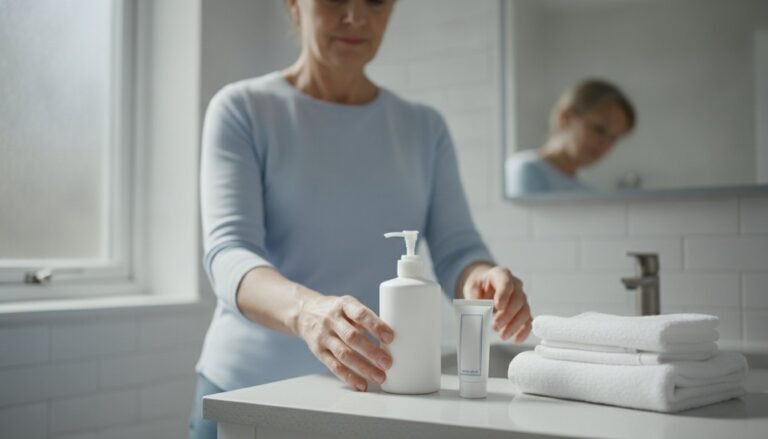
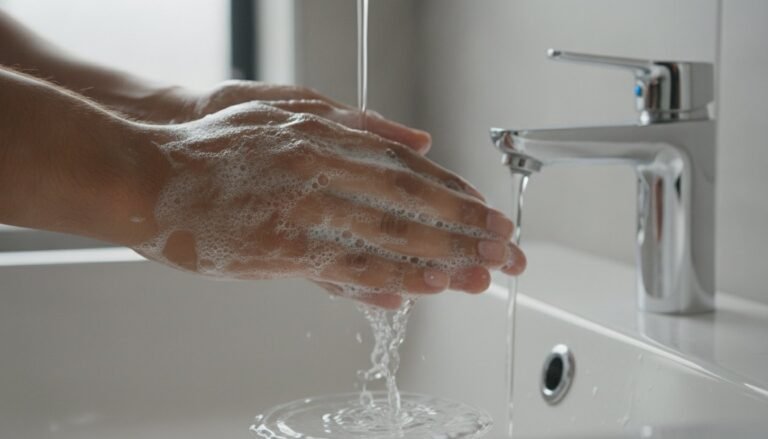
Applying nasal cream for mrsa carriers requires more than just a quick dab. To ensure the decolonisation process is successful, you must follow a disciplined routine. The goal is to create a physical and chemical barrier that neutralises Staphylococcus aureus in its favourite hiding place: the nostrils. Before you touch the tube, wash your hands thoroughly with soap and warm water. Hygiene is your first line of defence, and you should repeat this hand-washing step immediately after application to avoid cross-contamination.
The “matchstick head” rule is the clinical standard for dosage. You only need a small amount, approximately 5mm in diameter, for each nostril. Using more won’t speed up the process; it only increases the likelihood of the ointment running. Most UK healthcare protocols prescribe a TDS (three times daily) schedule. This three-times-a-day rhythm ensures the active medication maintains a constant presence, which is vital for breaking down the bacterial colony over a typical 5-day course.
The Correct Application Technique
- Step 1: Apply the matchstick-sized amount of ointment to the inner front surface of each nostril. You can use a clean cotton bud or your pinky finger. Ensure you’re reaching the vestibule, which is the slightly fleshy area just inside the nose.
- Step 2: Press your nostrils together by pinching the sides of your nose between your thumb and forefinger. Massage gently in a circular motion. This spreads the cream toward the bridge of the nose and ensures every internal surface is coated.
- Step 3: Keep the medicine in place. Don’t blow your nose for at least 15 to 20 minutes after application. If you feel the urge to sneeze, try to do so with your mouth open to minimise the pressure in your nasal passages.
Common Mistakes to Avoid
Even with the best intentions, small errors when using nasal cream for mrsa carriers can compromise your clearance. Avoid these three frequent pitfalls:
- Over-application: Using a large glob of cream doesn’t help. It usually results in the medicine draining down the back of your throat, which can be irritating and wasteful.
- Premature cessation: Don’t stop the treatment on day 3 or 4 just because the tube feels nearly empty or you feel “clear.” MRSA is resilient; skipping the final days allows the strongest bacteria to survive and multiply.
- Ignoring the household: MRSA often hitches a ride on family members. If you’re treating yourself but your partner is also a carrier, you’ll likely reinfect each other within weeks. Screening the whole household is often the only way to break the cycle.
Confirming Clearance: Why Re-testing is Essential After Treatment
Finishing your prescribed course of nasal cream for mrsa carriers marks a major milestone in your decolonisation journey. However, you cannot assume the bacteria has been eradicated simply because the treatment ended. Verification is the only way to ensure your safety and the safety of those around you. Clinical data shows that initial treatment success rates can vary, making follow-up swabs a non-negotiable part of the process.
The first rule of post-treatment testing is the 48-hour window. You must wait at least two full days after your final application before taking a swab. Testing too early often leads to a false negative. This happens because residual traces of the nasal cream for mrsa carriers might still be present in the nostrils, temporarily suppressing bacterial growth on a lab slide without having fully eliminated the colony.
Most UK hospitals follow a strict “three clear sets” protocol for high-risk patients. This involves three separate sets of swabs, usually taken one week apart. You’re only considered “clear” once all three sets return negative results. For many people, private MRSA testing offers a more flexible way to manage this process. It provides fast, discreet confirmation from the comfort of your home, allowing you to track your status without repeated trips to a GP surgery or hospital clinic.
PCR vs. Culture Testing for Clearance
Choosing the right diagnostic method depends on your specific timeline and needs. Rapid PCR testing is the preferred choice for urgent requirements, such as pre-surgery screening, because it detects bacterial DNA and provides results within 24 hours. Culture testing takes longer, typically 3 to 5 days, but it remains essential for persistent carriage. This is because a culture test identifies specific antibiotic sensitivities, helping doctors choose a different treatment if the first attempt failed. Selecting the appropriate at-home test kit ensures you have the right data for your clinical situation.
Next Steps After a Positive Post-Treatment Result
A positive result after a full treatment cycle is frustrating, but it’s a vital piece of information. It often indicates an “environmental reservoir” is present. MRSA is resilient and can survive for several weeks on household objects like towels, bedsheets, or even television remotes. If your swabs remain positive, consider these factors:
- Household Transmission: A family member or partner might be an asymptomatic carrier, unknowingly re-colonising you after each treatment.
- Pet Carriage: In rare cases, domestic pets can carry the bacteria, serving as a source for re-infection.
- Incomplete Application: Ensure the cream reached the deep folds of the nasal passage during the initial course.
If you face persistent carriage, it’s time to seek a second opinion or a more intensive decolonisation programme. This might include systemic antibiotics or a longer duration of topical treatments alongside enhanced environmental cleaning.
Confirming Your MRSA Clearance and Peace of Mind
Successfully managing MRSA colonisation requires more than just following the 5-day hygiene programme. While the correct application of nasal cream for mrsa carriers targets the bacteria’s primary reservoir, the process isn’t complete until you’ve verified the results. Clinical guidelines highlight that re-testing is the only definitive way to ensure the decolonisation protocol worked as intended.
You can manage this final step from the comfort of your own home with professional support. We provide testing through a UKAS-accredited laboratory, ensuring every sample is handled with clinical precision. Your kit arrives in discreet, plain packaging to protect your privacy. If you’re looking for speed, our PCR rapid test option provides molecular detection results within 24 hours of the lab receiving your sample.
Order Your Confidential MRSA Clearance Test Kit Online
Taking these steps puts you back in charge of your health. You’re doing the right thing for your wellbeing and the safety of those around you.
Frequently Asked Questions
Can I buy MRSA nasal cream over the counter in the UK?
How long does it take for nasal cream to clear MRSA?
A standard decolonisation course typically takes 5 days to complete. During this period, you apply the ointment to the inside of both nostrils three times a day. Clinical guidelines from Public Health England indicate that following this strict 5-day protocol is essential for effective clearance. You’ll usually undergo follow-up screening 48 hours after the final application to confirm the bacteria has been successfully removed from the nasal passages.
What are the side effects of Mupirocin nasal ointment?
Most people experience very few side effects, but local irritation is the most common reaction. You might notice a slight stinging or burning sensation immediately after application, which usually subsides within minutes. According to the Electronic Medicines Compendium (eMC), less than 1% of users report more significant issues like itching, redness, or dryness inside the nostrils. If you experience a severe rash or difficulty breathing, stop use immediately and contact a medical professional.
Can I use antiseptic cream like Savlon instead of prescribed nasal ointment?
No, you shouldn’t use general antiseptic creams like Savlon for MRSA decolonisation. These products aren’t designed to eliminate Methicillin-resistant Staphylococcus aureus and won’t reach the required depth of the nasal passage. Using an unproven nasal cream for MRSA carriers can lead to treatment failure and potentially increase the risk of spreading the infection to others or into your own bloodstream during surgery or illness.
Is it possible to be an MRSA carrier forever?
Yes, it’s possible to be a persistent carrier, though most people can be cleared with the correct protocol. Data suggests that approximately 20% of the population are persistent carriers of Staphylococcus aureus, while others are intermittent carriers. If your initial decolonisation fails, you may remain colonised for months or years. Regular screening and maintaining skin integrity are vital steps to manage long-term carriage and prevent the bacteria from causing an active infection.
Do I need to treat my whole family if I am a carrier?
You don’t usually need to treat your entire household unless a family member is also a confirmed carrier or suffers from recurrent infections. NHS protocols generally focus on the individual scheduled for surgery or the person with a known colonisation. However, if you find that MRSA keeps returning after successful clearance, a GP might recommend that close contacts are screened to see if they’re unknowingly passing the bacteria back to you.
What happens if the 5-day decolonisation protocol fails?
If the initial 5-day protocol fails, your clinician will usually recommend a second course, often using a different type of nasal cream for MRSA carriers. Failure occurs in about 15% to 25% of cases, often due to “re-colonisation” from the environment or household contacts. In these instances, a more intensive 10-day regime or a different antiseptic body wash might be prescribed alongside the nasal treatment to ensure complete eradication.
Can I use nasal cream while I have a cold or hay fever?
You can use the cream while you have a cold or hay fever, but it’s much harder to keep the medication in place. Excessive mucus or frequent nose-blowing can wash the ointment away before it has time to work. If you’re struggling with a runny nose, try to apply the cream immediately after blowing your nose. Ensure you wash your hands thoroughly to prevent spreading the bacteria via used tissues or contaminated surfaces.