What to Do if You Think You Have MRSA: A Step-by-Step Guide for 2026
You notice a red, painful bump that looks like a common spider bite or a simple case of folliculitis, but it isn’t healing as expected. It’s natural to feel a sense of worry when a skin irritation doesn’t respond to standard care, especially with the growing headlines about antibiotic-resistant ‘superbugs’. Knowing exactly what to do if you think you have mrsa is the first step toward regaining control and protecting those around you. We understand that long waits for GP appointments only add to the anxiety when you need answers quickly.
This guide provides a clear, clinical protocol to help you identify symptoms accurately and access fast, UKAS-accredited testing. You’ll learn the immediate hygiene steps required to keep your family safe and how to differentiate between minor skin issues and a potential infection. We also detail how to secure a discreet, at-home PCR rapid test for molecular detection in 24 hours, ensuring you receive professional clarity from the comfort of your own home.
Key Takeaways
- Learn to distinguish between asymptomatic colonisation and an active infection by identifying the characteristic “spider bite” appearance of painful, swollen bumps.
- Discover exactly what to do if you think you have mrsa, including immediate steps to cover the affected area and prevent transmission through strict hygiene protocols.
- Compare the traditional NHS testing pathway with private, at-home options to find the fastest route to a clinical diagnosis and professional peace of mind.
- Recognise the critical “red flag” symptoms that signal a life-threatening systemic infection, ensuring you know exactly when to seek urgent emergency care via 999.
- Understand how rapid PCR technology provides molecular detection in just 24 hours, offering a discreet and reliable alternative to standard laboratory cultures.
Recognising the Signs: Is it MRSA or a Common Skin Infection?
Identifying a potential infection early is the most effective way to manage your health and prevent the spread of bacteria. If you are wondering what to do if you think you have mrsa, the first step is a calm and thorough assessment of your symptoms. It is vital to distinguish between being “colonised” and having an active infection. Research indicates that approximately 1 in 30 people carry Methicillin-resistant Staphylococcus aureus (MRSA) on their skin or in their nose without any ill effects. This is colonisation. An infection only begins when the bacteria bypass the skin’s natural barrier through a cut, insect bite, or surgical site.
Active MRSA often starts as a small, red bump that many patients mistake for a spider bite. However, unlike a typical insect bite, an MRSA lesion becomes progressively more painful, swollen, and firm. You should monitor the area for “spreading redness” or a red streak extending from the site; this is a clinical sign that the infection may be moving into the lymph system. While it is easy to confuse these marks with common skin infections like boils or infected hair follicles, MRSA is distinct because it does not respond to standard over-the-counter antiseptic creams or common penicillin-based antibiotics.
Symptoms of Skin-Level MRSA
The visual presentation of MRSA can vary based on your skin tone. On lighter skin, the area usually appears bright red. On darker skin tones, the redness may be more subtle, appearing as deep purple, brown, or greyish hues that can be harder to spot in dim lighting. Beyond colour, sensation is a key indicator. The site will often feel significantly warmer than the surrounding skin and may be extremely tender to the touch. You might notice the presence of yellow or white pus, or a clear fluid leaking from the centre of the bump. This drainage is highly contagious and contains live bacteria, so it must be handled with clinical care.
Signs that MRSA has Entered the Bloodstream
When the bacteria move beyond the skin, the situation becomes more urgent. Systemic symptoms are a clear warning that the infection is affecting your entire body. You may experience a sudden high temperature (above 38°C), shivering fits, or a general sense of malaise. Respiratory changes are also common; if you feel a sudden shortness of breath or persistent dizziness, it suggests the infection is impacting your oxygen levels. A critical warning sign is a change in mental state. If you or a loved one feels confused, “spaced out,” or unusually drowsy, you must seek immediate medical review at an Urgent Care centre or A&E. Knowing what to do if you think you have mrsa means acting quickly when these systemic signs appear to ensure a safe and fast recovery.
Immediate Steps to Take at Home if You Suspect MRSA
If you notice a red, swollen bump that resembles a spider bite or a painful boil, knowing what to do if you think you have mrsa is vital for containing the infection. Your first priority is physical containment. MRSA (Methicillin-resistant Staphylococcus aureus) spreads through direct skin-to-skin contact or via contaminated surfaces. Cover the affected area immediately with a clean, dry bandage. This simple barrier prevents the bacteria from shedding onto furniture, clothing, or other people in your household.
Strict hand hygiene must become your primary focus. Wash your hands with warm water and soap for at least 20 seconds after touching the dressing or the skin near the site. If soap is not immediately available, use an alcohol-based sanitiser with at least 60% alcohol content. Understanding what to do if you think you have mrsa helps you manage the situation calmly while waiting for clinical confirmation. You should also establish a ‘high-touch’ cleaning routine. Use a domestic disinfectant to wipe down door handles, light switches, and taps at least twice daily. This reduces the risk of environmental colonisation in your home.
Protecting Your Household
To keep your family safe, you must adjust your daily routines. Wash all towels, flannels, and bed linens at 60°C. This temperature is necessary to effectively kill resistant bacteria. Avoid sharing personal items like razors, towels, or athletic equipment with anyone else. Choose a shower instead of a bath; sitting in bathwater can spread the bacteria to other parts of your body, which increases the risk of new infection sites. When changing dressings, place the used materials in a small plastic bag, tie it securely, and dispose of it in your general waste bin immediately.
Wound Care Dos and Don’ts
Do not attempt to squeeze or pop a suspected MRSA boil. Breaking the skin can push bacteria deeper into the bloodstream. This can lead to severe systemic complications like sepsis or endocarditis. When applying a sterile dressing, use a no-touch technique. Open the packaging and apply the adhesive edges without touching the central pad or the wound itself. While home care is essential for containment, professional guidance on diagnosing and treating MRSA is necessary to clear the infection. If you prefer to confirm your status privately, you can order a discreet at-home test kit to get clear results from a UKAS-accredited laboratory.
Testing for MRSA: NHS vs. Private At-Home Options
When you’re deciding what to do if you think you have mrsa, the primary concern is obtaining an accurate diagnosis quickly. You can choose between the traditional NHS pathway or a private screening service. Both options use clinical-grade swabs, but the speed of access and the level of privacy vary considerably between the two routes.
The NHS Screening Process
The NHS typically offers MRSA screening for patients who show active signs of infection, such as recurring boils or non-healing wounds, or those scheduled for hospital admission. If you’re worried about symptoms, your first step is usually a GP appointment or a call to NHS 111. They may direct you to an urgent care centre if the infection looks severe. However, the traditional GP route often involves waiting for an appointment and then waiting further for laboratory results. Culture results usually take between 48 and 72 hours once the sample reaches the lab, which can lead to a week of uncertainty from the initial point of contact.
Screening is also a mandatory part of preparing for surgery in the UK. Hospitals must ensure you aren’t carrying the bacteria to prevent post-operative complications. If the hospital’s own screening timeline is too tight, it can cause significant anxiety before your procedure.
How Private At-Home Testing Works
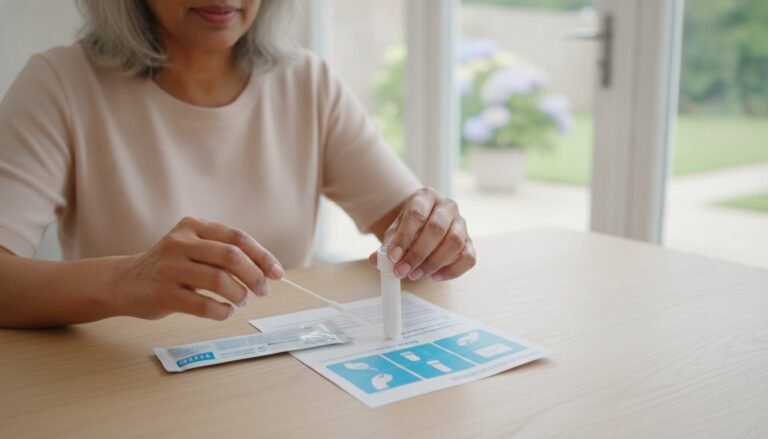
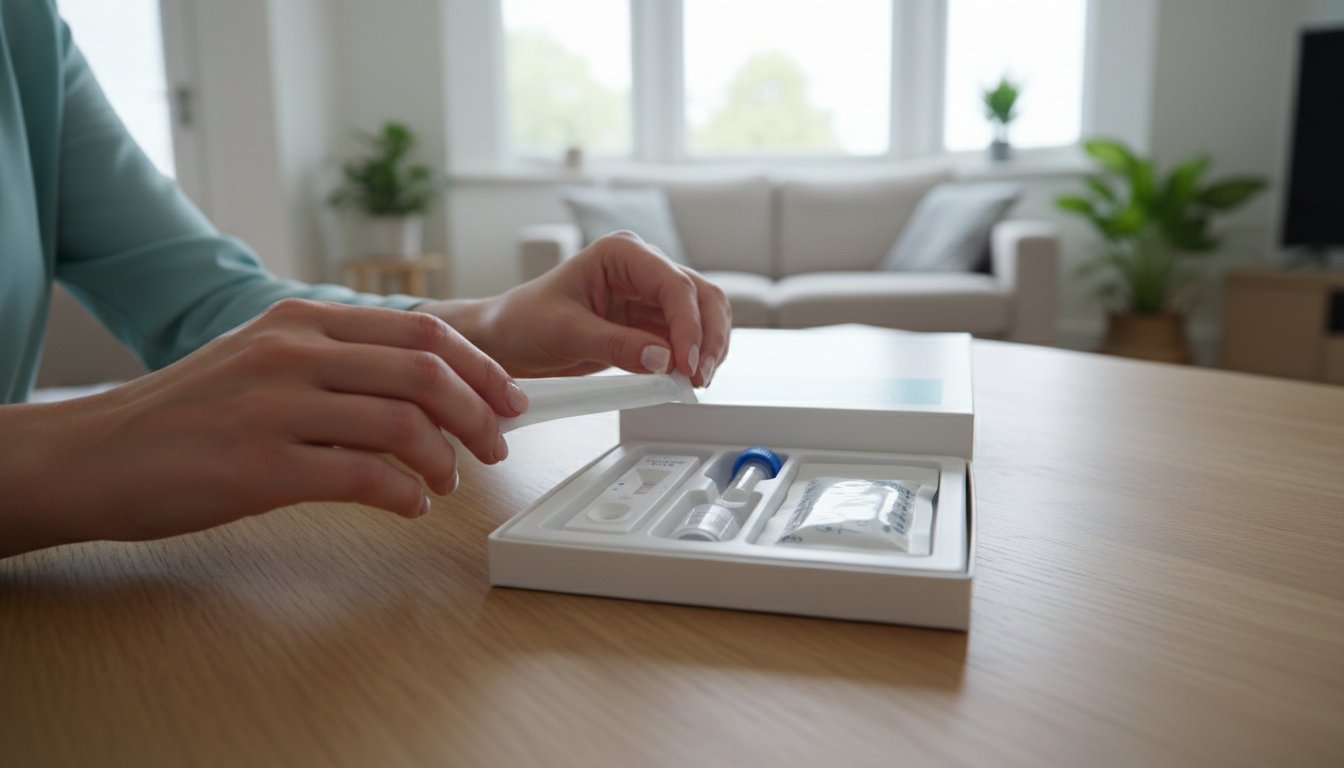
A private at-home MRSA testing kit provides a faster, more confidential alternative. These kits allow you to collect your own samples from the comfort of your own home, removing the need for a physical GP visit. Once you order, the kit arrives in discreet packaging, which is vital for those who prefer to keep their medical concerns private. The process involves using specific swabs to sample the most common colonisation sites:
- The Nose: Swabbing the inside of both nostrils.
- The Axilla: Collecting samples from both armpits.
- The Groin: Sampling the skin folds in the pelvic area.
After you’ve collected the samples, you post them back to a UKAS-accredited laboratory. You can choose a standard culture test or a PCR rapid test. The PCR option uses molecular detection to provide results within 24 hours of the lab receiving your kit. This efficiency is a major benefit when you’re anxious about what to do if you think you have mrsa and need a definitive answer to start treatment or clear your health status for work or surgery. Every test is processed by a trusted UK partner laboratory, ensuring the same clinical accuracy you’d expect from a hospital setting.
When to Seek Urgent Medical Attention
While many skin infections are manageable with the right clinical approach, knowing what to do if you think you have MRSA involves recognising when a situation transitions from a local issue to a medical emergency. Most MRSA infections begin as a localised skin problem, such as a painful boil or an abscess. However, if the Staphylococcus aureus bacteria enter your bloodstream, they can cause invasive infections in your lungs, heart valves, or joints. This shift happens quickly, and waiting even a few hours can significantly change the outcome of your recovery.
You must call 999 or attend your nearest A&E department immediately if you experience “Red Flag” symptoms. These include a high temperature or feeling very cold and shivery, a rapid heartbeat, or fast breathing. If you notice your skin becoming mottled, bluish, or pale, these are signs that your body is struggling to cope with a systemic infection. When you arrive at the hospital, be direct with the triage staff. State clearly that you suspect a multi-drug resistant infection. This information allows the medical team to implement barrier nursing protocols, which protects other vulnerable patients while ensuring you receive the specific intravenous antibiotics required for resistant strains.
The Sepsis Connection
Sepsis is a life-threatening reaction to an infection that requires emergency intervention. It occurs when your immune system overreacts to the MRSA bacteria, causing damage to your own tissues and organs. In the UK, medical professionals often look for the “Sepsis Six” warning signs to trigger rapid treatment. As a patient, you should watch for slurred speech, extreme shivering or muscle pain, no urine production for a full day, severe breathlessness, and a sense of “impending doom.” Rapid identification is the key to successful treatment. Clinical data from the UK Sepsis Trust suggests that starting targeted antibiotics within the first hour of diagnosis significantly improves survival rates. Every moment counts when dealing with resistant bacteria in the blood.
Preparing for a Medical Consultation
If your symptoms are not yet at the emergency stage but are not improving, you should book an urgent GP appointment. To help your doctor make an accurate diagnosis, document the timeline of your symptoms. Write down exactly when the first lesion appeared and how quickly it has grown. Mention any recent hospital visits or stays within the last 12 months, as these are primary risk factors for MRSA acquisition.
It’s also vital to disclose your recent antibiotic history. If you have taken Flucloxacillin or other common penicillin-based drugs in the last 90 days without success, this is a strong indicator that the bacteria may be resistant. If you have already used a private screening service, bring those test results with you. Providing this data helps the GP understand what to do if you think you have MRSA without wasting time on ineffective treatments.
For peace of mind and clinical clarity regarding your status, you can order a professional MRSA screening kit for fast, laboratory-verified results.
Getting Answers Fast: The mrsatest.co.uk Solution
Knowing what to do if you think you have mrsa starts with accessing clinical-grade testing without the wait. Our service bridges the gap between suspecting an issue and receiving a definitive, lab-certified result. By removing the need for a physical clinic visit, we offer a path to clarity that fits into your schedule and provides immediate peace of mind.
The mrsatest.co.uk process is 100% UK-based, ensuring your samples don’t travel overseas and your results are returned with maximum efficiency. We utilise a streamlined ‘Order-Swab-Return’ system. You receive your kit, follow the clear instructions to take your samples, and use the pre-paid return packaging to send them directly to our laboratory. This eliminates the logistical hurdles often found in traditional healthcare settings, where appointments can be difficult to secure.
PCR vs. Culture: Which Should You Choose?
Deciding between our two primary testing methods depends on your timeline and goals. Both options provide the accuracy you need, but they function differently to suit different circumstances:
- PCR Rapid Test: Choose PCR for urgent pre-op requirements or high-anxiety situations. This molecular detection method identifies MRSA DNA, providing results in just 24 hours once the lab receives your swab. It’s the fastest way to get a definitive answer.
- Standard Culture Test: Select this for a cost-effective way to confirm colonisation status. It is the traditional method where the lab monitors for bacterial growth over 48 to 72 hours. It’s ideal for routine screening or checking if a previous colonisation has cleared.
Our UKAS-accredited partner laboratory maintains the highest standards of clinical excellence. This accreditation means the facility is regularly inspected for quality, staff competence, and result accuracy, giving you the same level of confidence you’d expect from an NHS hospital laboratory.
Order Your Confidential Kit Today
Privacy is a cornerstone of our service. Every test kit arrives in discreet packaging that gives no indication of its contents, ensuring your business remains your own. We also employ rigorous data security protocols to ensure your personal information and results remain strictly confidential. If you are wondering what to do if you think you have mrsa and need results quickly, our next-day delivery options ensure you don’t have to wait a moment longer than necessary.
Taking control of your health shouldn’t be complicated or stressful. By choosing a home-based solution, you get the answers you need from the comfort of your own home, backed by professional expertise. Order your confidential MRSA test kit today and take the first step toward a clear, medically-verified result.
Taking Proactive Steps for Your Peace of Mind
Identifying the signs of a resistant infection early is vital for your recovery and the safety of those around you. While most skin issues are minor, knowing exactly what to do if you think you have mrsa ensures you don’t leave your health to chance. By choosing a 100% UK-based clinical service, you bypass long waiting rooms and get the clarity you deserve from the comfort of your home. Speed is essential when dealing with bacteria; our UKAS-accredited partner laboratory provides 24-hour PCR results, allowing you to share accurate data with your GP immediately.
Don’t let uncertainty cause unnecessary anxiety. You can manage your health with professional tools designed for clinical accuracy and total privacy. Order your fast, discreet MRSA test kit from the UK specialists today and take the first step toward a clear diagnosis. It’s a simple, reliable process that puts expert insights directly in your hands, helping you move forward with confidence and the right treatment plan.
Frequently Asked Questions
Can I test for MRSA myself at home?
Yes, you can test for MRSA from the comfort of your own home using a specialised self-test kit. These kits include everything you need to take a simple swab from your nose, throat, or skin. Once you’ve collected your sample, you send it to a UKAS-accredited laboratory in a discreet, pre-paid envelope for professional analysis. This process is a confidential way to get answers without an initial GP appointment.
How long does it take to get MRSA test results in the UK?
The time it takes to receive your results depends on the type of laboratory analysis performed. A standard MRSA culture test typically takes 48 to 72 hours because the laboratory needs to see if the bacteria grows over time. If you require a faster answer, an MRSA PCR rapid test uses molecular detection to provide results within 24 hours of the sample arriving at the lab.
Is a suspected MRSA infection always an emergency?
A suspected infection isn’t always a medical emergency, but you shouldn’t ignore it. Many people carry the bacteria on their skin without any symptoms, which is known as colonisation. However, you must seek immediate medical help at an A&E department if you show signs of a deeper infection or sepsis. These signs include a high temperature over 38°C, a rapid heartbeat, or feeling confused and dizzy.
What happens if my MRSA test comes back positive?
If your test returns a positive result, the next step is to consult a healthcare professional to start a decolonisation or treatment plan. For those who are carriers, a doctor will usually prescribe a 5 day course of antiseptic body wash and antibiotic nasal cream. If you have an active skin infection, you’ll be prescribed specific antibiotics that are effective against resistant strains to ensure the infection clears safely.
Can I get rid of MRSA without antibiotics?
You can clear MRSA from the surface of your skin using topical decolonisation treatments, but active infections inside the body require antibiotics. Knowing what to do if you think you have mrsa is vital because the bacteria is resistant to many common treatments like penicillin. While antiseptic washes help remove the bacteria from your skin, they cannot reach infections in the bloodstream or deeper tissues, so professional medical guidance is essential.
Does a ‘positive’ result mean I am sick, or just a carrier?
A positive result means the bacteria was found on your swab, but it doesn’t always mean you’re ill. Around 2% of the population are healthy carriers of MRSA, meaning the bacteria lives on their skin or in their nose without causing harm. This is called colonisation. You’re only considered ‘sick’ if the bacteria enters a break in the skin and causes symptoms like painful swelling, warmth, or pus-filled sores.
How much does a private MRSA test cost compared to the NHS?
NHS testing is free at the point of use, but it’s typically restricted to patients being admitted for surgery or those with visible infections. Private MRSA test kits in the UK generally cost between £40 and £90. This price varies depending on whether the lab uses traditional culture methods or rapid PCR technology. Private testing is often chosen by those who want faster results or want to check their status for peace of mind.
What should I do if I think I have MRSA before a planned surgery?
You must contact your hospital’s pre-assessment clinic or your surgical team immediately if you suspect you have MRSA. Hospitals in the UK screen most elective surgery patients as a standard safety protocol to prevent post-operative infections. If you test positive, your procedure might be rescheduled for a week or two. This delay allows you to complete a decolonisation programme, which significantly reduces the risk of complications during your recovery.