
Hospital-Acquired Infections: 2026 Patient Guide to Prevention
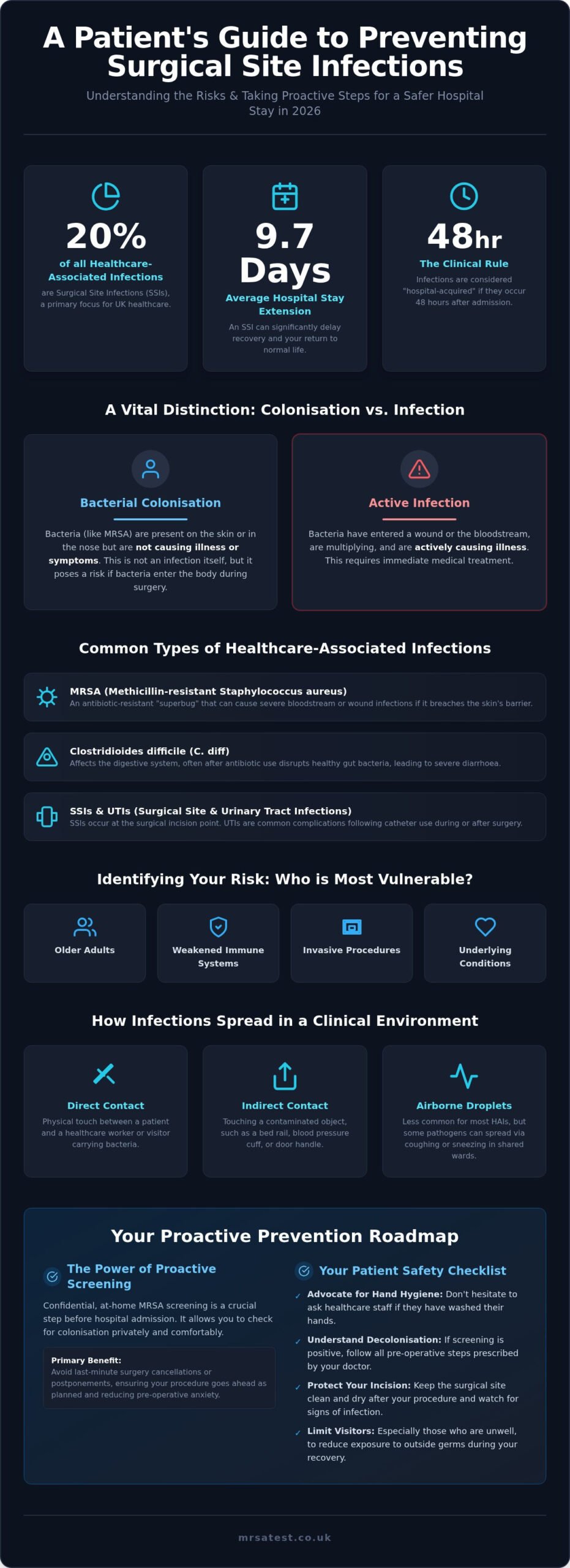
Did you know that surgical site infections now account for 20% of all healthcare-associated infections, potentially extending a hospital stay by an average of 9.7 days? These figures highlight why preventing surgical site infections has become a primary focus for both UK healthcare providers and patients in 2026. It’s natural to feel anxious about antibiotic-resistant superbugs like MRSA or to feel overwhelmed by complex medical terminology before a major procedure.
We believe that patient safety is a partnership, and being proactive is your best defense against complications. This guide helps you identify, prevent, and screen for infections to ensure a safer hospital stay and a faster recovery. You’ll gain a clear understanding of healthcare-associated infections without the confusing jargon, providing the peace of mind you deserve before entering a clinical environment.
We’ll walk you through the latest clinical protocols and decolonisation steps recommended by current UK health guidelines. From actionable prevention checklists to the benefits of private preoperative screening, you’ll have a logical roadmap to navigate your healthcare journey with confidence, security, and professional support.
Key Takeaways
- Learn the clinical 48-hour rule for identifying healthcare-associated infections and the vital difference between bacterial colonisation and active infection.
- Discover evidence-based strategies for preventing surgical site infections, including hand hygiene protocols and how to effectively advocate for your safety.
- Identify specific risk factors like age and procedure type that might make you more vulnerable to complications during your hospital stay.
- Explore the benefits of confidential, at-home MRSA screening to avoid last-minute surgery cancellations and ensure you’re clear before admission.
- Use our actionable patient checklist to reduce anxiety and gain peace of mind throughout your recovery process.
What Are Hospital-Acquired Infections (HAIs)?
In the UK, healthcare-associated infections (HCAIs) are infections that develop as a direct result of receiving medical treatment or being in a healthcare environment. While hospitals are places of healing, they also house various bacteria that can pose risks to patients during their stay. Clinicians use a specific timeframe to distinguish between an infection someone brought with them and one acquired during care.
Healthcare providers define Hospital-Acquired Infections (HAIs) as infections occurring 48 hours after admission.
In 2026, these infections remain a significant challenge for the NHS and private providers alike. Maintaining high standards of clinical hygiene is a priority across all sectors of healthcare; for example, Dental Scotland follows strict protocols to ensure patient safety during every procedure. Current data indicates that surgical site infections (SSIs) alone account for 20% of all HAIs. While any patient can develop an infection, certain individuals are more vulnerable. This includes older adults, people with weakened immune systems, or those undergoing invasive procedures where the skin’s natural barrier is breached. Patients with underlying conditions like diabetes or chronic kidney disease also face a higher statistical risk of complications during their admission.
Common Types of Healthcare-Associated Infections
Understanding the specific pathogens involved is a vital step in preventing surgical site infections and other complications. Different bacteria require different management strategies:
- MRSA: Methicillin-resistant Staphylococcus aureus is an antibiotic-resistant bacterium that often colonises the skin or nose without causing harm. However, it can lead to severe bloodstream infections if it enters a surgical wound.
- Clostridioides difficile (C. diff): This bacterium affects the digestive system. It often thrives after antibiotic use disrupts healthy gut flora, leading to gastrointestinal risks such as severe diarrhoea and inflammation.
- SSIs and UTIs: Surgical site infections occur at the incision point, while Urinary Tract Infections are common complications following the use of catheters during or after surgery.
The Clinical and Personal Cost of HAIs
The impact of an HAI goes beyond physical symptoms. Research shows that an SSI can extend a hospital stay by an average of 9.7 days, significantly delaying your return to normal life. There’s also a logistical risk to consider. If a patient is found to be colonised with MRSA during a pre-admission check, their surgery might be cancelled or postponed to allow for decolonisation treatment. This delay can be emotionally draining and disruptive to your recovery timeline. Proactive management and preventing surgical site infections remain the most effective ways of ensuring your procedure goes ahead as planned.
How Healthcare-Associated Infections Spread
Understanding how pathogens move within a clinical environment is the first step toward protecting yourself. Most transmissions occur through a process called colonisation. This is when bacteria live on your skin or in your nose without causing symptoms. While colonisation isn’t an illness itself, it becomes a significant risk during surgery. If these bacteria enter an incision, they can trigger a serious infection. This distinction is why clinicians focus so heavily on preventing surgical site infections before a patient even enters the operating theatre.
Transmission usually happens through direct or indirect contact. Direct contact involves physical touch between a patient and a healthcare worker or visitor who carries the bacteria. Indirect contact is more subtle. It occurs when you touch a contaminated object, such as a blood pressure cuff or a shared bathroom door handle. While less common for most HAIs, some pathogens can also spread through droplets in the air when someone coughs or sneezes in a shared ward setting.
The Problem of Antibiotic Resistance
Hospitals are unique environments where powerful cleaning agents and antibiotics are used constantly. While this keeps wards sterile, it also creates a “survival of the fittest” scenario for bacteria. Only the most resilient strains, known as superbugs, survive. Methicillin-resistant Staphylococcus aureus (MRSA) is a primary example. Because MRSA has evolved to resist common treatments like penicillin, it’s much harder to clear once an infection starts. Modern Surgical Site Infection prevention strategies now emphasise the need to identify these resistant strains early through rigorous screening protocols.
Common Transmission Vectors in Wards
Your immediate hospital environment contains several high-touch surfaces that can harbour bacteria for days. Bed rails, bedside tables, and nurse call buttons are frequently handled but not always sterilised between every touch. Hand hygiene remains the single most effective way to break this chain of transmission. Both staff and visitors must use alcohol-based gels or soap and water before and after every interaction.
Invasive devices also play a critical role in how infections spread. Items like urinary catheters, intravenous (IV) lines, and breathing tubes bypass the body’s natural defences. They provide a direct pathway for bacteria to enter the bloodstream or internal organs. This is why preventing surgical site infections often involves minimising the time these devices stay in place. Identifying your colonisation status before your admission date can help your surgical team plan for these risks. You can gain this vital information privately using an at-home MRSA screening kit, ensuring you aren’t carrying resistant bacteria into your procedure.
Identifying Your Risk: Who is Most Vulnerable?
Every patient’s risk profile is unique. While clinical teams work tirelessly to maintain sterile environments, individual health factors significantly influence the likelihood of complications. Identifying these variables early is a cornerstone of preventing surgical site infections and ensuring a smooth recovery after your procedure.
Age is a primary consideration. As we get older, our immune systems can become less efficient and our skin more fragile. This makes the healing process slightly more complex for elderly patients. Similarly, underlying health conditions such as diabetes or chronic kidney disease can impair the body’s natural ability to fight off bacterial intrusion. If you have a history of frequent antibiotic use, you might also face a hidden risk. Over-exposure to these medicines can lead to your body harbouring more resistant bacterial strains, making standard treatments less effective if an infection occurs.
The complexity of your procedure also dictates the risk level. Major operations, such as orthopaedic joint replacements or cardiac surgery, involve longer periods in the operating theatre. These procedures often require the use of implants, which can provide a surface for bacteria to adhere to if they enter the wound. Additionally, the length of your stay matters. Statistics suggest a direct correlation between time spent in a hospital ward and the risk of exposure to environmental pathogens. Each extra day in a clinical setting slightly increases the statistical probability of coming into contact with hospital-specific bacteria.
Pre-Surgery Risk Assessment
Hospitals screen for MRSA before elective procedures to identify “asymptomatic carriers.” These are individuals who carry the bacteria on their skin or in their nose without feeling unwell. If left undetected, these bacteria can cause serious issues during an invasive procedure. Pre-existing skin conditions like eczema or psoriasis also increase risk, as they can create areas where bacteria hide from standard cleaning protocols. Identifying these risks early allows for a tailored decolonisation plan, which is a vital step in preventing surgical site infections.
Environmental Factors in UK Hospitals
UK healthcare facilities are designed with infection control in mind, but different wards carry varying risk levels. An Intensive Care Unit (ICU), for example, typically sees higher infection rates than a general surgical ward due to the severity of patient illness and the frequency of invasive monitoring. Modern UK hospital standards now emphasise high-quality ventilation and specific bed-spacing requirements to reduce the spread of droplets. Using a Preparing for Surgery Checklist is an excellent way to manage your own health logistics and ensure you’re as safe as possible before your admission date.
How to Prevent Hospital-Acquired Infections
While hospital staff follow rigorous protocols, your participation is a vital component in preventing surgical site infections. You aren’t just a passive recipient of care; you’re a key partner in the safety process. Simple actions, like maintaining hand hygiene and ensuring your visitors use the provided alcohol gels, significantly reduce the bacterial load in your immediate environment. Keeping your bedside table and locker free from clutter also allows cleaning teams to sanitise high-touch surfaces more effectively during their rounds.
Personal Hygiene and Decolonisation
Your pre-operative routine often begins at home with specialised antiseptic washes. Many UK hospitals recommend Chlorhexidine (CHG) cleansers to be used for several days before your admission. These washes are designed to bond with the skin and provide a lasting barrier against bacteria. It’s equally important to protect your skin’s natural integrity. You should not shave the surgical site at home, as razors create microscopic nicks that bacteria can exploit. If hair removal is necessary, your clinical team will use sterile clippers shortly before your procedure to maintain skin health and reduce the risk of preventing surgical site infections from becoming a post-op challenge.
Communication with Healthcare Staff
Open dialogue with your surgical team builds trust and enhances safety. You should feel empowered to politely ask staff if they have had the opportunity to clean their hands before an examination. Most professionals welcome this reminder as it shows you’re engaged in your own recovery. The ‘Five Moments for Hand Hygiene’ is the gold standard for clinical safety, ensuring hand decontamination occurs before patient contact and after exposure to a patient’s surroundings.
Additionally, keep an eye on your own care. If a wound dressing becomes damp or an IV line site looks red and swollen, report it to a nurse immediately. Understanding your hospital’s specific infection control rates can also provide peace of mind, as this data is often publicly available via the Care Quality Commission (CQC) in England. To ensure you’re starting your hospital journey with a clear understanding of your own health status, you can order a private MRSA screening kit to confirm your colonisation status well before your admission date.
Proactive Screening: The Role of At-Home Testing
Waiting for hospital-led screening often creates unnecessary stress during the lead-up to a procedure. Many institutional protocols perform MRSA checks only a few days before your scheduled admission. If you test positive at that late stage, your surgery is almost certainly delayed or cancelled to allow for a week of decolonisation treatment. Taking a proactive approach to preventing surgical site infections through private, early screening helps you avoid these logistical hurdles and ensures you’re clinically ready for your date.
Choosing the right diagnostic method depends on your specific timeline and needs. A Rapid PCR test provides results within 24 hours of the laboratory receiving your sample, while a traditional Culture test typically requires 48 to 72 hours. PCR is the modern standard for speed; it identifies bacterial DNA with exceptional precision. Regardless of the method you choose, receiving a negative result before you even pack your hospital bag provides the peace of mind you need to focus on your recovery.
The At-Home Testing Process
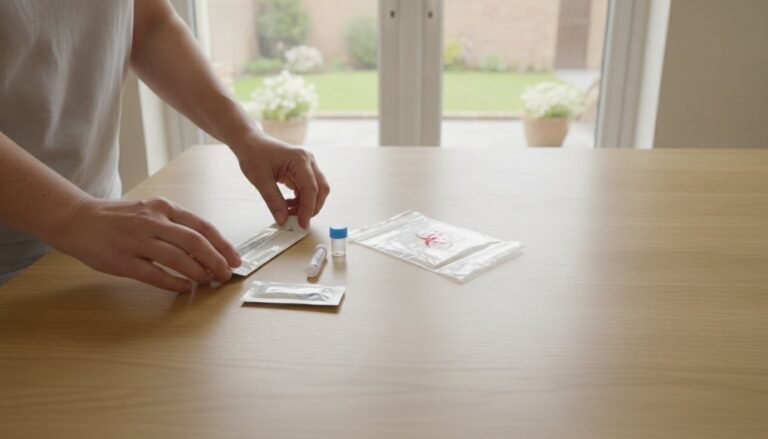
The collection process is designed to be simple, professional, and discreet. You’ll use sterile swabs to collect samples from the three primary areas where MRSA is most likely to colonise: the nose, groin, and axilla (underarm). Once you’ve collected the samples, you use the included prepaid shipping to send them directly to an accredited UK laboratory. If your results indicate that you’re an MRSA carrier, you can start decolonisation protocols immediately under the guidance of your GP. This early intervention is a vital part of preventing surgical site infections before they have a chance to develop.
Integrating Home Tests with Your Care Plan
Private results are a valuable asset for your surgical team. Sharing your accredited laboratory report with your consultant can help streamline your pre-operative assessment and may even remove the need for repetitive hospital-based swabs. This is particularly helpful for last-minute surgical clearances where the speed of results is essential to keeping your theatre slot. For more information on selecting the right kit for your timeline, consult our MRSA Test Buying Guide. Taking this step ensures that your safety strategy is in place well before you reach the ward, putting you in control of your healthcare journey from the very start.
Take Control of Your Hospital Safety
Understanding the mechanics of bacterial transmission and identifying your personal risk factors are the first steps toward a successful procedure. By following evidence-based hygiene protocols and advocating for your own care, you play an active role in preventing surgical site infections. This partnership between you and your clinical team ensures that your recovery remains the primary focus throughout your stay.
Proactive screening allows you to enter the hospital with confidence rather than anxiety. Our service provides fast results from accredited UK laboratories through a discreet at-home collection process. With prepaid return shipping included, the diagnostic journey is designed to be simple, professional, and well-managed for your convenience. Order your confidential MRSA test kit today for peace of mind before surgery and ensure your healthcare journey is as safe and streamlined as possible. We’re here to support you in achieving the smooth, complication-free recovery you deserve.
Frequently Asked Questions
What is the most common hospital-acquired infection in the UK?
Surgical site infections (SSIs) are among the most frequent healthcare-associated infections in the UK, accounting for 20% of all cases. Other common types include urinary tract infections (UTIs) and pneumonia. These infections often occur when bacteria enter the body through invasive devices or surgical incisions. Understanding these risks is a vital component of preventing surgical site infections and ensuring that your recovery remains on track without the need for extended hospital stays.
Can I prevent a hospital-acquired infection myself?
You can play a significant role in your own safety by following strict hygiene protocols. Using alcohol-based hand gels, completing prescribed antiseptic body washes before admission, and avoiding shaving the surgical site at home are all effective measures. Additionally, requesting that staff and visitors clean their hands before touching you creates a safer environment. Proactive measures like these are essential for preventing surgical site infections and reducing the risk of bacterial transmission.
Why do I need an MRSA test before surgery?
Hospitals require this screening to identify “asymptomatic carriers” who carry the bacteria on their skin without showing symptoms. If MRSA enters a surgical wound during a procedure, it can lead to serious complications that are difficult to treat with standard antibiotics. Screening ensures that any colonisation is addressed with decolonisation therapy before you enter the operating theatre, which significantly lowers the risk of developing a life-threatening bloodstream infection during your stay.
What happens if I test positive for MRSA before my operation?
If a pre-operative test returns a positive result, your surgical team will typically postpone the procedure to allow for decolonisation. This process usually involves a five-day course of antiseptic body washes and antibiotic nasal creams to clear the bacteria from your skin and nostrils. Once the treatment is complete, you’ll be re-tested. While a delay is frustrating, it’s a necessary safety step to ensure your surgery proceeds under the safest possible conditions.
How long do hospital-acquired infection symptoms take to appear?
Symptoms of a healthcare-associated infection typically manifest at least 48 hours after your admission to the hospital. However, surgical site infections can appear much later, often within 30 days of your procedure. If your surgery involved an implant, such as a prosthetic joint, the window for monitoring extends to 90 days. Early signs to watch for include localised redness, unusual swelling, heat around the wound, or a persistent fever that doesn’t subside.
Are private MRSA tests as accurate as NHS hospital tests?
Private MRSA tests are highly reliable when they are processed by accredited UK laboratories. These facilities use the same clinical standards and diagnostic technologies as NHS labs. At-home kits often provide a choice between rapid PCR testing, which delivers results within 24 hours, and traditional culture methods that take 48 to 72 hours. This professional accuracy gives you the same level of security as a hospital-based swab while offering greater convenience and privacy.
Is it possible to be a carrier of MRSA without being sick?
It’s entirely possible to be a carrier of MRSA without feeling unwell. This state is known as colonisation, where the bacteria live harmlessly on the skin, in the nose, or in the throat. Current estimates suggest about 1 in 30 people carry MRSA at any given time without knowing it. While colonisation doesn’t cause illness in healthy individuals, it poses a severe risk if the bacteria enter the body through a surgical incision.
What should I do if I suspect I have an infection after leaving the hospital?
If you notice signs of infection after being discharged, you should contact your surgical team or GP immediately. For urgent concerns outside of normal hours, call NHS 111. Look for symptoms such as pus or discharge from the wound, increasing pain, or a high temperature. Early intervention is critical to stop an infection from spreading. Don’t wait for your scheduled follow-up appointment if you feel your condition is deteriorating or if the wound looks infected.