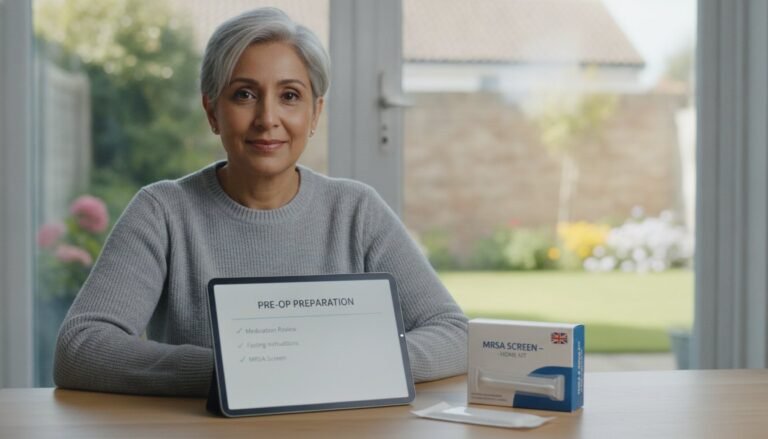
MRSA Culture Screen: The Complete Guide to Pre-Op Testing at Home
Imagine you’re just days away from a long-awaited surgery, only to face the stress of an extra trip to a busy pre-op clinic. For many patients in the UK, the requirement for an MRSA culture screen feels like one more logistical hurdle during an already anxious time. It’s completely natural to feel overwhelmed by the details of hospital admissions, especially when you’d rather be focusing on your health and recovery.
You deserve a process that’s both professional and private. How can you ensure your results are accurate while avoiding the clinic? This guide shows you how to complete a professional-grade MRSA culture screen from the comfort of your own home, ensuring you meet all hospital requirements without the inconvenience of a GP visit. We’ll provide you with the tools to take control of your pre-operative preparation with confidence and quiet competence.
We will walk you through the simple steps of swabbing the nose, groin, and axilla, and explain how our UK-accredited laboratory processes your samples. You’ll learn how to get fast, reliable results in 48 to 72 hours, giving you the clear status you need for a smooth hospital admission.
Key Takeaways
- Understand why hospitals require screening to prevent infections and ensure your surgery proceeds as scheduled.
- Learn how a professional mrsa culture screen uses accredited laboratory methods to detect bacterial colonization with clinical accuracy.
- Compare the traditional culture method with rapid PCR testing to choose the right timeframe for your hospital deadline.
- Discover the step-by-step process for collecting sterile samples from the nose, groin, and axilla in the privacy of your home.
- Receive your results through a secure, discreet process within 48 to 72 hours of the laboratory receiving your kit.
Understanding the MRSA Culture Screen: Why Hospitals Require It
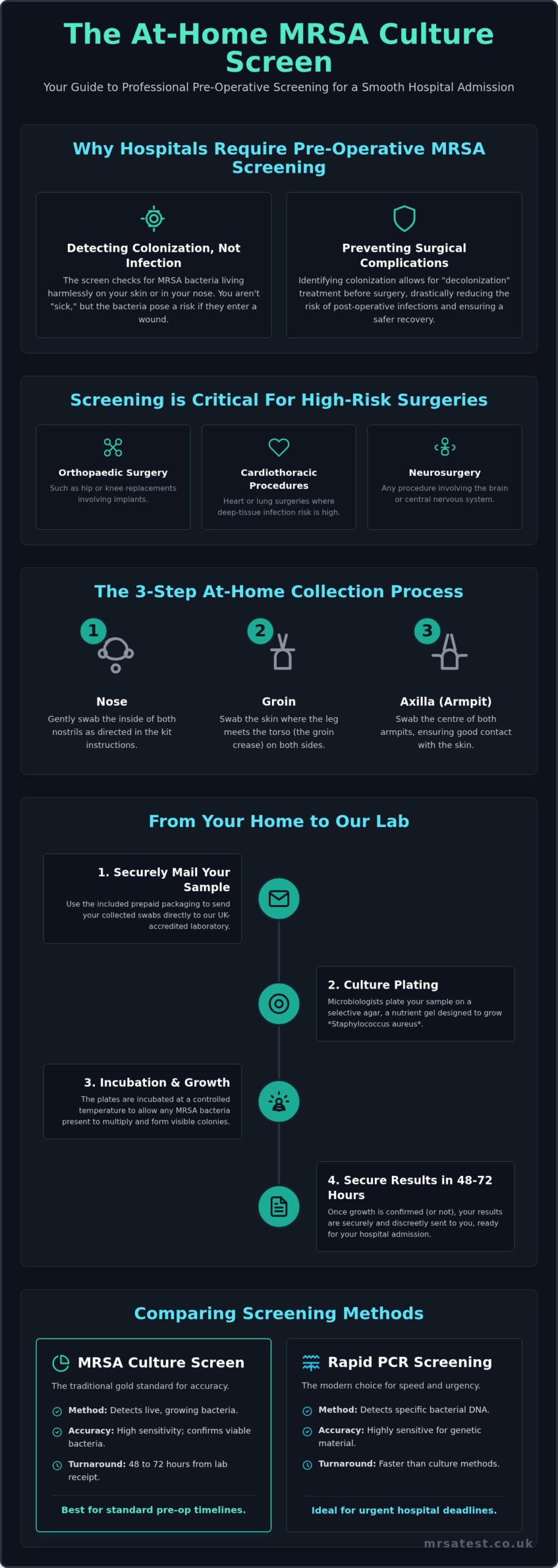
An mrsa culture screen is a specialized laboratory procedure designed to identify the presence of specific bacteria on a person’s skin or in their nose before they enter a clinical environment. Unlike a general health check, this screen specifically looks for colonization. This means the bacteria are living on the body without causing any immediate symptoms or illness. For most people, being colonized isn’t a danger in daily life, but it becomes a significant risk factor once the skin’s natural barrier is broken during surgery.
It’s vital to understand that colonization isn’t the same as an active infection. If you’re colonized, you aren’t “sick” in the traditional sense. However, if these bacteria enter a surgical wound, they can cause serious complications. Hospitals use the screen to identify these risks early, allowing for a process called decolonization before you ever set foot in the operating theatre. This proactive step ensures your recovery remains on track and minimizes the chance of post-operative delays.
The Importance of Pre-Operative Screening
Hospital-acquired infections (HAIs) pose a challenge to patient safety and recovery times. By screening patients before admission, hospitals can create a safer environment for everyone. This proactive approach is a standard part of the Preparing for Surgery Checklist that many UK providers follow. It protects you from potential complications and helps the hospital maintain high hygiene standards.
While many procedures require a screen, it is especially critical for certain specialties:
- Orthopaedic surgeries: Such as hip or knee replacements involving implants.
- Cardiothoracic procedures: Heart or lung surgeries where the risk of deep-tissue infection is high.
- Neurosurgery: Any procedure involving the central nervous system.
What Bacteria is the Lab Looking For?
The primary target of this test is Methicillin-resistant Staphylococcus aureus. This is a type of staph bacteria that has developed resistance to several widely used antibiotics, making it harder to treat than standard strains. Because it’s resistant to common treatments, identifying its presence before surgery is essential for effective infection control.
The laboratory uses the culture method, which remains the traditional gold standard in microbiology. During an mrsa culture screen, technicians place your samples on a nutrient-rich agar plate. They then incubate these plates in a controlled environment to see if the specific bacteria grow. This method is highly reliable because it allows scientists to physically confirm the presence of live bacteria, ensuring the hospital receives an accurate assessment of your status without guesswork.
How the MRSA Culture Method Works: Accuracy and Results
The journey of your sample begins the moment you drop your completed kit into a post box using the included prepaid return shipping. Your swabs travel directly to a UK-accredited laboratory, where specialists handle them with the same care and precision as samples collected in a hospital clinic. This professional oversight ensures that the mrsa culture screen remains a reliable part of your pre-operative preparation.
Upon arrival at the lab, microbiologists use a technique known as “plating.” They carefully spread your sample onto a petri dish filled with selective agar. This nutrient-rich gel is specifically formulated to encourage the growth of Staphylococcus aureus while inhibiting other common bacteria. The plates are then placed in a temperature-controlled incubator. Because this method relies on the physical growth of live bacteria, the process naturally takes time. Standard results are typically delivered within 48 to 72 hours of the lab receiving your sample. This timeframe is necessary to ensure that even small amounts of bacteria have enough time to form visible colonies for accurate detection.
Microbiologists often view the culture method as the gold standard because of its high sensitivity. If bacteria grow on the plate, the lab can perform additional sensitivity testing to confirm exactly which antibiotics the strain resists. This level of detail is incredibly helpful for your surgical team. If you have several days before your hospital deadline, you can order a private MRSA Culture Screen kit to complete this essential step at your own pace.
The Laboratory Process Explained
During the plating process, the lab looks for specific physical and chemical markers that distinguish MRSA from standard staph bacteria. This differentiation is critical. By using UK-accredited facilities, you ensure that your test meets the rigorous standards required by NHS and private hospitals. These laboratories follow strict quality control protocols, which means your result is a verified clinical document that provides peace of mind for both you and your surgeon.
Understanding Your Result Certificate
Your result will be delivered as a formal certificate that you can present to your hospital. A “Negative” or “Not Detected” result indicates that no MRSA was found in the sites you swabbed. This is the goal for most pre-op screenings. If your result is “Positive,” it’s important to remain calm. A positive culture result is a detected growth of resistant bacteria. If this occurs, your medical team will likely prescribe a simple decolonisation kit, which usually involves a five-day course of specialized body wash and nasal ointment to clear the bacteria before your procedure.
Comparing MRSA Culture vs. Rapid PCR Screening
Choosing the right diagnostic method depends on your specific timeline and hospital requirements. While both tests are highly accurate, they use different technologies to detect bacteria. The mrsa culture screen is a biological test that relies on living bacteria multiplying in a controlled environment. In contrast, PCR (Polymerase Chain Reaction) is a molecular test that searches for specific DNA markers associated with the bacteria. One method waits for the bacteria to “show up” on a plate, while the other looks for its genetic fingerprint.
Time and cost are the two most significant practical differences for patients. Because biology cannot be rushed, a standard mrsa culture screen typically requires 48 to 72 hours for the laboratory to confirm a result. This period allows even small amounts of bacteria to grow into detectable colonies. Rapid PCR tests can often provide results within 24 hours of the lab receiving the sample. While PCR is faster, the culture method is the more affordable, standard-of-care option that most UK hospitals prefer for routine screenings.
Situations Best Suited for Culture Testing
If your surgery is scheduled for one or two weeks in the future, the culture method is the most logical choice. It provides the thorough results your surgical team needs at a lower price point. This method is also ideal for healthcare workers who require periodic clearance for work. It’s the dependable, traditional approach to infection control. For a deeper look at how these technologies differ, you can consult our MRSA Test Comparison Guide.
Most elective procedures, including routine orthopaedic and cardiac surgeries, accept culture results without issue. Since you have the luxury of time, the 48 to 72 hour window won’t disrupt your preparation. It’s a straightforward way to tick a vital box on your pre-op list without unnecessary expense.
Situations Requiring Rapid PCR
Sometimes, the surgical window is much tighter. If you’ve been offered a last-minute cancellation slot or are facing an emergency admission, the 24-hour turnaround of a PCR test is invaluable. Speed becomes the priority to ensure your procedure isn’t delayed. PCR is also frequently used in high-risk clinical environments where immediate decisions about patient isolation must be made. While it’s a premium service, the rapid results provide essential peace of mind when every hour counts toward your admission deadline.
Step-by-Step Guide: How to Perform an MRSA Culture Swab at Home
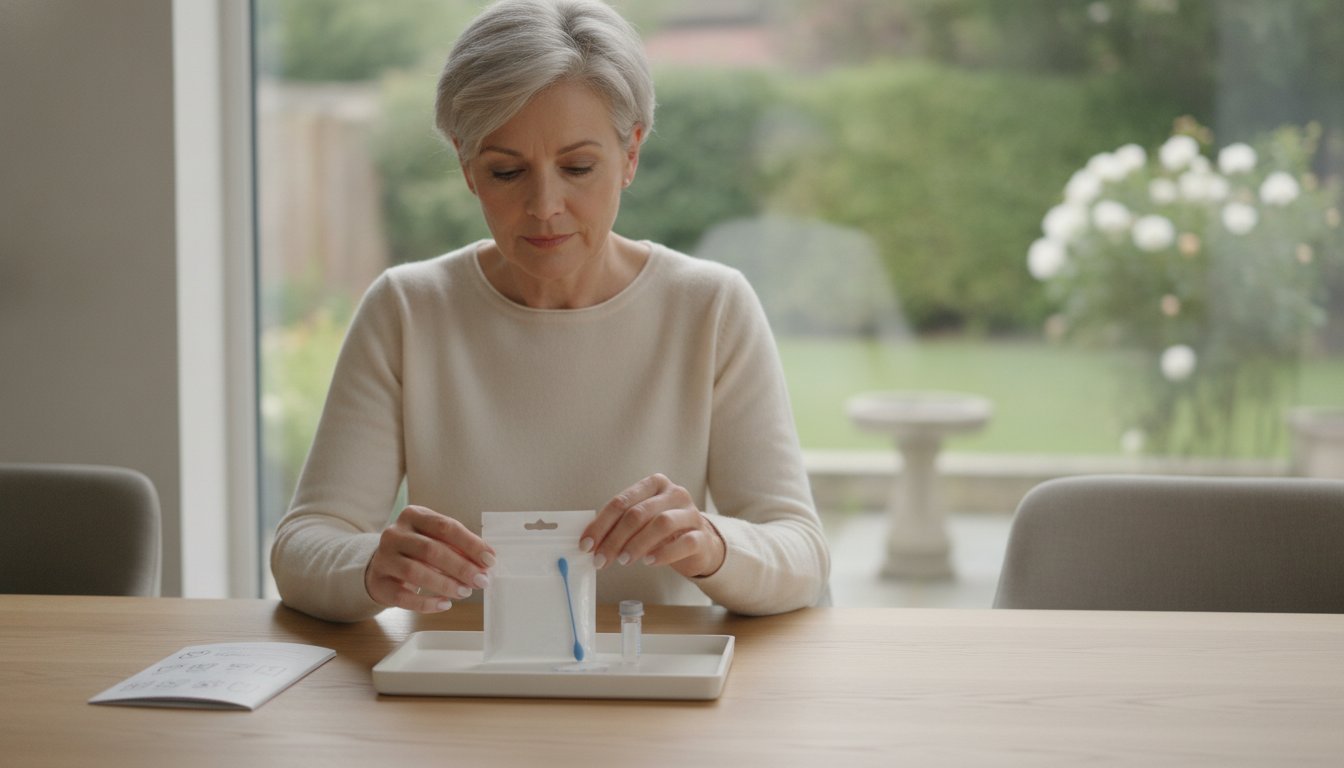
Completing your mrsa culture screen is a straightforward process that requires about ten minutes of your time. Before you begin, find a clean, well-lit area to set up your components. Start by washing your hands thoroughly with soap and water to ensure you don’t contaminate the sterile swabs with other bacteria from your fingers. Open your kit and lay out the sterile swabs, the transport tubes containing the medium, and the pre-printed labels.
To perform the nasal swab, remove the first swab from its packaging, taking care not to touch the cotton tip. Gently insert the tip into your nostril, about one to two centimetres deep. Rotate the swab five times against the inside of the nostril wall. Repeat this exact process in the other nostril using the same swab. This ensures you capture enough material for the lab to analyse without causing discomfort.
For the groin swab, identify the skin fold where your leg meets your torso. Rub the swab back and forth across this area for several seconds to ensure adequate skin contact. If your hospital has requested a triple-site screen, you’ll also swab the axilla, or armpit. Hospitals often require these additional sites because MRSA can colonize various warm, moist areas of the body. You can order your MRSA Culture Screen kit to ensure you meet these specific requirements from the privacy of your home.
Ensuring a Valid Sample
Accuracy depends on the quality of the sample you provide. One of the most common mistakes is allowing the swab tip to touch a non-target surface, such as a countertop or your clothing. Once you’ve finished swabbing, immediately place the swab into the transport tube. Ensure the tip is submerged in the medium, which is the gel or liquid at the bottom of the tube designed to keep bacteria alive. Secure the cap tightly and apply the labels provided, making sure your name and the date are clearly legible to avoid any administrative delays at the laboratory.
Returning Your Kit
After you’ve secured and labelled your samples, place them into the provided prepaid tracked envelope. It’s essential to post your kit on the same day you take the samples. Timely postage ensures the bacteria remain viable for laboratory culture. By using a priority post box, you help the lab receive your mrsa culture screen as quickly as possible, keeping your surgical timeline on track and avoiding unnecessary delays to your admission.
Order Your Private MRSA Culture Screen Kit Today
Taking control of your pre-operative requirements shouldn’t add to the stress of an upcoming surgery. By choosing a private mrsa culture screen, you bypass the need for clinic appointments and GP waiting rooms. This service provides a seamless transition from your home to the operating theatre, ensuring you meet hospital protocols with complete privacy and professional accuracy. Our process is designed for those who value efficiency and want to ensure their surgical schedule remains uninterrupted.
Each kit from mrsatest.co.uk arrives in discreet, plain packaging to protect your privacy. Inside, you’ll find everything required to collect a high-quality sample. This includes sterile swabs, transport tubes containing specialized medium, and clear, printed instructions. We also include a prepaid, tracked return envelope. This ensures your samples reach our partner laboratory quickly, which is vital for maintaining the viability of the bacteria for the culture process. You don’t need to worry about additional postage costs or finding the right laboratory; we’ve managed every logistical detail for you.
Once the laboratory receives your samples, they begin the 48 to 72 hour incubation process. Your results are delivered securely and confidentially via email. You’ll receive a formal laboratory certificate that clearly states your MRSA status. This document is ready to be shared with your surgical team or hospital admissions department. Having this certificate in hand allows you to focus on your physical and mental preparation for surgery, knowing that this essential safety check is complete.
Why Choose mrsatest.co.uk?
We specialize exclusively in MRSA screening within the UK. This focus allows us to provide a high level of expertise and support tailored to the specific needs of surgical patients. We only partner with accredited laboratories that meet rigorous clinical standards. This ensures that every mrsa culture screen we facilitate provides the reliable data your doctors require. For those interested in broader health monitoring, our At-Home Test Kits UK Guide offers insights into other screening options available for 2026.
Ready to Screen?
Our online ordering process is simple and efficient. Once you place an order, we dispatch your kit quickly to your UK address. If you have any questions during the swabbing process, our customer support team is available to provide clear, factual guidance. We’re here to ensure you feel supported through every step of your pre-op journey. Don’t let administrative hurdles delay your recovery. Order your MRSA Culture – Nose/Groin kit now and take the next step toward a safe and successful surgery.
Prepare for Your Surgery with Confidence
Completing your pre-operative requirements is a vital step toward a safe recovery. By choosing an mrsa culture screen, you ensure that your hospital admission remains on schedule without the stress of extra clinic visits. You now understand how simple it is to collect professional-grade samples from the privacy of your home and how our accredited UK laboratory provides the clinical accuracy your surgical team expects. This proactive approach removes the uncertainty of pre-op logistics, allowing you to focus on your upcoming procedure.
Our streamlined service handles the details for you, including free tracked return shipping and verified results delivered within 48 to 72 hours. This reliable process provides the peace of mind that comes from knowing you’ve met every safety protocol with quiet competence. Take control of your health journey today and avoid unnecessary delays to your surgery.
Order Your Professional MRSA Culture Screen Kit Today
We’re here to support you in making your pre-op journey as smooth and professional as possible, ensuring you arrive at the hospital ready for a successful recovery.
Frequently Asked Questions
Is an at-home MRSA culture screen as accurate as one done in a hospital?
Yes, our at-home kits provide the same level of accuracy as clinical screenings because the samples are processed by accredited UK laboratories. The diagnostic quality depends on the collection technique rather than the location. Since each kit contains the same sterile swabs and transport media used in hospitals, your results are clinically valid. Following the provided instructions carefully ensures your self-collected sample is perfect for professional laboratory analysis.
How long does an MRSA culture result take to come back?
You can expect your results within 48 to 72 hours of the laboratory receiving your sample. This timeframe is necessary because the culture method requires living bacteria to grow on a nutrient-rich agar plate until they’re visible for identification. While this takes longer than molecular methods, it remains the standard-of-care for most UK hospitals. We provide prepaid tracked shipping to ensure your kit reaches the lab without any unnecessary delay.
What body sites need to be swabbed for a full MRSA screen?
A standard screen typically involves swabbing the inside of both nostrils and the skin folds of the groin. Some hospitals require a triple-site screen, which adds the axilla, or armpit, to the process. We offer kits for both Nose/Groin and Nose/Groin/Axilla to match your specific hospital requirements. Capturing samples from these warm, moist areas of the body provides the most accurate assessment of potential bacterial colonization before your surgery.
Can I use an MRSA culture screen for pre-operative clearance?
Yes, our mrsa culture screen kits are specifically designed to provide the formal laboratory certificates required for pre-operative clearance. Most UK hospitals, including NHS and private providers, accept results from accredited independent laboratories. You should check your admission letter for the required timeframe. Most screens must be completed within a specific window, often one to two weeks, before your scheduled surgery date to ensure the results are current.
What happens if my MRSA culture screen comes back positive?
If your mrsa culture screen is positive, it means colonization was detected on your skin or in your nose. This isn’t a cause for alarm, but you’ll need decolonization before surgery. You should share your result certificate with your surgical team immediately. They’ll typically prescribe a five-day treatment plan involving a special antiseptic body wash and nasal ointment to clear the bacteria, ensuring your procedure can safely proceed as planned.
Do I need to stop using antibiotics before taking the MRSA swab?
Taking antibiotics can potentially interfere with the growth of bacteria on the laboratory culture plate, which might lead to an inaccurate result. If you’re currently on a course of antibiotics, it’s usually best to wait until you’ve finished the medication before performing the swab. If your surgery is imminent and you aren’t sure about the timing, you should consult your surgical team for specific guidance on your pre-operative screening schedule.
Is the packaging for the MRSA test kit discreet?
Yes, we prioritize your privacy at every stage of the process. All kits are dispatched in plain, unbranded packaging that doesn’t mention MRSA or medical testing on the outside. This ensures that only you know the contents of the parcel. Your data is handled with strict confidentiality, and your results are delivered via a secure email to ensure your health information remains private and protected from the moment you order.
What is the difference between an MRSA culture and an MRSA PCR test?
The primary difference lies in the detection technology and the turnaround time. A culture test waits for live bacteria to grow in a lab, taking 48 to 72 hours, and is the more affordable option. An MRSA PCR test uses molecular technology to detect bacterial DNA, providing results within 24 hours. While PCR is faster for urgent admissions, the culture method is the traditional gold standard often preferred for routine elective surgery.