Could you be carrying a potentially dangerous bacterium into a clinical environment without even realising it? While we often think of medical facilities as sterile havens, the reality of MRSA risk in hospitals is more nuanced than many patients expect. It’s completely normal to feel a sense of unease about hygiene standards or the possibility of post-surgical complications. You aren’t alone in wondering if your upcoming procedure might be delayed or complicated by an unseen infection.
This guide will help you understand exactly why these risks persist and what you can do to mitigate them. We’ll clarify the vital distinction between being a colonised carrier and actually being sick, which is a common source of confusion for many. You’ll also find a practical hygiene checklist and clear information on how pre-admission screening can provide the security you need. By taking control of your preparation now, you can approach your hospital stay with quiet confidence and focus entirely on your recovery. We’ll walk you through the clinical realities and the simple, proactive steps that ensure your safety remains the priority.
Key Takeaways
- Understand why specific environmental factors and antibiotic use make clinical settings a primary source of resistant bacteria.
- Identify how common medical devices and open surgical sites contribute to the mrsa risk in hospitals.
- Learn the vital difference between colonisation and infection to help prevent the risk of accidental self-contamination during a procedure.
- Gain actionable hygiene strategies, such as specific hand-washing protocols, to protect your health before and during your hospital admission.
- Discover how private, rapid PCR testing can ensure you meet pre-operative requirements quickly and avoid the stress of last-minute surgery delays.
Understanding MRSA Risk: Why Are Hospitals High-Risk Environments?
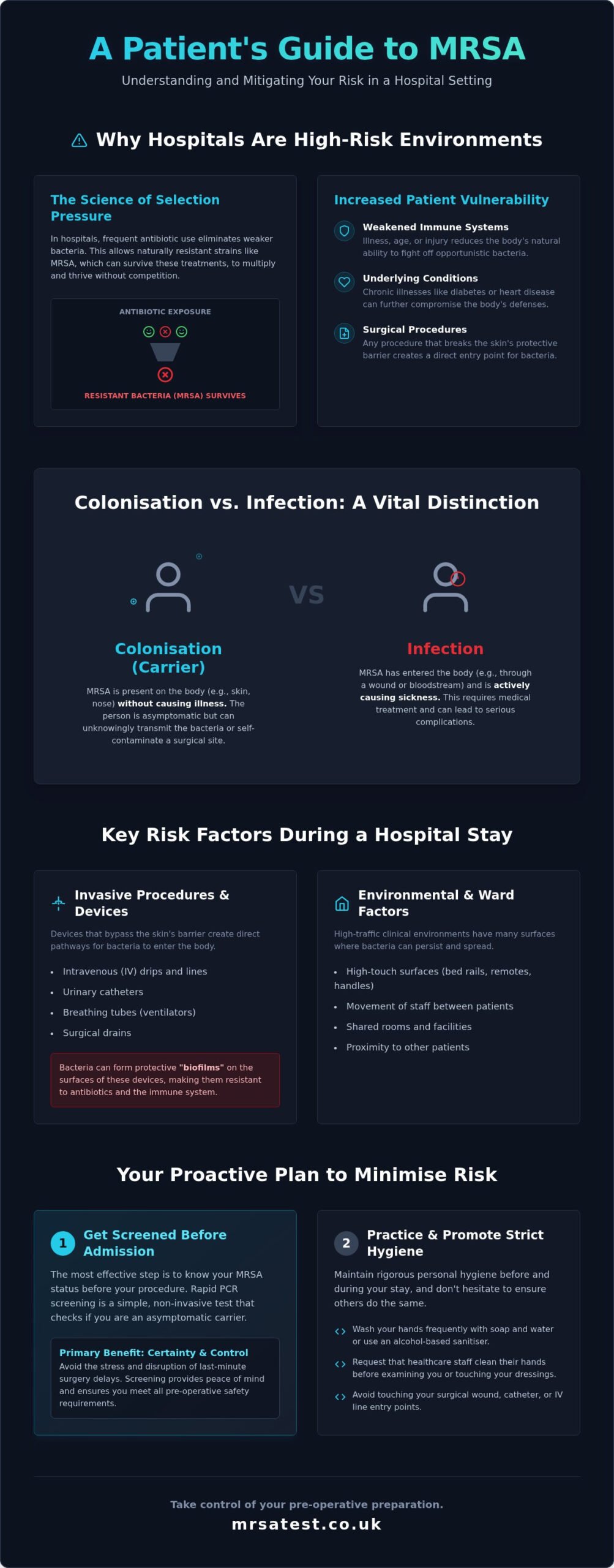
Hospitals are unique environments where the concentration of sick individuals and the frequent use of medication create a specific set of challenges for infection control. While these facilities are dedicated to healing, they naturally become hubs for various microorganisms. The mrsa risk in hospitals is largely driven by a biological process known as selection pressure. When healthcare professionals use antibiotics to treat infections, these drugs successfully eliminate weaker bacteria. However, any bacteria that possess defensive mutations survive and multiply. Over time, this creates a population of resistant strains that are much harder to treat with standard medical protocols.
MRSA is a bacteria resistant to common antibiotics including methicillin and penicillin. In a community setting, these bacteria might struggle to compete with more common strains, but the clinical environment provides the perfect conditions for them to thrive. Because hospitals are closed environments with high-traffic areas, bacteria can persist on shared surfaces like bed rails, door handles, and medical equipment. Even with rigorous cleaning, the sheer volume of movement makes these spaces more susceptible to the spread of resistant strains.
The Science of Antibiotic Resistance in Clinical Settings
Methicillin resistance refers to the ability of Staphylococcus aureus to withstand treatment from a specific class of penicillin-like antibiotics. In clinical settings, the use of powerful, broad-spectrum antibiotics is common. While necessary for patient care, this environment inadvertently trains bacteria to develop even stronger defences. This evolutionary process contributes to the rise of Healthcare-Associated Infections (HAIs), making the management of mrsa risk in hospitals a top priority for medical teams. These superbugs aren’t just stronger; they’re also more resilient against traditional cleaning agents, requiring specialised decontamination protocols to manage effectively.
Why Patient Vulnerability Increases Risk
A hospital’s population consists primarily of people whose immune systems are already under strain from illness, age, or injury. These weakened natural defences make it much easier for opportunistic bacteria to take hold. Underlying conditions like diabetes or heart disease can further reduce the body’s ability to fight off a colonisation before it turns into a full infection. Additionally, surgical procedures play a significant role in increasing risk. Your skin acts as the body’s primary shield, but surgery requires breaking this barrier. This opening provides a direct route for bacteria to enter the bloodstream or deep tissue, where they can cause serious health complications if the patient is already carrying the bacteria on their skin.
Identifying Key Risk Factors for MRSA During a Hospital Stay
While the broader clinical environment plays a role, specific patient-level factors determine the actual mrsa risk in hospitals for each individual. Understanding these variables allows you to take a more active role in your own care and preparation. Factors ranging from the type of medical equipment used to the physical layout of the ward can all influence how easily bacteria might be transmitted during your stay.
Invasive Procedures and Bacteria Entry Points
Medical devices that bypass the skin’s natural barrier are significant risk factors. Catheters, IV drips, and breathing tubes provide a direct pathway for bacteria to enter the body. Over time, bacteria can form “biofilms” on the plastic surfaces of these tubes. These are thin, resilient layers that protect the bacteria from both your immune system and standard antibiotics. Central lines, which are inserted into large veins near the heart, carry a higher risk than peripheral IVs in the arm because they reach deeper into the circulatory system and often remain in place for longer periods. If your procedure requires these devices, it’s helpful to screen for MRSA beforehand to ensure you aren’t carrying the bacteria on your skin at the time of insertion.
Environmental Factors in Modern Wards
Modern hospital wards are busy hubs where staff, patients, and visitors frequently interact. High-touch surfaces such as bed rails, television remote controls, and door handles are common vectors for transmission. Despite rigorous cleaning schedules, maintaining a 100% sterile environment is difficult in high-traffic areas. The movement of healthcare staff between patients can also facilitate cross-contamination if hand hygiene protocols aren’t strictly followed every single time. Shared wards increase the likelihood of proximity to other colonised patients, which naturally raises the potential for exposure during a stay.
The length of your hospital stay is another critical factor to consider. There’s a direct correlation between the amount of time spent in a clinical setting and the likelihood of acquiring a healthcare-associated infection. Finally, surgical site infections remain a primary concern for those undergoing operations. An open wound is the most accessible entry point for bacteria. This makes diligent post-operative wound care essential for MRSA prevention, as even a small break in the skin can become a gateway for resistant strains if not managed with professional care. By identifying these risks early, you can work with your medical team to ensure the highest standards of safety are maintained throughout your recovery.
Colonisation vs. Infection: The Hidden Risk of Asymptomatic Carriers
One of the most misunderstood aspects of MRSA is the difference between being a carrier and being infected. According to data often cited by the NHS, approximately 1 in 30 people carry MRSA on their skin or in their nostrils without showing any symptoms. This state is known as colonisation. While these individuals feel perfectly healthy, they are asymptomatic carriers who can unknowingly transport the bacteria into clinical settings. Understanding this distinction is vital for managing the mrsa risk in hospitals, as it shifts the focus from treating the sick to screening the healthy.
When you are colonised, the bacteria live harmlessly on your skin’s surface. You aren’t “suffering” from an infection because your immune system and skin barrier are keeping the bacteria in check. However, the situation changes the moment you enter a hospital for a procedure. The risk isn’t just about catching something from the ward; it’s often about the bacteria you brought with you. Hospitals screen healthy patients because identifying carriage status is the only way to prevent a dormant presence from becoming a post-operative complication.
How Asymptomatic Carriage Becomes a Problem
The primary danger for a carrier is a process called autoinoculation. This occurs when you accidentally infect yourself during a medical procedure. During the “first cut” of surgery, the incision provides a direct gateway for the bacteria on your skin to enter your bloodstream or deep tissue. Once inside, these resistant bacteria can cause serious issues, as they are no longer restricted to the surface. Carriers are significantly more likely to experience surgical site infections compared to non-carriers. This transition from the skin surface to the internal body is why knowing your status is so important before any invasive treatment begins.
The Role of Pre-Admission Screening
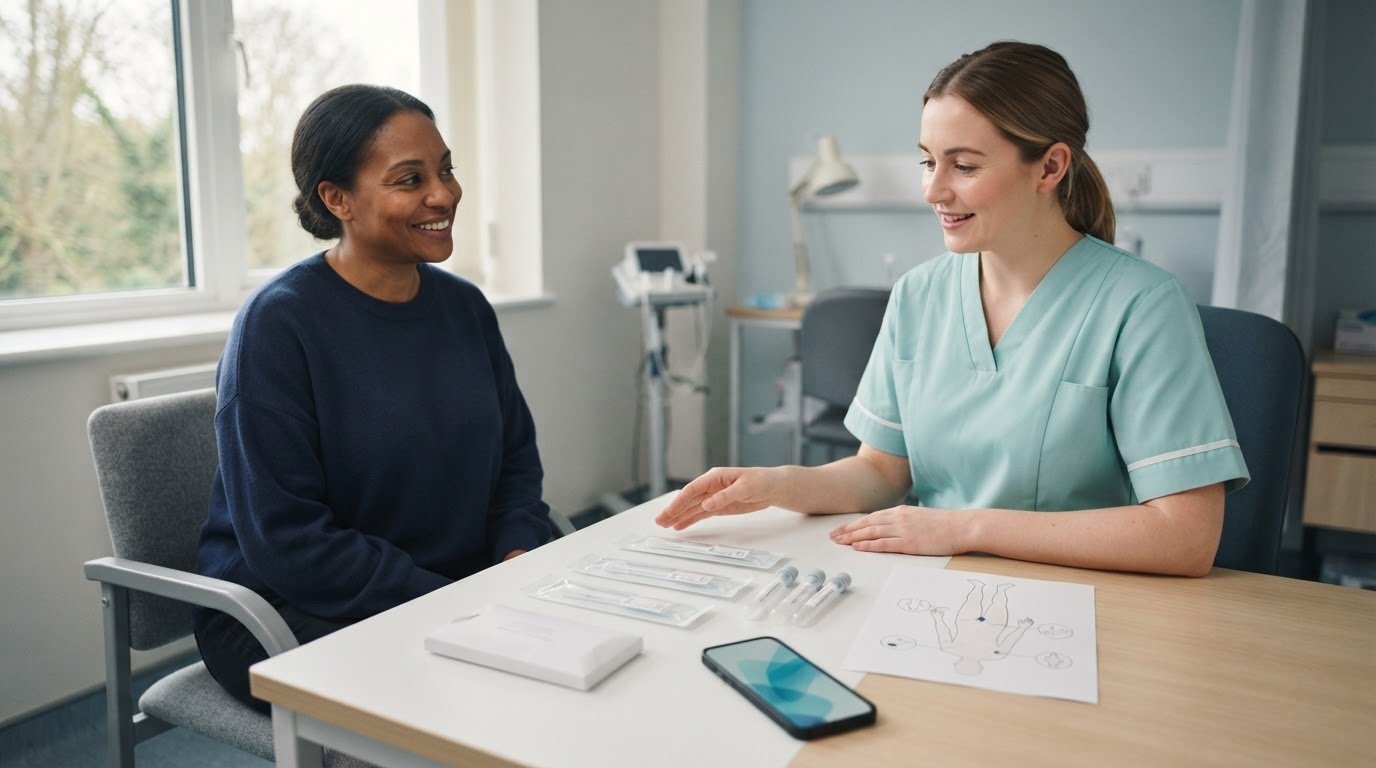
Knowing your carriage status before you arrive at the hospital allows for a simple but effective decolonisation process. This usually involves using antibacterial body washes and nasal ointments for several days to clear the bacteria from your skin. While the NHS has mandatory screening for many elective surgeries, the timing can sometimes be tight. If a colonisation is discovered too late, it can lead to stressful surgery delays. For a more detailed look at what to watch out for, you can read our complete guide to MRSA symptoms and risks. Proactive screening ensures that you have the time to complete decolonisation privately, reducing the overall mrsa risk in hospitals and giving you peace of mind that you’re entering the operating theatre in the safest possible condition.
How to Minimise MRSA Risk: A Patient’s Action Plan
Taking an active role in your healthcare is one of the most effective ways to lower the mrsa risk in hospitals. While clinical teams follow strict infection control protocols, your personal habits and advocacy provide an essential secondary layer of protection. By following a structured action plan, you can significantly reduce the likelihood of colonisation or infection during your stay.
Effective prevention starts with a few key proactive steps:
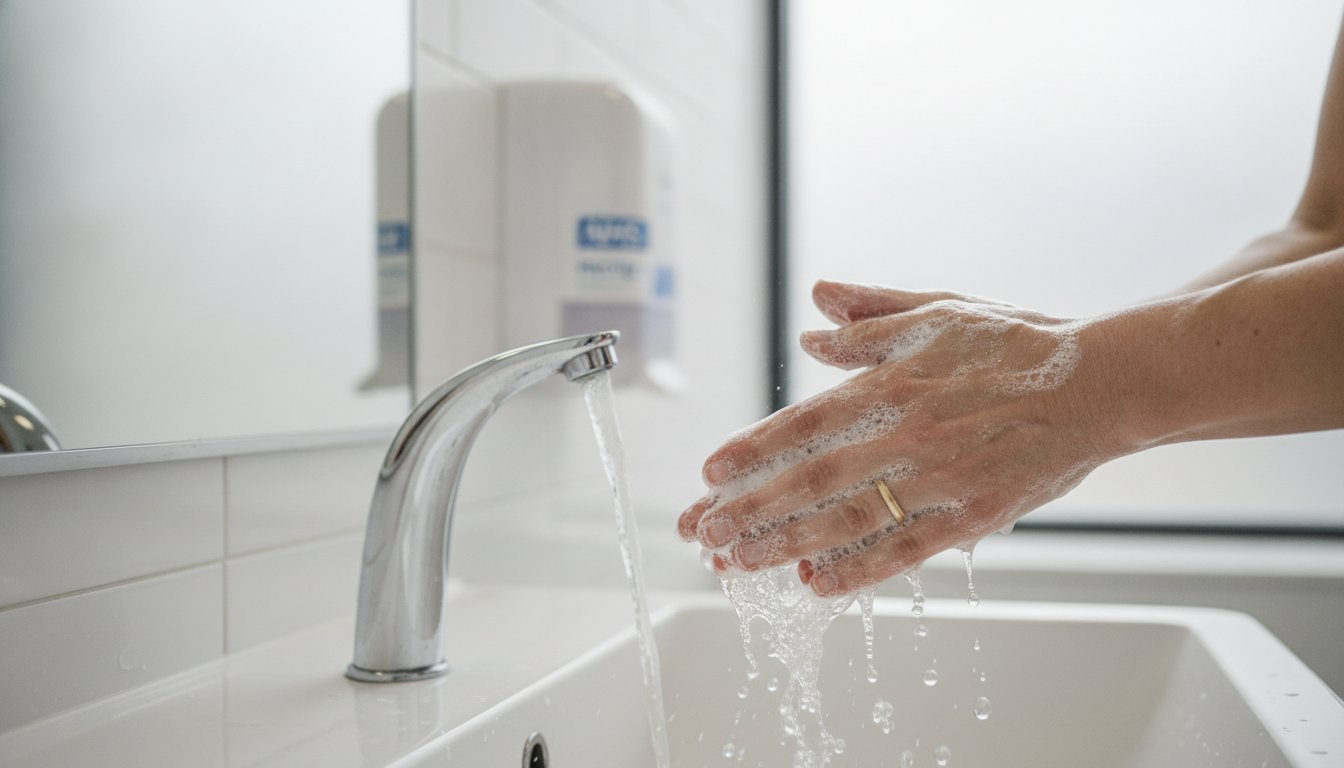
- Prioritise hand hygiene: Wash your hands frequently with soap and water, and ensure your visitors do the same as soon as they enter the ward.
- Ask about handwashing: Don’t be afraid to politely ask healthcare staff if they’ve cleaned their hands before they examine you or touch your medical devices.
- Wound management: Keep surgical wounds clean and dry. If a dressing becomes loose or wet, alert a nurse immediately.
- Antiseptic washes: Use specialised antiseptic washes, such as Chlorhexidine (CHG), if your surgical team recommends them in the days leading up to your procedure.
- Early screening: Undergo pre-admission screening to identify if you’re a carrier, allowing for decolonisation before you even enter the hospital.
Personal Hygiene Protocols for Hospitalised Patients
Alcohol-based hand rubs are available at almost every bedside in UK hospitals. To use them correctly, apply enough gel to cover both hands and rub them together until they’re completely dry, paying close attention to the areas between your fingers and around your nails. It’s also vital to avoid sharing personal items like towels, flannels, or razors, as these can easily harbour bacteria. Maintaining a tidy environment around your hospital bed helps too. Minimising clutter on your bedside table makes it easier for domestic staff to clean high-touch surfaces effectively. To ensure you’re fully prepared, you can order a private MRSA test kit to check your status discreetly from home.
Advocating for Your Own Safety
Engaging with healthcare staff about hygiene doesn’t have to be uncomfortable. Most professionals welcome patients who are active participants in their safety. A simple, polite question like “Would you mind cleaning your hands before we start?” is often all it takes. Beyond communication, you should monitor your own recovery closely. Recognising early signs of infection, such as increased redness, warmth, swelling, or the presence of pus around an incision, allows for faster intervention. For a broader view of surgical readiness, you can consult our pre-op health checklist to manage all aspects of your upcoming admission with confidence.
Proactive Protection: The Benefits of Private MRSA Screening
Managing the mrsa risk in hospitals effectively often requires a proactive approach that starts well before you reach the ward. While the NHS provides screening for many elective procedures, patients frequently choose private testing to gain more control over their preparation timeline. This choice is often driven by a desire for speed, privacy, and the reassurance that comes with having clear results in hand before a pre-operative assessment. By identifying carriage status early, you can take the necessary steps to protect yourself and others without the pressure of hospital-led scheduling.
PCR vs. Culture: Choosing the Right Test
When selecting a screening method, it’s helpful to understand the difference between a rapid PCR test and a traditional culture. A PCR (Polymerase Chain Reaction) test is a high-speed diagnostic tool that looks for the genetic material of the bacteria. It’s particularly useful for patients with urgent surgery dates because it can provide definitive results within 24 hours of the sample reaching the lab. In contrast, a standard culture test involves placing the sample in a controlled environment to see if bacteria grow over several days. While slower, it’s a dependable and cost-effective way to screen for colonisation. Both testing types play a vital role in preventing hospital-acquired infections by allowing for targeted decolonisation before admission.
Ordering Your Confidential At-Home Kit
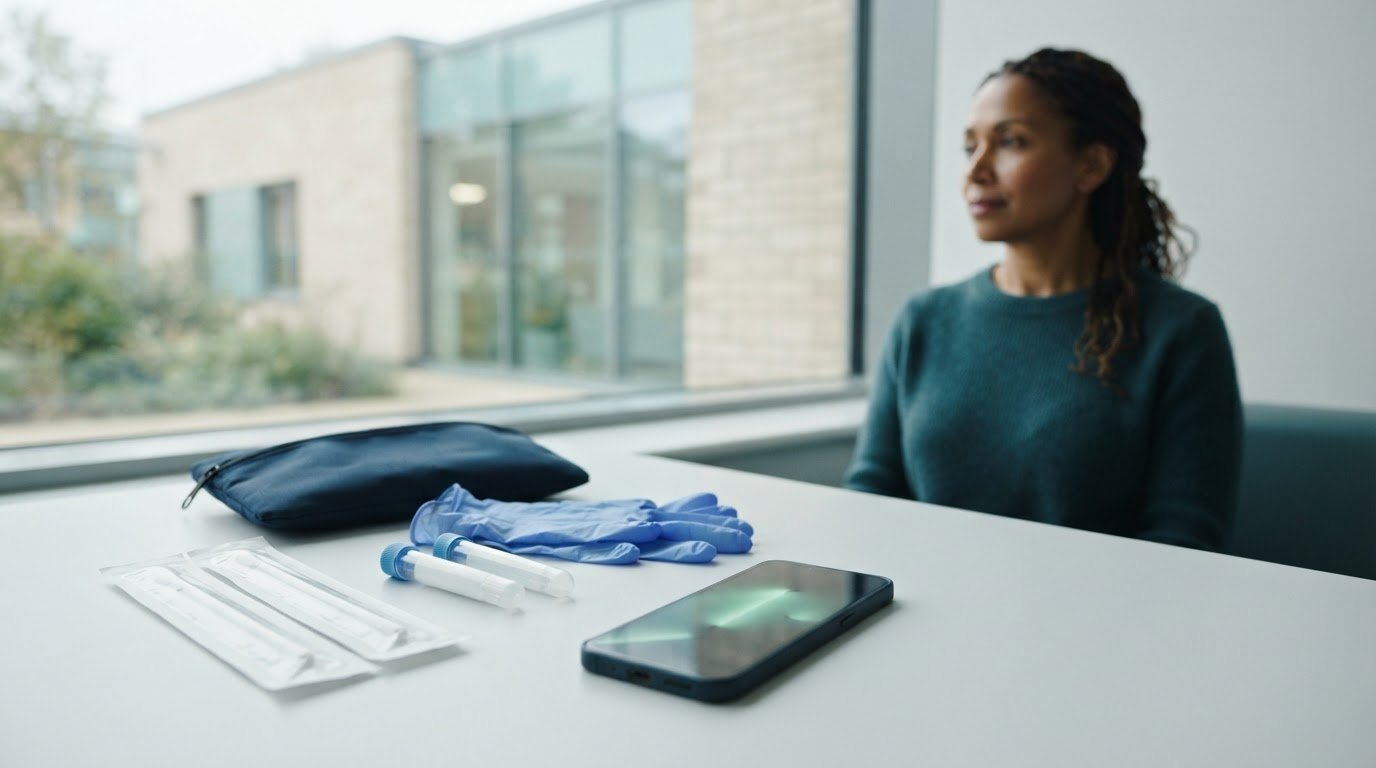
The transition from a clinical setting to a home environment makes the screening process far more manageable for the average person. Our at-home kits include everything you need to collect samples discreetly, including sterile swabs for the nose and groin. This simple process removes the need for additional travel or face-to-face appointments during a busy pre-operative period. After collecting your samples, you simply return them using the prepaid shipping container to our verified, accredited UK laboratories for professional analysis.
Once your results are ready, you’ll receive a clear report that you can share with your surgical team. This transparency helps your doctors tailor your care plan and ensures that all safety protocols are in place before you enter the theatre. Private screening allows patients to begin decolonisation earlier, potentially avoiding surgery cancellations. Ultimately, entering the hospital with the knowledge that you have already addressed any mrsa risk in hospitals provides a level of peace of mind that is invaluable for a smooth recovery. It allows you to focus on your health, knowing that you’ve taken every possible step to ensure a sterile and safe surgical experience.
Preparing for a Safer Hospital Admission
Navigating your healthcare journey requires a balance of trust in medical professionals and personal vigilance. We’ve explored how the mrsa risk in hospitals is influenced by environmental factors and individual vulnerability. By distinguishing between asymptomatic carriage and active infection, you can take practical steps to clear the bacteria from your skin before your procedure begins. This proactive approach doesn’t just protect your own health; it also ensures your surgery proceeds without avoidable interruptions or stressful delays.
Taking control of your pre-operative preparation is simple and discreet. You can order your confidential MRSA test kit online today for peace of mind before your hospital stay. Our service provides rapid PCR results within 24 hours of your sample reaching our accredited UK laboratory. With discreet home delivery and collection, you can manage your screening privately and efficiently. You deserve to approach your recovery with confidence. By addressing potential risks early, you’re choosing a safer, smoother path toward healing.
Frequently Asked Questions
What are the first signs of an MRSA infection after surgery?
The first signs of an MRSA infection typically appear around the surgical incision site. You might notice increasing redness, swelling, or pain that feels worse than expected for your stage of recovery. The area may feel unusually warm to the touch, or you might see pus or other drainage from the wound. If the bacteria enter the bloodstream, you could develop a high temperature, chills, or a general sense of being unwell.
Can I catch MRSA just by visiting someone in the hospital?
Yes, it’s possible to catch MRSA while visiting, though the risk for healthy individuals is generally low. The bacteria often spread through direct contact with a colonised person or by touching contaminated surfaces like bed rails. To stay safe, you should use the alcohol hand gels provided at the ward entrance and bedside. Avoid sitting on the patient’s bed or sharing personal items during your visit to minimise any potential transmission.
Why do hospitals screen for MRSA before elective surgery?
Hospitals screen before elective procedures to identify asymptomatic carriers and prevent surgical site infections. If a patient carries MRSA on their skin, the surgical incision can provide a gateway for the bacteria to enter the body. Identifying this status in advance allows clinical teams to start decolonisation treatments. This proactive step significantly reduces the mrsa risk in hospitals, protecting both the individual patient and the wider ward environment from potential outbreaks.
How long can MRSA survive on hospital surfaces like bed rails?
MRSA is a resilient bacterium that can survive on hard surfaces for several days or even weeks. In a clinical setting, it often persists on high-touch items such as bed rails, remote controls, and door handles. Because it can survive without a host for extended periods, regular and thorough cleaning is essential. This environmental persistence is a primary reason why hand hygiene is so strictly enforced for everyone entering or leaving a ward.
Is MRSA risk higher in private hospitals compared to the NHS?
The risk of encountering MRSA exists in both private and NHS facilities because the bacteria are widespread in the general population. While private hospitals may have fewer shared wards, the clinical procedures and use of medical devices remain similar across both sectors. Both healthcare providers follow strict national guidelines for infection control and screening. Ultimately, the mrsa risk in hospitals depends more on individual patient factors and specific hygiene protocols than on the type of facility.
Can MRSA be treated if caught early in the hospital?
Yes, MRSA infections can be treated effectively if they’re identified early in a hospital stay. While the bacteria are resistant to common antibiotics like penicillin, doctors use specialised alternatives such as vancomycin or daptomycin. Treatment usually involves a course of intravenous or oral medication tailored to the specific strain. Early intervention is key to preventing the infection from spreading deeper into the body or entering the bloodstream, which makes monitoring your symptoms vital.
What happens if my pre-op MRSA test comes back positive?
If your pre-op test is positive, your medical team will prescribe a decolonisation treatment. This typically involves using a special antiseptic body wash and an antibiotic nasal cream for about five days. Depending on the urgency of your procedure, your surgery might be delayed until the bacteria are cleared. Taking these steps ensures you’re in the safest possible condition before entering the operating theatre, which significantly reduces the chance of a post-operative infection.
How can I protect my family if I am diagnosed with MRSA in hospital?
You can protect your family by practicing excellent hygiene at home. Don’t share personal items like towels, razors, or bed linen, as these can easily harbour bacteria. Regular handwashing with soap and water is the most effective way to prevent spread between family members. It’s also helpful to clean frequently touched surfaces in your home, such as light switches and door handles, using standard household disinfectants until your medical team confirms the colonisation has cleared.