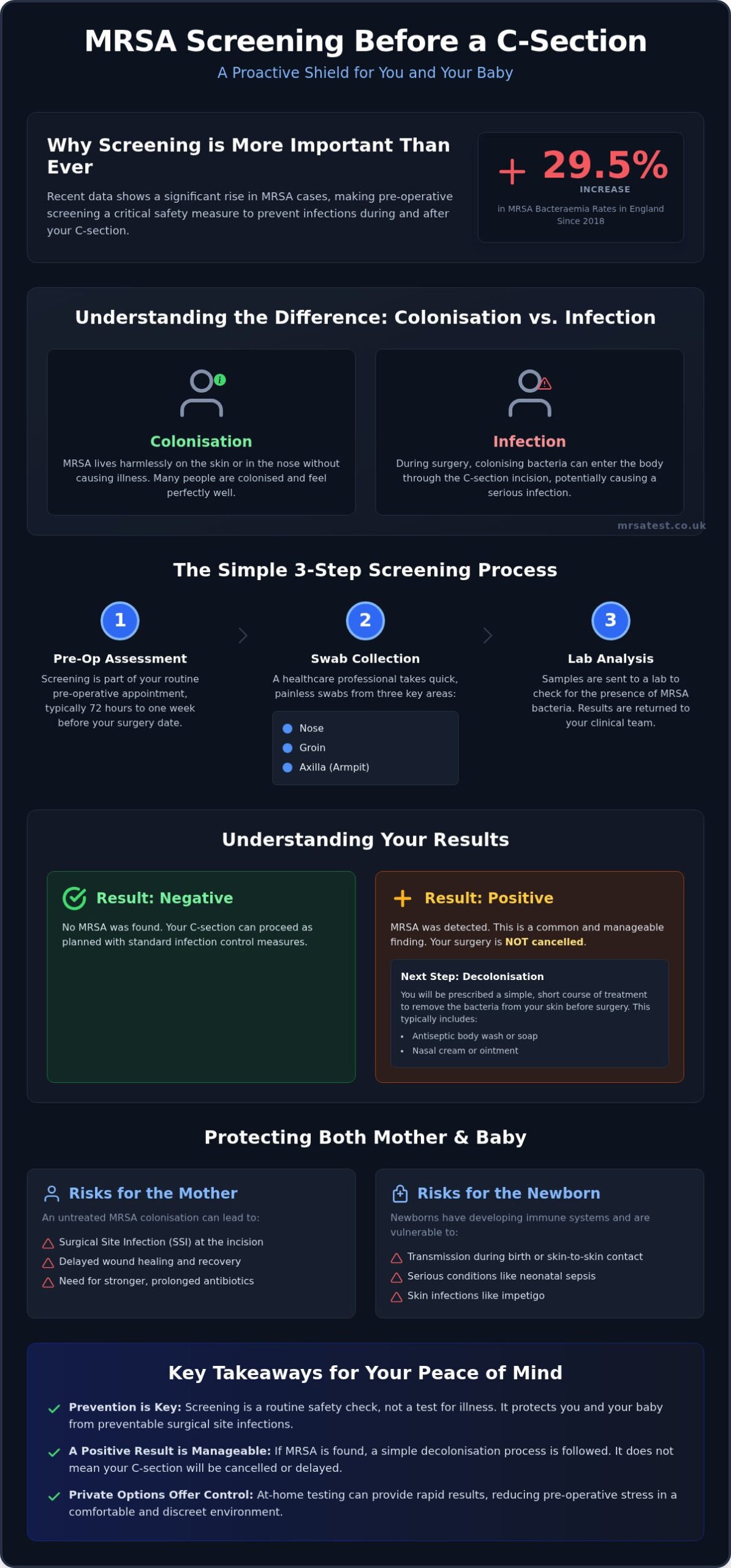
Recent surveillance data from 2024 to 2025 reveals that MRSA bacteraemia rates in England have increased by 29.5 percent since 2018, reaching their highest levels in twelve years. While these figures might seem unsettling as you prepare for your delivery, they highlight exactly why mrsa screening before c-section has become such a vital safety protocol for expectant mothers. Identifying the presence of these bacteria before your surgery isn’t about finding a problem; it’s about providing a proactive shield for both you and your baby during a vulnerable time.
It’s completely natural to feel anxious about hospital-acquired infections or worried that a positive result might delay your planned caesarean. We understand that you want your birth experience to be as safe and streamlined as possible. This guide will help you understand the screening process and show you how to manage your results with quiet confidence. You’ll learn why individual NHS Trusts prioritize these checks and how a simple swab offers the peace of mind you need for a healthy, infection-free recovery.
Key Takeaways
- Understand why hospitals prioritise MRSA prevention to protect both you and your baby from surgical site infections during your recovery.
- Learn the simple swabbing procedure used for mrsa screening before c-section, which typically involves taking samples from the nose, groin, and axilla.
- Discover why a positive result is a manageable clinical finding that leads to a simple decolonisation process rather than a cancelled surgery.
- Explore how private at-home testing can provide rapid results and reduce pre-operative stress by allowing you to screen in a discreet environment.
- Gain peace of mind by knowing exactly how to navigate the pre-operative requirements for a safe and successful planned caesarean.
Why MRSA Screening is Mandatory Before a C-Section
MRSA screening is a routine yet essential part of maternity care for anyone planning a caesarean delivery. It involves taking simple swabs from the skin to check for Methicillin-resistant Staphylococcus aureus (MRSA). Hospitals prioritise this because surgical wards are environments where infection control must be absolute. This isn’t a test for illness in the traditional sense; rather, it’s a safety audit of the bacteria naturally living on your body. By identifying these bacteria before you enter the operating theatre, clinical teams can take specific steps to protect you and your newborn.
It’s helpful to distinguish between being colonised and having an active infection. Many people carry MRSA on their skin or in their nose without ever feeling unwell. This state is known as colonisation. However, when you undergo surgery, those same harmless bacteria can enter the body through an incision, potentially leading to a serious infection. This screening is a core component of preparing for surgery, ensuring your body is in the safest possible state for your child’s arrival.
The Vulnerability of Surgical Birth
A C-section is a major abdominal surgery. While the procedure is safe and common, the incision naturally creates an entry point for bacteria that usually live on the surface of your skin. If MRSA is present, it can interfere with post-operative wound healing or lead to more complex hospital-acquired infections. Screening allows doctors to use targeted antibiotics or decolonisation treatments, significantly reducing the risk of surgical site infections (SSIs) for both the mother and the newborn. These measures ensure that your body’s energy is focused on recovery and bonding with your baby, rather than fighting an avoidable infection.
NHS Protocols and Pre-Op Requirements
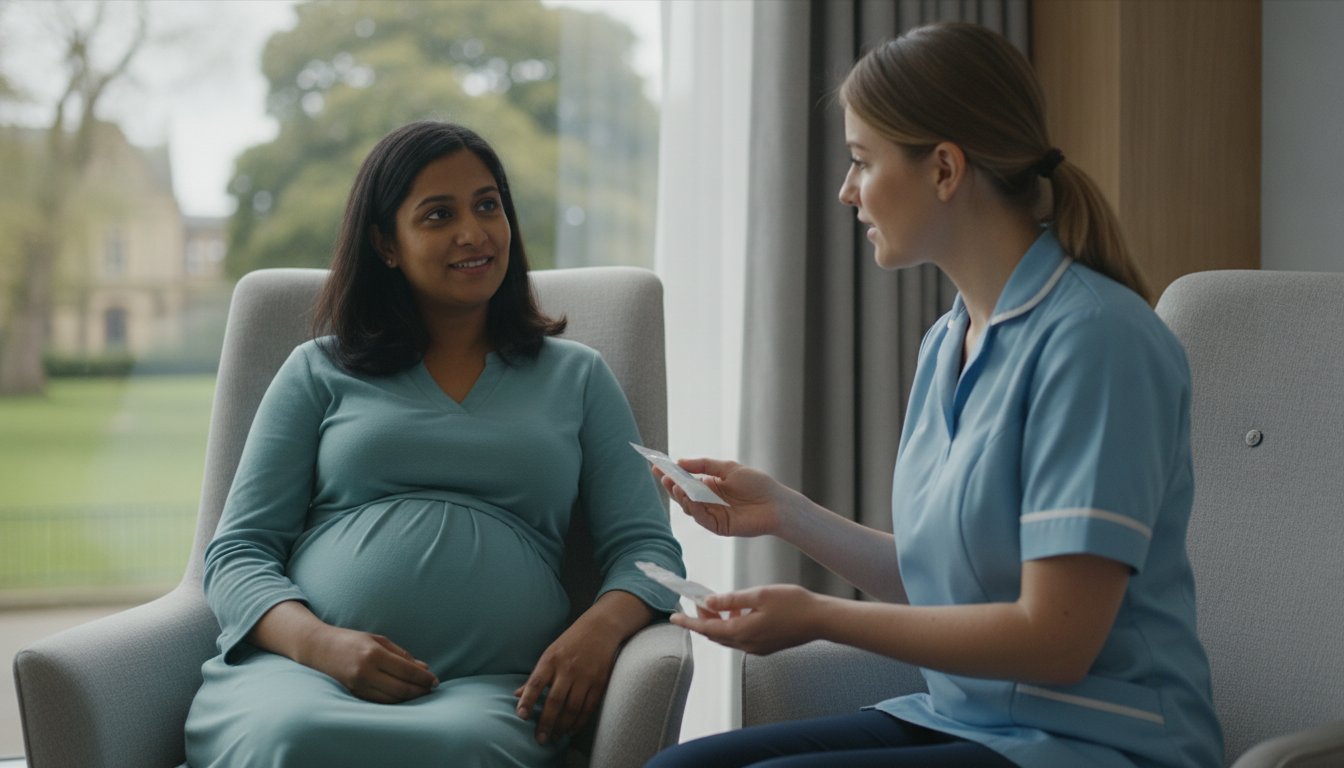
Standard NHS protocols typically require mrsa screening before c-section to take place during your pre-operative assessment (POA). This appointment is a vital logistics check where the nursing team reviews your medical history and performs baseline health checks. The screening usually occurs between 72 hours and one week before your scheduled date. For elective caesareans, this is a controlled, planned step that ensures the theatre remains a sterile environment. In emergency situations, the approach differs; clinical teams may proceed with the surgery while using prophylactic antibiotics, as there isn’t time for a standard culture-based screen. Knowing your status ahead of time through elective screening provides a layer of security that emergency procedures cannot always offer.
Protecting Mother and Baby: The Risks of MRSA
While MRSA often lives on the skin without causing any noticeable harm, the surgical nature of a caesarean section changes the clinical dynamic. When the skin’s natural barrier is breached by an incision, bacteria that were previously harmless colonisers can enter the deeper tissues. This transition from colonisation to active infection is the primary driver behind the requirement for mrsa screening before c-section. For a new mother, a Surgical Site Infection (SSI) at the incision site can lead to significant discomfort, persistent fever, and a much slower physical recovery. Knowing your status before you enter the maternity ward ensures that the clinical team can tailor your care to prevent these bacteria from causing complications during your stay.
Neonatal Risks and Newborn Safety
Newborns are particularly vulnerable to infections because their immune systems are not yet fully primed to handle resistant bacteria. MRSA can be transmitted from mother to baby during the delivery process or through close skin-to-skin contact in the vital hours following birth. In some instances, this leads to neonatal sepsis, a serious systemic infection, or localized skin conditions like impetigo. Because of these specific risks, Neonatal Intensive Care Units (NICUs) maintain incredibly strict protocols to prevent the bacteria from spreading to other infants. Ensuring you’re clear of the bacteria, or have successfully completed a decolonisation routine, is a direct and effective way to safeguard your baby’s early health and wellbeing.
Long-term Recovery Considerations
A post-surgical infection doesn’t just affect your physical health; it can significantly impact your experience as a new parent. MRSA infections are notoriously difficult to treat because the bacteria are resistant to standard antibiotics. This resistance can lead to several complications that interrupt the early days of motherhood:
- Delayed wound closure which may require specialized dressing changes or further medical intervention.
- Extended hospital stays that keep you away from the comfort and routine of your home.
- Physical pain that makes breastfeeding or holding your baby for long periods difficult.
- Increased stress levels that can interfere with the crucial early bonding period.
Prevention is always more effective and less stressful than attempting to treat a resistant infection after your surgery has already taken place. If you’re feeling anxious about the wait times for results at your local hospital, using a discreet at-home testing kit can provide the clarity you need to proceed with your delivery plans. Identifying your status early through mrsa screening before c-section allows for a managed, calm approach, ensuring you can focus entirely on your new arrival rather than worrying about infection risks.
How the MRSA Screening Process Works
The physical process of mrsa screening before c-section is simple and takes only a few minutes. It involves using a sterile swab, which looks like a long cotton bud, to collect samples from specific areas of your body. Clinical teams test multiple sites because MRSA can colonize different regions independently. By sampling several areas, the laboratory can provide a comprehensive picture of your status, ensuring no carriage is missed before you enter the operating theatre. This thorough approach is a standard safety measure designed to protect the sterile environment of the maternity surgical ward.
Typically, three primary sites are tested during the screening:
- The nostrils: The swab is gently rotated inside the front of each nostril.
- The throat: A sample is taken from the back of the throat, similar to a quick throat swab for other common infections.
- The groin or axilla (armpit): The swab is rubbed over the skin folds in these areas, where bacteria often reside.
PCR vs. Culture: Timing Your Test
Choosing the right testing method depends largely on your surgical timeline. The traditional culture method involves placing the sample in a nutrient-rich environment to see if bacteria grow over time. This process usually takes 48 to 72 hours, though NHS lead times can sometimes extend to a week depending on laboratory capacity and transport logistics. For mothers with an imminent surgery date, a Rapid PCR (Polymerase Chain Reaction) test is often the preferred choice. PCR technology identifies the genetic material of the bacteria directly, allowing for results within 24 hours of the laboratory receiving the sample. If your C-section is scheduled for the coming days, the speed of a PCR test provides the necessary window to start decolonisation if your result is positive.
What to Expect During the Swab
One of the most common concerns for expectant mothers is whether the test is painful. You can be reassured that the swabbing process is entirely painless. It may feel slightly ticklish or unusual, particularly in the nostrils, but it doesn’t involve any needles or invasive procedures. To ensure a valid sample, it’s vital to follow the instructions carefully, such as ensuring sufficient contact with the skin or mucosal surfaces. Avoiding common mistakes, like touching the swab tip with your fingers, helps maintain the integrity of the sample. Using accurate MRSA tests processed in accredited UK laboratories ensures that your results are reliable and ready for your hospital’s pre-operative team. This professional oversight gives you the confidence that your mrsa screening before c-section has been performed to the highest clinical standards, allowing you to focus on the arrival of your baby.
What Happens If Your MRSA Test is Positive?
Receiving a positive result from your mrsa screening before c-section can be startling, but it shouldn’t be a cause for panic. It’s vital to remember that a positive swab doesn’t mean your surgery will be cancelled or even delayed. Instead, it allows the clinical team to move from a “screening” phase to a “prevention” phase. By knowing you carry the bacteria, the hospital can implement a standard protocol to eliminate the risk of infection before the first incision is made. This proactive approach is exactly why screening is so effective at keeping surgical environments safe and predictable.
The medical team views a positive result as a manageable clinical finding. It provides them with the specific information needed to tailor your care. Thousands of mothers carry MRSA without ever knowing it, and the only difference for you is that your team will now use a specialized toolkit to ensure your delivery is as safe as it can be. You aren’t “ill,” you’re simply better prepared for the theatre environment.
The Decolonisation Protocol
If your results show MRSA carriage, your midwife or pre-op nurse will provide a decolonisation kit. This usually consists of a five-day routine designed to clear the bacteria from your skin and nose. The process is straightforward and doesn’t require any invasive procedures. You’ll typically be asked to use an antimicrobial body wash, such as Chlorhexidine, for daily showering and hair washing. This significantly reduces the bacterial load on your skin surface.
In addition to the wash, you’ll apply a nasal antibiotic cream inside your nostrils several times a day. This is important because the nose is a common site where MRSA likes to reside. You’ll likely be advised to use fresh towels and bedding daily during this five-day window to prevent re-contamination. This treatment is highly effective and is usually timed to finish just before your admission date, ensuring your body is in the best possible state for surgery.
Adjustments to Your Birth Plan
While your delivery will proceed as planned, the hospital might make small logistical adjustments to maintain safety for everyone on the ward. These changes are standard clinical practice and are designed for the protection of you, your baby, and other patients. You might be allocated a private side room or a specific bed space to minimize the risk of cross-contamination. This often provides an added layer of privacy during your recovery.
During the C-section procedure itself, the medical team will use specific antibiotic prophylaxis. You’ll receive intravenous antibiotics that are specifically chosen because they’re effective against MRSA. Following the birth, the clinical team will perform routine post-birth monitoring for both you and your baby. They’ll keep a closer eye on your incision site and check your baby’s health more frequently, providing you with extra reassurance during those first few days.
A positive result is simply a manageable step on the path to a safe delivery. If you want to know your status early to avoid last-minute surprises at the hospital, you can order a professional MRSA screening kit for use in the privacy of your own home. Having this information in advance gives you the time to complete decolonisation calmly and ensures your birth plan remains on track.
Private MRSA Testing for Peace of Mind
While the NHS provides essential screening as part of your pre-operative assessment, many expectant mothers choose to seek earlier clarity through private testing. The primary advantage of this approach is the gift of time. Standard hospital swabs often occur only a few days before your scheduled delivery, which can leave a very narrow window for decolonisation if your result is positive. By arranging your own mrsa screening before c-section several weeks in advance, you can identify your status early and complete any necessary treatment without the pressure of an approaching surgery date. This proactive step removes the “what if” factor from your final weeks of pregnancy, allowing you to focus on your baby rather than administrative requirements.
Taking control of your health logistics from home also eliminates the need for extra hospital travel. Maternity assessment units are often busy and unpredictable environments. Choosing a private option allows you to perform the screening in a familiar, comfortable setting. This not only reduces physical exertion but also provides a level of privacy that a clinical ward cannot always offer. You receive professional-grade results without the stress of additional appointments, making the entire process feel manageable and supportive.
Discreet and Convenient At-Home Kits
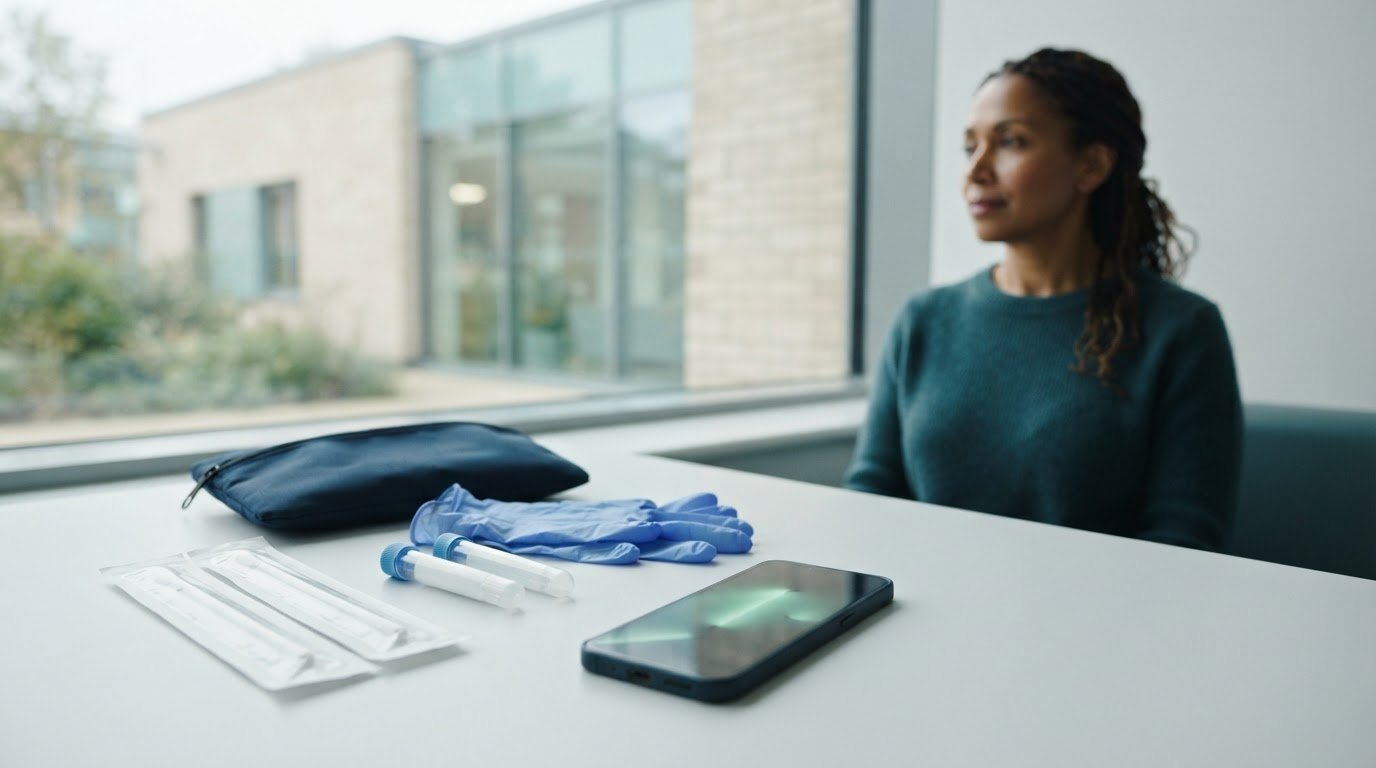
The service provided by mrsatest.co.uk is designed to be as streamlined as possible. Once you order your kit, it arrives in discreet packaging with everything you need to collect a valid sample. The process is simple: you perform the swabs yourself following the clear instructions provided, then return them to our accredited UK laboratory using the pre-paid envelope. Because we utilize rapid PCR technology, you’ll receive your results within 24 hours of the lab receiving your sample. This speed is a significant benefit of at home test kits in the UK, providing clinical accuracy with the convenience of a non-clinical environment. Your data is handled with strict confidentiality, ensuring your medical information remains secure and private throughout the diagnostic journey.
Making an Informed Choice
Many mothers find that the cost of a private test is a worthwhile investment when compared to the emotional weight of pre-surgery anxiety. Knowing your status early means you can walk into your NHS pre-op appointment already prepared. If your private result is positive, you can inform your midwife or consultant immediately, allowing them to provide your decolonisation kit sooner. Most clinical teams welcome this proactive engagement, as it demonstrates a commitment to hospital safety and ensures your birth plan remains on track. Sharing your laboratory report with your medical team is straightforward and helps bridge the gap between your private health management and your hospital care.
If you’re ready to take this proactive step for your delivery, the next move is ordering your confidential MRSA test kit. This simple action provides the professional oversight you need to ensure a safe, infection-free environment for your C-section. By choosing mrsa screening before c-section on your own terms, you gain the peace of mind that comes from being fully prepared for your child’s arrival.
Preparing for a Confident and Safe Delivery
Preparing for your baby’s arrival involves many logistics, and mrsa screening before c-section is one of the most effective safety measures you can take. By identifying and managing bacterial carriage early, you protect your surgical recovery and ensure your newborn’s first days are spent in a healthy, secure environment. Remember that a positive result isn’t a medical setback; it’s simply a clinical roadmap that allows your medical team to provide the most targeted care possible. These routine checks are a standard part of modern maternity care, designed to keep the theatre environment sterile for everyone involved.
Gaining clarity on your status well ahead of your hospital appointment removes the stress of last-minute surprises. You can order your private MRSA screening kit for peace of mind before your C-section to take control of your pre-operative health from the comfort of home. Our service provides fast PCR results within 24 hours of receipt, all processed through an accredited UK laboratory. With discreet home delivery and collection, you can complete this vital step with quiet competence and complete confidence. We’re here to support you in achieving a smooth, infection-free transition into motherhood.
Frequently Asked Questions
Will a positive MRSA test delay my C-section?
No, a positive result typically won’t delay your planned surgery. Hospitals view a positive swab as a manageable clinical finding rather than a reason for cancellation. If you test positive, you’ll simply start a five-day decolonisation routine to clear the bacteria from your skin. On the day of your delivery, the medical team will also use specific antibiotics to ensure the procedure remains safe for you and your baby.
How long before my surgery should I be screened for MRSA?
NHS protocols usually schedule mrsa screening before c-section between 72 hours and one week before your delivery date. This timing ensures the results are current for your surgery. If you’re using a private service, testing two to three weeks in advance is often helpful. This provides a comfortable buffer to complete decolonisation treatment without the stress of an imminent hospital admission.
Can I pass MRSA to my baby through breastfeeding?
MRSA isn’t passed through breast milk, but it can be transmitted through skin-to-skin contact if you’re colonised. You can continue breastfeeding safely by maintaining high standards of hand hygiene and keeping any active skin lesions covered. Your clinical team will provide specific advice on how to bond with your baby safely while completing your decolonisation treatment, ensuring your newborn remains protected.
What does the MRSA decolonisation treatment involve?
The treatment is a straightforward five-day routine performed at home. It involves using a specialized antimicrobial body wash for daily showers and hair washing, alongside an antibiotic nasal cream applied three times a day. You’ll also be advised to use fresh towels and bedding daily during this period. This simple process is highly effective at reducing the bacterial load on your skin before you enter the operating theatre.
Is the MRSA swab test safe during pregnancy?
Yes, the swab test is completely safe and non-invasive for both you and your baby. It only involves gently rubbing a sterile cotton bud over the surface of the skin in areas like the nostrils, throat, and groin. There are no needles, medications, or internal examinations involved. It’s a quick and painless procedure that provides vital safety information for your upcoming surgical delivery.
Do I need to be screened again if I’ve had MRSA before?
Yes, a history of MRSA makes mrsa screening before c-section even more important. Even if you’ve been cleared in the past, it’s possible to become re-colonised from the environment or other people. Hospitals need to know your current status to ensure they use the most effective antibiotics during your surgery. A fresh screen provides the clinical team with the certainty they need to manage your care safely.
What is the difference between a PCR and a Culture MRSA test?
A PCR test looks for the genetic material of the bacteria and provides results within 24 hours of the lab receiving your sample. A Culture test involves growing the bacteria in a laboratory, which typically takes 48 to 72 hours. PCR is the superior choice for mothers who need rapid results or who are close to their surgery date, as it offers much faster peace of mind.
Can I get an MRSA test kit delivered to my home in the UK?
You can certainly have a professional MRSA test kit delivered to your home anywhere in the UK. This service provides a discreet way to manage your pre-operative health without extra hospital visits. After ordering, you’ll receive a kit with clear instructions for swabbing. You then return the samples to an accredited laboratory in a pre-paid envelope, receiving your results quickly and privately through a secure process.