
Did you know that nearly 9% of women develop a surgical site infection after a Caesarean delivery, with the vast majority of these issues appearing only after they’ve returned home? While these figures might feel daunting, proactive steps like mrsa screening for c-section are designed to significantly reduce these risks. It’s a simple precautionary measure that ensures your surgical environment remains as sterile and safe as possible for both you and your baby.
We understand that the lead-up to a birth is often filled with a mix of excitement and anxiety about hospital protocols. You might worry that a positive result could delay your delivery or indicate a serious illness, but the reality is much more manageable. In this guide, you’ll learn why screening is a vital safety standard, what happens if you’re identified as a carrier, and how you can obtain fast, accredited results privately. We’ll show you how to navigate the process with confidence so you can focus on a healthy, predictable start for your new family.
Key Takeaways
- Understand why mrsa screening for c-section is a vital safety standard used to identify antibiotic-resistant bacteria before your delivery.
- Learn about the simple, non-invasive swabbing process used to check for colonisation without the need for needles or blood tests.
- Discover the important difference between being a carrier and being ill, and what a positive result actually means for your surgery.
- Find out how identifying skin bacteria before your procedure helps prevent common post-operative infections for both mother and baby.
- Explore how to secure private, accredited laboratory results in as little as 24 hours to ensure your planned delivery proceeds without delay.
What is MRSA Screening for C-Section and Why is it Routine?
Safety is the absolute priority during any surgical procedure, and your Caesarean section is no different. One of the most common steps in your preparation is a screening for Methicillin-resistant Staphylococcus aureus (MRSA). While the name sounds clinical and perhaps a bit intimidating, it simply refers to a common strain of bacteria that has developed resistance to some standard antibiotics. In the UK, many people carry these bacteria on their skin or in their nose without ever knowing it. This is known as colonisation. For a healthy person, it rarely causes any issues. However, during a C-section, the skin is broken, which provides a potential entry point for bacteria to cause an infection.
Hospitals perform mrsa screening for c-section to ensure that if you are carrying the bacteria, the medical team can take proactive steps. It’s a standard part of modern maternity care. Testing positive doesn’t mean you are ill or that you have poor hygiene. It simply means that your body is currently a host for the bacteria. Because MRSA is resistant to common antibiotics like methicillin, doctors need to know your status in advance. This allows them to select the most effective preventative treatments to keep you and your baby safe during and after the birth.
The Goal of Pre-Operative Screening
The primary objective of this screening is to protect the sterile environment of the operating theatre. When the surgical team knows a patient’s status, they can implement specific protocols to prevent the spread of resistant bacteria to other patients or staff on the maternity ward. For you, a positive result allows your doctors to provide a simple decolonisation treatment. This usually involves an antiseptic body wash and a nasal cream used for a few days before your surgery. These steps significantly lower the risk of the bacteria causing a surgical site infection after the procedure. Using mrsa screening for c-section as a preventative tool ensures that the surgical team can take every necessary precaution before the first incision is even made.
When Does the Screening Usually Take Place?
For a planned delivery, screening usually happens about one to two weeks before your surgery date. It’s a key item on your pre-op health checklist, often carried out at a pre-assessment clinic. If you require an emergency C-section, there isn’t always time for a pre-op screen. In these cases, the medical team may take swabs during the procedure and start preventative measures immediately based on your clinical history and local hospital guidelines. This ensures that even in unexpected situations, your safety remains the central focus. Most women find the process quick and non-disruptive to their birth plan.
The Risks of MRSA for Mother and Baby During Surgery
A Caesarean section is a major abdominal surgery that involves a significant incision through several layers of tissue. While your skin acts as a natural barrier against pathogens, this incision creates a direct entry point for bacteria. If MRSA is present on the skin surface during the procedure, it can migrate deep into the wound. Because MRSA is resistant to many common antibiotics, an infection can be much harder to manage than one caused by standard bacteria. This is why mrsa screening for c-section is so critical; it identifies potential risks before the first cut is made.
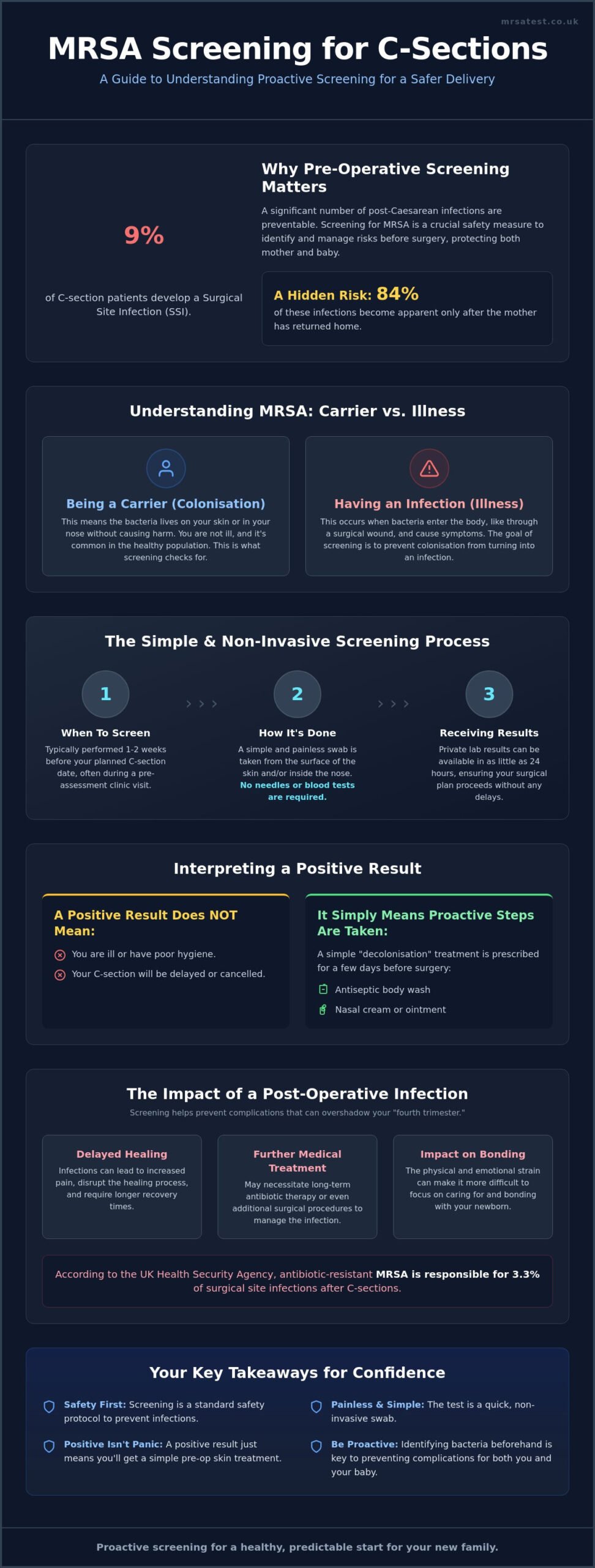
Recent data indicates that approximately 8.9% of women undergoing a C-section develop a surgical site infection. Interestingly, a study found that 84% of these infections only become apparent after the mother has been discharged from the hospital. While many infections are superficial, the proportion caused by MRSA has seen a slight increase, rising to 3.3% in the 2024-2025 period according to the UK Health Security Agency. These infections aren’t just a medical hurdle; they represent a significant emotional and physical burden during a time when you should be focusing on your recovery and your newborn.
Surgical Site Infections (SSI) and Recovery
An infection at the incision site can severely disrupt your recovery. It often leads to increased pain, delayed wound healing, and in some cases, the need for further surgical intervention or long-term antibiotic therapy. This can cast a shadow over the “fourth trimester,” making the physical demands of breastfeeding and bonding more difficult. It’s much easier to prevent an infection through pre-operative decolonisation than it is to treat an established MRSA infection while caring for a new baby. Taking a proactive approach with an at-home screening kit can provide the clarity needed to avoid these complications.
Protecting the Newborn and the Maternity Environment
Newborn babies have immature immune systems, making them particularly vulnerable to resistant bacteria. While rare, MRSA can be transmitted from mother to baby, potentially leading to skin infections or more serious systemic issues. Beyond individual safety, maternity wards are shared spaces. Proactive screening helps mitigate the risk of hospital-acquired infections, ensuring that the environment remains safe for all families. By confirming your status, you aren’t just protecting yourself; you’re helping maintain a safe “bubble” for every mother and infant on the ward. This collective safety is a cornerstone of modern obstetric care.
How the MRSA Swab Test for C-Section is Performed
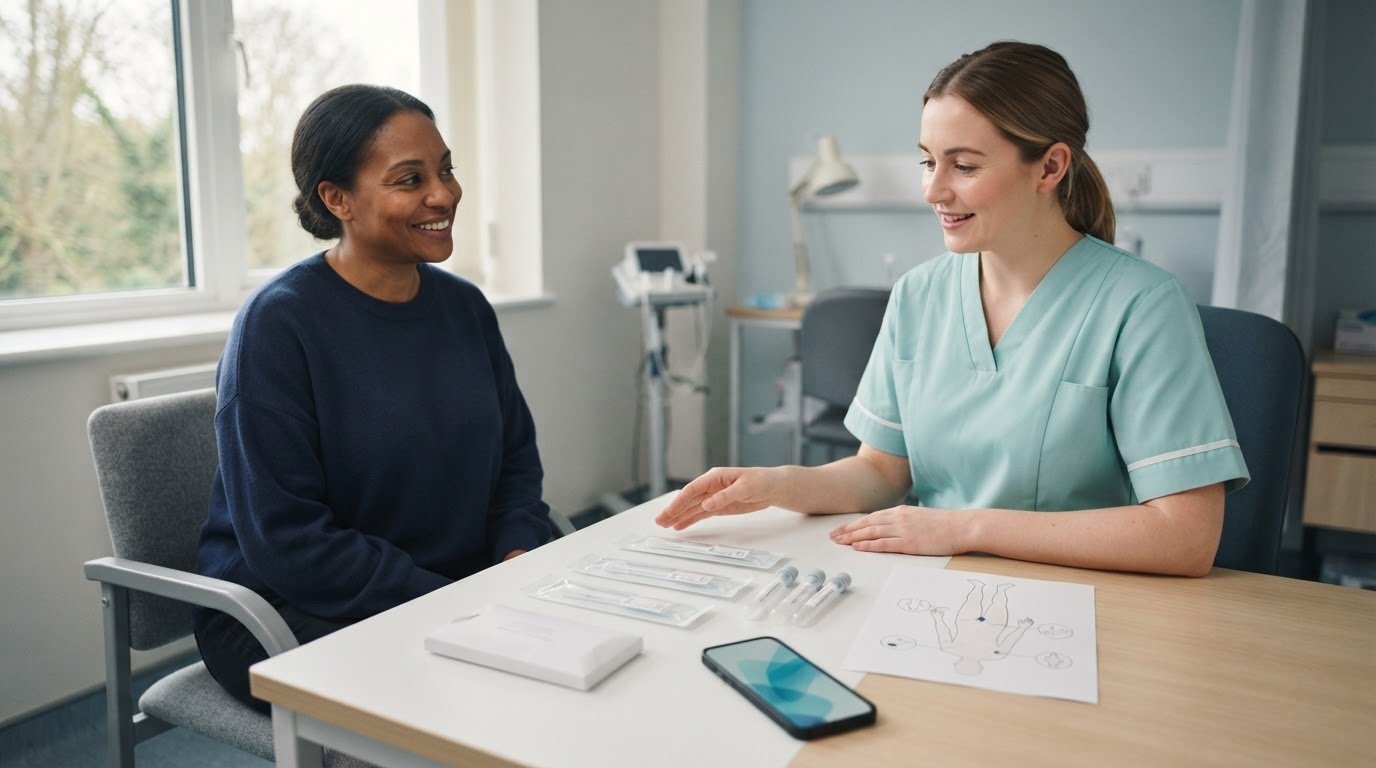
One of the most reassuring aspects of the screening process is how straightforward it is. Unlike many other pre-operative checks, there are no needles, blood draws, or invasive procedures involved. A mrsa screening for c-section simply requires taking small samples from the areas of the body where bacteria are most likely to live. These primary sites typically include the nostrils and the groin. In some cases, your clinical team might also request swabs from the throat or the axilla, which is the medical term for the armpit.
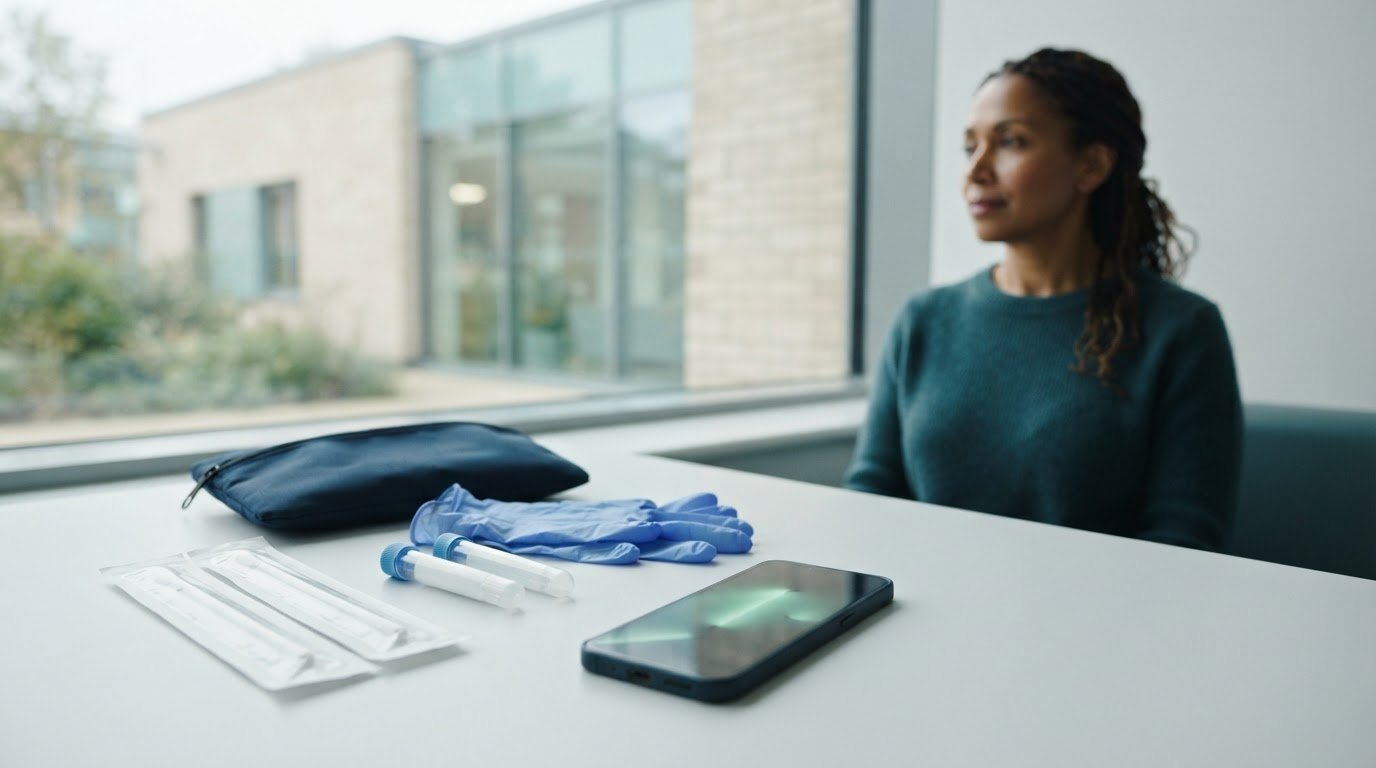
Using an at-home collection kit simplifies this step significantly. For expectant mothers, avoiding an extra trip to a busy hospital clinic reduces both stress and exposure to other germs. These professional-grade kits provide everything you need to collect a high-quality sample in the privacy of your own home. By following the provided instructions carefully, you ensure the laboratory receives a clear specimen for analysis, which is essential for accurate results before your surgery date.
Step-by-Step Self-Collection Guide
Collecting your own samples is a quick process that takes only a few minutes. Before you begin, it’s vital to wash your hands thoroughly with soap and water. Lay out the sterile swabs and transport tubes on a clean surface to keep everything organized.
- The Nostrils: Remove the swab from its packaging, being careful not to touch the tip. Insert the tip gently into one nostril and rotate it against the inside surface for 5 to 10 seconds. Repeat the same process in the other nostril using the same swab.
- The Groin: Use a second swab to sweep across the skin fold where your leg meets your torso. This area is a common site for bacterial colonisation because it’s warm and moist.
- Securing the Sample: Place each swab immediately back into its transport tube containing the medium that keeps the sample viable. Ensure the caps are tightened securely and that each tube is labeled correctly with your details.
Tips for an Accurate Sample
To get the best result from your mrsa screening for c-section, timing and technique matter. You should avoid using any antiseptic creams, ointments, or nasal sprays for at least 24 hours before you take the swabs. These products can interfere with the bacteria and lead to an inconclusive result. When swabbing, ensure the tip makes firm contact with the skin or mucosal surface; a light touch may not pick up enough material for the lab to test. Sterile collection is the process of gathering a sample without introducing outside contaminants, and it’s the key to preventing false negatives. Once finished, use the prepaid return packaging to send your samples to the accredited laboratory as soon as possible.
Interpreting Your Results: What Happens if You Test Positive?
Receiving your results is a significant milestone in your surgical preparation. A ‘Negative’ result is straightforward; it means the laboratory didn’t detect MRSA colonisation at the time of swabbing. You can proceed with your surgery as planned, following your hospital’s standard hygiene protocols. A ‘Positive’ result often causes unnecessary alarm, but it’s vital to remember that being positive for MRSA doesn’t mean you are sick or have an active infection. It simply means the bacteria are living on your skin surface. Most importantly, a positive mrsa screening for c-section rarely leads to your surgery being cancelled. Instead, it triggers a proactive safety plan to ensure your delivery remains safe for you and your baby.
The Decolonisation Process Explained
If you test positive, your clinical team will prescribe a decolonisation protocol. This is typically a five-day course designed to clear the bacteria from your skin and nose before you enter the operating theatre. The treatment usually involves using a chlorhexidine-based antiseptic body wash and a mupirocin nasal ointment. The wash targets bacteria on the skin, while the ointment clears the bacteria from the nostrils, which is their most common hiding spot.
During this five-day period, it’s essential to launder your bedding, towels, and clothing frequently to prevent re-colonisation from your environment. While this adds a few extra tasks to your pre-op week, understanding MRSA screening helps reduce the stigma often associated with a positive result. It’s a common condition, and following the protocol is a simple act of preparation, much like packing your hospital bag or arranging your post-op care.
Standard Culture vs. Rapid PCR Results
The type of test you choose significantly impacts your preparation timeline. Standard culture tests take between 48 and 72 hours because the laboratory must allow any present bacteria to grow in a controlled environment. In contrast, PCR tests are much faster, often providing results within 24 hours. They work by detecting bacterial DNA directly, which offers a much higher level of speed and precision.
Speed is critical if your C-section date is fast approaching. Because the decolonisation treatment requires five full days to complete, you need your results early enough to finish the course before your surgery. If you’re working within a tight pre-op window, a rapid PCR test ensures you have the information you need without the stress of last-minute delays. If you need fast, professional confirmation to stay on track for your delivery, you can order a rapid PCR test kit online for accredited results delivered directly to your home.
Fast and Private MRSA Testing with mrsatest.co.uk
Many women find the prospect of an additional hospital visit for mrsa screening for c-section stressful. Between final scans and midwife appointments, your schedule is already demanding. Choosing an at-home MRSA test offers a convenient, professional alternative. It allows you to collect your samples in a private, comfortable setting and receive results without the need to navigate a busy clinical environment or wait for a hospital appointment slot.
Speed is often the deciding factor when it comes to pre-operative screening. While a standard MRSA Culture test is effective, it requires 48 to 72 hours for the laboratory to confirm a result. Our 24-hour rapid PCR option is specifically designed for urgent pre-op requirements. By detecting bacterial DNA directly, we provide the rapid confirmation needed to start any required decolonisation protocols well before your surgery date. Once processed, your discreet lab report is delivered directly to your inbox. This digital format makes it simple to share your results with your NHS or private surgical team during your pre-assessment.
The mrsatest.co.uk Advantage
We partner with UK-based, accredited laboratories to ensure every test meets the highest clinical standards. This provides total peace of mind that your results are accurate and reliable. Our all-inclusive kits contain everything you need for collection, including sterile swabs and prepaid return shipping. The final reports are clear and easy to read, specifically designed to meet hospital screening requirements. You don’t have to worry about complex medical jargon; we provide the facts you and your surgical team need for a safe delivery.
How to Order Your Kit Today
The ordering process is simple and efficient, designed to support you during a busy time. You can select your preferred test through our secure online platform, and we dispatch kits quickly to ensure they arrive at your door without delay. When choosing between an MRSA Culture or an MRSA Rapid PCR Test, consider your remaining timeline. If your surgery is less than a week away, the PCR option is the most secure choice to ensure you have your results in time. Order your confidential MRSA test kit online today to take a proactive step toward a safe, prepared, and stress-free Caesarean section.
Securing a Safe and Prepared Start for Your Delivery
Whether you choose a standard culture or a rapid DNA-based test, having accredited results ready for your pre-assessment ensures your birth plan stays on track. Our services offer the convenience of discreet home collection combined with the clinical precision of an accredited UK laboratory. If you need fast results to meet a tight surgical deadline, our 24-hour rapid PCR option provides the clarity you need without the hospital wait. Order Your Pre-Surgery MRSA Test Kit Now and take control of your pre-operative care. We’re here to support you through this process, helping you approach your delivery with quiet confidence and total peace of mind.
Frequently Asked Questions
Will a positive MRSA test delay my C-section?
A positive result rarely leads to the cancellation or delay of your surgery. Instead, it allows your medical team to start a simple five-day decolonisation treatment before your procedure. As long as you have enough time to complete this course, your Caesarean will usually proceed as scheduled. The goal is to manage the bacteria proactively rather than letting it become a post-operative complication.
How long before my surgery should I have the MRSA screen?
You should ideally arrange your mrsa screening for c-section approximately 10 to 14 days before your planned delivery date. This timeframe is essential because it accounts for laboratory processing and allows for the full five-day treatment if you test positive. If you are using a rapid PCR test, you can afford a slightly tighter window, but early testing is always recommended for peace of mind.
Can I pass MRSA to my baby during a C-section?
Transmission is possible but rare. Newborns have developing immune systems, which makes them more susceptible to bacteria present on a mother’s skin during birth. By identifying your status through screening, the surgical team can take specific precautions to protect your baby. This proactive approach significantly lowers the risk of your newborn developing skin infections or other bacterial issues after delivery.
What does the MRSA decolonisation treatment involve for pregnant women?
The treatment is a straightforward five-day hygiene protocol that is safe to use during pregnancy. It typically consists of using a special antiseptic body wash and applying a prescribed antibiotic cream inside your nostrils. These steps work together to reduce the amount of bacteria on your body. You’ll also be advised to use fresh towels and bedding daily during the treatment to ensure the bacteria are fully cleared.
Is the MRSA swab test painful?
The test is completely painless and non-invasive. It involves using soft, sterile swabs to gently collect samples from the surface of your skin and the inside of your nostrils. There are no needles or blood samples required for this process. Most women describe the sensation as a slight tickle, and the entire collection takes less than a minute to complete in a private setting.
Can I do my MRSA screening at home privately?
Yes, you can perform your mrsa screening for c-section at home using a professional collection kit. This is a popular choice for many expectant mothers who want to avoid extra hospital visits. These kits provide everything you need to collect a sterile sample privately. Once you’ve taken your swabs, you simply use the prepaid packaging to send them directly to an accredited laboratory for analysis.
How accurate are at-home MRSA test kits for surgery?
At-home kits are highly accurate because they utilise the same accredited UK laboratories used by healthcare providers. The results are clinically valid and suitable for your pre-operative assessment. PCR tests are particularly reliable, as they look for the specific DNA of the bacteria, providing a definitive answer. This ensures your surgical team has high-quality data to support your safe delivery.
What happens if I test positive for MRSA on the day of my C-section?
If your status is only confirmed on the day of surgery, your medical team will implement immediate safety measures. They may administer specific antibiotics during the procedure and start your decolonisation treatment after the birth. While the situation is managed differently than a planned treatment, the hospital staff are well-trained to handle these scenarios. Their focus remains on preventing infection and ensuring a healthy recovery for both you and your baby.