

Blog
Can I Get an MRSA Test From My GP? UK Screening Options Explained
Apr
Imagine you’ve waited 18 weeks for a planned surgery, only to have the procedure cancelled at the last minute because of an unexpected MRSA colonisation. This is a stressful reality for many patients across the UK who face the anxiety of hospital delays. You’re likely asking, “can i get an mrsa test from my gp” to ensure you’re clear before your admission date. It’s common to feel confused about whether a skin issue is a minor infection or a colonisation that requires treatment. We agree that waiting for an appointment shouldn’t stand in the way of your recovery.
This article explains how to access MRSA testing through your GP and why private home screening is often the faster choice for pre-surgery clearance. You’ll learn about the different screening options available, including the MRSA PCR rapid test for molecular detection in 24 hours. We’ll outline the steps to get a quick confirmation of your status using a UKAS-accredited laboratory, helping you avoid surgery delays and gain peace of mind from the comfort of your own home. We provide a clear look at NHS protocols versus discreet, professional testing alternatives.
Key Takeaways
- Understand why you might ask can i get an mrsa test from my gp and why standard NHS protocol often directs pre-surgery screening to hospital clinics.
- Learn how the simple, painless swabbing process identifies bacterial colonisation on the skin before it leads to active symptoms.
- Compare the speed of traditional lab cultures against rapid PCR technology to find the most efficient route for your pre-op clearance.
- Discover how private home testing offers a discreet, UKAS-accredited alternative that bypasses GP wait times and appointment stress.
- Identify the critical scenarios where proactive screening is a vital part of your pre-surgery health logistics and peace of mind.
Can You Get an MRSA Test from Your GP?
If you’re asking, “can i get an mrsa test from my gp”, the answer depends on your clinical symptoms rather than a general request for a check-up. While GPs are the primary gateway to NHS care, their role in MRSA testing is strictly defined by regional health protocols. Understanding MRSA helps clarify why these rules are in place. To distinguish between the two states: MRSA colonisation involves the bacteria living on your skin without causing harm, while an active infection occurs when the bacteria enter a wound and cause physical illness.
GPs don’t typically offer routine screening for colonisation. They focus on diagnostic testing for patients who show visible signs of a skin infection. Obtaining a “peace of mind” test through your local surgery is often difficult because of the current strain on NHS resources. If you’re preparing for an upcoming surgery, the responsibility for screening usually rests with the hospital’s pre-assessment clinic rather than your GP surgery. This ensures that the specific requirements of the surgical team are met in a controlled clinical environment.
When a GP will typically order a swab
Your doctor will usually only consider a swab if you present with physical symptoms that suggest a resistant infection. This includes the presence of persistent, red, or painful skin boils and abscesses that haven’t responded to standard antibiotics like flucloxacillin. Testing is also prioritised for patients in high-risk categories, such as individuals who’ve been discharged from long-term care facilities within the last 30 days. Occasionally, a GP might facilitate a request from a surgical team if a hospital pre-op clinic is over capacity, though this is increasingly rare in the current healthcare landscape.
The limitations of NHS GP testing
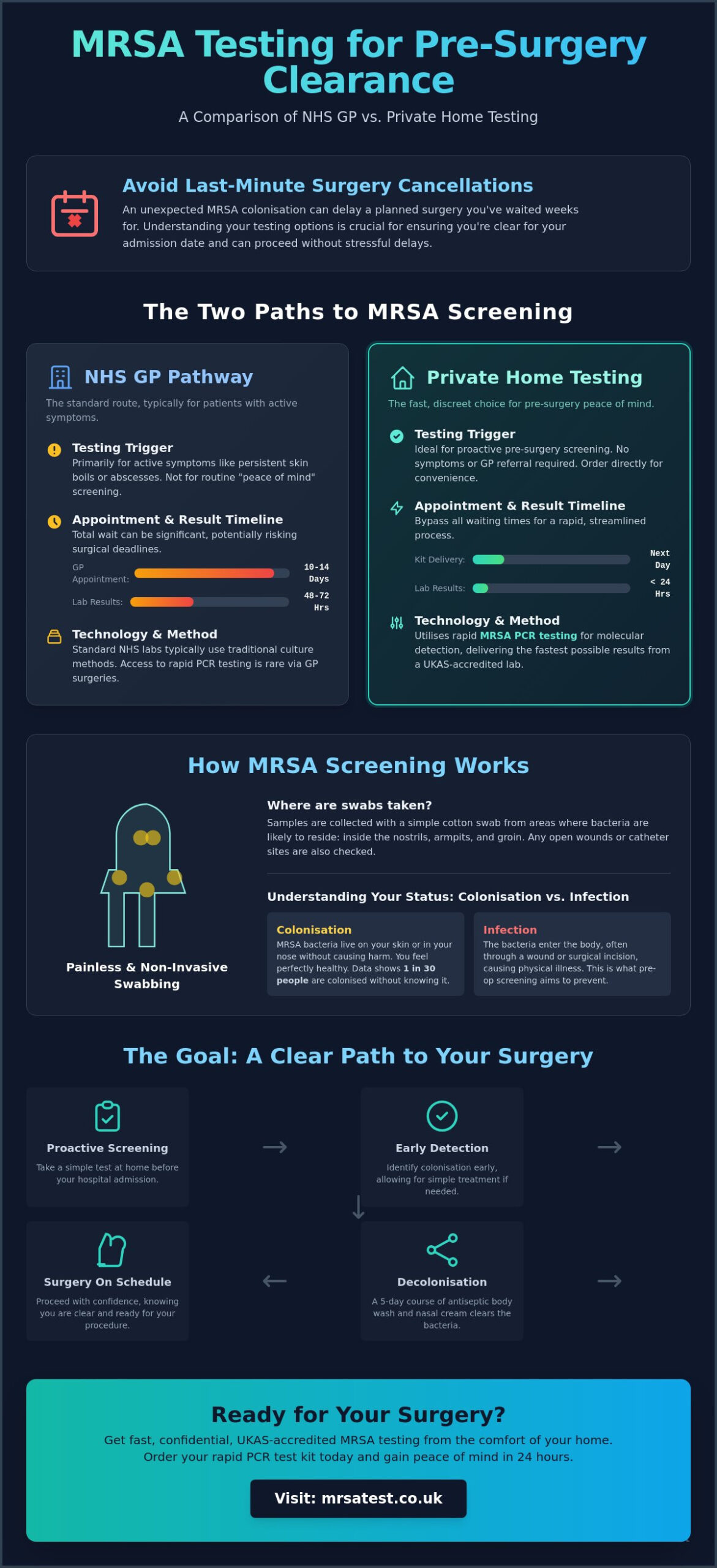
The limitations of asking “can i get an mrsa test from my gp” often centre on speed and laboratory methods. It’s common to wait 10 to 14 days for a routine GP appointment, which can significantly delay the start of the screening process. Most GP surgeries send samples to standard NHS labs that use culture methods; these require 48 to 72 hours to produce a result. GPs rarely have access to rapid PCR testing, which provides molecular detection in under 24 hours. This delay can be problematic if you have a strict surgical deadline or require immediate reassurance about your status. Furthermore, the administrative burden on surgeries often means that “clear” results aren’t always communicated proactively, leaving patients to chase their own information.
Understanding the MRSA Screening Process in the UK
The MRSA screening process is a simple, painless procedure designed to detect the presence of Staphylococcus aureus bacteria. Unlike invasive blood tests, this process uses cotton swabs to collect samples from the skin’s surface. The primary goal is to identify if the bacteria are “colonising” your body. This means the bacteria live on your skin or inside your nose without causing any active illness or visible symptoms. While you might feel perfectly healthy, knowing your status is the first step toward long-term safety.
When you ask, “can i get an mrsa test from my gp”, you’re often looking for peace of mind before a medical procedure. Identifying MRSA early allows for a “decolonisation” treatment. This typically involves using antiseptic body washes and nasal creams for five days to clear the bacteria. Completing this before you enter a sterile hospital environment significantly reduces the risk of the bacteria entering your bloodstream during surgery. For comprehensive details on hospital protocols and safety, you can consult the Official NHS MRSA Guidance.
Where are the swabs taken from?
Clinicians target specific areas where MRSA is most likely to reside. These are usually warm, moist environments that provide the ideal conditions for bacteria to thrive. The most common site is the inside of the nostrils. A swab is gently rotated inside each nostril to collect a sample. Other frequent testing sites include the armpits (axilla) and the groin area. If you have any open wounds, skin breaks, or catheter sites, these will also be swabbed during a comprehensive screen to ensure no area is overlooked.
Colonisation vs. Infection: Why screening matters
There’s a major difference between being colonised and having an infection. Clinical data shows that 1 in 30 people in the UK carry MRSA on their skin or in their nose without knowing it. This state of colonisation isn’t dangerous for a healthy person in daily life. However, if these bacteria enter the body through a surgical incision or a medical device, they can cause a serious infection. This distinction is vital, as we explain in our article, What Is MRSA? Your Complete Guide to Symptoms, Causes & Risks.
A “screening” swab looks for bacteria on healthy skin to prevent future problems. In contrast, a “diagnostic” swab is used when a doctor suspects an active infection, such as an inflamed or weeping wound. Screening acts as a preventative shield, ensuring that harmless skin bacteria don’t become life-threatening complications. If you prefer to check your status privately, you can order a discreet at-home test to get fast, accurate results from a UKAS-accredited laboratory.
GP vs. Private Home Testing: Speed, Convenience, and Accuracy
Choosing between a GP appointment and a private test depends on your specific needs for speed and privacy. While many patients ask, “can i get an mrsa test from my gp?”, the answer often involves waiting for a non-urgent appointment. Private home testing removes the need for these face-to-face visits, reducing the stress of travel and clinical environments. This option allows you to manage your health screening quietly and efficiently from your own home.
The technology used in testing makes a significant difference. PCR (Polymerase Chain Reaction) technology offers a major speed advantage over traditional lab cultures. Instead of waiting for bacteria to grow in a petri dish, PCR identifies the specific DNA of the bacteria. This molecular detection is highly precise and reduces wait times. You can find detailed NHS information on MRSA which explains how the bacteria colonises the skin, making surface swabs an effective method for detection whether they’re performed in a clinic or at home.
Accuracy remains a top priority for any medical screening. Clinical evidence suggests that self-collection kits are highly reliable when you follow the provided instructions. The process involves simple swabs of the nose, throat, and groin. Because MRSA lives on the skin surface, a clinician-led swab doesn’t inherently offer better access to the sample than a well-performed self-test. Our kits use UKAS-accredited facilities to ensure every sample meets strict clinical standards for your peace of mind.
Comparing result timelines
Time is often the deciding factor for those facing upcoming hospital admissions. An NHS culture test typically requires 3 to 5 working days once the lab receives the sample. In contrast, a private rapid PCR test often provides results within 24 hours of lab receipt. This speed is critical if your surgery date is less than a week away. Waiting for a GP appointment and then a lab culture can sometimes take 10 to 14 days in total, which is often too slow for pre-operative requirements.
The convenience of at-home collection
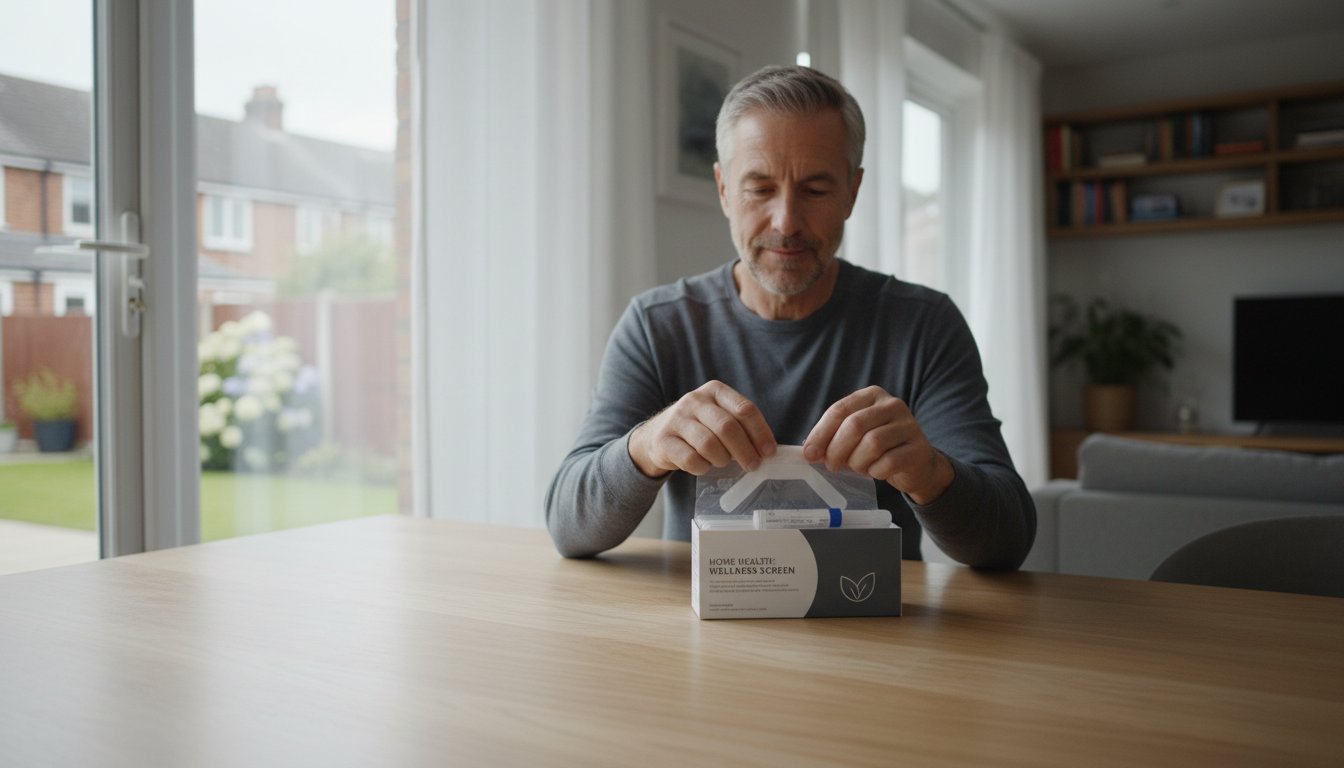
At-home testing prioritises your comfort and schedule. The process is simple: you’ll receive a kit with clear instructions, perform the swabs in private, and use the prepaid return shipping to send your sample to our laboratory. Everything arrives in discreet packaging to maintain your total confidentiality. This method avoids the hassle of booking time off work or sitting in a crowded waiting room. For a deeper look at your choices, read our At-Home Test Kits UK: The Complete Guide for 2026.
When Should You Consider an MRSA Test?
While you might ask “can i get an mrsa test from my gp” because you feel unwell, screening is often most valuable when you feel completely fine. Proactive testing identifies if you are “colonised,” which means the bacteria lives on your skin without causing an active infection. This is a critical step for anyone following a Preparing for Surgery Checklist. Identifying the bacteria early prevents you from unknowingly carrying it into a sterile operating theatre where it could cause serious complications.
MRSA testing is not just for the elderly or the infirm. Healthy individuals, including athletes and young professionals, can carry the bacteria. You should also consider a test if you’ve recently spent more than 48 hours in a hospital setting. Screening provides peace of mind for your family, ensuring you don’t bring healthcare-associated infections back to vulnerable relatives or children at home.
Pre-surgery requirements
Most UK hospitals require a negative MRSA result within a specific window, usually 4 weeks, before an elective procedure. If you test positive for colonisation, you’ll need to follow a decolonisation protocol. This typically involves using special antibacterial body washes and nasal ointments for 5 days. Waiting for the NHS to screen you can sometimes lead to last-minute stress. Using a private test allows you to start the decolonisation process earlier, which helps you avoid frustrating surgery delays or cancellations.
Recurrent skin issues and infections
MRSA often presents in ways that mimic less serious conditions. Many people mistake MRSA for “spider bites” or persistent “ingrown hairs” because the infections often look like red, swollen, or painful bumps. If you experience recurring boils or abscesses, a test is necessary to rule out resistant bacteria. You should also seek screening if you live with someone who has a confirmed MRSA infection, as the bacteria spreads easily through shared towels or bedding. To help identify your symptoms, you can refer to A Visual Guide to Common Skin Infections.
If you need fast, reliable results for surgery or personal health, you can order a discreet MRSA home test kit today and receive your results from a UKAS-accredited lab.
Fast, Confidential MRSA Testing with mrsatest.co.uk
While you may find yourself asking “can i get an mrsa test from my gp” before a scheduled surgery, the reality of NHS wait times often creates unnecessary stress. We provide a streamlined, professional alternative that prioritises your timeline. Our service delivers UKAS-accredited laboratory results without the need for a GP appointment or long waits in a clinic. It’s the logical solution for patients who need to confirm their colonisation status quickly to avoid postponed procedures.
You can choose between two primary testing methods depending on your urgency. Our standard culture tests are ideal for routine screening, while our MRSA PCR rapid test option provides molecular detection in just 24 hours. Each kit contains everything required for a clinical-grade swab, including clear instructions to ensure you collect a high-quality sample from the comfort of your own home. This efficiency is vital for urgent surgical preparation where every day counts.
Why trust our home testing kits?
Our kits aren’t just convenient; they’re built on clinical excellence. We partner with the same accredited laboratories used by private healthcare providers across the United Kingdom. When you use our service, you’re accessing the same level of diagnostic precision you’d expect from a hospital setting. This ensures your results are robust and reliable.
- UKAS-Accredited Processing: Every sample is analysed in a 100% UK-based facility that adheres to strict national quality standards.
- Professional Reporting: You’ll receive a clear, easy-to-read results report. These documents are formatted to be shared directly with your surgeon or GP to facilitate your care.
- Expert Support: Our team provides dedicated assistance to help you understand your results and determine the correct next steps for decolonisation if needed.
When considering “can i get an mrsa test from my gp” in a hurry, it’s worth noting that a positive result doesn’t have to be a setback. By testing early with a trusted provider, you gain the time needed to complete treatment before your operation date.
How to get started today
Our online ordering process is designed to be simple and efficient. We offer next-day delivery options because we understand that medical requirements are often time-sensitive. Discretion is at the heart of what we do; all kits are sent in plain packaging to protect your privacy throughout the process. Your data is fully protected, and results are delivered only to you via our secure system.
Don’t let screening delays interrupt your healthcare journey. Take control of your preparation with a fast, reliable, and discreet service that fits your schedule.
Take Control of Your MRSA Screening Today
While you might wonder, “can i get an mrsa test from my gp“, the reality is that NHS testing is often reserved for high-risk patients or those awaiting surgery. If you need peace of mind without the wait, private screening offers a faster, more discreet alternative. You don’t have to navigate complex appointment systems to get the answers you need. Our service provides 100% UK-based support and utilizes UKAS-accredited laboratories for every sample. For those in a hurry, we offer a 24-hour Rapid PCR testing option that delivers molecular detection with clinical precision. This ensures you receive accurate results from the comfort of your own home, maintaining your privacy throughout the entire process. By choosing a professional home test kit, you bypass the limitations of local clinics while benefiting from the same high standards of laboratory excellence. It’s a simple, efficient way to manage your health on your own terms. We’re here to help you move forward with confidence.
Order Your Confidential MRSA Home Test Kit Today
Frequently Asked Questions
Is an MRSA test from a GP free on the NHS?
Yes, an MRSA test is free on the NHS if your GP determines there’s a clinical need, such as an active skin infection or specific symptoms. However, if you’re asking “can i get an mrsa test from my gp” for routine screening before a private procedure or for general peace of mind, they may not be able to provide it. Most routine NHS screenings are managed by hospital pre-admission clinics rather than local surgeries.
How long does it take for a GP to get MRSA results back?
It usually takes between 3 and 5 working days to receive your results from a GP surgery. The swabs are sent to a specialist laboratory where technicians monitor them for bacterial growth over several days. While some hospitals use rapid 24-hour molecular tests, these aren’t typically available through standard primary care routes in the UK.
Can I go to work while waiting for an MRSA test result?
You can typically continue to work while waiting for your results if you feel well and don’t have any open, draining wounds. If you work in a high-risk environment like a care home or a hospital, your employer might have specific protocols you need to follow. It’s important to keep any cuts or grazes covered with a waterproof dressing to maintain good hygiene standards during this time.
What happens if my MRSA test is positive before surgery?
If your test returns a positive result, your surgery might be rescheduled while you complete a 5-day decolonisation treatment. This simple process involves using an antibacterial body wash and a specific nasal cream to clear the bacteria from your skin and nose. Following this protocol is vital because it reduces the risk of developing a post-operative infection by approximately 50 percent.
Will my hospital accept a private MRSA test result?
Most UK hospitals accept private results as long as the sample was analysed by a UKAS-accredited laboratory. You’ll need to provide the official laboratory report to your pre-assessment team, ensuring the test was taken within their required window, which is often 4 weeks before your surgery date. It’s a reliable way to ensure you meet hospital requirements without the need for multiple appointments.
Can I test myself for MRSA at home accurately?
You can accurately test yourself at home using a kit that’s processed by a professional, UK-based laboratory. These kits use the same clinical swabs and diagnostic methods found in hospitals, ensuring your results are dependable and precise. It’s a discreet and convenient option that allows you to collect your sample from the comfort of your own home before posting it for expert analysis.
Is MRSA testing mandatory for all NHS surgeries?
MRSA screening isn’t mandatory for every procedure, but it’s required for the majority of elective admissions and high-risk surgeries. This includes operations involving heart valves, joint replacements, or neurosurgery where the risk of infection is higher. Your hospital will notify you during your pre-operative assessment if you’re one of the 80 percent of surgical patients who require screening.
How much does a private MRSA test cost in the UK?
Private MRSA tests in the UK generally cost between £40 and £150 depending on the laboratory and the speed of the service. A standard culture test is usually at the lower end of this scale, while rapid PCR tests that offer results within 24 hours are more expensive. These prices typically include the cost of the sterile swabs, the laboratory analysis, and a secure digital results report.
