Soft Food Diet After Surgery: A Complete Guide with Food Lists & Tips
After a surgical procedure, your primary focus is on healing. However, navigating your nutritional needs can be a significant source of uncertainty. You may be asking: What does ‘soft food’ truly mean? How can I avoid bland, repetitive meals? And most importantly, how can I be certain my food choices are helping, not hindering, my recovery? Understanding the specifics of a soft food diet after surgery is a critical step towards a smooth and complication-free healing process.
This complete guide is designed to provide clarity and confidence during this crucial time. Here, you will discover exactly what to eat-and what to avoid-with our expert-reviewed food lists, simple meal plan ideas, and practical tips. We will show you how to prepare meals that are not only safe and easy to consume but also packed with the nutrients your body needs to repair itself effectively. Let us help you take the guesswork out of your post-operative nutrition for a faster, more comfortable recovery.
Key Takeaways
- Learn how a soft food diet minimises stress on your surgical site and provides essential nutrients to support an efficient healing process.
- Receive clear, categorised lists of nutrient-dense foods to eat and specific items to avoid, helping you prevent complications and reduce discomfort.
- Discover practical tips for preparation and meal planning that make following a soft food diet after surgery simple and stress-free.
- Access a sample 3-day meal plan with simple recipe ideas to eliminate guesswork and ensure you stay nourished throughout your recovery.
Why a Soft Food Diet is Crucial for Your Post-Surgery Recovery
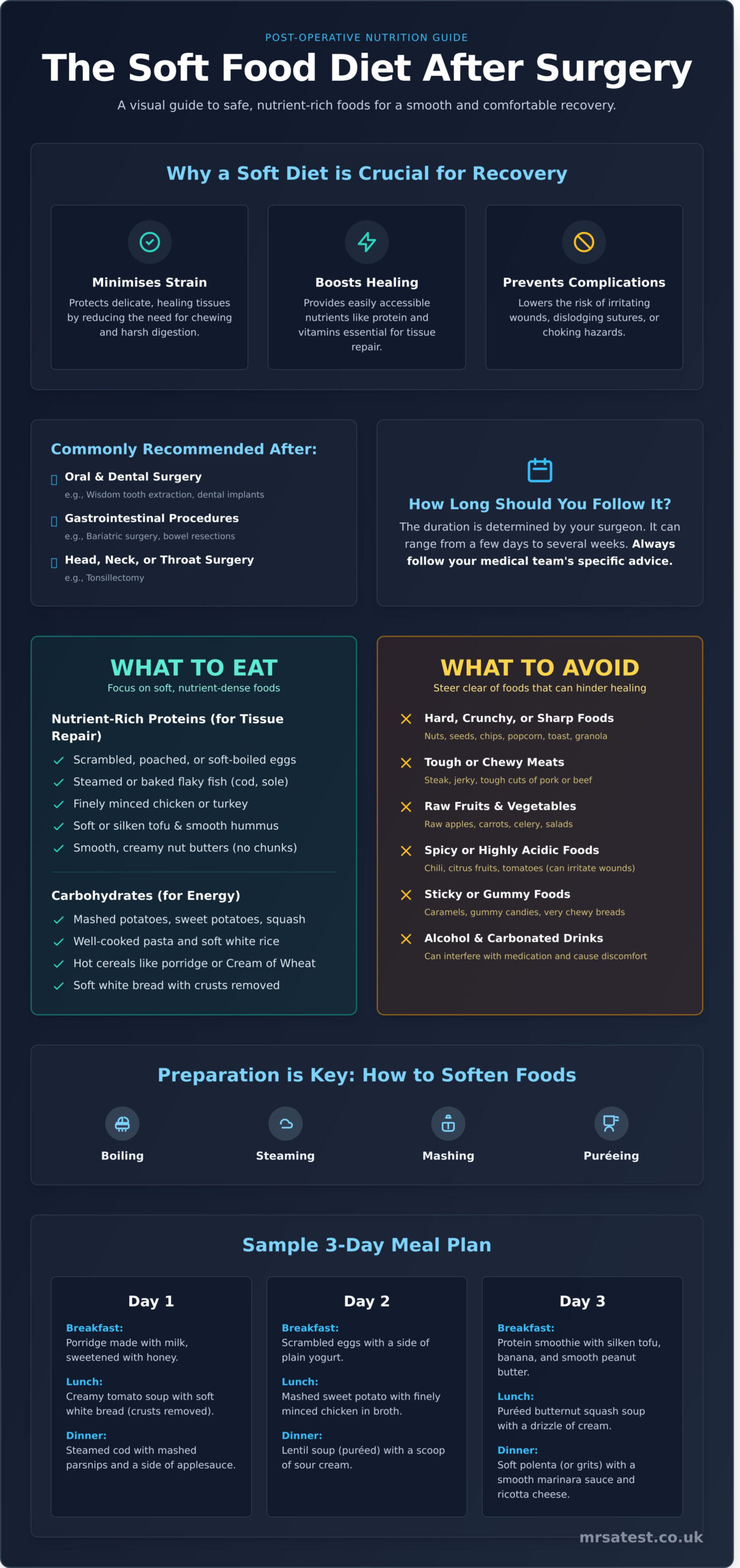
Following a surgical procedure, your body enters a critical phase of healing and repair. A key component of a successful recovery is managing the physical stress placed upon your system, particularly the surgical site. This is the primary purpose of a soft food diet after surgery. By consuming foods that are easy to chew and swallow, you minimise strain on incision sites, especially after oral or gastrointestinal operations. This approach not only protects delicate, healing tissues but also provides your body with the essential fuel it needs to recover efficiently.
The core principle is to make nutrition accessible. A well-planned soft diet reduces the energy your body expends on digestion, allowing more resources to be directed towards healing. Furthermore, it significantly lowers the risk of post-operative complications. Hard, crunchy, or tough foods can irritate wounds, dislodge sutures, or create a choking hazard when swallowing is difficult. A soft diet provides a safe, controlled way to receive nourishment while your body is at its most vulnerable.
The Role of Diet in the Healing Process
Proper nutrition is not just beneficial; it is fundamental to tissue repair. Your body requires specific building blocks to heal effectively. Protein is vital for rebuilding damaged tissues, while vitamins, particularly Vitamin C, are essential for collagen synthesis-the protein that forms scaffolding for new skin and tissue. Adequate hydration is equally important, as water supports cellular function, nutrient transport, and helps flush toxins from your system. The energy derived from easily digestible carbohydrates and fats fuels these intensive biological processes.
Common Surgeries That Require a Soft Diet
While your consultant will provide specific guidance, a temporary soft diet is commonly recommended after a range of procedures. These include:
- Oral and Dental Surgery: Such as wisdom tooth extraction, dental implants, or jaw surgery.
- Gastrointestinal Procedures: Including bariatric surgery, bowel resections, or stomach operations.
- Head, Neck, or Throat Surgery: Any procedure affecting the ability to chew or swallow, such as a tonsillectomy.
It is important to note that even after major surgeries unrelated to the digestive system, a temporary soft food diet can help ease the body back into normal function, especially after general anaesthesia.
How Long Should You Follow a Soft Food Diet?
The duration for following a soft food diet after surgery is determined entirely by your surgeon or medical team. It is tailored to your specific procedure and individual recovery rate. The timeline can range from a few days for minor procedures to several weeks or longer for more extensive gastrointestinal surgeries. Always adhere strictly to the medical advice provided to you. Attempting to reintroduce solid foods too early can jeopardise your recovery and lead to unnecessary complications.
Your Approved Food List: What You Can Eat on a Soft Diet
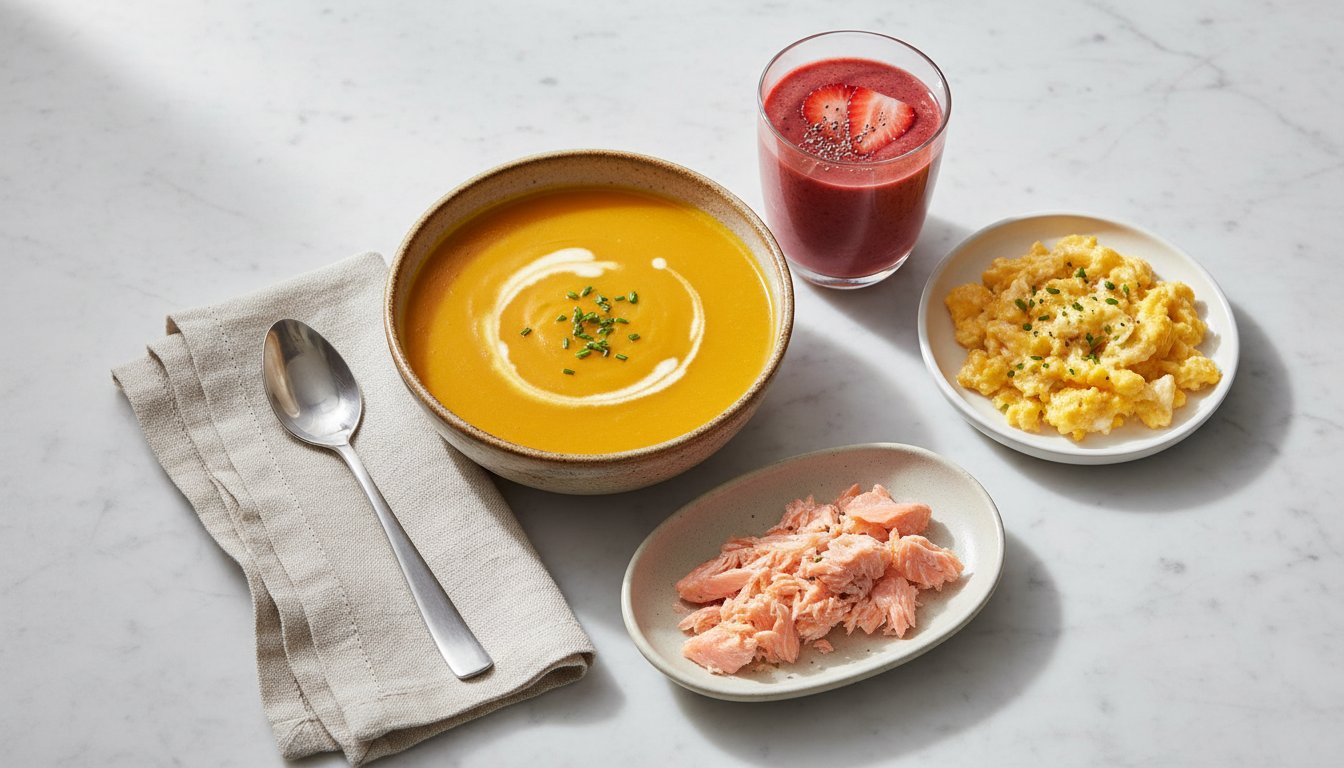
Navigating your meals post-surgery can feel daunting, but a well-planned soft food diet ensures you receive the vital nutrients needed for a smooth recovery. The focus should be on foods that are easy to chew and swallow, while also being rich in protein, vitamins, and energy. The preparation method is just as important as the food itself; steaming, boiling, mashing, and puréeing are your best tools for achieving the right consistency.
Nutrient-Rich Proteins for Tissue Repair
Protein is fundamental for healing wounds and rebuilding tissue after a medical procedure. Choose sources that are naturally tender or can be easily softened.
- Eggs: Scrambled, poached, or soft-boiled are excellent choices.
- Fish: Flaky white fish such as cod, sole, or plaice, either steamed or baked until tender.
- Poultry and Meat: Finely minced chicken or turkey, served in a broth, soup, or a smooth sauce.
- Plant-Based Proteins: Soft or silken tofu, smooth hummus, and creamy, smooth nut butters (ensure no chunks).
Easy-to-Digest Carbohydrates for Energy
Your body requires energy to heal, and carbohydrates are the primary source. Select refined or well-cooked options that are gentle on your digestive system.
- Mashed Vegetables: Potatoes, sweet potatoes, butternut squash, or parsnips, boiled and mashed until smooth.
- Grains: Well-cooked pasta, soft white rice, and hot cereals like porridge or Cream of Wheat.
- Breads: Soft, white bread with crusts removed. Avoid any breads with seeds, nuts, or coarse grains.
Cooked Fruits and Vegetables for Vitamins
Vitamins and minerals are crucial for immune function and overall recovery. Raw produce is often too fibrous, so cooking is essential. For a comprehensive guide, this Official soft diet food list provides further trusted examples. Focus on items that can be mashed or puréed.
- Soft Fruits: Smooth applesauce, mashed ripe bananas, and ripe avocados. Canned fruits like peaches or pears packed in juice (not heavy syrup) are also suitable.
- Cooked Vegetables: Carrots, spinach, and courgettes that have been steamed or boiled until very soft and then mashed or puréed.
- Liquids: Smoothies made without seeds or skins, and strained vegetable juices.
Dairy, Soups, and Hydration
Staying hydrated and including calcium-rich foods are key components of your soft food diet after surgery. These options are often comforting and require minimal effort to consume.
- Dairy: Plain yoghurt, cottage cheese, milk puddings, and custards.
- Soups: Creamy, broth-based soups such as cream of tomato or chicken. Ensure they are smooth and do not contain large chunks of vegetables or meat.
- Beverages: Water, milk, nutritional supplement drinks, and non-caffeinated herbal teas are vital for hydration.
Foods and Drinks to Strictly Avoid for a Smooth Recovery
While focusing on what you can eat is important, understanding what to avoid is equally critical for a safe recovery. Adhering to the restrictions of a soft food diet after surgery helps prevent unnecessary pain, irritation to healing tissues, and potential complications that could delay your progress. Certain foods can physically damage surgical sites or cause chemical irritation, undermining the healing process.
Hard, Crunchy, and Crumbly Foods
These foods pose a direct physical risk to sensitive or sutured areas. Sharp edges can cut or abrade healing wounds, while small, hard particles can easily become lodged, leading to discomfort, inflammation, or infection. It is essential to completely avoid items such as:
- Nuts and seeds
- Popcorn and crisps
- Hard toast, crackers, and biscuits
- Granola and tough cereals
- Hard sweets or boiled lollies
Tough, Chewy, and Stringy Foods
Foods that require significant chewing place excessive strain on your jaw and any surgical sites, particularly after dental or throat procedures. The goal is to minimise effort and allow the area to rest. This category includes tough meats, fibrous produce, and dense breads.
- Steak, jerky, and tough cuts of meat
- Crusty or chewy breads like baguettes and sourdough
- Tough-skinned fruits
- Raw, fibrous vegetables like celery, raw carrots, or pineapple
Spicy, Acidic, and Highly Seasoned Foods
After a procedure, internal tissues are often inflamed and highly sensitive. Introducing spicy, acidic, or heavily seasoned foods can cause a significant burning sensation, pain, and further irritation. This reaction can hinder healing and cause considerable discomfort. For a detailed overview of what to avoid, the UW Health Surgical Soft Diet Guidelines offer clear recommendations. Be sure to avoid:
- Foods with chilli, hot sauce, or cayenne pepper
- Citrus fruits like oranges, lemons, and grapefruit
- Tomatoes and tomato-based sauces
- Vinegar-based dressings and condiments
Always check ingredient labels on processed foods, as spices and acidic preservatives can often be hidden.
Sample 3-Day Soft Food Meal Plan & Simple Recipe Ideas
To help you navigate your recovery with confidence, we have developed a sample meal plan. This guide is designed to eliminate guesswork and provide a practical, structured approach to your soft food diet after surgery. The focus is on simple, easy-to-prepare meals that are both gentle on your digestive system and nutritionally supportive. Remember to use this as a template; feel free to mix and match meals based on your preferences and how you feel each day.
Day 1: Focus on Gentle Nutrition
Your first full day should prioritise easily digestible foods that provide comfort and essential nutrients without overwhelming your system. These options are mild, low in fat, and simple to prepare.
- Breakfast: Soft-scrambled eggs with a side of mashed avocado for healthy fats.
- Lunch: Creamy tomato soup (choose a low-acid variety) with soft, crustless bread for dipping.
- Dinner: Baked or steamed cod with smooth mashed potatoes and well-steamed, mashed carrots.
- Snacks: Plain Greek yogurt or a pot of smooth applesauce.
Day 2: Introducing More Variety
As your appetite returns, you can begin to introduce a wider range of textures and flavours. Focus on incorporating more fibre and protein to aid the healing process and maintain energy levels.
- Breakfast: Porridge (oatmeal) made with milk or water, topped with mashed banana and a swirl of smooth peanut butter.
- Lunch: A smooth, blended lentil soup served with a side of cottage cheese for a protein boost.
- Dinner: Finely minced chicken in a mild, non-spicy sauce with well-cooked, soft pasta shapes.
- Snacks: Milk pudding or a simple fruit smoothie (banana, yogurt, and milk).
Day 3: Nutrient-Dense Choices
On day three, the goal is to maximise nutrient intake with choices rich in vitamins, minerals, and protein. These meals support tissue repair and help rebuild your strength effectively.
- Breakfast: A high-protein shake or a nutritionally complete meal replacement drink.
- Lunch: Mashed sweet potato topped with soft, shredded chicken poached in a simple broth.
- Dinner: Simple salmon fishcakes (made without breadcrumbs, bound with mashed potato and egg) with a side of pureed peas.
- Snacks: Smooth hummus or a soft cheese like cream cheese or ricotta.
This sample plan provides a clear pathway for your recovery diet. Always listen to your body and adjust portion sizes as needed. If you experience any discomfort, revert to simpler options and consult your GP or surgical team for personalised advice. Proper nutrition is a critical component of a safe and efficient recovery.
Practical Tips for a Hassle-Free Soft Food Diet
Navigating a soft food diet after surgery can feel daunting, but with a little forward planning, you can make the process smooth, comfortable, and stress-free. The key is to prepare your home environment before your procedure so you can focus entirely on your recovery. These practical tips cover shopping, kitchen tools, and other crucial steps for a safe outcome.
Stocking Your Pantry and Fridge
It is highly advisable to do your grocery shopping before your surgery. Having a well-stocked kitchen removes the pressure of needing to shop while you are recovering. Focus on nutrient-dense staples that require minimal preparation.
- Protein Sources: Eggs, Greek yogurt, cottage cheese, and tinned fish like tuna or salmon.
- Liquids: High-quality chicken, beef, or vegetable broth for soups and sipping.
- Fruits and Vegetables: Frozen spinach, peas, carrots, and fruits like bananas and berries are perfect for blending.
- Convenience: Consider purchasing pre-made meal replacement or protein shakes for days when you have very little energy.
Essential Kitchen Tools
You don’t need a chef’s kitchen, but a few key tools will make food preparation significantly easier. A high-speed blender or food processor is invaluable for creating smooth soups, purées, and smoothies. A simple potato masher can soften cooked vegetables, while a fine-mesh sieve is useful for removing lumps from soups or sauces. For ultimate convenience, prepare and blend soups in advance and freeze them in single-serving portions.
Alongside preparing your meals, creating a comfortable and restful environment is essential for healing. Your bed will be your primary place of recovery, so ensuring it is as comfortable as possible can make a significant difference to your wellbeing. For high-quality, comfortable bedding that can aid in your recovery, you can visit مفرشكوم (Mfrashcom) for a range of luxury options.
Creating a Comfortable Recovery Space
Beyond Diet: Preparing for a Safe Surgical Outcome
A proper diet is a critical component of a successful recovery, helping your body heal and preventing complications. However, nutrition is just one piece of the puzzle. Another crucial step in ensuring a safe surgical outcome is proactive screening for potential infections.
Hospitals routinely screen patients for bacteria like MRSA (Methicillin-resistant Staphylococcus aureus) before admission. This is because identifying and managing MRSA colonisation can significantly reduce the risk of developing a serious post-surgical infection. A safe recovery plan involves both what you eat and the preventative measures you take. Learn more about MRSA screening before surgery and understand why this simple, confidential test is an important part of your pre-operative preparation.
Embracing Your Recovery: Final Steps for a Successful Outcome
Navigating your recovery requires careful attention to your nutrition. As we’ve explored, adhering to a well-planned diet of soft, easy-to-digest foods is not about restriction, but about providing your body with the essential fuel it needs to heal efficiently. By understanding which foods to embrace and which to avoid, you can prevent complications and support a smoother healing process. This structured approach to your soft food diet after surgery is a powerful tool in your recovery toolkit.
Just as post-operative care is vital, proactive pre-operative preparation is equally critical for a safe surgical journey. For complete pre-surgery peace of mind, learn why pre-operative MRSA screening is a vital step in your surgical preparation. Our confidential at-home testing service delivers fast, reliable results from a UKAS-accredited lab, ensuring you are fully prepared for your procedure and a successful outcome.
By taking these proactive steps both before and after your procedure, you are setting yourself up for the best possible recovery. We wish you a swift and healthy healing journey.
Frequently Asked Questions
Can I drink coffee after surgery on a soft food diet?
It is essential to consult your surgeon or GP before reintroducing coffee after your procedure. While coffee is a liquid, its acidity and caffeine content can irritate the digestive system or a sensitive surgical site, particularly after oral or gastrointestinal surgery. Some medical professionals may recommend avoiding it initially to prevent dehydration or discomfort. You may be advised to start with decaffeinated tea or warm broths as a gentler alternative.
How can I get enough protein on a soft food diet if I can’t chew meat?
Maintaining adequate protein intake is crucial for healing. On a soft food diet after surgery, focus on sources that require minimal chewing. Options include smooth Greek yoghurt, cottage cheese, scrambled eggs, and well-cooked, flaked fish like cod or salmon. You can also blend silken tofu or protein powder into smoothies and soups. Lentil soup or puréed beans are excellent plant-based protein sources that are easy to consume and digest, supporting your recovery effectively.
Are smoothies a good idea after oral surgery?
Smoothies can be an excellent source of nutrition after oral surgery, provided you consume them correctly. It is critical to avoid using a straw, as the suction can dislodge the blood clot protecting the surgical site, leading to a painful condition known as dry socket. Instead, use a spoon. Blend soft fruits like bananas and berries with yoghurt or a protein powder to create a nutrient-dense meal that is easy to swallow and supports the healing process.
What are the signs I’m ready to transition back to a normal diet?
The primary indicator for transitioning off a soft food diet is clearance from your surgeon or medical team. They will provide a specific timeline based on your procedure and recovery progress. You will also notice signs such as a significant reduction in pain, the ability to open your mouth comfortably, and feeling no discomfort when swallowing soft textures. The transition should be gradual; start by introducing slightly firmer foods, like soft-cooked vegetables or pasta, before attempting harder items.
How do I make soft foods taste better without using harsh spices?
Enhancing flavour is possible without relying on harsh or spicy seasonings that may irritate your system post-surgery. Use mild herbs like basil, parsley, or dill in puréed soups and mashed vegetables. High-quality chicken, vegetable, or bone broth can add a rich, savoury depth to dishes. A small amount of smooth nut butter in porridge, or a swirl of cream or coconut milk in a soup, can also add richness and improve the overall taste and texture.
Can I lose weight on a soft food diet?
Weight loss can occur on a soft food diet as these foods may be less calorie-dense and your appetite might be reduced. However, your body’s primary focus during this period should be on healing, which requires adequate calories, protein, and nutrients. Deliberate calorie restriction is not advised without medical supervision. Prioritise nutrient-dense choices like soups, smoothies, and yoghurts to ensure your body receives the energy it needs for a safe and efficient recovery.
While practices like fasting and exploring alternative dietary philosophies should not be undertaken during a post-surgical recovery period, many people explore these topics once they are fully healed. For those interested in the body’s relationship with food and the concept of living on life force energy, you can visit Ray Maor to learn about his approach.
Similar Posts
Buy Your MRSA Test Kit Online: Fast, Confidential & UK Lab Certified
Preparing for a hospital procedure can be a stressful time, and a mandatory MRSA screening can feel like another hurdle to overcome. The thought of…
At-Home MRSA Test UK: The Complete Guide to Private Screening
The requirement for a negative MRSA screen before surgery can feel like a significant hurdle, especially when potential delays could put your…
MRSA Explained: Causes, Risks, Treatments, and What You Can Do
What Is MRSA? MRSA stands for Methicillin-Resistant Staphylococcus aureus. In plain English, it’s a tough kind of staph germ—something you might have living harmlessly on your skin or in your nose. The tricky part? MRSA has learned to ignore some of the antibiotics that usually work, so treating it isn’t always easy. (CDC) Staph bacteria…
Understanding Blood Tests: A Simple Guide for Patients
Being told you need a blood test can often bring a wave of uncertainty. For many, the thought of a needle, confusion over whether to fast, and the…
What Is a Full Blood Count (FBC) Test?
If your GP has ordered a Full Blood Count, or you’ve seen ‘FBC’ on a lab form, it’s completely normal to have questions and feel a little…
MRSA Culture Test Kit: A Complete Guide for At-Home Screening
Facing an upcoming surgery or simply concerned about a potential MRSA infection can be a source of significant anxiety. Questions about the testing…