Hospital-Acquired Infections (HAIs): A Patient’s Guide to Risks & Prevention
An upcoming hospital stay, whether for yourself or a loved one, naturally brings a mix of hope and anxiety. While you place your trust in the hands of dedicated medical professionals, it’s common to feel a sense of unease about factors you can’t control, particularly the risk of complications that could delay your recovery. Among these concerns, one of the most significant is the potential for developing hospital acquired infections (HAIs), such as MRSA, which can turn a routine procedure into a more challenging experience.
This guide is designed to replace that feeling of uncertainty with one of confident preparation. We believe that knowledge is a crucial part of patient safety. Here, you will find a clear, professional overview of the risks and, most importantly, learn simple, actionable steps you can take before, during, and after your admission. By understanding how to be an active participant in your own care, you can significantly reduce your risk and help ensure your recovery is as smooth and uncomplicated as possible.
Key Takeaways
- Learn how common pathogens spread in healthcare settings and the simple hygiene practices that can significantly reduce your risk.
- Discover the proactive steps you can take before admission, including key questions for your healthcare team, to prepare for a safer hospital stay.
- Actively participate in your care by using our patient and visitor checklist to help prevent hospital acquired infections during your treatment.
- Recognise the key warning signs of a post-discharge infection to ensure you can seek timely medical advice for a safe recovery at home.
What Are Hospital-Acquired Infections (HAIs)?
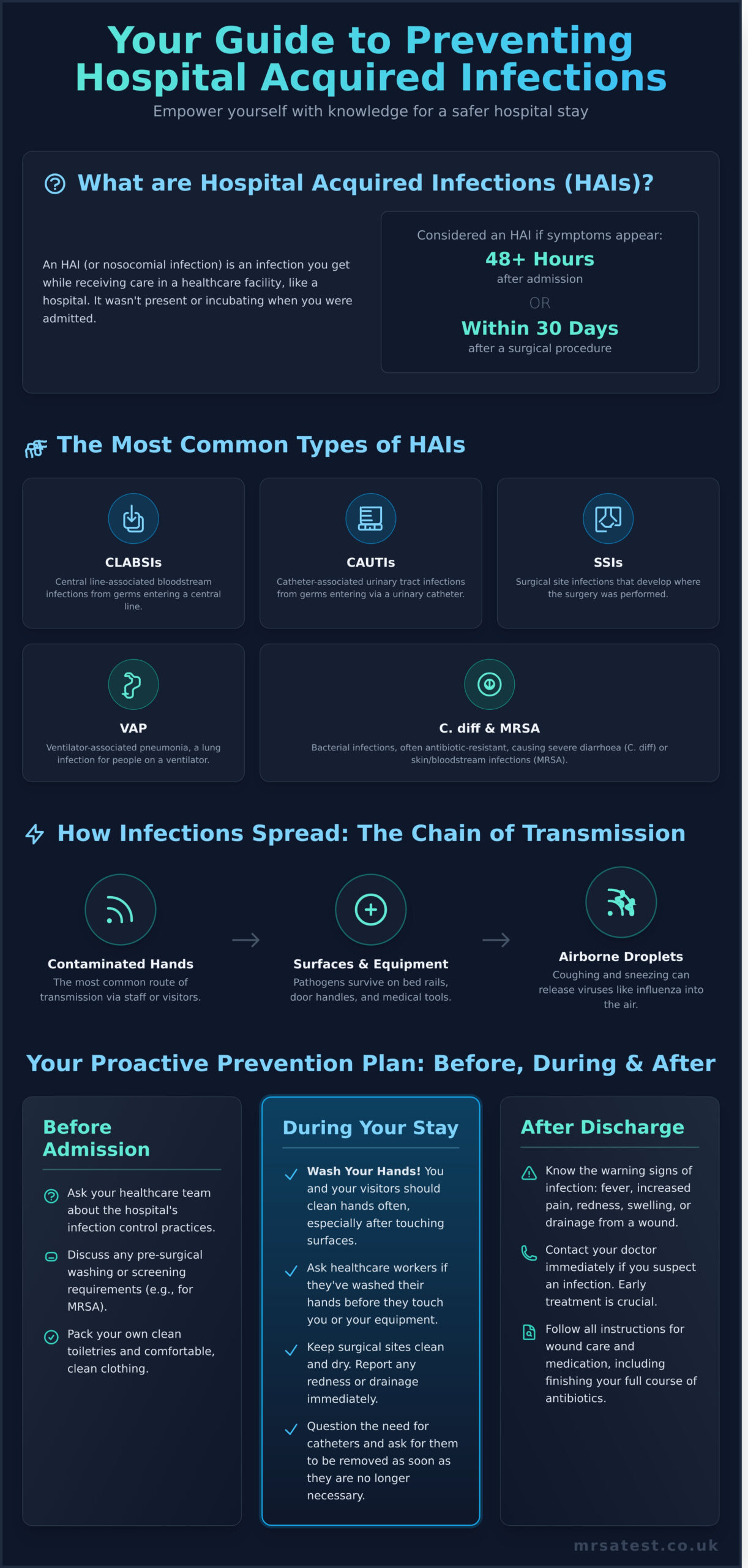
A hospital-acquired infection (HAI), also known as a nosocomial infection, is an infection that you develop during a stay in a healthcare setting, such as a hospital or care home. In simple terms, it is an infection that was not present or incubating at the time of your admission. To provide a comprehensive overview, it is useful to ask, What is a hospital-acquired infection? Generally, an infection is considered an HAI if symptoms appear 48 hours or more after admission, or within 30 days following a surgical procedure.
These infections are a serious concern for patient safety. They can complicate medical treatment, delay recovery, and lead to longer hospital stays. While the NHS has made significant progress in reducing rates of certain HAIs, they remain a key challenge. According to UK Health Security Agency (UKHSA) data, thousands of these infections are still reported in England each year, highlighting the ongoing importance of stringent hygiene and prevention protocols in all healthcare environments.
The Most Common Types of HAIs
Several types of hospital acquired infections are more prevalent than others, often linked to specific medical procedures or devices. Understanding them can help you be more aware during a hospital stay. The most common include:
- Central line-associated bloodstream infections (CLABSIs): An infection that occurs when germs enter the bloodstream through a central line, which is a tube placed in a large vein.
- Catheter-associated urinary tract infections (CAUTIs): An infection of the urinary system caused by germs entering the body via a urinary catheter.
- Surgical site infections (SSIs): An infection that develops in the part of the body where surgery was performed.
- Ventilator-associated pneumonia (VAP): A lung infection that develops in a person who is on a ventilator, a machine that helps with breathing.
- Clostridioides difficile (C. diff) and MRSA: Bacterial infections that can cause severe diarrhoea (C. diff) or skin and bloodstream infections (MRSA) and are often resistant to antibiotics.
Understanding Your Personal Risk Factors
While any patient can be at risk, certain factors can increase your vulnerability to developing an HAI. Your personal risk is influenced by your health and the type of care you receive. Key factors include:
- Age and a weakened immune system: Very young children, the elderly, and individuals with compromised immune systems (due to conditions like cancer or certain medications) are more susceptible.
- Invasive devices: The use of medical devices like urinary catheters, intravenous (IV) lines, and breathing tubes (ventilators) can create a pathway for germs to enter the body.
- Length of hospital stay and recent surgery: The longer you stay in a hospital, the greater your exposure to potential pathogens. Similarly, having a surgical wound creates an entry point for infection.
How Infections Spread in Hospitals and Key Pathogens to Know
A hospital environment brings together vulnerable individuals and a concentration of microorganisms, making infection control a top priority. Understanding how these germs spread is the first step in patient safety. Transmission of hospital acquired infections typically occurs through a few key routes:
- Contaminated Hands: The most common route, as germs can be transferred from one patient to another via the hands of healthcare staff or visitors.
- Surfaces and Equipment: Pathogens can survive on surfaces like bed rails, door handles, and medical equipment, such as stethoscopes or blood pressure cuffs.
- Airborne Droplets: Coughing and sneezing can release droplets containing viruses like influenza into the air.
Many of these germs are harmless on intact skin but become dangerous when they find a way into the body, for instance through a surgical wound, a catheter, or a ventilator. A growing concern is antibiotic resistance, where certain bacteria have evolved to survive treatment with common antibiotics, making infections more difficult to manage. For a comprehensive overview, the NHS provides detailed information on HAIs and their transmission methods.
Bacteria: The Primary Cause of HAIs
Bacteria are the most frequent cause of hospital acquired infections. One of the most well-known is Staphylococcus aureus, a common bacterium found on the skin. Its antibiotic-resistant form, MRSA (Methicillin-resistant Staphylococcus aureus), is a significant concern because it is harder to treat. It is important to understand that many healthy people carry MRSA on their skin or in their nose without any illness-a state known as colonisation. The risk emerges only if it enters the body through a break in the skin. Other common bacteria include E. coli, often linked to urinary tract infections (UTIs) from catheters, and Pseudomonas aeruginosa, which can cause serious lung infections in vulnerable patients.
Viruses and Fungi in Healthcare Settings
While bacteria are a primary focus, viruses and fungi also pose a significant risk in hospitals. Highly contagious viruses like influenza (the flu) and norovirus (the winter vomiting bug) can spread rapidly through a ward, affecting both patients and staff if strict isolation and hygiene protocols are not followed. Fungal infections, particularly from species like Candida, are an especially serious threat for immunocompromised patients-those with weakened immune systems due to illness, organ transplants, or treatments like chemotherapy. These fungi can cause severe bloodstream infections. Ultimately, the core principles of prevention are universal: rigorous hygiene practices, especially diligent hand washing, are the most effective defence against all types of pathogens.
Your Proactive Prevention Plan: Steps to Take Before Admission
Entering the hospital for a procedure can be a source of anxiety, but preparation is a powerful tool for a successful outcome. Taking a few proactive steps before your admission can significantly lower your risk of developing hospital acquired infections. This simple checklist is designed to empower you, putting you in control of your health and safety. It all begins with open communication and being well-prepared.
Essential Questions to Ask Your Doctor and Hospital
Your healthcare team is your most important partner in preventing infection. Don’t hesitate to start a dialogue about their safety protocols. Hospitals in the UK follow stringent procedures, often guided by evidence-based standards like the official Infection Control Guidelines, but understanding the specifics of your care provides valuable reassurance. Consider asking:
- What are this hospital’s specific infection prevention and control measures?
- For my procedure, what precise steps will you take to prevent a surgical site infection?
- Will I need to wash with a special antiseptic soap, like Chlorhexidine, before my admission?
The Crucial Role of Pre-Operative Screening for MRSA
Many hospitals now screen patients for MRSA before certain types of surgery. This is a routine, preventative measure. MRSA can be carried harmlessly on the skin (known as colonisation), but it can pose a risk of serious infection if it enters the body through a surgical wound. Knowing your MRSA status beforehand allows your medical team to take simple, effective steps-such as prescribing a decolonisation treatment-to protect you. For complete privacy and peace of mind, you can also arrange your own screening. Learn about confidential at-home MRSA screening and take a crucial step in safeguarding your health from the comfort of your own home.
Staying Safe in the Hospital: A Patient and Visitor Checklist
While healthcare professionals work diligently to maintain a sterile environment, you, the patient, are a crucial partner in your own safety. Being an active and informed participant in your care is one of the most effective ways to reduce the risk of developing hospital acquired infections. Asking questions and speaking up is not confrontational; it is a vital part of modern, patient-centred care. This simple checklist provides actionable steps for you and your visitors to follow during your stay.
Mastering Hand Hygiene for Everyone
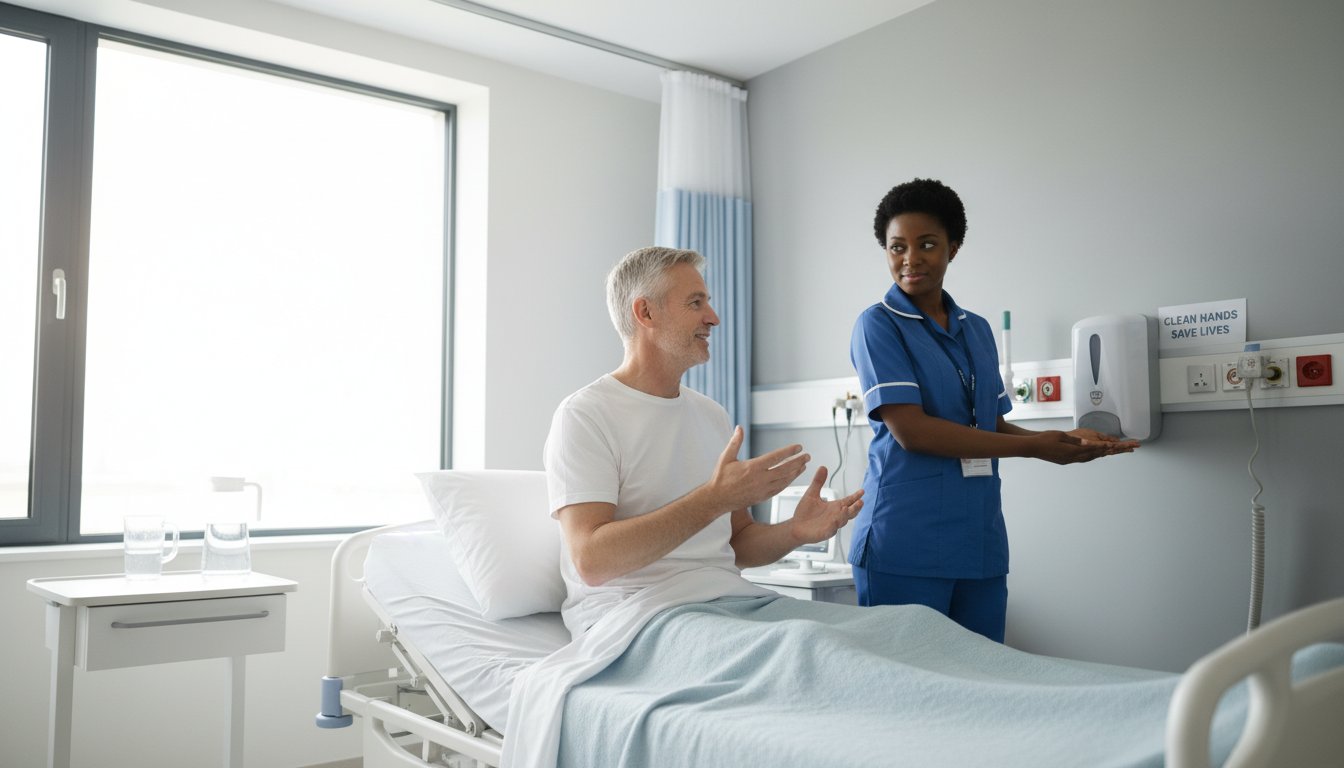
The single most important step in preventing the spread of infection is clean hands. This rule applies to everyone who enters your room, including staff, visitors, and you.
- Know the basics: Wash hands thoroughly with soap and water for at least 20 seconds, especially if they are visibly soiled. When soap and water are not available, use an alcohol-based hand rub, ensuring you cover all surfaces of your hands until they are dry.
- Don’t be afraid to ask: It is perfectly acceptable and encouraged to politely ask doctors, nurses, and other staff, “Have you had a chance to clean your hands?” before they begin an examination or procedure.
- Set the rule for visitors: Insist that anyone visiting you cleans their hands with an alcohol-based rub upon entering and leaving your room. This simple act protects both you and them.
Protecting Wounds, IV Lines, and Catheters
Any break in the skin, such as a surgical wound or the insertion site for an intravenous (IV) line or urinary catheter, is a potential entry point for germs. Diligent monitoring is key to preventing serious complications and minimising the risk of hospital acquired infections.
- Keep it clean and dry: The skin and dressings around any wound, line, or catheter should remain clean and dry. If a dressing becomes loose, damp, or dirty, alert your nurse immediately so it can be changed.
- Watch for warning signs: You know your body best. Immediately report any new or worsening redness, pain, swelling, or discharge around an insertion site to your care team.
- Question the necessity: Medical devices are often essential, but they should be removed as soon as they are no longer medically required. Ask your nurse or doctor each day, “Is this catheter (or central line) still necessary?”
After Discharge: Recognising Signs and Ensuring a Safe Recovery
Leaving the hospital is a significant step in your recovery, but your vigilance should not end at the hospital exit. The risk of certain hospital acquired infections can persist after you return home, as some pathogens may take days or even weeks to cause noticeable symptoms. Your active participation in your post-discharge care is crucial for ensuring a safe and complete recovery.
Warning Signs of a Post-Hospital Infection
Your body is still healing, which can make it more susceptible to infection. It is vital to monitor yourself for any new or worsening symptoms. Contact your healthcare provider promptly if you notice any of the following signs, as they could indicate a developing complication.
- Fever and Systemic Symptoms: A new or worsening fever (typically above 38°C), uncontrollable shivering, chills, or drenching night sweats.
- Wound Complications: Increased pain, redness, warmth, or swelling around a surgical incision or wound. Any new or foul-smelling drainage (pus or fluid) from the site.
- Respiratory or Urinary Issues: A new, persistent cough, shortness of breath, or chest pain. You may also experience pain or a burning sensation during urination.
- Gastrointestinal Distress: Severe or persistent diarrhoea (especially if watery or containing blood), significant stomach cramps, and nausea.
For severe symptoms such as difficulty breathing, a very high fever, confusion, or a rapidly worsening wound, you should seek immediate medical attention by calling 999 or visiting your nearest A&E. For less urgent concerns, contact your GP or the NHS 111 service for advice.
Your Post-Discharge Action Plan
Following your medical team’s instructions is the most effective way to prevent post-surgical or post-treatment hospital acquired infections and support your body’s healing process.
- Adhere to Medication Schedules: Take all prescribed medications, particularly antibiotics, exactly as directed. It is vital to complete the full course, even if you start to feel better, to ensure the infection is fully eradicated.
- Practise Correct Wound Care: Ensure you understand how to clean and dress any wounds. Always wash your hands thoroughly with soap and water before and after touching the area. Know who to contact-such as a district nurse or your GP’s practice nurse-if you have questions.
- Attend Follow-Up Appointments: These appointments are essential for your medical team to monitor your progress, check that you are healing correctly, and identify any potential issues early.
Ensuring your home environment is clean and dust-free is another key step in preventing complications, especially if you’re recovering from surgery. If the home has recently been renovated, the lingering dust and debris can pose a challenge to keeping a wound site clean. In such cases, it can be helpful to explore Αρχικός καθαρισμός μετά από ανακαίνιση and ensure the space is thoroughly prepared for your recovery.
Beyond these essential medical steps, remember to care for your mental wellbeing during recovery. A long recuperation period can be trying, but engaging in a calming hobby can be a fantastic way to stay positive and occupied. For those who enjoy creative and detailed projects, it can be the perfect opportunity to discover Narrow Minded Railworks and delve into the rewarding world of model railways.
If you have specific concerns about MRSA colonisation following your hospital stay, understanding your status can provide valuable peace of mind. You can find more information on confidential testing options at mrsatest.co.uk.
Your Health, Your Hands: A Final Word on Preventing HAIs
Navigating a hospital stay requires more than just trust in your medical team; it demands your active participation. As this guide has shown, knowledge is your strongest defence. Understanding the risks, committing to rigorous hand hygiene, and feeling empowered to speak up are fundamental steps in protecting yourself. Preventing hospital acquired infections is a shared responsibility, and your role as an informed patient is absolutely crucial for ensuring a safe outcome and a smooth recovery.
A vital part of this preparation, especially before any planned surgery, is knowing your own health status. Take proactive control of your health before surgery. Explore our confidential, at-home MRSA screening kits. Our fast, reliable screening service uses a fully UKAS-accredited UK laboratory, delivering confidential results with discreet packaging for your complete peace of mind. By being informed and prepared, you empower yourself to have the safest possible hospital experience.
Frequently Asked Questions About Hospital-Acquired Infections
How common are hospital-acquired infections in the UK?
While UK hospitals have stringent infection control measures, hospital-acquired infections (HAIs) still occur. The UK Health Security Agency monitors these rates closely. Data shows that significant progress has been made in reducing certain infections like MRSA, but others, such as those affecting the bloodstream or surgical sites, remain a concern. Your healthcare team works diligently to minimise these risks, but complete elimination is a constant challenge within any healthcare setting.
Can you get an HAI after you’ve been discharged from the hospital?
Yes, it is possible for an infection acquired during your hospital stay to only show symptoms after you have returned home. This is particularly common with surgical site infections, which can take days or even weeks to develop. If you notice any signs of infection, such as fever, redness, swelling, or discharge from a wound after you have been discharged, it is crucial to contact your GP or the hospital ward for advice immediately.
What is the difference between being ‘colonised’ and ‘infected’ with MRSA?
This is an important distinction. ‘Colonisation’ means the MRSA bacteria are present on your body, typically on the skin or in the nose, but are not causing you any harm or illness. You are a healthy carrier. An ‘infection’ occurs when these bacteria enter the body, for example through a break in the skin, and begin to multiply, causing active symptoms of illness like fever, pain, or inflammation. Treatment is only required for an active infection.
Are some people more at risk for HAIs than others?
Yes, certain factors can increase a patient’s vulnerability to developing hospital-acquired infections. Individuals with weakened immune systems, the very young or the elderly, and those with chronic conditions like diabetes are at higher risk. Other factors include long hospital stays, recent surgery, or the use of invasive medical devices such as catheters or ventilators. Your clinical team assesses these risks to provide preventative care throughout your stay.
How are hospital-acquired infections typically treated?
Treatment is tailored to the specific type of infection. For bacterial infections, the most common treatment is a course of antibiotics. Doctors will often take a sample (like a swab or blood test) to identify the exact bacteria and determine which antibiotic will be most effective. Other treatments may include specialised wound care for surgical site infections or the removal of a medical device, such as a catheter, that may be the source of the infection.
Is it rude to ask my doctor or nurse to wash their hands?
No, it is never rude. Your safety is the top priority, and you are encouraged to be an active partner in your own care. Healthcare professionals in the NHS are trained to practise excellent hand hygiene and will not be offended by a polite reminder. Asking “Did you have a chance to wash your hands?” is a perfectly acceptable way to ensure your own safety and peace of mind. They understand how critical hand washing is to prevent infections.