

Blog
Signs of Post-Op Infection: A Patient’s Guide to a Safe Recovery in 2026

Apr
Imagine you’re three days into your recovery at home, looking at your surgical site and wondering if that slight pinkness is normal. Is it just the body healing itself, or are you seeing the first signs of post-op infection? With over 5 million surgical procedures carried out by the NHS each year, thousands of patients find themselves in this exact moment of uncertainty. It’s completely natural to feel anxious about hospital readmission or the risk of complications like MRSA while you’re away from the direct supervision of a clinical team.
We understand that the line between healthy inflammation and a developing infection can feel incredibly thin. This guide provides you with clear, clinical criteria to help you monitor your wound with confidence and precision. You’ll learn how to identify specific red flag symptoms, understand the difference between normal discharge and a cause for concern, and know exactly when to contact your GP or NHS 111. We’ll walk through the essential steps to protect your health, helping you ensure your recovery remains safe, steady, and entirely manageable from the comfort of your own home.
Key Takeaways
- Distinguish between normal inflammatory redness and the clinical indicators of a surgical site infection (SSI) to ensure your healing remains on track.
- Identify the five definitive signs of post-op infection that signal harmful germs have entered the wound and require prompt medical consultation.
- Learn why the first 30 days post-surgery are the most critical for monitoring and why you should never attempt to self-treat suspected infections with old prescriptions.
- Explore how simple, discreet MRSA screening before your procedure can identify hidden bacteria and prevent complications before they even begin.
- Understand the importance of immediate communication with healthcare providers to secure a fast, safe, and complication-free recovery.
Understanding the Difference: Normal Healing vs. Post-Op Infection
Recovery after surgery is a delicate process where your body works to repair tissue. It’s common to feel some discomfort, but you must be able to recognize the early signs of post-op infection to ensure a safe recovery. A Surgical site infection occurs when pathogens, such as bacteria, enter the incision site and multiply. While your immune system naturally triggers inflammation to start the healing process, an infection represents a harmful disruption that requires medical attention. Knowing the difference between these two states is the first step in managing your health at home.
Differentiating between a healthy recovery and a developing complication is about monitoring the intensity and duration of symptoms. For instance, “healthy” warmth is usually confined to the immediate edges of the wound. In contrast, the heat associated with an infection often spreads to the surrounding skin and may be accompanied by a fever. Most surgical patients in the UK are advised to monitor their temperature daily during the first week to catch these shifts early.
The Inflammatory Phase: What is Normal?
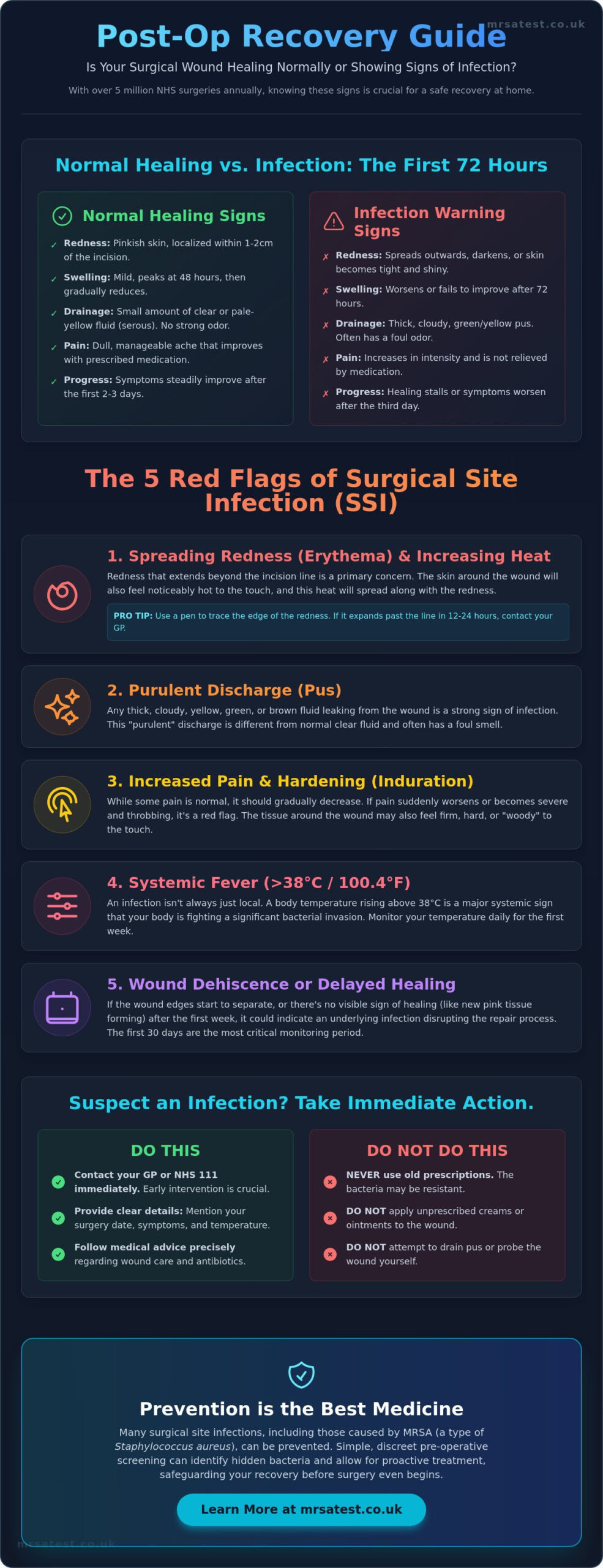
In the first 48 to 72 hours after your procedure, your body sends white blood cells to the wound. You’ll likely see pinkish skin immediately surrounding the stitches or staples. This is a sign of increased blood flow and is completely expected. Mild bruising and a small amount of clear or slightly straw-coloured fluid leakage are also common in the first 24 hours. This fluid, known as serous drainage, shouldn’t have a strong odour. Normal healing is localized, non-spreading, and gradually improving.
- Pink or light red skin within 1-2cm of the incision.
- Minor swelling that peaks at 48 hours.
- Dull, manageable pain that responds to prescribed medication.
When the Healing Process Stalls
The inflammatory phase should naturally transition into tissue repair after 3 days. If your wound appears “stagnant” and doesn’t show signs of improvement after this 72-hour window, it warrants closer monitoring. Bacteria can disrupt the natural repair cycle by consuming the nutrients your body needs for collagen production. When this happens, the signs of post-op infection become more pronounced and persistent.
A wound that isn’t progressing often shows specific red flags. You might notice that the redness isn’t fading or that the pain is increasing rather than dulling. This stall in progress is often the first indicator that the biological balance has shifted toward a clinical infection. If you observe that the skin around the wound is becoming darker red or feels increasingly tight and “shiny” after the third day, the healing process has likely been interrupted by bacterial colonisation.
The 5 Red Flags: How to Identify a Surgical Site Infection (SSI)
Identifying the signs of post-op infection early is vital for a smooth recovery. When pathogens like Staphylococcus aureus enter a wound, your immune system triggers an inflammatory response to neutralise the threat. While some minor swelling is expected after surgery, certain indicators suggest the body is struggling to manage a bacterial load. If you notice multiple symptoms appearing together, the probability of an infection is significantly higher than if a single symptom occurs in isolation.
Visual and Physical Symptoms at the Wound Site
The most common indicator is spreading erythema, which is redness that migrates away from the original incision line. It’s often helpful to use a surgical marker or a clean pen to trace the current edge of the redness. If the inflammation crosses this line within 12 to 24 hours, it provides clear visual evidence of a spreading issue. This simple tracking tool gives your clinical team objective data during a follow-up appointment.
You should also monitor the type of fluid leaking from the wound. Clear or pale yellow serous fluid is usually part of the normal healing process. However, thick, cloudy, or foul-smelling pus, known as purulent discharge, is a primary red flag. Another physical sign is induration, which is a firm, “woody” hardening of the skin and underlying tissue around the wound. This hardening suggests the infection has moved beyond the surface and into deeper tissue layers.
Systemic Warning Signs: Beyond the Incision
Infection doesn’t always stay confined to the skin. A fever with a temperature above 38°C is a major sign that the body is fighting a systemic infection. Many patients report feeling generally unwell, fatigued, or “flu-ish,” experiencing a sudden drop in energy that feels disproportionate to their stage of recovery. According to research on Surgical Site Infections, monitoring these systemic shifts is as important as checking the wound itself.
Pay close attention to changes in your comfort levels. While post-operative pain should gradually decrease each day, a sudden spike in throbbing or burning pain that was previously manageable is a critical warning sign. If you’re concerned about the presence of resistant bacteria like MRSA before or after your procedure, you can order a discreet at-home screening kit to get clear, professional answers from a UKAS-accredited laboratory. Taking action at the first sign of these five red flags ensures that any complication is managed quickly and safely.
Timing and Risk Factors: Why and When Do Infections Develop?
Surgical site infections (SSIs) don’t typically appear the moment you leave the theatre. Most cases develop within a specific window of 2 to 30 days following the procedure. While hospitals follow strict sterile protocols to prevent hospital-acquired infections (HAIs), some bacteria can still enter the wound during or after surgery. If an infection occurs after you’ve returned home, it’s often classified as a community-acquired infection. Understanding this timeline helps you stay alert for the early signs of post-op infection without becoming unnecessarily anxious in the first few hours of recovery.
The Timeline of Infection
It’s rare to see symptoms in the first 24 hours; redness during this period is often just the body’s natural inflammatory response to the incision. The risk usually peaks between days 5 and 10 as bacteria multiply and the immune system reacts. You shouldn’t stop being cautious after the first week, though. If your surgery involved an implant or prosthesis, such as a hip replacement or heart valve, “late-onset” infections can emerge months or even a year later. You must maintain vigilance until the wound is completely closed and the scar has fully matured.
Personal Risk Factors and Bacterial Colonisation
Not every patient faces the same level of risk. Your physical health and the type of surgery performed play massive roles. Bowel surgeries carry a higher inherent risk because they involve areas with naturally high bacterial counts. Personal habits and underlying conditions also matter; smoking constricts blood vessels and reduces oxygen delivery to tissues, while diabetes can slow the immune response. Both conditions make it harder for your body to defend itself against invading pathogens.
Your skin’s bacterial makeup is another critical factor. Being a carrier of MRSA (methicillin-resistant Staphylococcus aureus) increases your risk of developing a post-op infection by up to nine times. This is why pre-operative screening is such a vital part of modern surgical prep. You can learn more about how this bacteria behaves in our guide on what is MRSA. Additionally, patients over the age of 65 or those with poor nutritional status may have thinner skin and weaker immune barriers, making them more susceptible to the signs of post-op infection. Maintaining a balanced diet and following clinical advice on skin preparation can help mitigate these risks.
What to Do If You Suspect Your Wound Is Infected
If you notice potential signs of post-op infection, your first instinct might be to wait a day or two to see if the symptoms clear up. This is a mistake that can lead to unnecessary complications. Early intervention is the most effective way to manage a surgical site infection before it becomes a systemic issue. You should never attempt to self-treat the area with over-the-counter antiseptic creams or leftover antibiotics from previous illnesses. These actions can mask the true nature of the infection and make it much harder for your doctor to provide an accurate diagnosis.
Immediate Steps for Patient Safety
Your priority is to establish a clear line of communication with medical professionals. Recognising the signs of post-op infection is only the first step; taking documented action is the second. Follow these steps immediately to ensure your safety:
- Contact your surgical team: Call the hospital ward where you had your procedure or your GP’s surgery. If it is outside of normal hours, call 111 for clinical guidance.
- Document the changes: Use your phone to take a clear, well-lit photograph of the wound. Take another photo every 12 hours. This provides your doctor with a visual timeline of how the redness or swelling is progressing.
- Practise strict hygiene: Wash your hands with soap and water for at least 20 seconds before checking your dressing. Do not touch the incision site directly, as this introduces new bacteria and risks secondary contamination.
- Keep the wound covered: Unless a healthcare professional tells you otherwise, keep the wound covered with a sterile dressing to protect it from environmental pathogens while you wait for your consultation.
Preparing for Your Medical Appointment
When you speak with a doctor or nurse, providing specific data helps them assess the severity of the situation quickly. They will need more than a general description of your discomfort. Being prepared with a clear history of your symptoms ensures you receive the right treatment without delay.
Before your appointment, gather the following information:
- Vital signs and timeline: Record your temperature using a digital thermometer. Note the exact time your symptoms first appeared or when the pain began to intensify.
- Current medications: List everything you are taking, specifically mentioning blood thinners, steroids, or immunosuppressants, as these can impact your body’s ability to heal.
- Previous screenings: Mention any recent blood tests or MRSA screenings you had before the operation. This helps the clinical team understand your baseline health and identify if the infection is linked to previous colonisation.
If you want to ensure your recovery stays on track with professional-grade monitoring, you can order a discreet MRSA test kit for fast, reliable results delivered to your home.
Prevention Strategies: How MRSA Screening Protects Your Recovery
Recovery starts long before you enter the operating theatre. Traditionally, patients waited for the first signs of post-op infection to appear before seeking medical intervention. In 2026, the clinical focus has shifted toward proactive prevention. By identifying potential bacterial risks early, you can eliminate pathogens that might otherwise cause complications during your healing process. This preventative approach transforms you from a passive patient into an active participant in your own safety.
The Role of Pre-Surgery MRSA Screening
Research indicates that many surgical site infections (SSIs) don’t originate from the hospital environment itself. Instead, they’re often caused by bacteria already living on a patient’s own skin or in their nasal passages. While these bacteria are harmless on the surface, they become a serious threat if they enter a surgical wound. MRSA screening identifies asymptomatic colonisation, a state where you carry the bacteria without showing any symptoms or illness.
Identifying this colonisation allows your surgical team to provide specific decolonisation treatments before the first incision is made. These protocols typically include:
- Chlorhexidine (CHG) washes: Special antiseptic body washes used for several days before surgery.
- Nasal ointments: Targeted antibiotic creams to clear bacteria from the nose.
- Specific Antibiotics: Ensuring the surgical prophylactic antibiotics are tailored to your specific microbial profile.
Modern PCR testing can detect MRSA in as little as 24 hours. This speed ensures that even if your surgery is scheduled on short notice, you can still complete a screening and begin decolonisation if necessary.
Taking Control of Your Recovery Environment
Following every pre-operative hygiene instruction provided by your hospital is essential for a smooth recovery. However, hospitals are busy environments, and taking personal responsibility for your screening provides an extra layer of security. Including MRSA testing as a standard part of your surgery checklist ensures you aren’t bringing resistant bacteria into the sterile field.
Using at-home test kits offers a private, fast, and reliable way to verify your status. These kits are processed in UKAS-accredited laboratories, providing clinical-grade accuracy without the need for additional hospital appointments. Testing from the comfort of your home reduces stress and ensures you’re clear of resistant bacteria before your procedure begins. It’s a simple, effective step that significantly lowers the likelihood of encountering the signs of post-op infection during your convalescence.
Order your confidential MRSA screening kit today to ensure a safer surgical journey and a faster return to your daily life.
Prioritising Your Health for a Complication-Free Recovery
Recovery after surgery requires vigilance during the critical 30 day window when most surgical site infections occur. You’ve learned how to distinguish between normal inflammatory responses and the specific signs of post-op infection, such as spreading redness, unusual discharge, or a persistent fever. Early detection remains the most effective way to prevent minor issues from becoming serious clinical complications. Clinical studies indicate that identifying potential risks before you enter the operating theatre can drastically improve your long term outcomes.
You can take control of your safety by using a UKAS-accredited laboratory testing service. These kits provide fast 24 hour PCR results for molecular detection, ensuring you have the data needed for a confident recovery. Every order includes discreet and confidential home delivery to protect your privacy throughout the process. It’s a simple, professional way to manage your health from your own living room without unnecessary stress.
Ensure a safe recovery with an at-home MRSA screening kit
Frequently Asked Questions
Is it normal for a surgical wound to be red?
Mild pinkness around an incision is normal for the first 48 to 72 hours as the body sends blood to repair the tissue. However, if the redness spreads more than 2cm from the wound edge or feels hot to the touch, it’s one of the primary signs of post-op infection. You should monitor the area closely. If the red zone expands or develops red streaks, contact your surgical team immediately for a clinical assessment.
How can I tell if the liquid coming from my wound is pus?
Pus is typically thick, opaque, and varies in colour from creamy yellow to green or tan. It often has a distinct, unpleasant odour that differs from the neutral smell of a healing wound. In contrast, normal discharge, known as serosanguinous fluid, is thin, watery, and pale pink or clear. If you notice thick, cloudy drainage that saturates your dressing, it’s a clear indicator that a bacterial infection is present.
Can a post-op infection go away on its own?
A post-op infection won’t resolve without medical treatment. While minor skin irritations might clear up, a bacterial infection at a surgical site requires professional intervention, usually through targeted antibiotics. Data from the UK Health Security Agency (UKHSA) indicates that untreated surgical site infections can lead to serious complications. Seeking help early ensures the infection is managed before it reaches deeper tissues or enters the bloodstream, keeping your recovery on track.
What does an MRSA infection look like after surgery?
An MRSA infection often appears as a swollen, painful red bump that looks similar to a spider bite or a large pimple. The area is usually warm to the touch and may be filled with pus or other drainage. Because MRSA is resistant to many common antibiotics, these bumps can quickly turn into deep, painful abscesses. It’s vital to have any suspicious, fast-spreading sores swabbed by a professional to confirm the bacterial strain.
How long after surgery can a wound get infected?
Most infections develop within 30 days of a procedure, but the risk window depends on the type of surgery performed. If your operation involved an implant, such as a hip replacement or a pacemaker, an infection can surface up to 1 year later. Being aware of the signs of post-op infection during this entire period is essential for a safe recovery. Always report new pain or swelling to your GP, even months after your discharge.
What are the first signs of sepsis after surgery?
The first signs of sepsis include a temperature above 38°C or below 36°C, alongside a rapid heart rate and mottled skin. You might also experience extreme shivering or severe muscle pain. Sepsis is a life-threatening reaction to an infection that requires urgent hospital care. If you feel dizzy, confused, or haven’t passed urine in 12 hours, call 999 or go to A&E immediately. Early diagnosis significantly improves survival rates.
Will I need more surgery if my wound gets infected?
Additional surgery is only necessary if the infection is deep or involves an implant. While many superficial infections are cleared with a 7-day or 14-day course of antibiotics, deeper infections may require a procedure called debridement to remove infected tissue. Statistics show that roughly 2% to 5% of patients might require readmission for surgical management of an infection. Your consultant will determine the best path based on the depth and severity of the issue.
How does MRSA screening prevent hospital-acquired infections?
MRSA screening identifies patients who carry the bacteria on their skin before they enter the operating theatre. By detecting colonisation early, hospitals can provide a 5-day decolonisation kit containing antiseptic body wash and nasal cream. This proactive approach is highly effective. Clinical studies show that pre-operative screening and treatment can reduce the risk of hospital-acquired MRSA infections by approximately 40% to 60%, ensuring a much safer environment for every patient.
