
Is MRSA Contagious? Understanding Transmission and Prevention
The mention of MRSA can bring a wave of concern, especially if you are worried about the health of your family. You might be asking yourself, is MRSA contagious, and what are the real risks involved? It’s a common question, and the uncertainty around how this bacteria spreads-is it airborne, or only through direct contact?-can be unsettling. The distinction between carrying MRSA without symptoms (known as colonisation) and having an active infection can also be confusing, leaving you unsure of what steps to take.
This guide is here to provide clear, professional answers. We will cut through the confusion to explain exactly how MRSA is transmitted, who is most at risk, and the simple, practical prevention strategies you can implement today. Our goal is to replace anxiety with confidence, empowering you with the knowledge to safeguard your health, protect your loved ones, and understand when it is necessary to consider getting tested.
Key Takeaways
- The answer to is MRSA contagious is yes-it spreads primarily through direct contact with an infected person or contaminated surfaces, not through the air.
- Your risk level can differ depending on the setting; understand the crucial distinction between hospital-acquired (HA-MRSA) and community-acquired (CA-MRSA).
- Learn the difference between carrying MRSA without symptoms (colonization) and having an active infection, and what this means for transmission.
- Discover practical, everyday steps you can take-from proper hand hygiene to wound care-to effectively protect yourself and your family from MRSA.
- Identify the key symptoms and scenarios that indicate when you should consider getting a confidential MRSA test for your peace of mind.
The Direct Answer: Yes, MRSA is Highly Contagious
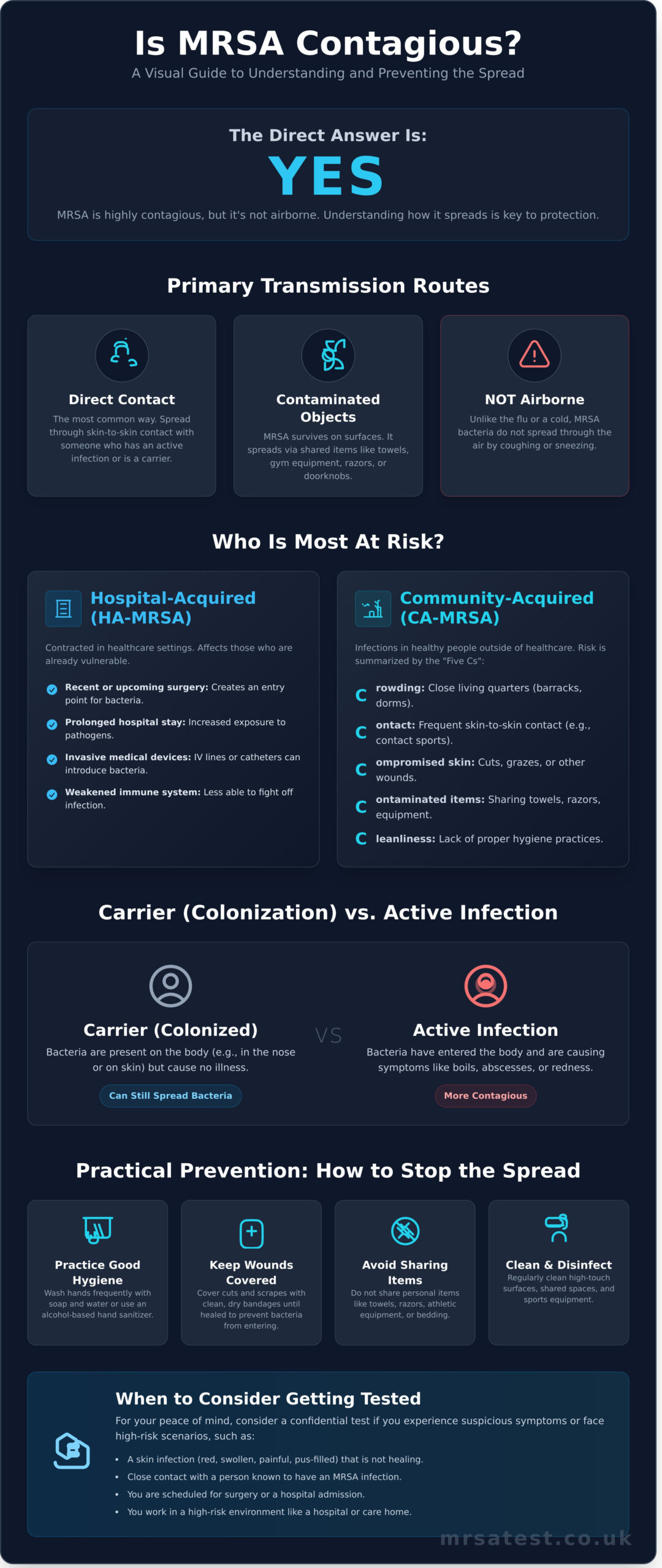
To address the central question, is MRSA contagious, the answer is a clear yes. Methicillin-resistant Staphylococcus aureus (MRSA) is a type of bacterium resistant to several common antibiotics, making it a significant health concern. It spreads primarily through physical contact, not through the air like the common cold or flu. Understanding its two main transmission routes-direct and indirect contact-is the first and most critical step towards effective prevention and protecting yourself and others.
Primary Transmission: Direct Skin-to-Skin Contact
The most frequent method of MRSA transmission is through direct skin-to-skin contact with an individual who is either infected with or carrying the bacteria (a state known as colonisation). This can occur in everyday situations, but is more common in settings involving close physical interaction, such as contact sports (e.g., rugby or wrestling) or during patient care in hospitals and clinics. For an infection to take hold, the bacteria typically need an entry point, such as a cut, graze, or wound, to get into the body.
Secondary Transmission: Contact with Contaminated Objects (Fomites)
MRSA can also spread indirectly through contact with contaminated objects, known medically as fomites. These are inanimate items that can harbour and transfer infectious agents after being touched by a person carrying the bacteria. This is a common route of transmission in both community and healthcare settings. Everyday fomites include:
- Towels, bedding, and personal razors
- Shared sports or gym equipment
- Door handles and light switches
- Medical equipment and healthcare surfaces
MRSA in the Environment: How Long Does It Survive?
A key reason why indirect transmission is a concern is MRSA’s ability to survive in the environment. The bacteria can remain viable on surfaces for extended periods, from hours to several days, and in some cases, even weeks. It tends to survive longer on hard, non-porous surfaces like plastic or stainless steel compared to soft, porous surfaces like towels or fabrics. This resilience underscores the vital importance of regular, thorough cleaning and disinfection of high-touch surfaces in shared spaces like gyms, schools, and healthcare facilities to minimise the risk of spread.
Who is Most at Risk? Understanding Hospital vs. Community-Acquired MRSA
While the answer to the question ‘is MRSA contagious?‘ is yes, your personal risk of exposure depends heavily on your environment and activities. To properly assess risk, medical professionals classify MRSA infections into two main categories based on where they were acquired: Hospital-Acquired (HA-MRSA) and Community-Acquired (CA-MRSA). Each type is associated with different risk factors and settings.
Hospital-Acquired MRSA (HA-MRSA)
As the name suggests, HA-MRSA is contracted in healthcare environments like hospitals, dialysis centres, and nursing homes. It typically affects individuals who are already unwell or have weakened immune systems. The risk is higher because these settings have a high concentration of pathogens and patients with entry points for infection. Key risk factors include:
- Recent or upcoming surgery
- A prolonged stay in a hospital or long-term care facility
- The presence of invasive medical devices, such as catheters or intravenous (IV) lines
- A weakened immune system due to underlying health conditions
Community-Acquired MRSA (CA-MRSA)
CA-MRSA refers to infections in otherwise healthy individuals who have not recently been hospitalised or had a medical procedure. This type of MRSA is most often spread through direct skin-to-skin contact or by touching contaminated objects. The risk factors for CA-MRSA are often summarised by the ‘Five Cs’:
- Crowding: Living in close quarters (e.g., military barracks, university halls, prisons).
- Contact: Frequent skin-to-skin contact, common in sports like rugby or wrestling.
- Compromised skin: Entry points like cuts, grazes, or abrasions.
- Contaminated items: Sharing personal items like towels, razors, or athletic equipment.
- Cleanliness: A lack of consistent and thorough hygiene practices.
| Feature | Hospital-Acquired (HA-MRSA) | Community-Acquired (CA-MRSA) |
|---|---|---|
| Typical Setting | Hospitals, nursing homes, clinics | Schools, gyms, military barracks, households |
| Common Risk Factors | Surgery, invasive devices, weakened immunity | Contact sports, crowded living, poor hygiene |
| Affected Population | Patients, elderly residents, immunocompromised | Healthy children and adults |
It is crucial to understand that while these classifications help identify risk, anyone can get MRSA. The distinction between Hospital vs. Community-Acquired MRSA is important for clinical diagnosis and prevention, but the lines can blur as strains move between settings. Ultimately, awareness and consistent hygiene are the most effective defences for everyone, regardless of their risk category.
Active Infection vs. Carrier (Colonization): What’s the Difference in Contagiousness?
Understanding MRSA transmission requires a crucial distinction between being a ‘carrier’ and having an ‘active infection’. While both states involve the presence of MRSA bacteria, the level of risk and contagiousness differs significantly. This distinction is a common point of confusion but is essential for effective prevention and management.
What It Means to Be a ‘Carrier’ of MRSA (Colonization)
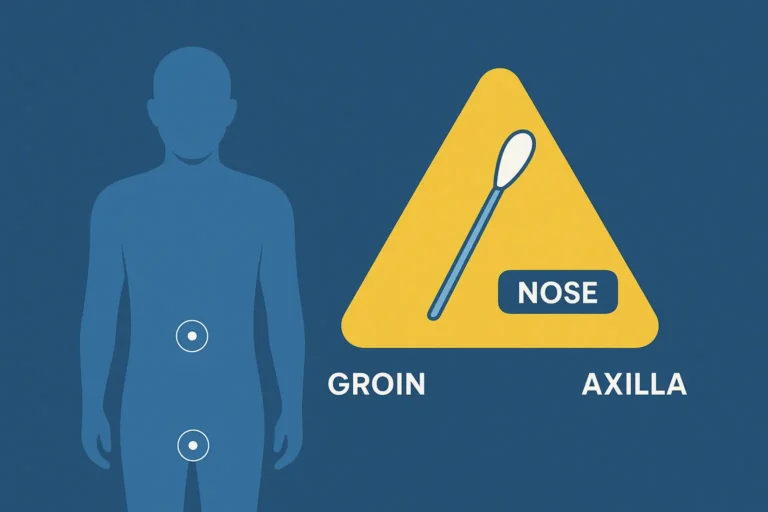
MRSA colonization means the bacteria is present on or in the body without causing any signs of illness. It’s more common than you might think; around one in three people carry Staphylococcus aureus bacteria, and a smaller percentage of these carry the antibiotic-resistant MRSA strain. The bacteria typically live harmlessly in areas such as:
- The nostrils
- The groin
- The armpits
A person who is colonized is often called a ‘carrier’. They feel perfectly healthy and are usually unaware they have the bacteria. However, they can still unknowingly spread MRSA to others through direct skin-to-skin contact or contaminated surfaces.
The Higher Risk of an Active MRSA Infection
When people ask, is MRSA contagious, the answer is most critical in the context of an active infection. An active infection occurs when MRSA breaches the body’s defences-often through a cut or wound-and causes symptoms like a painful boil, abscess, or cellulitis. This state is highly contagious, especially if the wound is draining pus or fluid. This fluid is teeming with bacteria, making direct contact a primary route of transmission. It is vital to keep any active MRSA infection completely covered with clean, dry bandages to prevent spreading the bacteria to others.
Why Screening to Identify Carriers is Important
Identifying MRSA colonization through screening is a key preventative measure. A carrier is at a higher personal risk of developing an MRSA infection later, particularly if they undergo surgery or have their immune system compromised. This is why hospitals routinely screen patients before major operations; detecting MRSA allows for simple decolonization treatments that can prevent a serious post-operative infection. Confidential testing provides a clear and accurate way to know your status, empowering you to take proactive steps for your health. Learn about pre-surgery screening from the comfort of your home.
Practical Prevention: How to Stop the Spread of MRSA
While understanding that is MRSA contagious is important, it’s more empowering to know that you can significantly reduce the risk of transmission with simple, consistent actions. By integrating the following four steps into your daily routine, you can create a safer environment for yourself and those around you. These practices are your most effective defence against the spread of MRSA in the community.
Step 1: Master Hand and Body Hygiene
The single most effective way to prevent the spread of bacteria, including MRSA, is through meticulous hand and body cleaning. This simple habit breaks the chain of transmission from surfaces and skin-to-skin contact.
- Proper Handwashing: Wash your hands frequently with soap and warm water for at least 20 seconds. Ensure you clean your wrists, between your fingers, and under your nails.
- Hand Sanitiser: When soap and water are not available, use an alcohol-based hand sanitiser that contains at least 60% alcohol.
- Daily Showering: Shower daily with soap, paying special attention after athletic activities, using a gym, or any situation involving close physical contact.
Step 2: Practice Diligent Wound Care
MRSA often enters the body through breaks in the skin. Protecting any cuts, sores, or scrapes is a critical line of defence against infection.
- Keep Wounds Covered: Always keep wounds clean and covered with a sterile, dry bandage until they have fully healed. This prevents bacteria from entering and stops the wound from contaminating surfaces.
- Safe Disposal: Dispose of used bandages and dressings carefully in a sealed bag to prevent others from coming into contact with them.
- Seek Medical Advice: If a wound becomes red, swollen, painful, or starts to leak pus, contact your GP immediately as these are common signs of infection.
Step 3: Avoid Sharing Personal Items
Since MRSA is contagious through contact with contaminated objects, it is vital not to share items that touch your skin. This reduces the opportunity for direct bacterial transfer.
- Do Not Share: Items like towels, razors, toothbrushes, flannels, and personal sports equipment should not be shared.
- Manage Shared Spaces: In households, assign a personal towel to each family member. In gyms or team settings, ensure you wipe down equipment with disinfectant before and after use.
- Personalise Team Apparel: For sports teams or clubs where gear might be similar, creating unique, individual items can help prevent accidental sharing. If you’re looking to outfit a group, you can explore Custom T-Shirts & Hoodies.
Step 4: Clean and Disinfect High-Touch Surfaces
Regular environmental cleaning helps to eliminate bacteria from surfaces before they can be picked up on someone’s hands.
- Routine Cleaning: Regularly clean and disinfect frequently touched surfaces. This includes doorknobs, light switches, mobile phones, remote controls, and keyboards.
- Effective Disinfectants: Use a household disinfectant that is proven to be effective against Staphylococcus aureus. Always follow the manufacturer’s instructions for use.
- Hot Water Laundry: Wash potentially contaminated bedding, towels, and clothing in hot water whenever possible and dry them thoroughly, ideally in a tumble dryer on a hot setting.
While these personal hygiene steps are crucial, creating a safe environment in shared spaces like workplaces, schools, and gyms often requires a more structured approach. For organizations seeking to establish comprehensive cleaning and infection control procedures, professional guidance can be invaluable. Expert services from firms like Safehouse Health and Safety Consultants Ltd help ensure that health and safety policies meet national standards, protecting both staff and visitors.
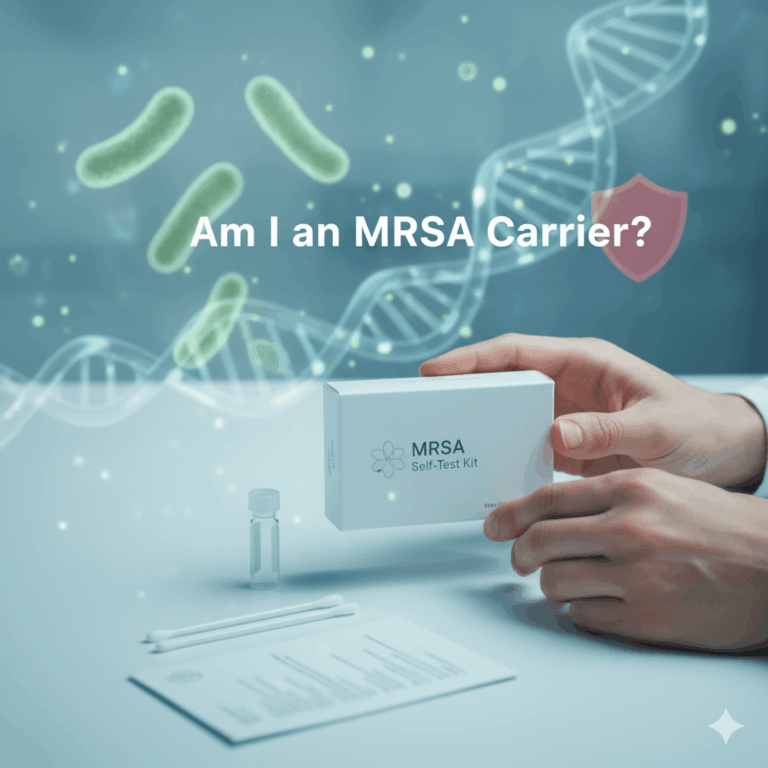
By adopting these straightforward practices, you can confidently minimise the risk of MRSA transmission. If you have concerns about potential exposure or are preparing for a hospital procedure, proactive screening provides essential peace of mind. You can test for MRSA from the comfort of your own home with a simple, discreet kit.
When to Get Tested for MRSA
Understanding how MRSA is transmitted is the first step, but taking proactive measures is crucial for protecting your health and the well-being of those around you. While it’s clear the answer to “is mrsa contagious” is yes, the next logical step in managing this risk is to determine your own status, especially in specific circumstances. Screening provides essential clarity and peace of mind, empowering you to take control of your health.
Before a Planned Surgery or Hospital Stay
Many UK hospitals, both NHS and private, require patients to be screened for MRSA before a planned admission or surgical procedure. This is a standard safety protocol designed to prevent healthcare-associated infections. Knowing your MRSA status in advance allows your medical team to take simple, effective preventative measures-such as decolonisation treatment-to significantly lower the risk of a post-operative infection. Completing this screening with an at-home kit is a convenient, discreet way to meet this requirement without an extra visit to a clinic.
If You’re in a High-Risk Group or Environment
As discussed, individuals in certain environments face a higher risk of exposure. This includes healthcare workers, residents of care facilities, and athletes participating in contact sports. If you or a family member fall into one of these groups, testing can provide vital reassurance. It is also advisable to consider a test if you experience recurrent skin infections, such as boils or abscesses, that are slow to heal. Identifying an underlying MRSA colonisation is key to receiving the correct treatment and preventing further spread.
How Our Confidential At-Home MRSA Test Works
Testing for MRSA from the comfort of your own home is a simple, secure, and completely confidential process. Our service is designed around your privacy and convenience, following four straightforward steps:
- Order: Select your test online, and we will dispatch a discreetly packaged kit directly to you.
- Swab: Follow the clear instructions to collect a sample using the sterile swabs provided.
- Send: Place your sample in the pre-paid return packaging and post it to our laboratory.
- Results: Receive your secure, confidential results via our online portal.
All samples are analysed at a fully UKAS-accredited laboratory in the UK, ensuring your results are accurate and reliable. We offer both a standard MRSA Culture Test for definitive identification and a PCR rapid test for when you need results quickly. Take a proactive step for your health today.
Choose the right confidential MRSA test kit for your needs.
Your Path to MRSA Prevention: Knowledge and Action
The answer to the question “is MRSA contagious?” is a clear yes. However, understanding the nuances-like the difference between being a carrier and having an active infection-is vital for assessing your personal risk. As we’ve covered, vigilant hygiene and awareness are your strongest defences against transmission in both community and healthcare settings. Knowledge is the first step in effective prevention.
For those seeking definitive peace of mind, especially before a hospital stay or if you are in a high-risk group, knowing your MRSA status is a proactive step towards safeguarding your health. You can now take control from the comfort and privacy of your own home with a simple, reliable test.
Find out your MRSA status with a confidential at-home test kit. Our service provides both rapid PCR and standard culture tests, all processed in a fully UKAS-accredited UK laboratory. With discreet packaging and fully confidential results, you can get the clarity you need without compromising your privacy. Taking this simple step is a powerful way to protect yourself and your loved ones.
Frequently Asked Questions
How long is a person with MRSA considered contagious?
A person with an active MRSA infection is contagious as long as they have draining wounds or other symptoms. Even after treatment, some individuals can be “colonised,” meaning the bacteria live on their skin without causing illness, and can still potentially spread it. It is essential to follow your GP’s advice on hygiene and wound care. Completing the full course of prescribed treatment and ensuring wounds are healed is key to no longer being considered a significant transmission risk.
Can MRSA be transmitted through the air, like by coughing or sneezing?
MRSA is not typically airborne. It spreads primarily through direct contact with an infected person’s wound or with hands that are contaminated with the bacteria. Transmission via respiratory droplets from coughing or sneezing is very rare, though it can be a risk factor in cases of MRSA pneumonia. The main preventative measure remains diligent handwashing and avoiding contact with contaminated surfaces, not airborne precautions in most community settings.
What is the actual difference between a Staph infection and a MRSA infection?
A Staph infection is caused by the bacterium Staphylococcus aureus. MRSA is a specific type of Staph infection. The crucial difference is that MRSA stands for Methicillin-Resistant Staphylococcus aureus. This means the bacteria have developed resistance to methicillin and other common antibiotics used to treat standard Staph infections. This resistance makes MRSA more challenging to treat, often requiring different, more specialised antibiotics prescribed by a healthcare professional.
How long can MRSA bacteria live on surfaces like clothes, towels, or furniture?
MRSA bacteria are resilient and can survive on surfaces outside the body for extended periods. Depending on the surface type and environmental conditions, they can live for hours, days, or even weeks. On soft surfaces like towels, bedding, and clothing, they can persist for days. On hard surfaces like doorknobs, gym equipment, and countertops, they may survive for weeks. Regular cleaning of high-touch surfaces is a vital step in preventing transmission.
Can you get MRSA from a family member you live with? How can you prevent it?
Yes, transmission within a household is possible due to close, frequent contact. If you are asking is MRSA contagious in a home environment, the answer is yes, but the risk can be managed effectively. To prevent spread, do not share personal items like towels, razors, or bedding. The infected person must keep any wounds covered with clean, dry bandages. Consistent and thorough handwashing with soap and water by all household members is the most critical preventative measure.
If I have been treated for MRSA in the past, am I immune or can I get it again?
A previous MRSA infection does not provide immunity. It is possible to be reinfected with MRSA or to become “colonised” again, where the bacteria live on your skin or in your nose without causing an active infection. This risk of recurrence underscores the importance of maintaining excellent hygiene practices, such as frequent handwashing and proper wound care, even after you have been successfully treated. If you have concerns, screening is a reliable way to check your status.