
How to Prevent Hospital-Acquired Infections: A Patient’s Guide
Preparing for a hospital stay often involves more than just packing a bag; it involves managing the very real anxiety about your health and safety. For many patients, a primary concern is the risk of complications, particularly the fear of contracting a ‘superbug’ like MRSA. This guide is designed to empower you with the knowledge needed to prevent hospital acquired infections, transforming that feeling of powerlessness into one of confident preparation.
We understand these fears. The good news is that you are not helpless. By taking a proactive role, you can become a crucial partner in your own care and significantly lower your risk of a setback during recovery.
In the following sections, we provide a clear, actionable checklist of essential steps you can take both before you arrive and during your stay. You will learn precisely what to do to protect yourself, communicate effectively with your healthcare team, and ensure the safest possible outcome.
Key Takeaways
- Your safety plan begins before admission. Learn the simple health preparations you can make and the crucial questions to ask about a hospital’s infection control record.
- Hand hygiene is the single most important factor in infection control. Understand its role and discover simple, effective phrases to remind your care team if needed.
- Learn to identify the early warning signs of infection around high-risk areas like IV lines, catheters, and surgical wounds to ensure prompt medical attention.
- Proactive patient involvement is a proven strategy to help prevent hospital acquired infections and contribute to a safer, smoother recovery.
Understanding Hospital-Acquired Infections (HAIs): Know Your Risk
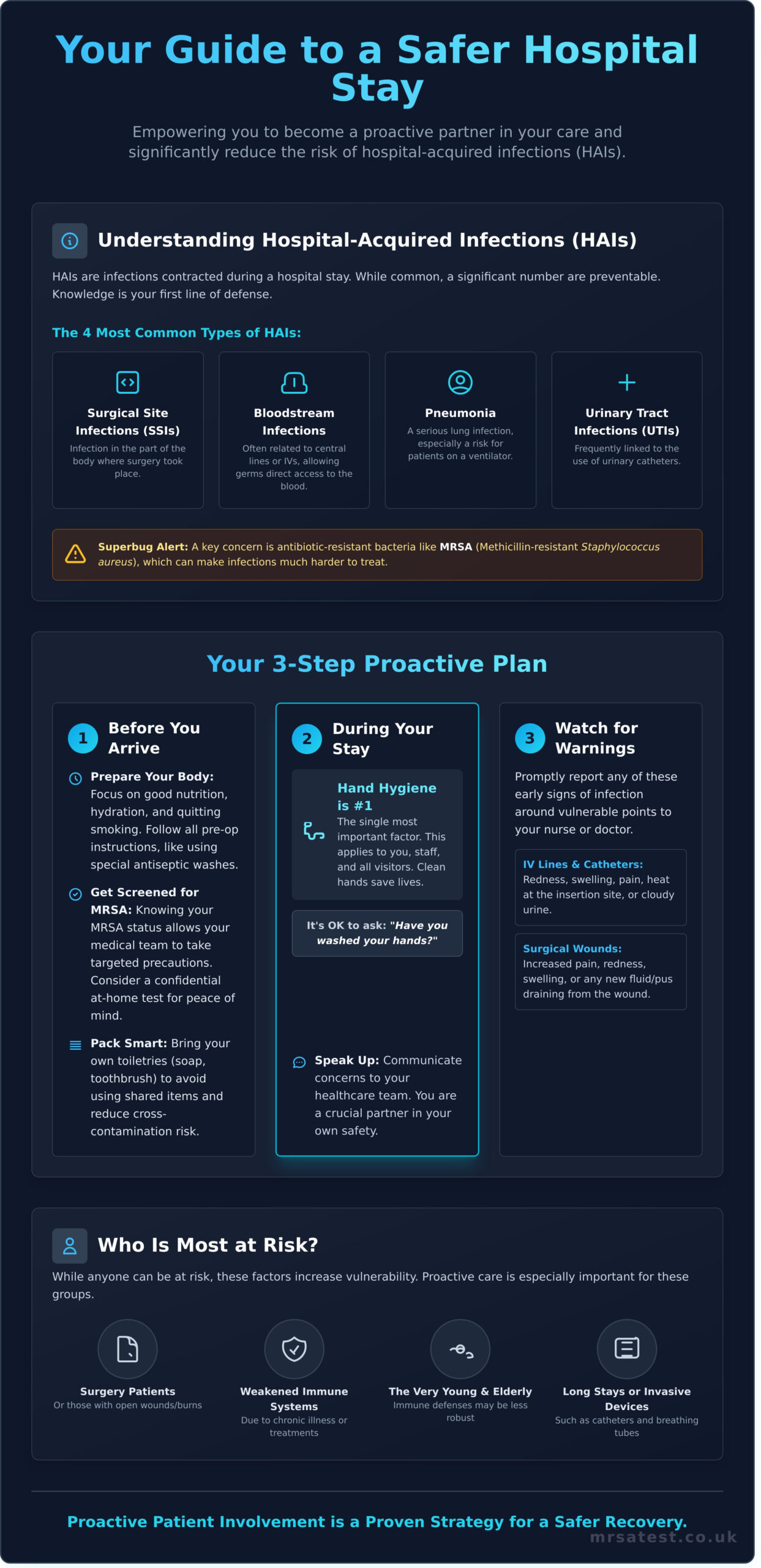
When you enter a hospital for treatment, the last thing you expect is to leave with a new illness. A Hospital-Acquired Infection (HAI), sometimes called a nosocomial infection, is an infection contracted during a stay in a hospital or another healthcare facility. While this sounds concerning, it is reassuring to know that a significant number of these cases are preventable with the right precautions. The NHS is committed to reducing these risks, and patient awareness is a crucial part of that strategy.
The most common types of HAIs include:
- Surgical Site Infections (SSIs): An infection that occurs after surgery in the part of the body where the surgery took place.
- Bloodstream Infections: Often related to the use of central lines or catheters that provide a direct path for germs to enter the blood.
- Pneumonia: A serious lung infection, particularly for patients using a ventilator to help them breathe.
- Urinary Tract Infections (UTIs): Frequently linked to the use of urinary catheters.
A key concern within these categories is the rise of antibiotic-resistant bacteria like Methicillin-resistant Staphylococcus aureus (MRSA), which can make infections difficult to treat. Understanding these common threats is fundamental if we are to successfully prevent hospital acquired infections and ensure a safer recovery.
What Are the Common Causes?
HAIs are not caused by a single factor but typically result from a combination of circumstances common in a healthcare environment. Germs can be transmitted through several primary pathways:
- Direct and Indirect Contact: Bacteria spreading on the unwashed hands of patients, healthcare staff, and even visitors.
- Contaminated Equipment: Medical devices such as catheters, ventilators, or surgical instruments that harbour harmful germs.
- Invasive Procedures: Germs entering the body directly through surgical wounds, IV lines, or other entry points created during medical care.
Who Is Most at Risk?
While any patient can be at risk, certain factors significantly increase an individual’s vulnerability. Proactive screening and care are especially important for these groups:
- Patients undergoing surgery or who have open wounds or burns.
- Individuals with weakened immune systems due to chronic illnesses (like diabetes) or medical treatments (like chemotherapy).
- The very young (infants) and the elderly, whose immune defences may be less robust.
- Those requiring long hospital stays or the use of invasive devices like breathing tubes and catheters.
Your Proactive Plan: Key Steps to Take Before Admission
While hospitals have robust protocols, your own preparation is a powerful first line of defence. Taking proactive steps before you even arrive can significantly reduce your risk and help prevent hospital acquired infections. This section empowers you with a simple, actionable plan to prepare your body and your environment for a safer hospital experience.
Prepare Your Body for a Safer Stay
A strong body is better equipped to resist infection and heal efficiently. In the weeks before your admission, focus on a balanced diet rich in vitamins and minerals, and stay well-hydrated. If you smoke, reducing your intake or quitting can dramatically improve your body’s healing capacity. Crucially, adhere to all pre-operative instructions from your clinical team. This may include using a special antiseptic skin wash (like chlorhexidine gluconate or CHG) to reduce bacteria on your skin before surgery.
The Importance of Pre-Operative Screening
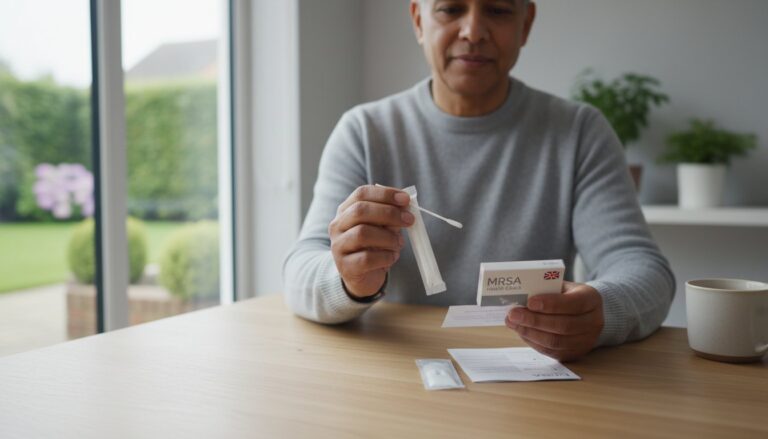
Hospitals often screen patients for specific bacteria, like MRSA, before admission for surgery. This isn’t to cause alarm; it’s a standard safety measure. It’s possible to carry MRSA on your skin or in your nose without being ill-this is known as colonisation. However, being a carrier can increase your risk of developing an infection after a procedure. Knowing your MRSA status beforehand allows your medical team to implement targeted clinical prevention strategies, such as specialised skin cleaning or specific antibiotics, to protect you. For complete peace of mind and to take control of your health information, you can order a confidential at-home MRSA test before your stay.
What to Pack for Infection Control
Packing a few key items can enhance your personal infection control efforts. Your hospital bag should be part of your plan to prevent hospital acquired infections. Consider including:
- Your own toiletries: Using your own soap, shampoo, and toothbrush avoids cross-contamination from shared or reusable items.
- Alcohol-based hand sanitiser: Keep a bottle on your bedside table for easy access when soap and water aren’t immediately available for you or your visitors.
- Clean slippers or non-slip socks: Avoid walking barefoot on hospital floors. This simple step keeps your feet clean and reduces the transfer of germs from the floor to your bed or hands.
- Prepare your home for your return. A clean, hygienic home environment is vital for recovery. This includes addressing potential health hazards like household mould, which can be particularly risky for a healing body. If you have concerns, professional services such as ABC Mould Cleaning Solutions can ensure your space is safe for your return.
During Your Stay: Being an Active Partner in Your Care
Once you are admitted to a hospital, you become the most important member of your own care team. Taking an active role is one of the most effective ways you can help prevent hospital acquired infections. These simple, daily habits are not about being a difficult patient; they are about being an informed and helpful partner in your own safety. These actions are directly aligned with clinical best practices, reflecting patient-led versions of the same evidence-based recommendations for the prevention of hospital acquired infections that healthcare professionals follow. By taking these small, consistent steps, you contribute significantly to a safer hospital experience.
The Golden Rule: Champion Hand Hygiene
The single most important step in infection control is clean hands. It is a simple yet powerful tool that protects both you and those around you. Make it a routine part of your day with these clear, manageable actions:
- Wash your own hands frequently. Always use soap and water or an alcohol-based hand sanitiser before you eat, after using the toilet, and after touching surfaces in your room.
- It is okay to ask. Your caregivers expect and support patient involvement. A polite question like, “For my peace of mind, would you mind using the hand sanitiser before we begin?” is perfectly acceptable and shows you are engaged in your care.
- Guide your visitors. Kindly remind friends and family to wash their hands or use sanitiser when they enter and leave your room. This simple request protects everyone.
Managing Your Personal Space and Visitors
Your immediate environment plays a crucial role in your well-being. Keeping your personal area clean and managing visitor traffic are key strategies to minimise the risk of introducing or spreading germs. A tidy space is easier for cleaning staff to disinfect thoroughly, which is vital to prevent hospital acquired infections.
- Keep your bedside area uncluttered. Store personal items neatly in the drawers provided. A clear over-bed table is easier to wipe down and less likely to harbour bacteria.
- Ask unwell visitors to wait. If friends or family are feeling ill, even with a minor cold, politely ask them to postpone their visit until they are fully recovered.
- Speak up if your room needs attention. If you notice a spill or feel your room needs cleaning, don’t hesitate to inform a nurse. The environmental services team is a critical part of the hospital’s infection control plan.
Protecting Vulnerable Points: Wounds, IV Lines, and Catheters
When you are in hospital, any break in your skin’s natural barrier becomes a potential entry point for bacteria, including MRSA. Surgical wounds, intravenous (IV) lines, and urinary catheters are the most common high-risk sites for infection to begin. Being aware and vigilant about these areas is a crucial step you can take to help your clinical team prevent hospital acquired infections. Your active participation is a powerful tool in safeguarding your health during your hospital stay.
Empowering yourself with knowledge about what is normal versus what is a warning sign allows you to be the first line of defence in your own care.
Caring for an IV Line or Catheter
IV lines (cannulas) and catheters are essential medical devices, but they create a direct path for bacteria to enter your body. Protecting these sites is vital. Here’s what you can do:
- Keep the area clean and dry. The dressing over your IV site should remain clean and secure. Inform a nurse if it becomes wet, loose, or dirty.
- Watch for warning signs. Alert a nurse immediately if you notice any redness, swelling, warmth, or pain around the insertion site. These are early indicators of potential infection.
- Question its necessity. To minimise risk, these devices should be removed as soon as they are no longer medically required. Ask your care team each day if your IV line or catheter is still necessary.
Monitoring Your Surgical Wound
After an operation, your surgical wound is vulnerable as it heals. Proper care is essential to ensure a smooth recovery and avoid complications like a surgical site infection (SSI).
- Understand your dressing. Ask your nurse how your wound dressing should be cared for, when it will be changed, and what to expect as it heals.
- Hands off the wound. Do not touch your wound or the dressing. Politely ask visitors not to touch it either, as hands are a primary source of bacteria. Always perform hand hygiene before and after any necessary contact.
- Report any changes immediately. Tell your nurse if you experience new or worsening pain, increased redness or swelling around the wound, or see any discharge (pus or fluid).
By actively monitoring these vulnerable points, you become a key partner in your own safety. This vigilance, combined with pre-admission screening, forms a robust defence. Knowing your MRSA status before a procedure allows your medical team to take tailored precautions, a simple yet effective strategy to help prevent hospital acquired infections. You can take control of this first step with a confidential test from mrsatest.co.uk.
How to Speak Up: Communicating Effectively with Your Healthcare Team
Entering a hospital can be an intimidating experience, and many patients worry about being perceived as ‘difficult’ if they ask questions. However, it’s essential to reframe this thinking. Your engagement is a crucial part of your safety. Healthcare professionals view patient communication not as a challenge, but as a vital component of teamwork. You are the most important member of your care team, and your observations help everyone work towards the best possible outcome: a safe and successful recovery.
Speaking up is one of the most effective ways you can help prevent hospital acquired infections. A simple, polite question can reinforce safety protocols and ensure best practices are consistently followed.
Simple Questions You Can Ask
You don’t need to be confrontational to be effective. Using calm, clear, and curious language opens a dialogue and shows you are an active partner in your care. Consider keeping these phrases in mind:
- “Could you tell me what the hospital is doing to prevent infection for me?” This shows your interest and prompts a helpful overview of their safety measures.
- “Excuse me, did you have a chance to wash your hands?” This serves as a gentle, non-accusatory reminder during a busy shift.
- “Is this IV line/catheter still needed today?” Asking about medical devices encourages the team to assess their necessity, as removing them as soon as they are no longer required lowers infection risk.
These professionals work under immense pressure to provide the best care. It’s a demanding career path, and when it comes to their own major life decisions, such as securing a mortgage, many benefit from specialised support. For medical staff navigating the home-buying process, dedicated services like Doctors Mortgages offer expert guidance tailored to their unique financial circumstances.
What to Do If You Have a Concern
If you notice something that worries you, there is a clear and respectful path to follow. First, speak to your assigned nurse. Calmly explain what you have observed or what your question is. If you feel your concern has not been fully addressed, you can then ask to speak with the charge nurse or ward manager, who has oversight of the entire unit.
It can be helpful to keep a small notebook by your bed to jot down questions as they arise or to note the names of staff members. This ensures you can communicate clearly and accurately. Being prepared is a powerful tool. Taking proactive steps, like arranging a pre-surgery screening, gives you valuable information to share with your team and empowers you to be a confident advocate for your own health.
Your Health, Your Hands: A Final Word on Hospital Safety
Ultimately, your role in your healthcare journey is powerful. As we’ve discussed, simple actions like diligent hand hygiene, asking questions about your care plan, and protecting vulnerable points like IV lines and surgical wounds make a significant difference. Being an informed and vocal advocate for your own safety is the cornerstone strategy to prevent hospital acquired infections and support a smooth recovery.
One of the most significant pre-admission steps you can take is screening for MRSA, a common cause of HAIs. Knowing your status beforehand empowers both you and your surgical team. For complete peace of mind, you can test from the comfort of your own home. Our simple at-home self-collection kit provides confidential results, processed by a trusted, UKAS-accredited UK laboratory.
Take a proactive step for a safer surgery. Order your confidential at-home MRSA test kit today. By taking these informed steps, you are not just a patient; you are a guardian of your own well-being.
Frequently Asked Questions
What are the most common types of hospital-acquired infections?
Hospital-acquired infections (HAIs) can take several forms. Some of the most frequently encountered in UK hospitals include bloodstream infections, urinary tract infections (UTIs) often associated with catheters, and pneumonia. Surgical site infections are also a significant concern, as is Clostridium difficile (C. diff). Methicillin-resistant Staphylococcus aureus (MRSA) is a well-known bacteria that can cause serious infections, which is why pre-operative screening is so vital for patient safety.
Why is MRSA screening so important before having surgery?
Screening for MRSA is a crucial step to prevent hospital acquired infections. Many people carry MRSA on their skin without any symptoms-a state known as colonization. When you undergo surgery, the incision creates an entry point for these bacteria to get into your body and cause a serious, difficult-to-treat infection. Identifying MRSA carriage beforehand allows your clinical team to take preventative measures, significantly reducing your risk of a post-operative complication.
What are the first signs of a surgical wound infection to watch for?
After surgery, it’s important to monitor your wound closely. Early signs of an infection can include increasing redness, swelling, or warmth around the incision site. You might also notice pus or a foul-smelling discharge from the wound. Other indicators are a fever (a high temperature of 38C or above) or an increase in pain that isn’t controlled by your prescribed medication. If you notice any of these signs, contact your GP or surgical team immediately.
Is it really okay for me to ask my doctor to wash their hands?
Absolutely. You have every right to be an active partner in your own healthcare. It is perfectly acceptable and even encouraged to politely ask any healthcare professional, including your doctor or nurse, if they have washed their hands before examining you. Patient safety is their top priority, and they will understand and respect your request. Good hand hygiene is the single most effective way to stop the spread of infections in a hospital setting.
What happens if I am found to be a carrier of MRSA before my operation?
If your screening test shows you are a carrier of MRSA, please do not worry. This is valuable information that helps protect you. Your clinical team will typically prescribe a simple, five-day course of treatment to remove the bacteria from your skin and nose before your operation. This usually involves using a special antiseptic body wash and a nasal ointment. In most cases, your surgery can proceed as planned once this decolonization process is complete.
Can my visitors accidentally bring infections into the hospital?
Yes, visitors can unintentionally introduce germs into the hospital environment. It is vital that all visitors clean their hands thoroughly with soap and water or alcohol-based gel upon entering and leaving your room. They should also be asked not to visit at all if they are feeling unwell, especially with symptoms like a cough, cold, diarrhoea, or vomiting. Following these simple rules helps protect you and other vulnerable patients in the hospital.